
If you have only ever seen Zumba as a dance party, strong by zumba will surprise you. It keeps the Zumba energy and the music-first feel, but swaps salsa and merengue steps for squats, lunges, burpees and push-ups, all timed to a soundtrack built around the exercises. This guide explains how the format works, how hard it really is, how it differs from regular Zumba, and how to fit it into a week without wrecking your knees or your motivation.
What is STRONG by Zumba?
STRONG by Zumba, earlier branded STRONG Nation, is a bodyweight high-intensity interval class where moves like squats, lunges, burpees and push-ups are performed in sync with specially composed music. There is no dance choreography and no equipment. Classes usually run about an hour, rising in intensity as the session progresses.
Think of it as a circuit-style conditioning class with a drummer you cannot argue with. You follow an instructor, repeat clear exercise patterns, and the beat tells you when to push and when to recover. People who search for “strong zumba” or “zumba strong workout” usually want exactly this: Zumba’s group energy without learning steps.
Is STRONG by Zumba a dance class?
No. STRONG by Zumba is not a dance class. It is a bodyweight HIIT workout (high-intensity interval training) that borrows Zumba’s group-fitness style and music focus. You will not learn salsa, cumbia or reggaeton steps. The movement vocabulary is squats, lunges, jumps, punches, kicks, shuffles, planks and push-ups.
This is the single biggest source of confusion, because the Zumba name suggests dance. A few myths worth clearing up:
- Myth: “I have no rhythm, so I will be bad at it.” Rhythm helps, but you are matching exercise reps to a beat, not remembering a sequence of steps.
- Myth: “It is just regular Zumba with harder songs.” The structure, the movement choices and the intensity pattern are all different.
- Myth: “Bodyweight means easy.” Burpees and jump squats at interval pace are demanding, even without a single dumbbell.
How does the music work in a STRONG class?
Normally, choreographers pick a song and then design steps around it. STRONG reverses this: the exercise routine is designed first and the music is composed afterwards to match it. Accents in the track line up with the hardest moment of each rep, so a drop or a snare hit lands exactly as you drive up out of a squat.
The idea behind this “synced music motivation” is simple. When the sound and the effort peak together, it is easier to push through the last few seconds of an interval. When the music eases off, you know recovery has arrived. Beginners often find this easier than counting reps in their head, because the track does the pacing for you.
For online classes, use headphones or a decent speaker so you hear the cues clearly.
STRONG by Zumba vs regular Zumba: side-by-side
The quickest way to choose between the two is to compare what each is built to do. Use this table as a screenshot reference before you book a class.
| Feature | STRONG by Zumba | Regular Zumba |
|---|---|---|
| Core style | Bodyweight HIIT intervals | Dance-based cardio |
| Choreography | None, repeated exercise patterns | Dance steps set to songs |
| Music approach | Composed to match each move | Existing songs, steps fitted to them |
| Equipment | None | None |
| Intensity pattern | Builds progressively through the class | Alternates faster and slower songs |
| Main benefit | Conditioning, power, muscular endurance | Steady cardio, coordination, fun |
| Learning curve | Low skill, high effort | Moderate skill, moderate effort |
| Impact on joints | Higher, with many jumps (modifiable) | Moderate, depends on the style |
Regular Zumba is still classified as aerobic exercise, as our breakdown of is Zumba cardio explains. STRONG shifts the balance toward strength-endurance and power. If you are curious how the interval approach stacks up against other formats, see Zumba vs cardio and HIIT.
How hard is STRONG by Zumba for beginners?
STRONG by Zumba for beginners is hard but manageable if you scale the moves. Expect to work at roughly 7 to 9 out of 10 effort during intervals, with short recovery. Most first-timers should do low-impact versions of jumps, rest whenever breathing becomes ragged, and plan for muscle soreness lasting 1 to 3 days.
The class does not ease you in with a long, gentle warm-up. You will usually be moving at pace within minutes, and the effort climbs from there. That is by design, but it is not a reason to burn out in the first ten minutes. A good instructor shows a lower-impact option for every high-impact move, and using it is smart rather than weak.
Which moves will you do, and how do you do them well?
You do not need a perfect technique to start, but a few form cues protect your knees, lower back and wrists. This table covers the staple moves, what they train, an easier version and the one cue worth remembering.
| Move | What it trains | Easier version | Form cue |
|---|---|---|---|
| Squat / jump squat | Thighs, glutes | Slow squat, no jump | Knees track over toes, chest up |
| Lunge / jump lunge | Glutes, quads, balance | Step-back lunge, hold a wall | Front knee stays over the ankle |
| Burpee | Full body, heart rate | Step back instead of jumping, skip the push-up | Brace your core before you drop to the floor |
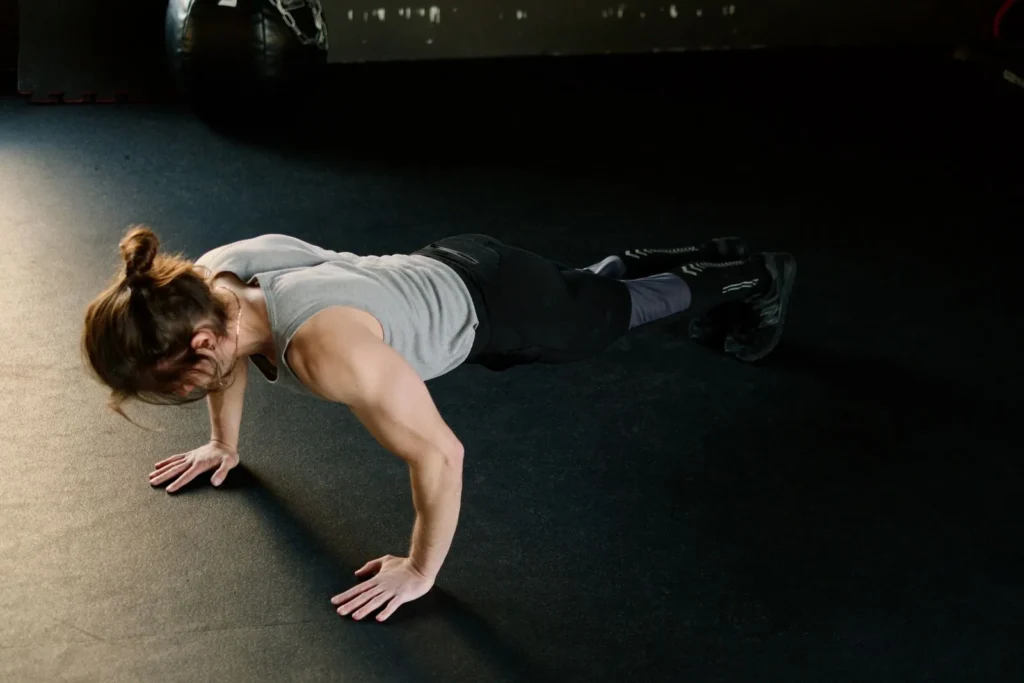
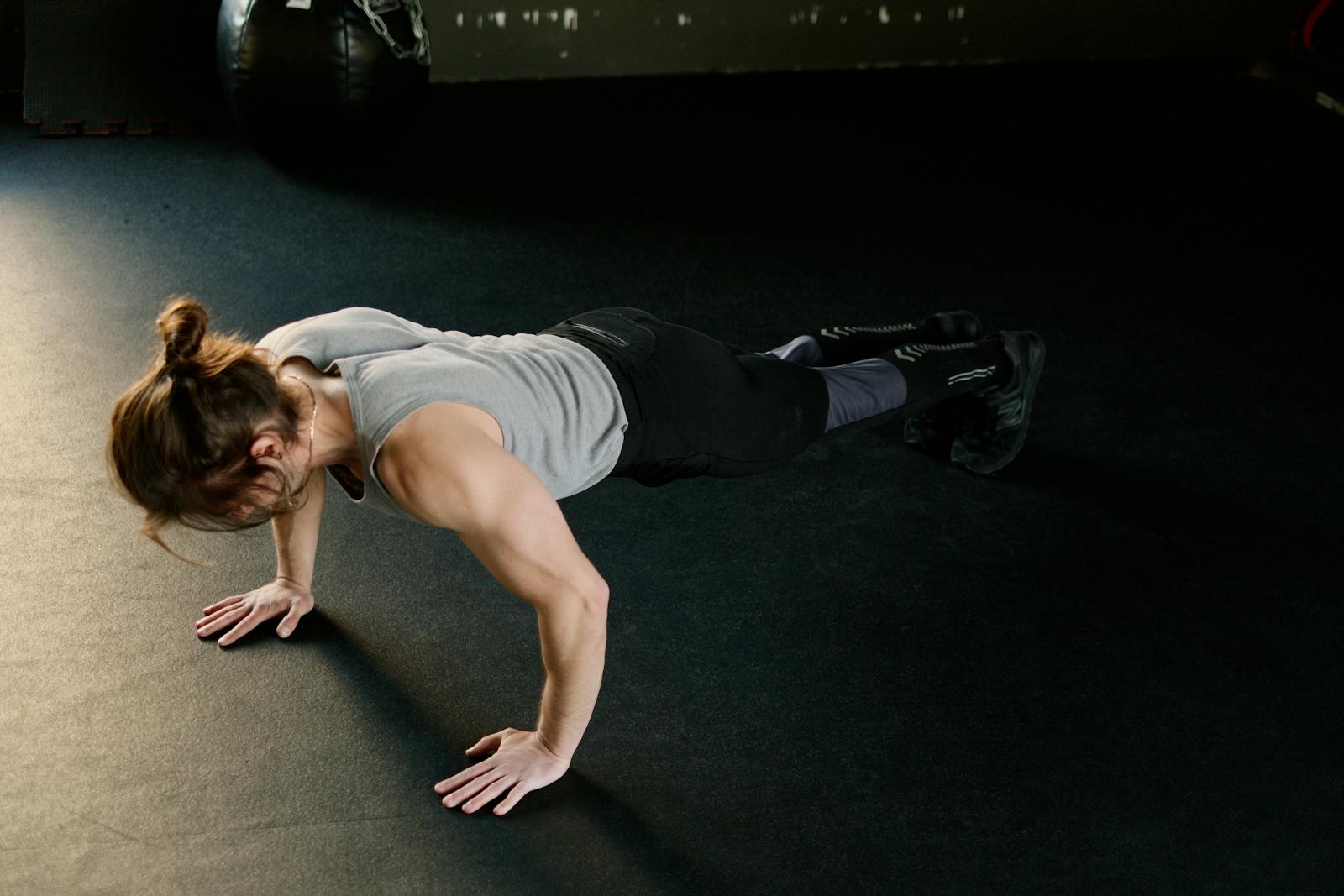
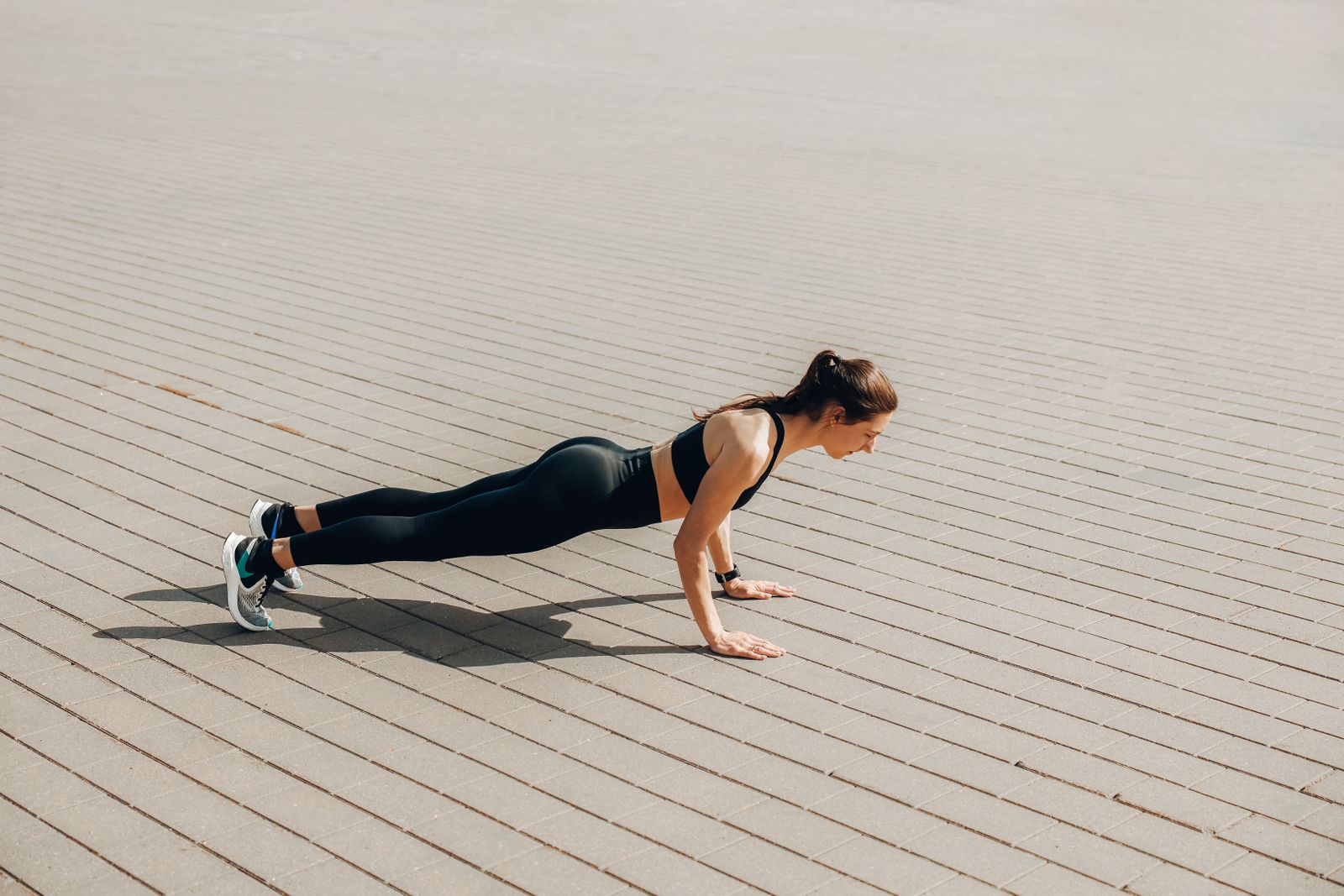
| Push-up | Chest, shoulders, triceps | Knees down or hands on a raised surface | Body in one straight line, elbows about 45 degrees |
| Plank / mountain climber | Core, shoulders | Slow marching knees, or forearm plank | Do not let the hips sag |
| Shuffle / skater | Legs, agility | Smaller side steps | Land softly, bend the knee |
| Punches and kicks | Shoulders, hips, coordination | Lower, slower kicks | Control the return, do not snap the joint |
What happens in a first class, minute by minute?
Every instructor runs things slightly differently, but this is the usual shape of an online or studio session:
- Start: a short warm-up that gets you moving quickly. It is brisk compared with regular Zumba.
- Early rounds: simpler moves like squats, shuffles and punches, where you learn the pattern and the beat.
- Middle: the intervals get longer or harder, with jumps, burpees and core work added.
- Peak: the highest-effort section, where the music drives you through the toughest sets.
- Finish: a cool-down and stretch to bring your heart rate down.
Keep water and a towel within reach, wear shoes with grip, and clear about two metres of floor each way. Indian summers make indoor HIIT sweatier than most people expect, so switch the fan on first.
What if STRONG by Zumba hurts my knees, wrists or breathing?
Most problems in the first week come from doing too much impact, too quickly. Use this quick troubleshooting guide:
- Knee pain on jumps: switch every jump to a controlled squat or step. Check that your knees point the same way as your toes. If pain persists across several sessions, stop and see a doctor or physiotherapist.
- Wrist pain in planks and push-ups: move to forearm planks or do incline push-ups with hands on a sturdy table or sofa arm.
- Dizzy or out of breath: drop to a walking-pace version of the move, sip water and rejoin when your breathing settles. Stop completely if you feel chest pain, faintness or unusual pressure.
- Calves and thighs very sore the next day: normal after a first class. Walk, stretch and drink fluids. Give heavy soreness two days before repeating.
If you have a heart condition, high blood pressure, joint problems, are pregnant or have recently been inactive for a long time, speak to your doctor before starting any HIIT format.
Who is STRONG by Zumba best suited to?
It is a strong fit for:
- Desk workers: people who sit for 8 to 10 hours and want a compact, high-yield session without a gym membership.
- Dance-shy exercisers: people who like Zumba’s atmosphere but dislike learning steps.
- Plateaued walkers and runners: people who need strength-based variety beyond steady cardio.
- Home exercisers: anyone with limited space and no equipment.
It is a weaker fit for people with significant knee, hip or back problems unless the instructor can offer thorough low-impact options, and for anyone who wants gentle, social, low-pressure movement. In that case, look at lower-impact formats such as Zumba Gold. If you want dance-style toning with light resistance work, read about Zumba Toning as well.
Will STRONG by Zumba help with weight loss and muscle?
STRONG by Zumba can support weight loss and improve muscle tone, but it does not guarantee either. An hour of vigorous bodyweight intervals may burn roughly 400 to 600 kcal depending on body weight and effort. Fat loss still depends on eating slightly below maintenance over weeks. Muscle gains stay modest without added resistance training.
Here is the honest version. The class raises your daily energy burn and builds conditioning, and many people find that three sessions a week improves stamina within about four to six weeks. It will not outwork a surplus of fried snacks, sweets or oversized portions. A sensible target for most adults is losing roughly 0.5 kg a week, and no class can safely promise more than that.
On muscle, bodyweight moves build endurance and some tone, especially in beginners. For visible muscle gain you eventually need progressive loading such as heavier weights, tougher variations or more reps. Our article on does Zumba build muscle covers the limits of the regular format, and Zumba and strength training shows how to combine the two.
How can you combine STRONG with other workouts in a week?
STRONG is intense, so it works best with recovery days and complementary sessions. This is a sample framework for a beginner who is already moderately active. Adjust the days to your own schedule and reduce the load if you are tired.
| Day | Session | Effort | Purpose |
|---|---|---|---|
| Monday | STRONG by Zumba | Hard | Conditioning and strength endurance |
| Tuesday | Brisk walk, 30 minutes | Easy | Active recovery |
| Wednesday | Regular Zumba | Moderate | Cardio and coordination |
| Thursday | Rest or gentle stretching | Very easy | Recovery |
| Friday | STRONG by Zumba | Hard | Second conditioning session |
| Saturday | Yoga or mobility session | Easy | Flexibility, stress relief |
| Sunday | Full rest | None | Recovery |
Two hard STRONG sessions with at least one easier day between them is a safe start. After a few weeks, you can move to three if your sleep, appetite and joints feel good. Mixing in regular Zumba keeps the weekly plan fun.
Protein and meal timing matter too. Aim for a balanced Indian plate, with dal, curd, paneer, eggs or chicken, rotis or rice in sensible portions and plenty of vegetables, and eat something light 60 to 90 minutes before class. If you want personal guidance, an online nutritionist consultation can build a plan around your schedule and food preferences.
Where can you try STRONG-style training online?
Online sessions suit this format well because all you need is floor space, a screen and a sound system. Fitstrot’s lead Zumba trainer, Yash Pathak, is ZIN Licensed, ACE Certified and Strong Nation Certified, so he is trained in this exact format as well as classic Zumba. Check the current class list for which formats are on offer rather than assuming every style runs all the time.
For a complete overview of what is available, see our page on online Zumba classes. If you would rather have one-to-one attention for technique and modifications, 1-1 personal training lets a coach adapt every move to your joints and fitness level, and the online weight loss trainer programme adds structure around food and progress.
Frequently asked questions
Is STRONG by Zumba a dance class?
No. It is a bodyweight HIIT class that uses exercises like squats, lunges, burpees and push-ups. The only link to dance is the music-led group energy and the Zumba brand.
How is the music different in STRONG compared to regular Zumba?
The workout is designed first and the music is composed afterwards to match each movement. In regular Zumba, choreographers fit dance steps to existing songs.
Is STRONG harder than standard Zumba?
For most people, yes. It has less gentle warm-up time, more jumping and strength work, and an intensity that builds through the class. You can scale every move down, so it can still suit beginners.
Do I need any equipment for a STRONG by Zumba class?
No. It uses your own bodyweight. You need comfortable workout clothes, supportive shoes with grip, a water bottle and a clear patch of floor.
Can I do both STRONG and standard Zumba in the same week?
Yes. Many people do two STRONG sessions and one or two regular Zumba sessions, with rest days between the hard ones. That gives a mix of strength-endurance, cardio and coordination.
Next step: book a trial class on our online Zumba classes page, tell the trainer you are new to interval work, and ask for the low-impact version of every jump.


