

Good male nutrition is less about secret foods and more about four numbers: how many calories you eat, how much protein you get, how much fibre you add, and how much salt and sugar you cut. Most Indian men get the first one wrong in both directions, eating too little protein and too much refined rice, roti and chai-biscuit calories. This guide gives you practical targets in grams, a full sample day built on dal, roti, eggs and paneer, and the nutrients men most often miss. If your plan needs to fit medical reports, our online nutritionist consultation can personalise it.
How much protein and how many calories does a man need each day?
An adult Indian man usually needs about 2,000 to 2,800 kcal a day, depending on size and activity. Protein should be at least 0.8 g per kg of body weight, and 1.2 to 2.0 g per kg if you train. For a 70 kg man that means roughly 56 g at the minimum, and 85 to 140 g when training.
Those are starting points, not verdicts. Weigh yourself and eat to a target for two weeks. If your weight is stable you have found maintenance; adjust by 250 to 500 kcal from there. For the full micronutrient breakdown by life stage, see our guide to the daily nutrition requirement for male adults.
| Goal (70 kg man) | Calories per day | Protein per kg | Protein per day | Fat share of calories |
|---|---|---|---|---|
| Maintain, desk job | about 2,000-2,400 kcal | 0.8-1.0 g | 56-70 g | 20-30% |
| Maintain, gym 3-4 days a week | about 2,400-2,800 kcal | 1.2-1.6 g | 85-110 g | 20-30% |
| Fat loss | 300-500 kcal below maintenance | 1.6-2.0 g | 110-140 g | 20-30% |
| Lean muscle gain | 250-300 kcal above maintenance | 1.6-2.0 g | 110-140 g | 20-30% |
Carbohydrates fill the remaining calories, and most of them should come from whole grains, millets, dal, fruit and vegetables rather than maida and sugar. Aim for 30 to 40 g of fibre a day. Anyone with kidney disease, diabetes or another condition should check protein targets with a doctor first.
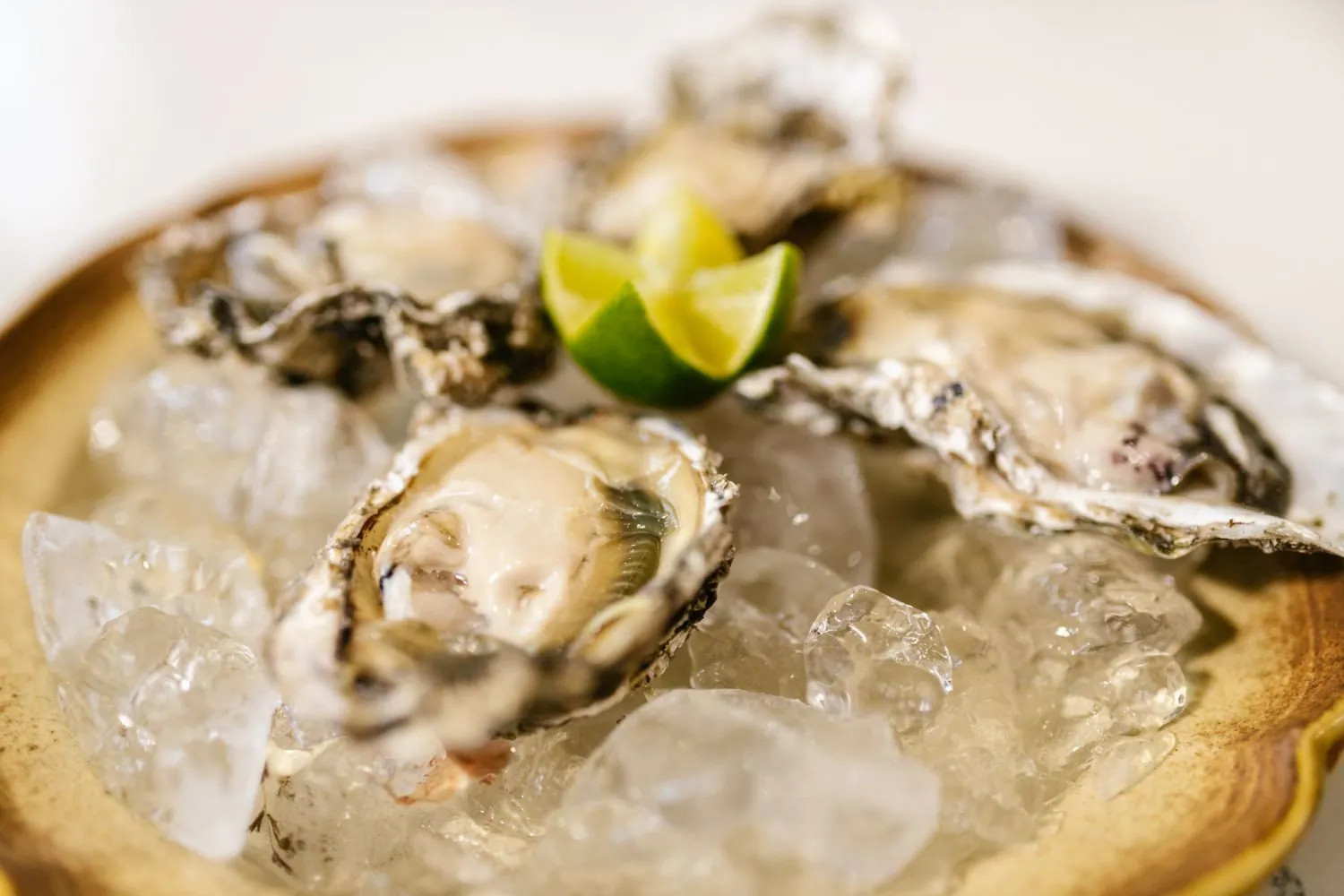
What does a day of male nutrition look like on an Indian plate?
A workable day spreads about 100 g of protein across five eating occasions, with 20 to 40 g at each main meal. Built from eggs, dal, curd, chicken or paneer and rotis, it lands near 2,200 kcal. Vegetarians can swap eggs and chicken for paneer, soya chunks and extra dal.
The table below is a template, not a prescription. Quantities are cooked weights and the numbers are approximate, because oil, ghee and recipe differences move them.
| Meal | What and how much | Approx kcal | Approx protein |
|---|---|---|---|
| Breakfast, 8 am | 3-egg masala omelette (1 tsp oil), 2 whole-wheat rotis, 1 banana | 600 | 25 g |
| Mid-morning, 11 am | 30 g roasted chana, 200 ml chaas | 150 | 8 g |
| Lunch, 1:30 pm | 1 cup rice, 1 katori dal, 100 g chicken curry, salad | 620 | 40 g |
| Evening, 5 pm | 1 cup chai with milk, 20 g peanuts | 185 | 7 g |
| Dinner, 8:30 pm | 2 rotis, 1 katori rajma, 100 g sabzi, 200 g curd | 630 | 24 g |
| Day total | about 2,200 | about 105 g |
To make it vegetarian, replace the omelette with 100 g paneer bhurji or three moong dal chillas, and the chicken with 100 g paneer plus a second katori of dal. If you train in the evening, move the curd and one roti to right after the session.
Smart swaps keep the day interesting without breaking the numbers: poha with peanuts and a boiled egg instead of plain paratha, besan chilla instead of puri, grilled chicken tikka instead of a creamy gravy, and sprouts chaat instead of samosa at tea time. A scoop of whey is optional, useful only when you cannot reach your protein target from food.
Cooking style matters as much as the menu. Grilled, tandoori or pressure-cooked dishes carry fewer calories than deep-fried versions of the same food. Measuring oil with a teaspoon instead of pouring it from the bottle can save 100 to 200 kcal a day without changing a single ingredient. For training-day timing, our sports nutrition guide covers what to eat before and after sessions.
Do foods and supplements really raise testosterone?
Not in men whose levels are already normal. Food can only correct a shortfall: enough zinc (about 11 to 12 mg a day), enough total calories, and a moderate amount of fat, since testosterone is built from cholesterol. No food or “booster” reliably pushes healthy levels higher, so skip the sachets.
Three practical points follow. First, crash diets and extreme low-fat eating can push hormone levels down, so a steady calorie deficit beats a starvation plan. Second, zinc comes easily from food: pumpkin seeds, chickpeas, cashews, curd, eggs, chicken and mutton all contribute, and our zinc nutrition guide lists amounts. Third, fat should come mainly from groundnut or mustard oil in measured amounts, nuts, seeds and fish, with ghee kept to a spoon or two a day.
If you notice persistent tiredness, low sex drive, falling muscle mass or low mood, get blood tests and talk to a doctor. A grocery list cannot diagnose low testosterone, and over-the-counter boosters can mask a medical problem.
Which nutrients do Indian men most often miss?
The usual gaps are vitamin B12, vitamin D, fibre and omega-3 fats, with too much salt on the other side. Vegetarian men are most at risk for B12, and indoor office workers for vitamin D. A simple blood test tells you more than guessing or buying a multivitamin.
| Nutrient | Rough daily need (adult man) | Indian food sources | Watch-out |
|---|---|---|---|
| Zinc | about 11-12 mg | pumpkin seeds, chickpeas, cashews, curd, eggs, chicken | High-dose supplements can upset copper balance |
| Vitamin B12 | about 2-2.5 mcg | milk, curd, paneer, eggs, fish | Strict vegetarians should test and ask a doctor |
| Vitamin D | about 600 IU | morning sun, egg yolk, fortified milk | Low levels are common; get a test before supplementing |
| Fibre | 30-40 g | dal, oats, vegetables, whole wheat, millets, fruit | Raise slowly and drink more water |
| Calcium | about 1,000 mg | milk, curd, paneer, ragi, sesame | Spread across the day |
| Salt | under 5 g (about 1 tsp) | hidden in pickles, papad, chips, instant noodles | Packaged food adds more than the salt shaker |
For absorption tips and deficiency signs, our vitamin nutrition article goes deeper. Omega-3 deserves a mention too: two servings of fatty fish like mackerel (bangda) or sardines (tarli) a week, or walnuts and flaxseed for vegetarians, covers most men.
Why does male nutrition matter more for the heart after 35?
Indian men tend to develop heart disease earlier than men in many other countries, and to carry fat around the waist even at a normal weight. A waist of 90 cm or more signals higher risk. Fibre, unsaturated fats, less salt and fewer sweets help most.
Five habits carry the most weight. Replace part of the refined rice and roti with dal, millets and vegetables. Cut deep-fried snacks like samosa and bhajiya to once a week. Switch sweet chai and cold drinks to unsweetened or lightly sweetened versions. Eat fish or nuts regularly. And walk for 30 minutes after dinner, which helps digestion as well as weight.
Salt deserves its own mention. Most men eat well over a teaspoon a day once pickles, papad, namkeen and restaurant gravies are counted. Taste before adding salt, use lemon, jeera and coriander for flavour, and treat packaged snacks as the main source to cut.
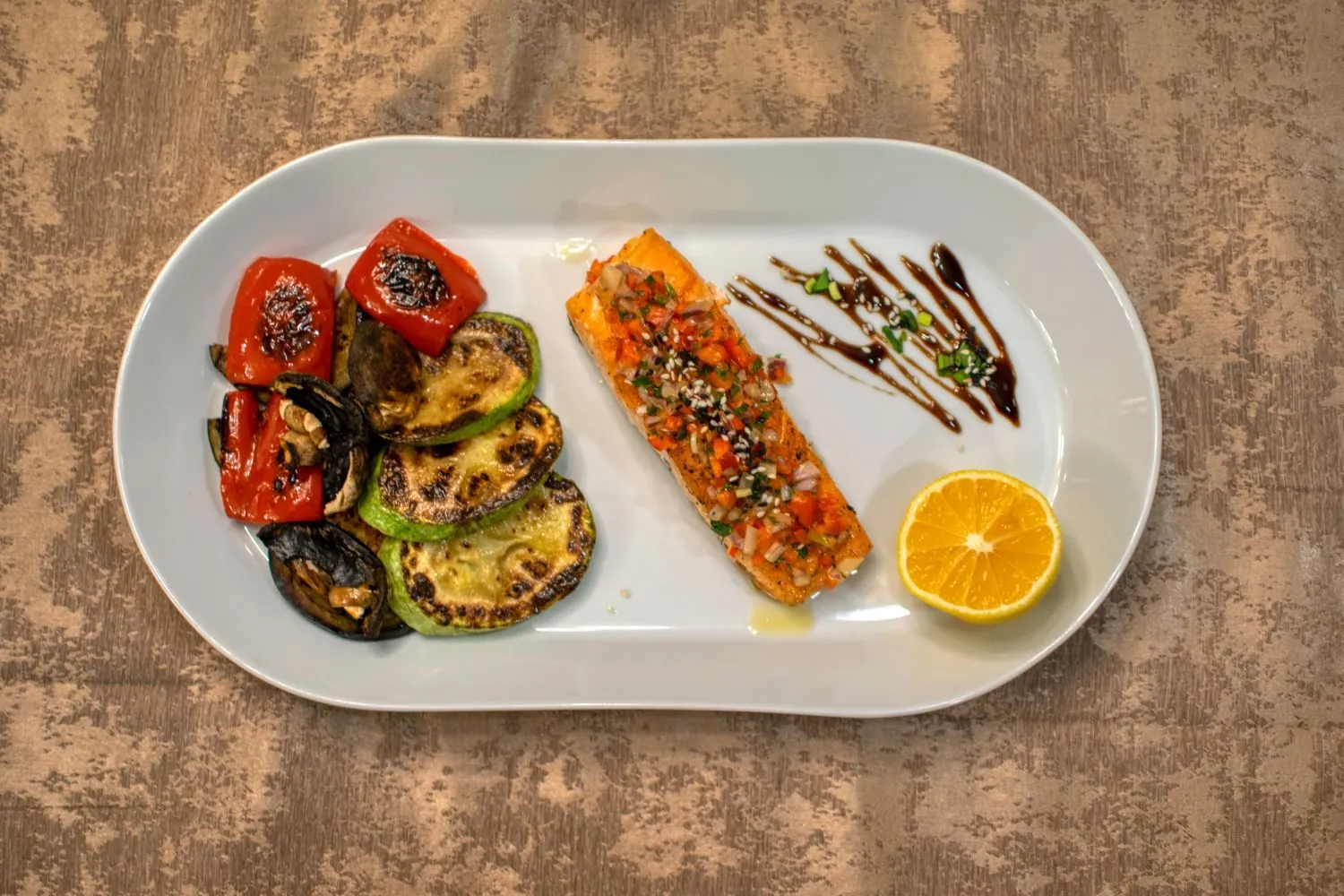
For the prostate, the evidence is modest but consistent enough for common sense: eat cooked tomato dishes a few times a week, include cauliflower, cabbage and broccoli, and keep processed meats like sausages and salami occasional. None of this replaces screening. Men over 45, or over 40 with a family history, should ask a doctor about check-ups. If you also want a trainer to build the exercise side, look at 1-1 personal training.
Male nutrition by age: what to change in your 20s, 40s and 60s
In your 20s and 30s, build the habit of enough protein and regular meals. In your 40s and 50s, metabolism slows and risk markers rise, so tighten portions, fibre and salt. After 60, appetite and absorption drop, so protect muscle with steady protein.
- 20s and 30s: 1.2 to 1.6 g protein per kg if you train, regular meal timing, and fewer late-night calories. Our bodybuilding nutrition guide covers heavy training diets.
- 40s and 50s: test cholesterol, blood sugar, vitamin D and B12 yearly. Aim for a waist under 90 cm and lean towards dal, fish, vegetables and curd.
- 60s and beyond: keep protein at 1.0 to 1.2 g per kg, include milk or curd twice a day, and keep lifting light weights or doing bodyweight work.
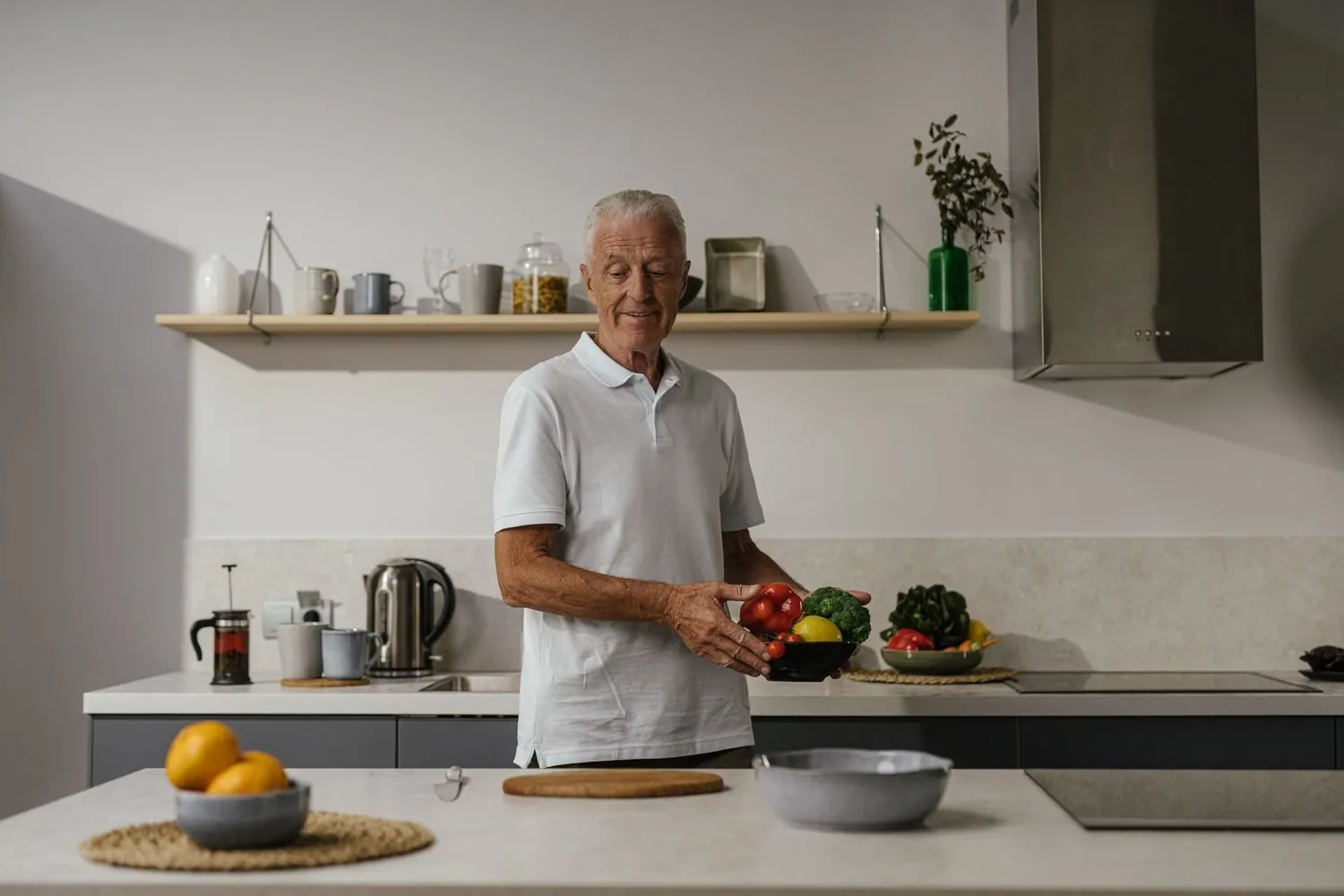
Troubleshooting: eating well but not seeing results
Most stalled men are making one of five fixable errors. Check each before you change your whole plan or buy a supplement.
- Protein only at dinner. Spread it over three or four meals. A breakfast of only paratha and chai has under 10 g.
- Rice-heavy plates. Keep one-quarter of the plate for dal or protein, one-quarter for rice or roti, and half for vegetables and salad.
- Liquid calories. Two sweet chais, a cold drink and a fruit juice add 400 to 500 kcal without making you full.
- Weekend resets. Two heavy restaurant days can erase a weekday deficit. Plan one flexible meal, not two flexible days.
- Guessing portions. Weigh food for one week. Most men underestimate by 20 to 30 percent.
If weight loss is the goal, our online weight loss trainer programme pairs the plan with a weekly check-in.
Male nutrition FAQ
How much protein does an Indian man need per day?
A sedentary man needs at least 0.8 g per kg, about 56 g for a 70 kg man. If you lift weights or play sport, aim for 1.2 to 2.0 g per kg, which is roughly 85 to 140 g. Spread it over three to four meals using dal, curd, eggs, paneer, chicken or fish.
How many calories should a man eat in a day?
Most adult men need between 2,000 and 2,800 kcal. Desk-bound men sit near the lower end and men who train regularly near the upper end. For fat loss, eat 300 to 500 kcal below maintenance, and do not go below what a doctor or dietitian suggests.
Which foods help keep testosterone healthy?
No food raises normal testosterone, but a good diet avoids lowering it. Get enough zinc from pumpkin seeds, chickpeas, eggs and chicken, include moderate fat from nuts and fish, sleep well and avoid crash dieting. Persistent symptoms deserve a blood test and a doctor visit, not a supplement.
Do men need different nutrition from women?
Partly. Men need more calories and protein in absolute terms and slightly more zinc, while women need more iron before menopause. The basics of vegetables, protein, fibre and less sugar are the same. See our women nutrition guide for the other side.
Should men over 40 change what they eat?
Yes, gradually. Metabolism slows, so portions of rice, roti and sweets matter more, while protein, fibre and strength training matter more. Test cholesterol, blood sugar, vitamin D and B12, and see your doctor or a registered dietitian if you have any health condition.
Next step: send us your goal, weight and usual meals, and a Fitstrot nutritionist will turn this template into a week-long Indian meal plan at online nutritionist consultation.


