
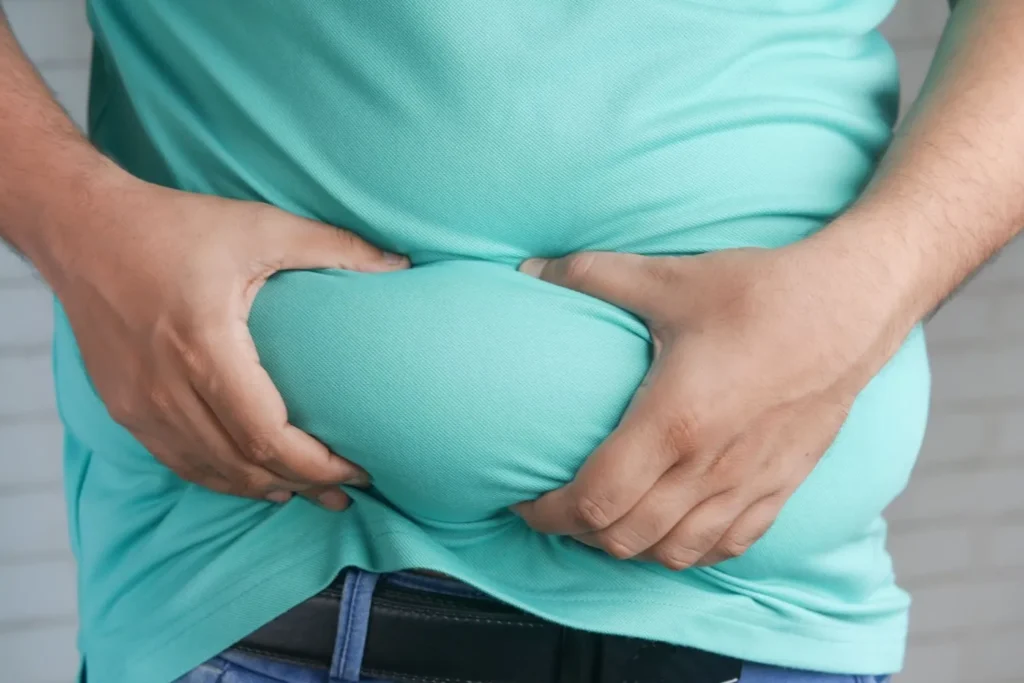
Knowing how stress affects your diet and weight explains a lot of behaviour that feels like a personal failing. One person skips lunch for three days during appraisal season, another finishes a packet of bhujia at midnight before a deadline, and both are reacting to the same hormone surge. This guide covers what stress does to appetite, digestion and belly fat, what a stressful week of eating can look like in an Indian kitchen, and when to get help.
How does stress change what you eat and how much you weigh?
Short bursts of stress usually switch appetite off, while weeks of ongoing stress tend to raise cravings for sugary, salty, fried food and cut sleep and cooking time. Over months this can add roughly a few kilos, often around the waist, but some people lose weight instead. Your pattern depends on your body, not your willpower.
Stress acts on four levers at once: appetite hormones, digestion, sleep, and the time you have to cook. Weight shifts when two or three move together, which is why a single trick, such as a detox tea, rarely fixes it.
Why does cortisol put weight on around the belly?
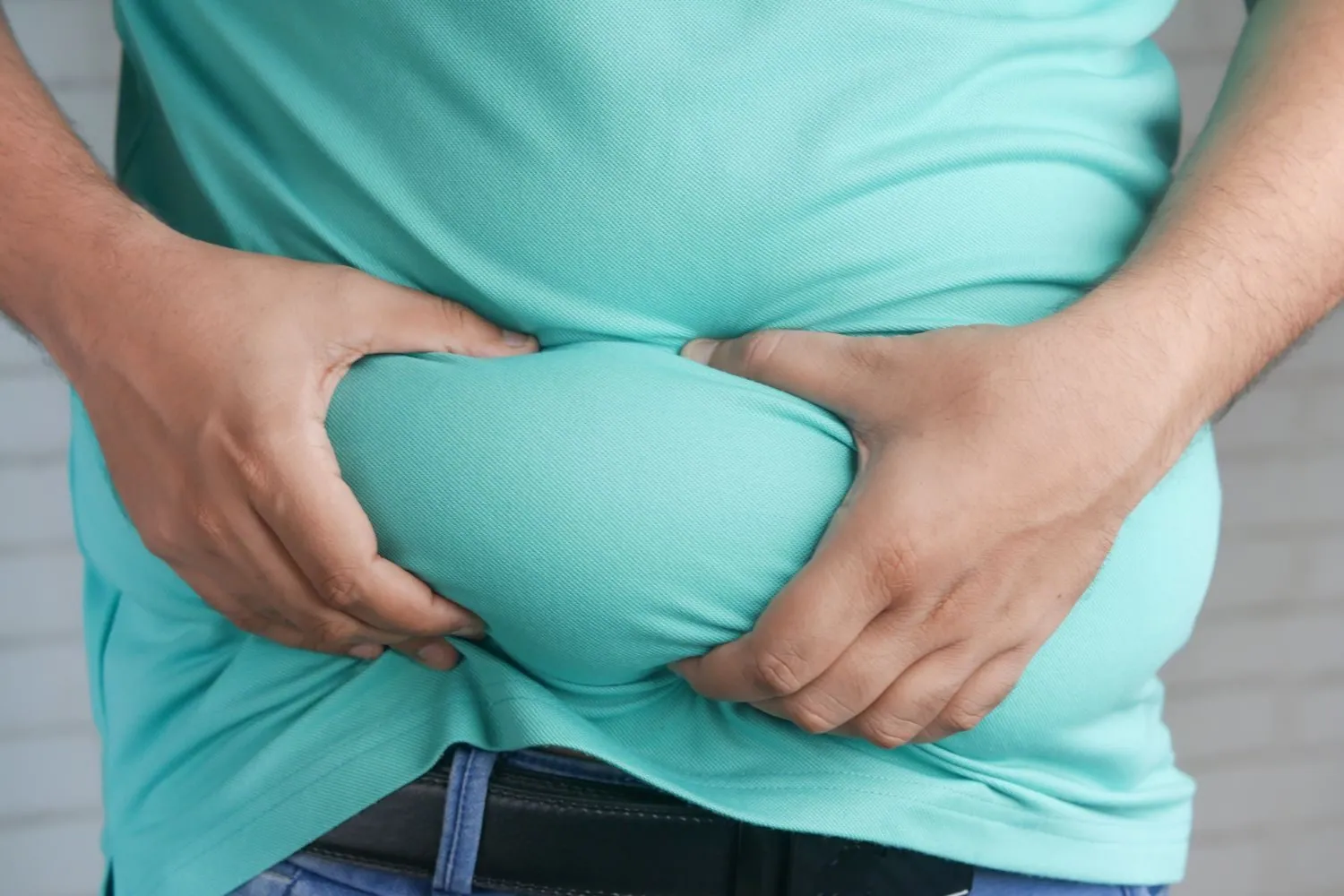
Cortisol is the main stress hormone. When it stays high for weeks, it raises blood sugar, increases appetite for energy-dense food and encourages the body to store fat deep inside the abdomen. Stress alone does not create fat from nothing: extra calories, poor sleep and low movement usually do the heavy lifting alongside it.
In a short emergency, cortisol is useful. It releases stored sugar so you can react, and it sharpens focus. The trouble starts when the emergency never ends: a long commute, a demanding boss, caregiving at home, exam pressure. The body keeps sending the signal to refuel, so you feel hungrier, and you tend to want fast energy such as sweets, chai with sugar, fried snacks and white bread.
Fat stored around the abdominal organs, called visceral fat, is more sensitive to cortisol than fat stored on the hips or thighs. Many people notice a “stress belly” while their arms and legs look unchanged. You cannot burn fat from one spot, so the useful levers are sleep, food quality, steady movement and lower baseline stress. If your cycles, mood or energy also feel off, read about the signs of hormonal imbalance in women, because cortisol rarely changes alone.
Acute vs chronic stress: what changes in your body and plate
The table below compares a short, sharp stressor with stress that drags on for weeks. Most people live in the right-hand column without noticing, because each day feels only slightly worse than the last.
| What changes | Acute stress (hours to a day) | Chronic stress (weeks to months) |
|---|---|---|
| Appetite | Often drops; you forget to eat | Often rises, or swings between none and a lot |
| Cravings | Few | Sweet, salty and fried food, usually in the evening |
| Digestion | Knotted stomach, urgency, nausea | Bloating, acidity, constipation or loose motions |
| Sleep | One bad night | Short or broken sleep for weeks, which raises hunger |
| Cooking and planning | Unaffected | More ordering in, skipped meals, less dal-sabzi at home |
| Weight over time | Little change, sometimes a small dip | Gain, loss or a shift toward the belly |
Does stress make you eat more or less?
Both happen. Acute stress often suppresses appetite for a few hours because the body redirects energy away from digestion. Ongoing stress more often increases hunger and cravings over days and weeks. Roughly speaking, the same person can skip breakfast during a crisis and overeat at night once the pressure eases, so weight can drift either way.
Losing weight under stress is not a bonus: eating too little for weeks brings low energy, irritability and later rebound eating. Aim for a steady rhythm. If your main problem is the urge to eat when emotional, our guide on how to stop stress eating covers the in-the-moment techniques, and this article stays with the bigger picture.
Myth check: is stress eating just a lack of willpower?
No. Stress eating is partly biological: stress hormones, short sleep and low blood sugar all push you toward quick energy. Willpower is also a limited resource late in a hard day. Redesigning your environment and meal timing works far better than trying to resist harder.
Two related myths are worth correcting:
- “Stress makes everyone fat.” It does not. Plenty of people lose weight under stress, and many see no change at all.
- “A herbal tea or detox drink lowers cortisol.” No drink resets your stress hormones. Sleep, regular meals and movement are the dependable tools.
Why does stress upset your digestion?
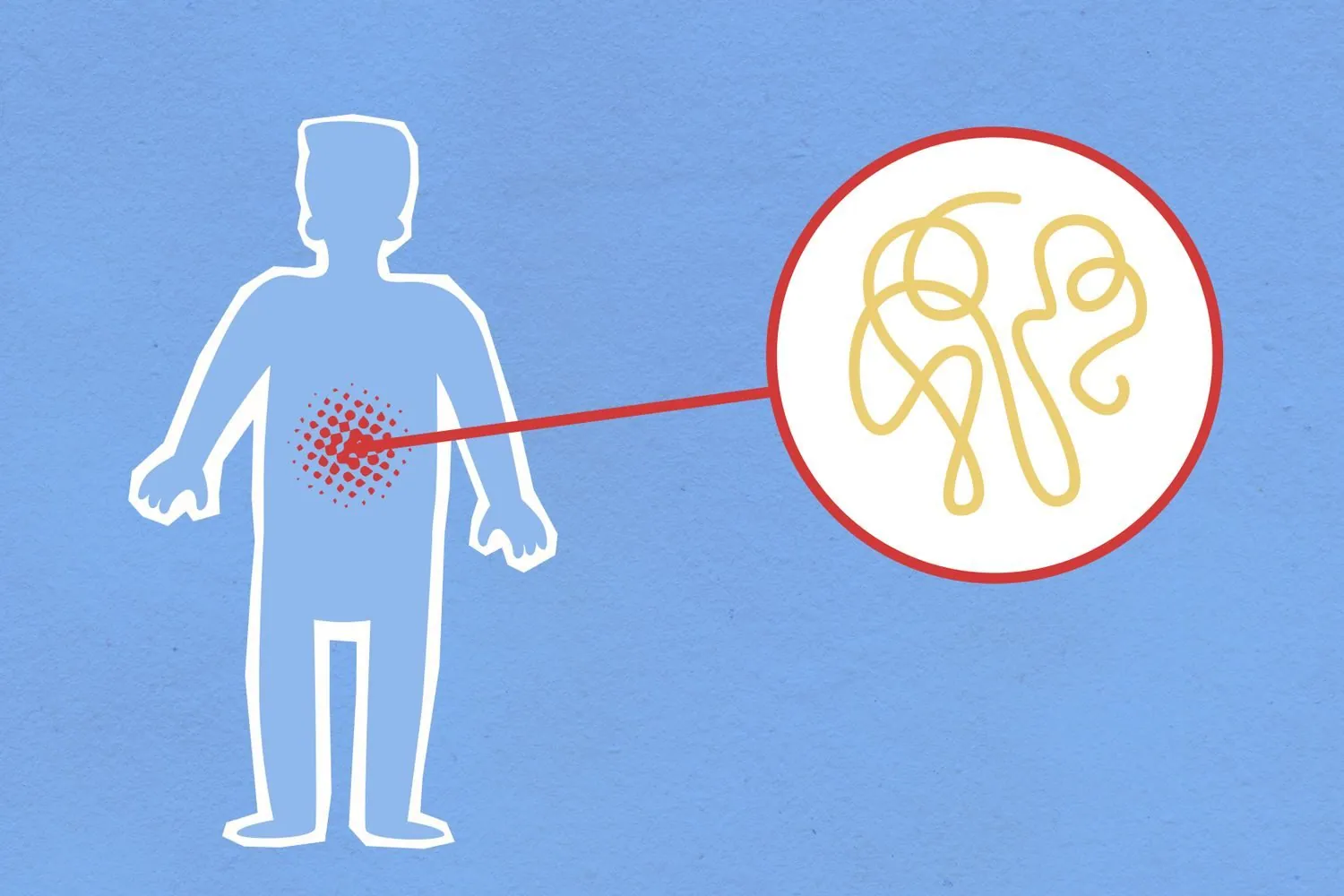
Your gut and brain talk constantly through nerves and hormones, so stress changes how fast food moves, how sensitive the gut feels and how much acid you notice. The result can be acidity, bloating, cramps, constipation or loose motions, even when you eat the same food you always do.
A fussy gut can quietly change your diet. You start avoiding foods, eating small portions out of caution or skipping meals, and over weeks the variety on your plate shrinks. If you notice that happening, add gentle foods back rather than cutting more out. Curd or buttermilk, banana, khichdi, cooked vegetables and soaked oats are usually easy to tolerate. Our list of foods that help reduce stress and anxiety is a practical place to start.
Why does stress make healthy eating so hard to plan?
Stress drains time and mental energy, the two things meal planning needs. When you are overloaded, deciding what to cook feels like one decision too many, so you default to delivery apps, biscuits and instant noodles. That is a tired brain, not a character flaw, and defaults fix it.
Short sleep makes this worse, because it raises hunger and weakens impulse control around food. See how sleep affects weight loss for the sleep side of the story. A few low-effort defaults help:
- Two default dinners. For example, dal with rice and a sabzi, or vegetable khichdi with curd. No thinking required on bad days.
- One protected meal. Choose breakfast or dinner as the meal you always eat properly, whatever the day does.
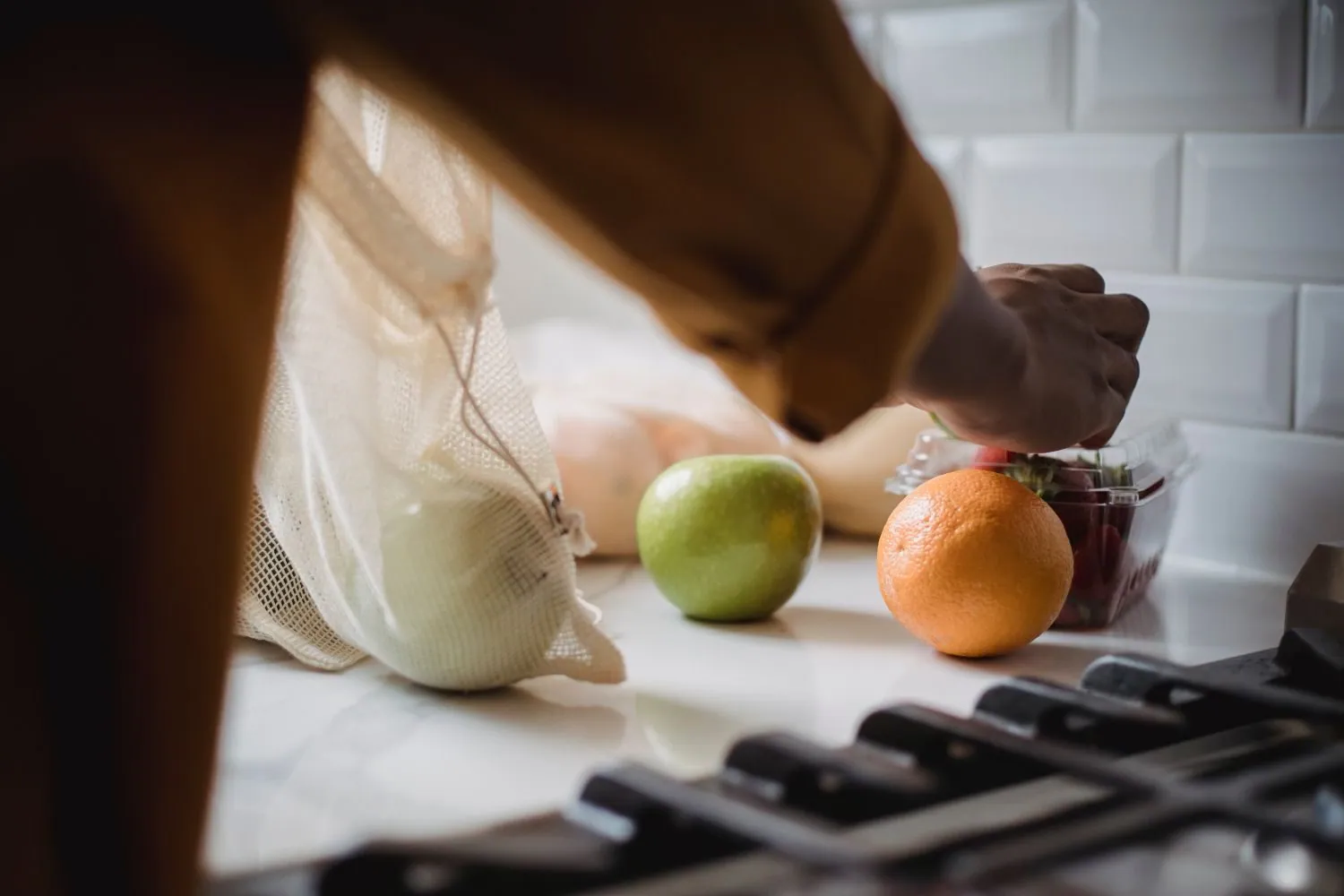
- A snack shelf. Stock roasted chana, makhana, peanuts, fruit and a tub of curd so the easy option is also a decent one.
A five-day eating plan for a stressful work week
This is a walkthrough, not a weight-loss diet. It is built to keep blood sugar steady, protect protein and fibre, and keep cooking effort low. Portions are approximate, so adjust them to your hunger and your doctor’s advice. For a full calorie-targeted plan, see our Indian diet for weight loss guide.
| Day | Breakfast | Lunch | Evening snack | Dinner |
|---|---|---|---|---|
| Mon | 2 moong dal chillas with mint chutney | 2 rotis, 1 bowl dal, sabzi, cucumber salad | 30 g roasted chana | Vegetable khichdi with a small bowl of curd |
| Tue | Vegetable poha with a handful of peanuts | 1 cup rice, rajma, salad | 1 guava or apple | 2 rotis, paneer bhurji (about 60 g paneer) |
| Wed | 2 eggs or besan omelette, 1 slice multigrain toast | 2 rotis, chicken or soya curry, salad | Buttermilk and 20 g makhana | Dal soup, sauteed vegetables, 1 roti |
| Thu | Overnight oats with banana and curd | 1 cup rice, sambar, beans poriyal | A small handful of mixed nuts | Vegetable upma with a bowl of curd |
| Fri | Idli (2 to 3) with sambar | 2 rotis, chole, onion-tomato salad | Roasted chana or sprouts chaat | Light khichdi or soup with 1 roti |
Aim for roughly 20 to 30 g of protein at each main meal, and keep your last tea or coffee at least 6 hours before sleep.
Swap table: common stress cravings and a steadier option
You do not need to ban comfort food. The aim is to take the edge off the craving with something that also gives protein or fibre. Calorie figures are rough averages and vary by brand and portion.
| Stress craving | About kcal | Steadier swap | About kcal | Why it helps |
|---|---|---|---|---|
| 1 samosa | 250 | 30 g roasted chana | 110 | About 6 g protein, crunchy, fills you up |
| 30 g bhujia or namkeen | 160 | 30 g roasted makhana | 105 | Light, crunchy, easy to portion |
| 1 packet instant noodles | 350 | Vegetable khichdi, 1 bowl | 200 to 250 | Dal adds protein; vegetables add fibre |
| Late-night sweets (2 pieces) | 300 or more | 1 banana with 10 almonds | 150 to 170 | Natural sweetness plus fat and fibre |
Troubleshooting: when your appetite or weight still feels off
If stress has eased but your eating has not settled, check the usual culprits in this order: sleep, meal gaps, protein, caffeine and movement. Fix one at a time over about two weeks.
- Night-time raids on the kitchen. Usually a sign of too little food earlier. Add protein at lunch and a proper evening snack before dinner.
- No appetite till afternoon. Start with something small, such as curd with fruit or a glass of milk, and build up to a full breakfast over a week.
- Acidity or bloating after every meal. Eat smaller portions more often, slow down, and avoid lying down right after dinner.
Weight put on during a hard period can usually come off once routines recover, but it tends to lag behind the stress itself and should be approached gradually, roughly 0.25 to 0.5 kg a week, with no crash dieting. If you want a food-first approach to supporting recovery, our hormone-balancing diet guide is a good next read.
Stress and eating for students, professionals and caregivers
The pressure looks different at each stage of life, so the fix does too. Use whichever row of advice matches your week.
- Students and exam seasons: Keep fruit, roasted chana and a water bottle at your study table. Do not replace dinner with tea and biscuits.
- Working professionals: Pack lunch two days a week instead of aiming for five. Set a phone reminder to eat.
- New parents and caregivers: Broken sleep raises cravings, so keep one-hand snacks ready, such as banana, boiled eggs and nuts.
Movement helps all four groups. Gentle activity such as brisk walking, online yoga classes or a guided online weight loss trainer programme can lower baseline stress and make sleep easier, which in turn calms appetite.
When to talk to a doctor or dietitian
See a doctor or registered dietitian if you lose or gain several kilos without meaning to over a couple of months, have persistent acidity, pain or changes in bowel habits, feel low or anxious most days, or notice irregular periods, severe fatigue or hair fall. Stress can be the cause, but these signs can also come from thyroid, anaemia, PCOS or gut conditions that need proper testing. If food feels frightening or you feel out of control around it, get professional support early. Do not start or stop any medicine on your own because of anything you read here.
Frequently asked questions
Does stress always cause weight gain?
No. Stress can lead to weight gain, weight loss or no change at all. Short-term stress often reduces appetite, while ongoing stress more often increases cravings, reduces sleep and shifts weight toward the belly over weeks to months. Your result depends on your body, habits and how long the stress lasts.
Why do I crave sugar and fried food when I am stressed?
Stress hormones raise your drive for quick energy, and sugary or fried food delivers it fastest. Poor sleep and long gaps between meals make the pull stronger. Eating protein at every meal and keeping a planned evening snack usually reduces these cravings within one to two weeks.
Can stress cause belly fat?
Yes, it can contribute. Ongoing high cortisol favours fat storage around the abdominal organs, and stress-related habits such as late snacking and poor sleep add to it. You cannot spot-reduce belly fat, so focus on sleep, regular meals, daily walking and strength work.
Why do I lose my appetite when I am stressed?
Acute stress triggers the fight-or-flight response, which diverts energy away from digestion and dulls hunger. It is common and usually temporary. Eat small, easy meals such as khichdi, curd rice, banana or soup on a schedule, even without hunger, so you do not rebound with a huge meal later.
How long does it take to recover after a stressful period?
Appetite and digestion often start settling within days to a few weeks of the stress easing, while weight and habits take longer. Expect about four to eight weeks of steady sleep, regular meals and movement before things feel normal. If nothing improves, see a doctor or dietitian.
If stress is steering your eating and you want a plan built around your schedule and food preferences, book an online nutritionist consultation with Fitstrot and start with one protected meal this week.


