

The most common signs of hormonal imbalance in women are irregular or missed periods, unexplained weight change, constant tiredness, mood swings, jawline acne, unusual hair thinning or growth, and broken sleep. No single sign tells you which hormone is off. Think of this guide as a map that tells you when to book a doctor, not a tool for self-diagnosis.
What are the signs of hormonal imbalance in women?
Common signs include cycles shorter than 21 days or longer than 35 days, weight changes without a change in food or activity, tiredness that rest does not fix, anxiety or low mood, adult acne, hair changes, and night sweats. One sign is rarely meaningful. Two or three together, lasting over 2 to 3 months, deserve a blood test.
Hormones are chemical messengers made by the ovaries, thyroid, adrenal glands and pituitary. A hormonal imbalance simply means one of them is too high, too low, or not being “heard” properly by the body. It is a description, not a diagnosis, and it sits underneath many different conditions. The table below is the quick version.
| Sign | What it looks like | Hormones often involved | Worth a doctor visit when |
|---|---|---|---|
| Cycle changes | Gaps over 35 days, cycles under 21 days, missed periods, very heavy bleeding | Estrogen, progesterone, androgens, thyroid | 3 or more cycles in a row are off, or you skip 3 periods |
| Weight change | Gradual gain with cold sensitivity, or weight loss with a racing heart | Thyroid, cortisol, insulin | Change of 3 to 5 kg or more with no change in routine |
| Fatigue | Tired even after 7 to 8 hours in bed | Thyroid, estrogen, progesterone | It lasts beyond 3 to 4 weeks or comes with other signs |
| Mood shifts | Irritability, anxiety, low mood, tearfulness | Estrogen, progesterone, thyroid | Mood affects work, relationships or daily life |
| Skin and hair | Chin and jawline acne, scalp thinning, coarse hair on face or chest | Androgens, thyroid | Acne is deep or persistent, or new coarse hair keeps appearing |
| Sleep and heat | Night sweats, hot flashes, waking at 2 to 3 am | Estrogen, progesterone, thyroid | Sleep is broken most nights for a month |
Are irregular periods a sign of hormonal imbalance?
Often yes. A typical cycle runs 21 to 35 days, and one late month after travel, illness or stress is normal. Repeated cycles outside that range, missed periods, or unusually heavy bleeding suggest something hormonal, commonly PCOS, a thyroid problem, or perimenopause, and are worth checking with a gynaecologist.
Irregular cycles are the hallmark of PCOS, a very common condition in Indian women of reproductive age. PCOS usually shows up as a mix of irregular periods, signs of high androgens (acne, extra facial or body hair) and sometimes polycystic-looking ovaries on ultrasound. You do not need every feature to be diagnosed, which is why it is often found late. If your cycle is the main concern, our page on the hormone balancing diet covers the food side once a doctor has ruled out anything serious.
A very late period when you could be pregnant, or bleeding that soaks a pad every hour for several hours, is not “just hormones” and needs prompt medical attention.
Can hormones cause weight changes, fatigue and poor sleep?
Yes. An underactive thyroid slows metabolism and can cause gradual weight gain, tiredness, dry skin and feeling cold. An overactive thyroid does the opposite. High cortisol from long-term stress can raise cravings and belly fat, and falling estrogen in your late 40s can fragment sleep through night sweats.
The key word is “unexplained”. If you have been eating more or moving less, the scale is probably telling the truth. But if weight climbs by a few kilos over 2 to 3 months with no change in routine, and you also feel flat and cold, thyroid testing is sensible. The link between chronic stress, appetite and belly weight is covered in how stress affects your diet and weight.
Fatigue is the sign that fits almost everything, which makes it a weak clue on its own. Iron deficiency, low vitamin B12 (common in vegetarians), poor sleep and overwork all cause it too. Doctors therefore look at tiredness together with your other signs and your blood results, not as a stand-alone red flag.
Sleep and hormones also feed each other. Poor sleep raises cortisol and appetite the next day, while hormonal shifts break sleep in the first place. If broken nights are your main problem, how sleep affects weight loss explains why it matters beyond feeling tired.
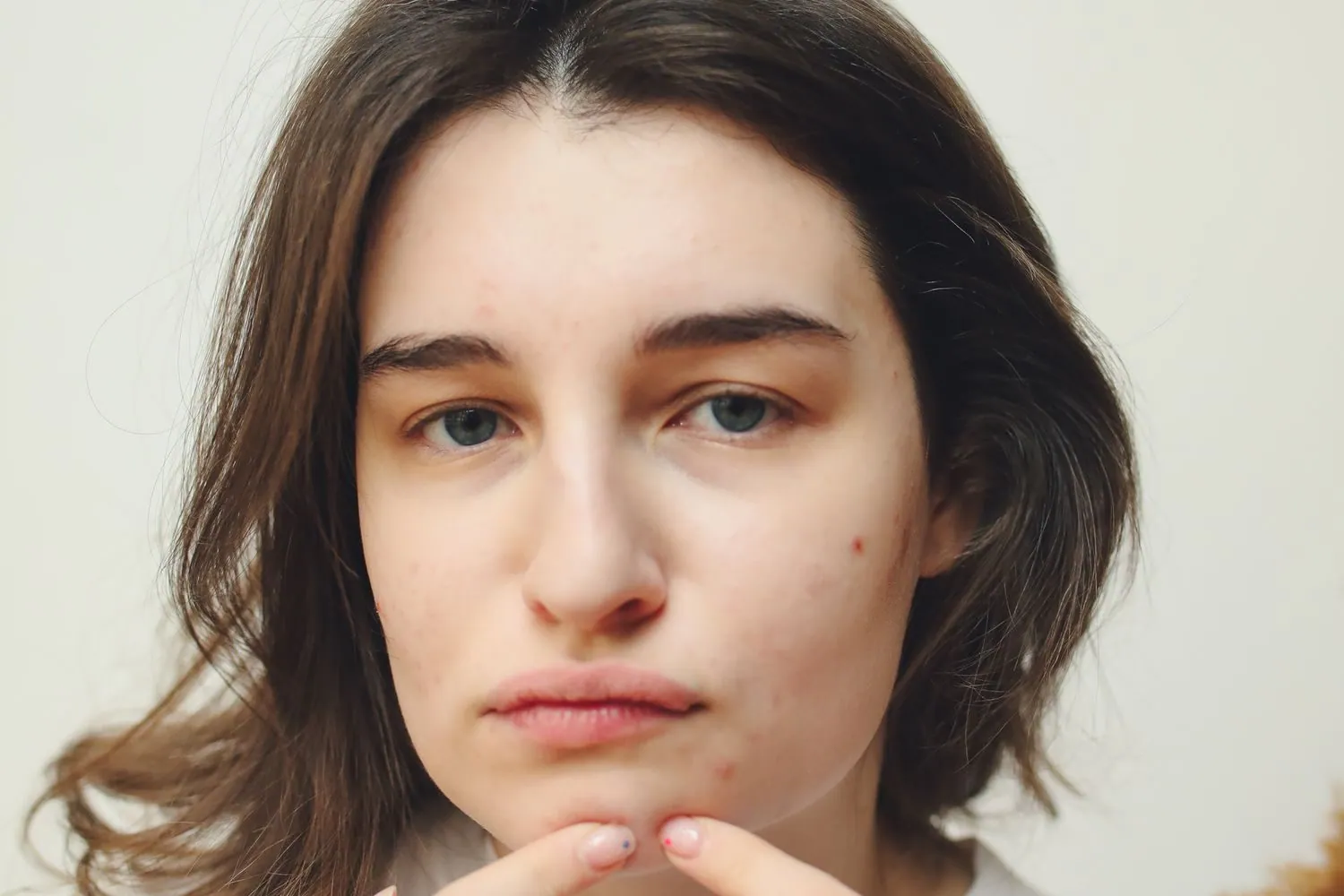
Which skin, hair and mood changes point to hormones?
Acne that appears or persists in adulthood along the chin and jawline, thinning hair on the scalp, and new coarse hair on the face, chest or back are the classic androgen-related changes. They are common with PCOS. Mood changes such as anxiety, irritability or low mood can come from estrogen, progesterone or thyroid shifts.
Scalp thinning together with extra hair growth elsewhere is a more telling pattern than either alone, because it points toward androgens rather than a single local cause. Still, skin and hair have plenty of non-hormonal triggers: new skincare or hair products, genetics, crash diets, iron deficiency and some medicines.
Mood needs care. Hormonal swings are real, especially before periods, after childbirth and in perimenopause, and hypothyroidism can look very like depression. But low mood has many causes, so do not wait for a blood report if you feel hopeless or unsafe. Talk to a doctor or a mental health professional promptly.
Myth check: what hormonal imbalance is not
- Myth: bloating and a bad week mean your hormones are “off”. Mild cyclical bloating, cravings and irritability before a period are normal fluctuation, not a disorder.
- Myth: a detox tea or a herbal powder “resets” hormones. No tea resets a thyroid problem or PCOS. Some herbal products also interfere with medicines or thyroid tests, so check with your doctor first.
- Myth: you can diagnose yourself from symptoms. Fatigue, weight gain and acne overlap across at least five conditions. Only testing narrows it down.
Which conditions most often sit behind these signs?
Three causes account for most cases: PCOS in reproductive years, thyroid disorders at any age, and the perimenopause transition from roughly the mid-40s. Only testing tells them apart.
| Condition | Typical life stage | Signs you may notice | Usual first step |
|---|---|---|---|
| PCOS | Teens to late 30s | Irregular periods, acne, extra hair growth, weight gain around the middle, trouble conceiving | Gynaecologist visit, ultrasound and hormone blood tests |
| Underactive thyroid | Any age, more common in women | Tiredness, weight gain, feeling cold, dry skin, constipation, heavy or irregular periods | Thyroid blood test (TSH, often with T3 and T4) |
| Perimenopause | Mid-40s onwards, sometimes earlier | Changing cycles, hot flashes, night sweats, broken sleep, mood swings | Gynaecologist consultation, symptom log |
How to track your symptoms for 3 months before the appointment
A simple log is often more useful to a doctor than saying “I think my hormones are off”. Write down period start dates and flow, sleep hours, energy, mood, skin changes and weight once a week. Three months of notes shows patterns that a single visit cannot.
- Use a notes app or a small diary. Mark day 1 of every period.
- Rate energy and mood from 1 to 5 each evening, which takes under a minute.
- Note sleep time, wake time and night sweats.
- Weigh once a week, same time, same scale. Add waist in cm monthly.
- List every medicine and supplement, including herbal ones.
| What to record | How often | Why the doctor wants it |
|---|---|---|
| Period dates, flow, clots | Every cycle | Shows cycle length and heaviness |
| Sleep hours and night sweats | Daily | Separates perimenopause and thyroid patterns |
| Energy and mood (1 to 5) | Daily | Reveals premenstrual or all-month patterns |
| Weight and waist | Weekly and monthly | Shows real trend, not day-to-day noise |
What tests will a doctor usually order?
Doctors usually start with a thyroid panel (TSH, sometimes T3 and T4), a blood count, and, depending on your signs, reproductive hormones such as prolactin, LH, FSH and testosterone. Blood sugar and vitamin B12 or vitamin D may be added. Exact tests depend on your history.
Ask the clinic which cycle day to test. Do not start or stop thyroid or other medicine on your own, and do not self-prescribe supplements based on a reading you found online.
Troubleshooting: your reports are normal but you still feel off
This is common and frustrating. A normal report means the tested hormones were in range on that day, not that your symptoms are imagined. Iron, B12 and vitamin D, sleep debt, stress and a heavy workload can cause the same signs. Retest if symptoms persist, and share your log.
- Check the basics first: ferritin (iron stores), B12 and vitamin D are often low in Indian women and cause fatigue and hair fall.
- Ask about timing: if a test was done on the wrong cycle day, ask whether it should be repeated.
- Look at sleep and stress honestly. Under 6 hours a night for weeks can mimic a thyroid problem.
Signs by life stage: teens, 20s to 30s, after pregnancy, 40s and beyond
Teens: Cycles can take 1 to 2 years after the first period to settle. After that, very irregular periods, heavy acne or rapid hair growth are worth a check. 20s to 30s: PCOS and thyroid problems are the usual suspects, and difficulty conceiving often brings women to testing. After pregnancy: Postpartum thyroid changes, hair shedding and low mood are common, and persistent symptoms beyond a few months deserve a visit. 40s and beyond: Cycle changes, hot flashes and night sweats usually mean perimenopause, which can last several years before periods stop for 12 months. In India the average age of menopause is often cited in the late 40s, and symptoms may begin earlier.
When should you see a doctor urgently?
Seek prompt care for very heavy bleeding, severe pelvic pain, no period for 3 months when you are not pregnant, sudden severe headaches with vision changes, a lump or swelling in the neck, a very fast heartbeat with chest pain, or any thoughts of self-harm. These are not signs to wait out while you “try diet changes”.
See your doctor or a registered dietitian if you are on thyroid medicine, hormonal contraception, diabetes medicine or supplements, before changing your diet or exercise in a big way. Nothing here replaces medical advice, and no food or workout is guaranteed to correct a hormone disorder.
What can lifestyle realistically do?
Lifestyle will not cure PCOS or a thyroid disorder, but it supports treatment and eases many signs. Aim for 7 to 8 hours of sleep, roughly 150 minutes of moderate movement a week, protein at each meal, plenty of vegetables and fibre, and fewer sugary drinks. Always follow your doctor’s treatment first.
A practical Indian plate is half vegetables, a quarter dal, paneer, curd, eggs or fish, and a quarter roti or rice, with a small portion of ghee or oil. Our guide on yoga for hormonal imbalance lists beginner-friendly sequences, and women’s nutrition covers iron, calcium and protein needs. If weight is part of your concern, nutrition for weight loss explains how to eat in a sustainable deficit once your doctor says it is safe.
If you want a plan built around your reports, a Fitstrot online nutritionist consultation turns your doctor’s guidance into daily Indian meals, and our online weight loss trainer programme adds structured exercise.
Frequently asked questions
Can stress alone cause hormonal imbalance symptoms?
Yes, it can contribute. Long-term stress raises cortisol, which can disturb sleep, appetite and menstrual cycles. But persistent cycle changes or other signs should still be tested, because stress can hide a thyroid problem or PCOS. Treat stress and get checked together.
How long should irregular periods last before I see a doctor?
See a doctor if your cycles are outside 21 to 35 days for 3 months in a row, you miss 3 periods, or bleeding is very heavy. Do not wait if you could be pregnant, have severe pain, or are bleeding between periods.
Can hormonal imbalance be diagnosed with a home test?
No. Home kits and apps can show patterns, but diagnosis needs a doctor, a clinical history and usually blood tests, sometimes an ultrasound. Use home tracking to prepare for the appointment, not to replace it.
Is acne always a sign of a hormonal problem?
No. Teen acne, products, humidity, genetics and medicines all cause acne. Hormones are more likely when acne is on the chin and jawline in adulthood, flares before periods, or comes with irregular cycles and extra hair growth.
Does diet alone fix a hormonal imbalance?
Usually not. Diet, sleep and exercise help your body respond better and ease symptoms, but conditions such as hypothyroidism often need medicine from a doctor. Treat food as support for medical care, not a replacement.
Next step: Start your 3-month symptom log tonight, then book a Fitstrot nutritionist consultation to plan meals around your doctor’s advice.


