
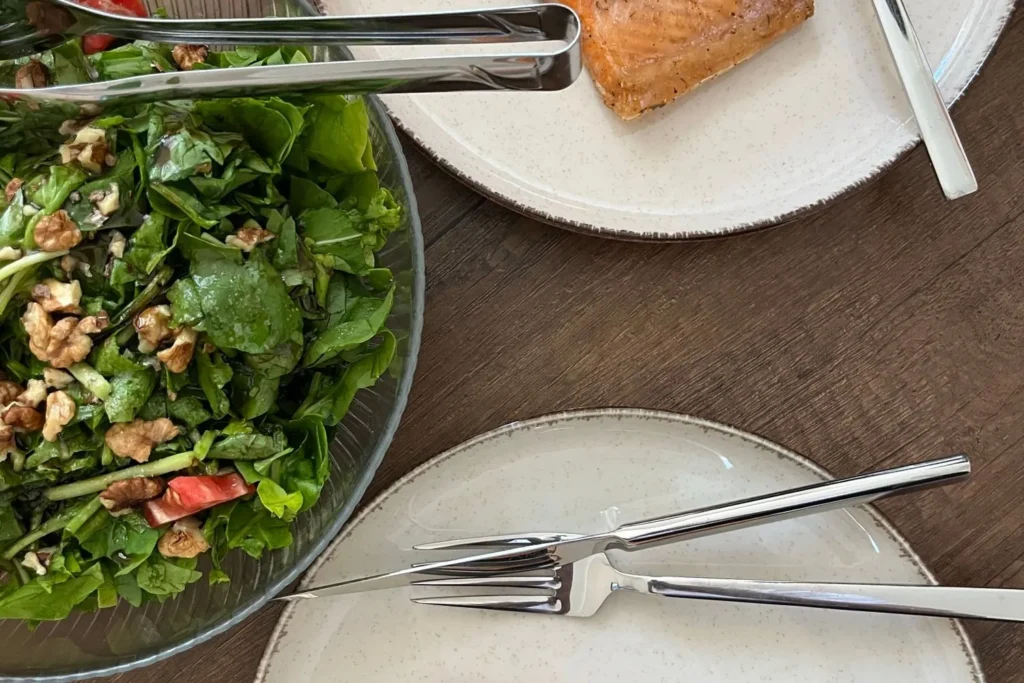
The best foods to reduce stress and anxiety are the ones that keep your blood sugar steady and your body well supplied with a few key nutrients: oily fish or walnuts and flaxseed for omega-3 fats, spinach, pumpkin seeds and almonds for magnesium, curd and other fermented foods for your gut, whole grains such as oats and ragi, and vitamin C fruits like guava, amla and oranges. Food supports how your body handles stress. It does not treat an anxiety disorder, and no single food calms you down on its own.
Please read this first: if anxiety is persistent, keeps coming back, or interferes with your sleep, work, studies or relationships, speak to a doctor or a mental health professional. Eating well is a useful part of the picture, never a replacement for proper care.
Which foods help most with stress and anxiety?
Foods that help with stress and anxiety fall into five groups: omega-3 sources (fatty fish, walnuts, flaxseed), magnesium sources (leafy greens, seeds, nuts, legumes), fermented foods (curd, chaas, idli batter), slow-release whole grains (oats, ragi, jowar), and vitamin C fruits and vegetables. Eating from most groups across a week matters more than any one meal.
| Food group | What it offers | Indian examples | Usual serving |
|---|---|---|---|
| Omega-3 foods | Fats your brain cells use; calming effect on inflammation | Mackerel (bangda), sardine (mathi), salmon, walnuts, flaxseed (alsi), chia | Fish about 100-150 g, twice a week; 4-5 walnut halves or 1 tsp ground flaxseed daily |
| Magnesium foods | A mineral involved in nerve and muscle function and the stress response | Palak, methi, pumpkin seeds, almonds, cashews, rajma, chana | 1 bowl cooked greens; a small handful (about 20-30 g) of nuts or seeds |
| Fermented foods | Live cultures that support gut bacteria | Dahi, chaas, homemade idli or dosa, kanji | 1 bowl curd or 1 glass chaas daily |
| Slow-release carbs | Steady glucose and a steadier mood between meals | Oats, ragi, jowar, bajra, dalia, brown rice, whole wheat roti | About half your plate at meals, mixed with dal or sabzi |
| Vitamin C foods | Antioxidant that the adrenal glands use heavily | Amla, guava, orange, lemon, capsicum, tomato, papaya | 1-2 fruits a day, plus vegetables at lunch and dinner |
| Protein foods | Amino acids, including tryptophan, used to make mood-related chemicals | Dal, paneer, eggs, curd, soy, chicken, fish | A palm-sized portion at each main meal |
These anti-anxiety foods come from nutritional psychiatry, which is promising but still young, so treat this as a sensible eating pattern, not a prescription.
How do omega-3 fats fit into foods that reduce anxiety?
Omega-3 fats, mainly EPA and DHA from oily fish, are building blocks of brain cell membranes and have anti-inflammatory effects. Eating oily fish about twice a week, roughly 100-150 g each time, is a practical target. Vegetarians can use walnuts, flaxseed and chia, though the body converts these plant omega-3s less efficiently.
Research on omega-3 and anxiety is encouraging but mixed, so keep expectations modest. The practical case for these foods is strong anyway, because they are good for your heart too. Grill or lightly pan-cook fish with haldi and pepper rather than deep-frying it. Vegetarians can add ground flaxseed to atta, raita or smoothies. Ask your doctor before taking an omega-3 supplement, especially if you use blood thinners.
Does magnesium really help with stress?
Magnesium is a mineral involved in nerve signalling, muscle relaxation and the body’s stress response. Many people eat less of it than they should. Getting it daily from palak, seeds, nuts and legumes is a safe first step, though results vary and food alone will not remove anxiety.
Good Indian sources include palak, methi, pumpkin seeds, almonds, cashews, rajma and chana. A bowl of palak dal, a handful of mixed nuts as an evening snack and a chana chaat cover plenty of ground.
Poor sleep makes you more reactive to stress, and stress worsens sleep, so see foods that help you sleep better and how a hormone-balancing diet relates to your stress hormones. Skip magnesium tablets unless a doctor advises them.
Can curd and fermented foods calm anxiety?
Fermented foods such as curd, chaas, idli and kanji support a diverse gut microbiome, and your gut and brain communicate constantly through nerves, hormones and immune signals. Early research on gut health and anxiety suggests this link may influence mood, but the evidence is not settled. Daily curd or chaas is a low-risk habit.
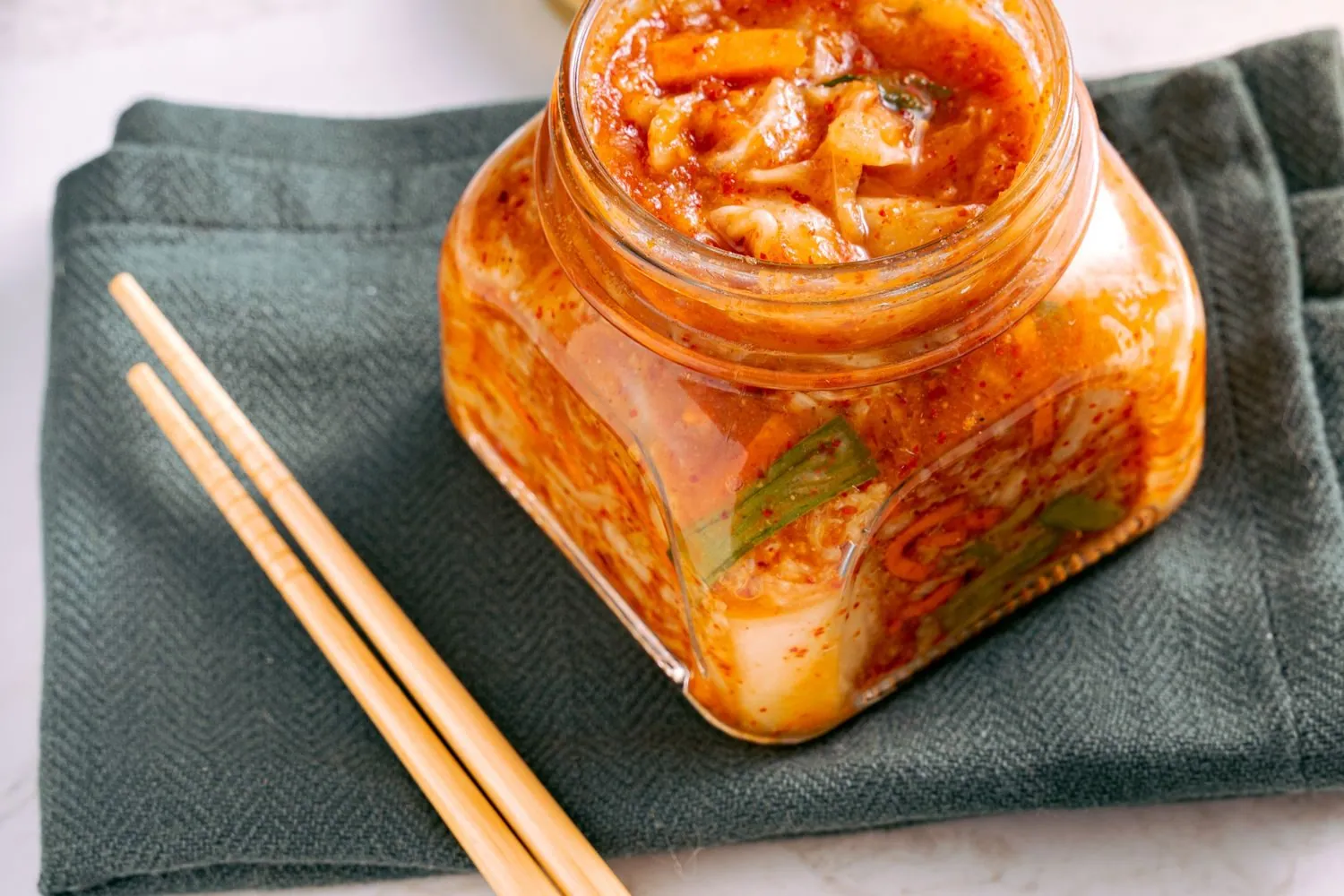
Treat fermented food as a supporting player. Choose plain, unsweetened curd, since flavoured yogurts often carry a lot of added sugar. If you have a sensitive gut or a digestive condition, add fermented foods gradually and ask a dietitian for guidance.
Why do whole grains and slow-release carbs steady your mood?
Whole grains such as oats, ragi, jowar and brown rice release glucose slowly, which helps avoid the sharp sugar rise and crash that can feel like anxiety: shakiness, irritability, a racing heart and trouble concentrating. Pairing carbohydrates with dal, curd, paneer or eggs slows digestion further and keeps energy even for several hours.
Many Indian meals already follow this logic: ragi porridge, vegetable poha with peanuts, besan chilla with curd, or roti with dal and sabzi. Regular meals every 3-4 hours are calmer than long gaps followed by biscuits and namkeen.
Maida, white bread, packaged biscuits and sweet drinks do the opposite for many people. Understanding how stress affects your diet and weight can help you spot why cravings spike when you are under pressure.
Does vitamin C matter for stress?
Vitamin C is an antioxidant, and the adrenal glands, which release stress hormones, hold some of the highest amounts in the body. Eating vitamin C foods daily is sensible: amla, guava, oranges, lemon, capsicum and tomato are all affordable. They will not erase stress, but they are a simple, low-risk addition to your plate.
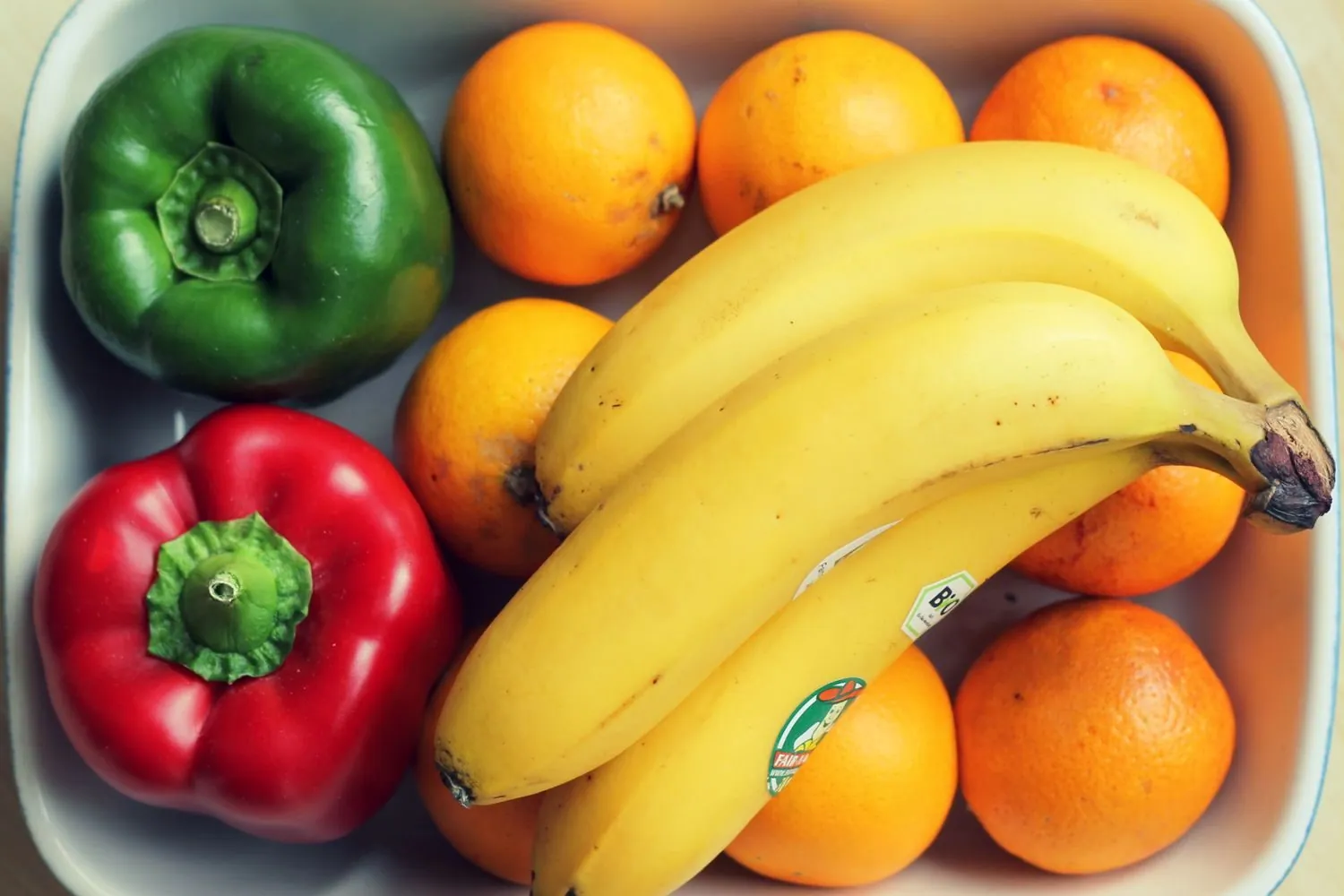
Guava and amla are particularly rich and affordable. Add lemon to dal, capsicum to poha or pulao, and keep a fruit at your desk. Vitamin C is easy to get from a normal Indian diet, so there is rarely a reason to buy high-strength tablets for stress.
What does a day of calmer eating look like?
A calmer day of eating has three meals and two small snacks, each with protein and a slow-release carb, plus fermented food and a vitamin C fruit or vegetable. If you wonder what to eat when anxious, this vegetarian-friendly example is a starting point; adjust portions to your appetite and swap in fish or eggs if you eat them.
| Time | Meal | Example | Why it helps |
|---|---|---|---|
| 7:30 am | Breakfast | Besan chilla or vegetable oats with curd, plus a guava or orange | Protein and slow carbs; vitamin C fruit |
| 11:00 am | Mid-morning snack | A small handful of almonds and walnuts, or chaas | Magnesium and omega-3; fermented drink |
| 1:30 pm | Lunch | 2 rotis (or 1 cup brown rice), dal, palak sabzi, salad with lemon, 1 bowl dahi | Balanced plate with greens and curd |
| 5:00 pm | Evening snack | Roasted chana or pumpkin seeds with a cup of tea (not too strong) | Steady energy; limited caffeine |
| 8:00 pm | Dinner | Grilled fish or paneer, mixed vegetables, 1-2 rotis or ragi roti | Omega-3 or protein; lighter on the stomach |
Follow the pattern, not the exact menu: regular meals, protein on every plate, plenty of plants, and limited caffeine and sugar.
Myths about food and anxiety
- Myth: the right diet for anxiety is one superfood. No single food does. The benefit comes from a steady pattern over weeks, not from walnuts or banana alone.
- Myth: sweets calm you down. A sugary snack may feel comforting for a short while, but the energy drop that follows can leave you more jittery.
- Myth: herbal kadhas and supplements are always harmless. Some interact with medicines. Check with your doctor first.
- Myth: a perfect diet means you do not need help. Anxiety has many causes, and food is only one piece.
What should you limit when you feel anxious?
When you feel anxious, limit heavy caffeine, large amounts of sugar and refined carbs, alcohol, and long gaps between meals. Staying within roughly two to three cups of tea or coffee a day, and less if you are sensitive, is a sensible starting point. Small swaps work better than strict bans.
| What to cut back | Why it can backfire | Easy swap |
|---|---|---|
| Strong chai, coffee, energy drinks | Can raise heart rate and make you feel jittery, especially on an empty stomach | Weaker tea, or herbal tea such as tulsi or chamomile; have it after food |
| Mithai, soft drinks, packaged biscuits | Quick sugar rise followed by a crash | Fruit with nuts, or a few dates with curd |
| Alcohol | May feel relaxing at first, but often worsens sleep and next-day anxiety | Nimbu pani, buttermilk or coconut water |
| Skipping meals | Low blood sugar can feel like panic or shakiness | Regular meals plus a planned snack |
What if these foods are not helping?
If these foods are not helping, check four things first: how long you have been consistent, whether you are eating regularly, how much caffeine and sugar you are still having, and how you are sleeping. Dietary changes usually take several weeks to show an effect, not days, and many people also need other support.
- Give it time, but track it. Note meals, sleep and mood for 3-4 weeks. Patterns often show up.
- Appetite has disappeared. Try small, frequent meals such as curd rice, banana with nuts or khichdi.
- You eat when overwhelmed. This is common, and it is a habit you can work on. Our guide to how to stop stress eating walks through it.
- You are doing everything right and still feel anxious. That is a signal to seek professional help, not a sign you have failed.
Movement and breathing also help many people alongside food. Gentle yoga for anxiety, a broader yoga for stress routine, or a lively session from our Zumba for stress relief guide can fit around your meals, and you can try live online yoga classes or online Zumba classes from home.
How should students, professionals and vegetarians eat for calm?
Students, working professionals and vegetarians can all eat for calm with small changes: regular meal times, a protein source at every meal, water close by, and snacks planned in advance.
- Students during exams: Skip the chai, Maggi and energy drink routine. Keep roasted chana, nuts and fruit handy, and eat a proper breakfast on exam days.
- Working professionals: A tiffin with roti, dal, sabzi and curd beats a vending-machine snack. Stop caffeine by mid-afternoon if it affects your sleep.
- Vegetarians: Lean on walnuts, flaxseed and chia for omega-3, and on dal, paneer, curd, soy and sprouts for protein. Add leafy greens and seeds for magnesium.
When should you talk to a doctor or mental health professional?
Talk to a doctor or mental health professional if anxiety lasts for weeks, affects your daily life, or comes with panic attacks, trouble sleeping, constant worry, physical symptoms such as a racing heart, or thoughts of harming yourself. Do not wait to see whether diet changes work first. If you are already on medication or therapy, continue it and do not change it because of anything you read about food.
A doctor can check for other causes, such as thyroid problems or anaemia, which can look like anxiety. Eating well and professional care work together. If you ever feel unsafe or at risk of harming yourself, contact your local emergency services or a trusted person immediately.
Frequently asked questions
How long do foods take to affect anxiety?
Expect weeks, not days. Steadier blood sugar from regular meals may help you feel more even within a week or two, but nutrient-related changes need consistent eating over roughly 4-8 weeks, and results vary from person to person.
Are chai and coffee making my anxiety worse?
They can, especially if you are sensitive to caffeine or drink them on an empty stomach. Caffeine can cause a racing heart and jitteriness that feel like anxiety. Try two to three cups a day, after food, and notice whether symptoms ease.
Should I take supplements instead of eating these foods?
Food comes first because it delivers fibre, protein and many nutrients together. Supplements can help if a doctor finds a deficiency, but they are not a shortcut for anxiety, and some interact with medicines. Check with a doctor or registered dietitian before starting any supplement.
Which Indian vegetarian foods are good for anxiety?
For Indian foods for stress relief on a vegetarian plate, good choices include palak, methi, pumpkin seeds, almonds, walnuts, flaxseed, dal, rajma, chana, curd, chaas, oats, ragi, jowar, guava, amla and oranges. Combine them into regular meals instead of relying on any one of them.
Can I treat anxiety with diet alone?
No. Diet can support mood and stress, but it is not a treatment for an anxiety disorder. If your anxiety is persistent or affects daily life, see a doctor or mental health professional, and use food as a supportive habit alongside their advice.
Want a meal pattern built around your health history, food preferences and daily routine? Book an online nutritionist consultation with Fitstrot and get a stress-friendly plan you can actually follow.


