
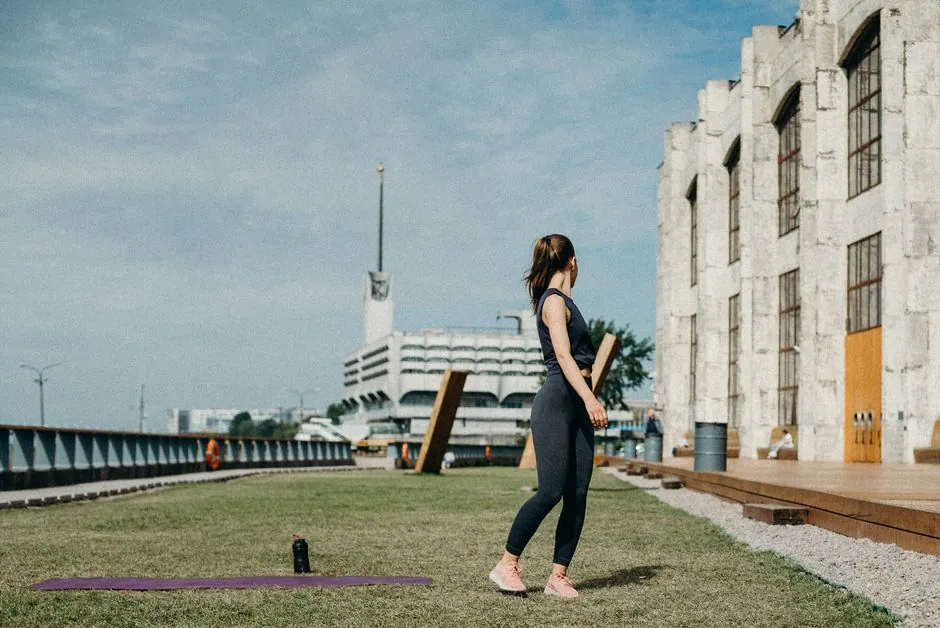
Plenty of people skip dance fitness because of what they have heard about it, not because of anything they have tried. This guide takes the most common dance workout myths debunked one at a time: no, you do not need dance experience, it is real cardio, it suits more bodies and ages than you think, and no, it will not melt fat from one chosen spot. Each section ends with what to do instead.
Dance Workout Myths at a Glance
| Myth | Verdict | What is actually true |
|---|---|---|
| You need to know how to dance | False | Beginner classes teach every step from scratch and repeat it |
| It is not real cardio | False | Heart rate rises and falls with the music, much like intervals |
| It is not serious exercise | False | Legs, core, balance and stamina all get worked in one session |
| Only for young, slim or flexible people | False | Moves scale up or down for age, weight and fitness level |
| Once a week will transform you | Mostly false | Two to four sessions a week plus sensible eating is a realistic base |
| Longer classes are always better | False | A focused 30 to 45 minutes can beat a tired 90 |
| Dancing burns belly fat specifically | False | Fat loss is whole-body; you cannot pick where it comes off |
Do You Need Dance Experience to Start a Dance Workout?
No. Dance fitness classes are built for people with no dance background. Instructors break each routine into small, repeatable steps, usually a few counts of eight, and add one layer at a time. Most beginners feel lost for the first two or three sessions, then the patterns start to repeat and make sense.
The fear behind this myth is usually about looking silly, not about ability. The aim is to keep moving, and a missed step simply means you pick it up on the next repeat.
If you are still nervous, start with a beginner-labelled session and stand near the back for the first week. Online formats help here because you can follow along at home, pause when needed and mess up in private. Our guide to what is dance fitness explains how these classes differ from traditional dance lessons, and a dance workout for beginners is a very different thing from a stage rehearsal.
Is Dance a Real Cardio Workout?
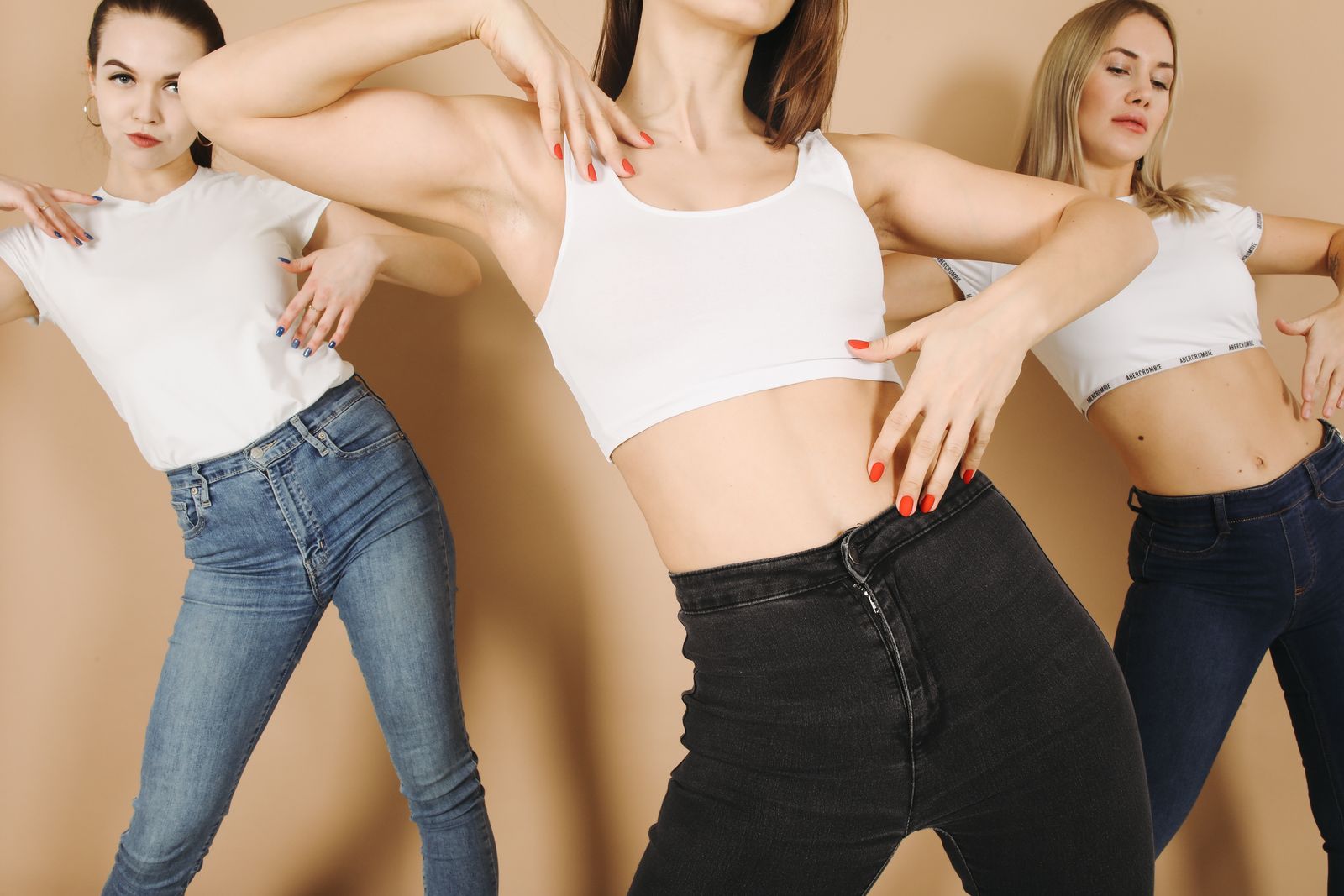
Yes. A moderately intense dance fitness class keeps most adults at roughly 60 to 80 percent of their maximum heart rate for much of the session, and burns about 300 to 500 kcal an hour, depending on body weight, how big you move and how hard you push. That sits in the same range as many other moderate cardio workouts.
Why does it work? Songs change tempo, so effort rises and falls naturally. A fast chorus pushes your breathing up, a slower verse lets it settle, and the next track lifts it again. That pattern looks a lot like interval training, except the music does the timing for you.
One honest caveat: calorie figures are estimates. A smaller person taking small, relaxed steps will land near the bottom of that range, and a smartwatch number is a rough guess, so use it to compare your own sessions.
A simple check is the talk test. If you can speak in short sentences but could not sing, you are in the moderate zone. If you can only manage a word or two, you are working hard. If you can chat easily, add some arm height or bigger steps. For a closer look at the format itself, see our overview of a Zumba dance workout.
Myth Check: Is Dancing Too Fun to Count as Real Exercise?
Enjoyment and effort are not opposites. Exercise counts when it raises your heart rate, loads your muscles and challenges your balance, and a dance class does all three. The music makes the effort feel lighter, which is why people keep turning up. Consistency beats grim workouts you quit after a month.
This myth survives because dance fitness does not look like a gym session. But the demand underneath is real: your legs are squatting, lunging and stepping repeatedly, and your core is stabilising every turn.
What a typical 45-minute class trains
| Segment | Rough length | What it works | How it feels |
|---|---|---|---|
| Warm-up | 5 minutes | Joints, calves, hips, gradual heart-rate rise | Easy, light sweat |
| High-energy songs | 20 to 25 minutes | Heart, lungs, quads, glutes, calves | Breathless in bursts, then recovery |
| Toning or core songs | 8 to 10 minutes | Abdominals, obliques, arms, lower back | Muscles burn, breathing steadier |
| Cool-down and stretch | 5 minutes | Hamstrings, hips, shoulders, calves | Slow, heart rate settling |
Structure varies by instructor, but this pattern is common. For the movement-quality side, our piece on dance as functional fitness covers balance, coordination and everyday movement in more depth.
Is Dance Fitness Only for Young, Slim or Flexible People?
No. Dance fitness is one of the easier formats to scale. Every move has a low-impact version (keep one foot on the floor, smaller steps, lower arms) and a higher-impact version (jumps, bigger travel, arms overhead). You choose the level that suits your age, weight, joints and stamina on that particular day, and you can change it mid-song.
Different people get different things from it:
- Beginners and people returning after a long break: stick to low-impact versions, keep sessions to 30 minutes and treat the first fortnight as learning time.
- Heavier bodies: low-impact steps protect the knees and ankles while still lifting your heart rate. Wear proper cushioned shoes, not bare feet on a hard floor.
- Men: the belief that this is only for women is cultural, not physical. The cardio demand is identical, and many men find it a welcome change from the gym.
- Older adults: a chair or wall nearby for balance, slower tempos and no deep twists make it workable. Talk to your doctor first if you have heart, bone or balance concerns.
Flexibility is not a prerequisite either; nobody expects splits. If you are drawn to stretch-based movement, online yoga classes pair well with a dance routine.
Can You Lose Weight by Dancing?
Yes, as part of a calorie deficit. A steady fat-loss pace for most adults is roughly 0.25 to 0.5 kg a week, and a few dance sessions weekly help by adding about 300 to 500 kcal of movement each time. Food intake, sleep and consistency still decide the outcome, because dancing alone cannot outwork a surplus diet.
This is where two myths meet. One says dance is too easy to help with weight. The other says it will melt belly fat in a month. Both are wrong. Dancing is a good tool for building a calorie deficit and an enjoyable habit, but it does not target one body part. Fat comes off the whole body in an order your genes decide, so a flatter stomach, slimmer thighs or leaner arms will follow overall fat loss, not specific moves.
A realistic expectation: with regular dancing, sensible eating and decent sleep, stamina usually feels better within a few weeks and the scale moves gradually. Anyone promising a fixed weight loss in a fixed number of days is selling hope, not a plan.
If you want guidance on the food side, our post on common nutrition myths clears up the usual confusion, and a one-to-one online nutritionist consultation can turn it into a daily Indian meal plan. For a structured plan, an online weight loss trainer can combine dance, strength work and food habits.
How Often Should You Do Dance Fitness Each Week?
Two to four sessions a week suits most beginners. That is enough to build stamina and a routine without overloading joints, and it fits the commonly cited guideline of about 150 minutes of moderate activity weekly. One class a week still helps your mood and movement, but it is rarely enough on its own for visible change.
The table below shows a gentle four-week build. Adjust it to your schedule, and treat rest days as part of the plan, not a failure to commit.
| Week | Sessions | Length | Effort level | Focus |
|---|---|---|---|---|
| 1 | 2 | 20 to 30 min | Easy, low-impact versions | Learn basic steps and counts |
| 2 | 3 | 30 min | Moderate; can speak in short sentences | Keep up with the full song |
| 3 | 3 to 4 | 30 to 40 min | Moderate, a few harder songs | Add arm height and bigger steps |
| 4 | 3 to 4 | 40 to 45 min | Moderate to hard in bursts | Hold form when tired; add one walk or strength day |
Once the habit is steady, add a short strength session. Our home workout guide gives simple options that need no equipment, and a plan built around 1-1 personal training can fill the gaps dance does not cover, such as heavier lower-body and upper-body strength.
Are Longer Dance Classes Always Better?
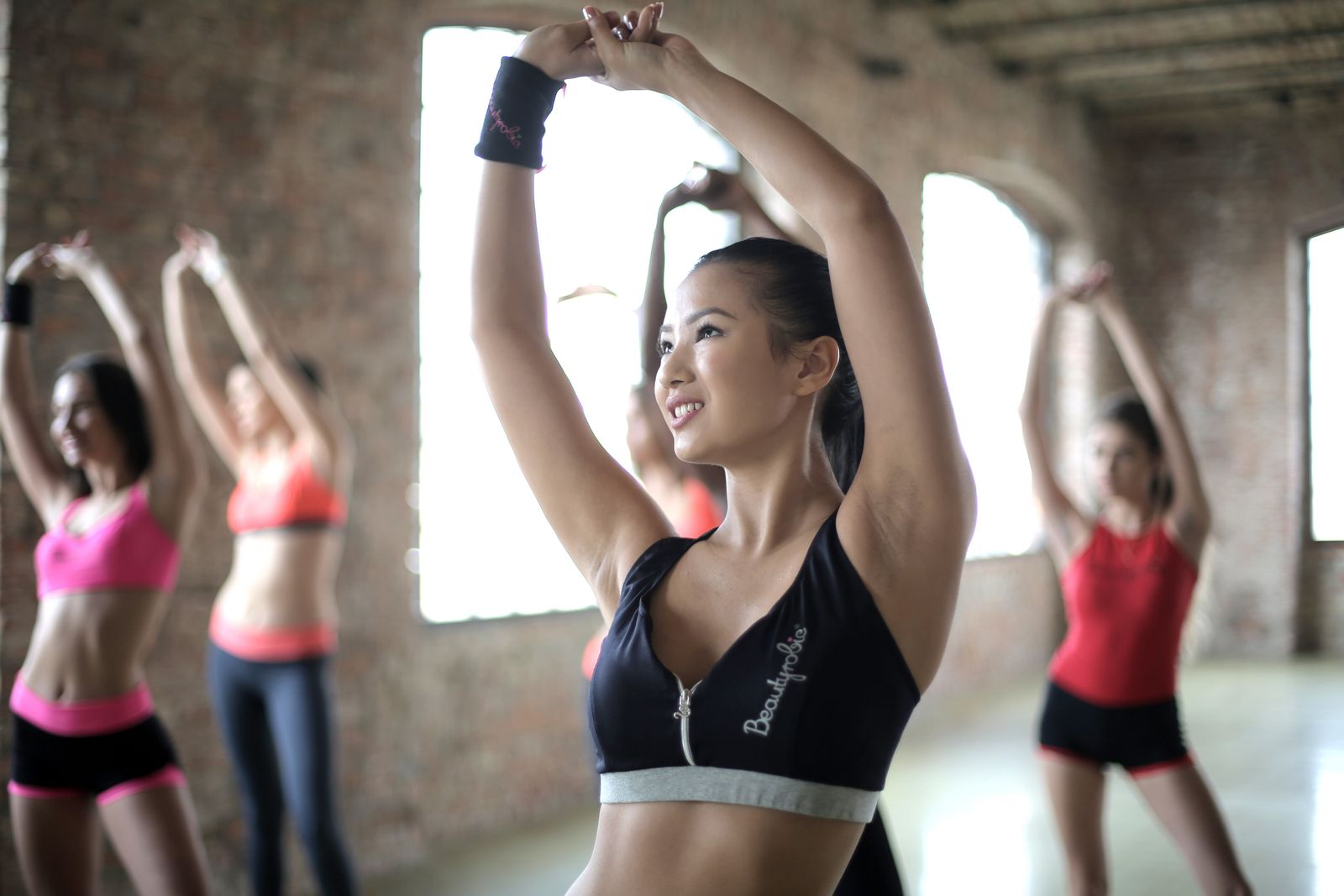
No. A focused 30 to 45 minute class with good form and steady effort often does more for you than a 90 minute session you finish exhausted and sore. Beyond about an hour, most beginners start moving sloppily, which raises the chance of strain without adding much benefit.
A 20 to 30 minute session on a busy day still counts. If you want more volume, add another short session on a different day rather than stretching one class out.
Troubleshooting: When Dance Fitness Feels Hard or Awkward
Some of the myths come from a bad first experience. These are the common problems and what usually fixes them:
- “I cannot follow the steps.” Watch the first run-through without moving, then join on the second repeat. Focus on feet first and add arms later.
- “I am out of breath within five minutes.” Drop to the low-impact option and keep your arms lower. Breathlessness in the first week is normal and eases quickly.
- “My knees hurt.” Land softly, keep knees tracking over toes, avoid deep jumps and check your shoes. If pain is sharp or continues, stop and get it checked.
- “I feel silly.” Switch the camera off and start with a pre-recorded beginner session.
- “I am sore the next day.” Mild soreness in calves and thighs is normal. Walk, stretch and sleep, then repeat with a lighter session.
Stop and speak to a doctor if you feel chest pain, dizziness, fainting, unusual shortness of breath or sharp joint pain. If you are pregnant, recovering from surgery or living with a heart, blood pressure or joint condition, get medical clearance before starting.
Why Do These Dance Workout Myths Keep Spreading?
Mostly because dance fitness looks different from gym training. Bright music, group energy and choreography make it easy to assume the effort is low, and old ideas about who “should” dance linger in families and offices. Extreme before-and-after claims online also make honest, gradual progress look unimpressive.
The fix is simple: test it yourself. Try two or three classes and notice your breathing and legs. Our guide to online Zumba classes explains how to choose a format.
Frequently Asked Questions About Dance Workout Myths
Do I need any dance background to join a dance fitness class?
No. Beginner dance fitness classes teach every step from scratch, repeat patterns often and offer low-impact options. Most new participants feel unsure for the first two or three sessions, then find the counts and patterns start to feel familiar.
How many calories does a dance fitness class burn?
Roughly 300 to 500 kcal an hour for most adults, though it varies with body weight, effort and how big your movements are. Treat any smartwatch figure as an estimate and use it to compare your own sessions rather than to decide how much to eat.
Is once a week of dance fitness enough to lose weight?
Usually not on its own. One class a week helps your mood and fitness, but visible change generally needs two to four sessions weekly, combined with sensible eating, sleep and patience. Fat loss comes from the overall calorie balance across the week.
Can dancing burn belly fat specifically?
No. Your body loses fat from across the whole body, and you cannot choose where it comes off. Dance workouts support overall fat loss when paired with a calorie deficit, and a slimmer waist then follows gradually along with everything else.
Are short dance fitness classes less effective than long ones?
Not necessarily. A focused 30 to 45 minute session with steady effort and good form can match or beat a longer, tired one. Consistent shorter sessions across the week are often easier to sustain than occasional long ones.
Try One Class and Judge for Yourself
Pick a beginner session this week and run the talk test halfway through. If you would like live guidance, explore FitStrot’s online Zumba classes and start with the beginner level.


