
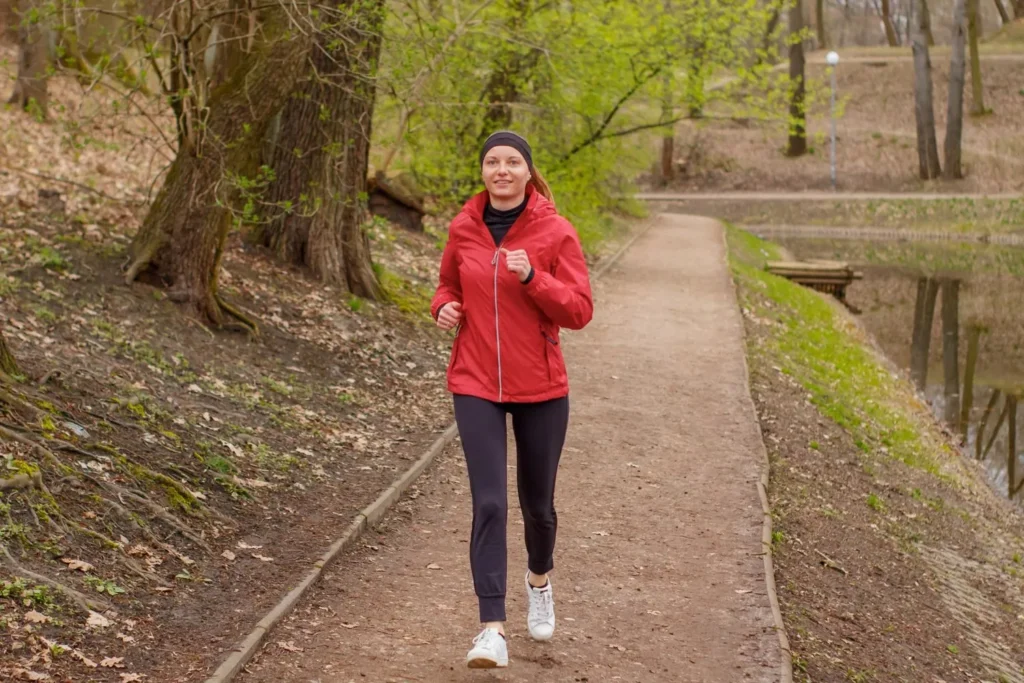
Treating dance as functional fitness is not a stretch. A good dance workout asks you to step forward, back and sideways, turn, shift your weight, balance briefly on one leg and recover, all in time with music. Those are the same demands daily life makes when you climb stairs, step off a kerb, reach for a top shelf or carry a bag across a railway platform. This guide explains what functional fitness really means, which dance movements train which everyday patterns, how to follow a 25-minute session, how dance compares with kettlebell training, and where dance falls short.
Is dance really functional fitness, or just cardio?
Yes, dance counts as functional fitness when the choreography moves you in several directions, changes your level and challenges your balance. Functional fitness means training the movements you use in daily life: stepping, turning, squatting, reaching and carrying. A dance workout that mixes forward, sideways and rotating steps trains these patterns together, which steady walking or cycling mostly does not.
The word that matters is functional. A bicep curl isolates one joint, and real life rarely asks for that. Real life asks your ankles, knees, hips, trunk and shoulders to cooperate as one chain while you stay upright. Dance does this by default, because you cannot do a grapevine or a hip twist with one body part at a time.
Not every dance session qualifies equally. A routine that stays in one spot, faces one direction and repeats one move for 20 minutes is closer to plain cardio. The version that earns the label has three features: movement in different directions, changes in level (dipping low, then rising tall), and moments where you balance on one leg or turn. Look for those three in a class, a video or a routine you build yourself. For the wider category, see our explainer on what is dance fitness.
Dance moves mapped to everyday movement patterns
Each pattern below shows up in ordinary life and has a dance move that practises it. Use the table to check whether a class or video covers the full range, or only one or two rows.
| Everyday pattern | Real-life moment | Dance move that trains it | Why it carries over |
|---|---|---|---|
| Sideways stepping | Edging past people in a crowded lift or bus | Step-touch, grapevine | Trains hips and ankles in the side-to-side plane that walking skips |
| Rotation | Turning to pick up a bag from the back seat | Hip twist, torso turn with a step | Teaches the trunk and hips to turn together |
| Level change | Rising from a low sofa or picking up a child | Dip-and-rise, squat with a sway | Practises bending at hips and knees under control |
| Single-leg balance | Pulling on trousers, climbing stairs | Knee lift, heel tap with a pause | Builds stability on one foot, where most steps are actually taken |
| Reaching and overhead | Placing a bag on a high shelf | Arm sweeps, overhead reaches | Keeps shoulders mobile while the trunk stays steady |
| Quick direction change | Dodging a scooter at a crossing | Cha-cha steps, pivot turns | Trains fast, accurate weight shifts |
| Limb coordination | Carrying shopping while using a phone on the stairs | Different arm and leg patterns together | Improves timing between upper and lower body |
None of this needs equipment. The rhythm does the job a coach’s cue would do in a gym: it tells you when to change direction and keeps you flowing instead of stopping between reps. That is also why dance feels different from a circuit. You practise transitions, not just positions. If you want a step-by-step breakdown of individual moves, our guide to zumba dance moves walks through them.
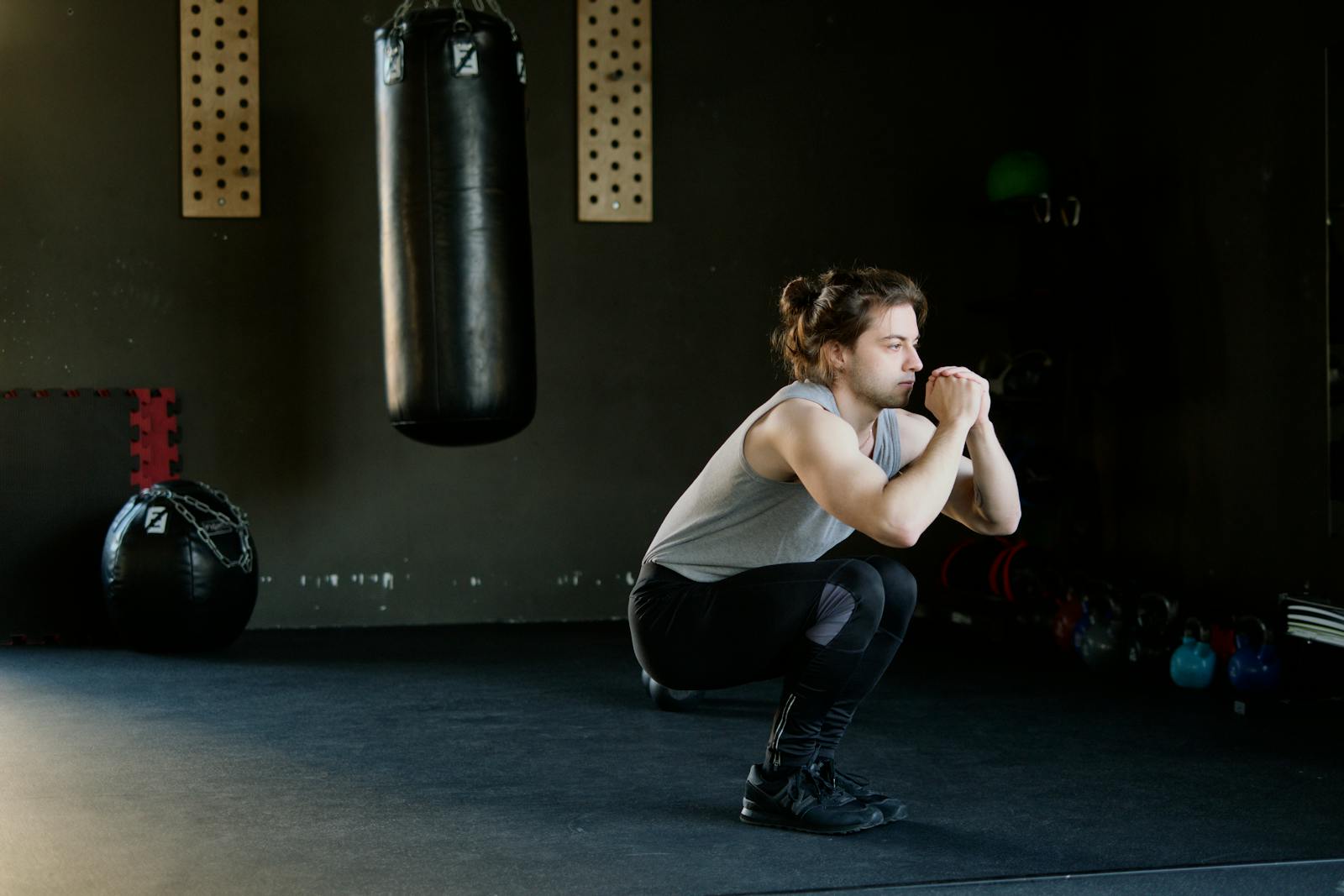
Myth: dance only works your heart and legs
The belief is that dance is a cardio session for the heart and legs, with little else going on. The correction is that a well-structured routine also works your trunk, hips and shoulders, because every turn, pivot and arm sweep has to be controlled by your core and stabilising muscles. Try holding a single-leg balance while sweeping one arm overhead and you will feel your standing hip and trunk working hard.
The fair version of the myth does have some truth. Dance rarely loads your muscles heavily, so it builds muscular endurance, control and coordination far better than maximal strength. If your aim is to lift heavy, you still need resistance training. We cover more misconceptions in dance workout myths debunked.
A 25-minute functional dance session, step by step
Set up first. You need roughly two metres by two metres of clear floor, supportive shoes with some grip (not loose socks on tiles or a polished floor), a bottle of water and music with a steady beat. Keep effort at a level where you can speak in short sentences but could not sing. Start with 2 to 3 sessions a week and rest at least one day between them.
| Block | Minutes | What you do | What it trains | Form cue |
|---|---|---|---|---|
| Warm-up | 0 to 4 | Easy march, shoulder rolls, hip circles, ankle rolls | Joints and heart rate | Keep shoulders loose, breathe through the nose or mouth, whichever is easy |
| 1. Side to side | 4 to 9 | Step-touch, then grapevine, 8 counts each way | Lateral stepping, hips and ankles | Land softly, knee tracking over the second toe |
| 2. Level change | 9 to 14 | Dip-and-rise with a sway, reach up on every rise | Hip and knee control, shoulder reach | Sit the hips back, chest tall, no knee collapse inward |
| 3. Turn and balance | 14 to 19 | Hip twist, knee lift with a one-count pause, quarter pivots | Rotation, single-leg stability | Fix your eyes on one point, tighten the belly lightly during the pause |
| 4. Mixed choreography | 19 to 23 | Link blocks 1 to 3 into one 32-count loop and repeat | Coordination and fast direction changes | Feet first, add arms only when feet feel automatic |
| Cool-down | 23 to 25 | Slow walk, calf and hip flexor stretch, deep breaths | Recovery | Hold each stretch about 20 seconds, no bouncing |
When the session feels comfortable for two weeks, progress one thing at a time: extend blocks 2 and 3 by a few minutes, add a half-turn to the pivots, or pick faster music. Avoid changing speed, length and complexity in the same week.
How does dance compare with kettlebell and bodyweight training?
Dance and kettlebell or bodyweight circuits train functional fitness in different ways. Dance is stronger on multi-directional footwork, rhythm, balance and coordination at a comfortable load, while kettlebell and bodyweight circuits are stronger on loaded strength such as lifting and carrying. For most people, 2 to 3 dance sessions plus 1 to 2 strength sessions a week covers both.
| Factor | Dance workout | Kettlebell or bodyweight circuit |
|---|---|---|
| Multi-directional movement | High, built into the choreography | Moderate, depends on the exercises chosen |
| Loaded strength | Low to moderate | High, and easy to progress with heavier weights |
| Balance and coordination | High | Moderate |
| Rhythm and timing | High | Low |
| Equipment | None | Kettlebell or dumbbells for loaded work |
| Main risk points | Knees and ankles on jumps and pivots | Lower back and shoulders when form slips under load |
| Beginner-friendly start | Yes, with low-impact options | Yes, with light loads and coaching |
Many people find music-led sessions easier to keep up than a repetitive circuit, and the programme that gets done beats the perfect one that gets skipped. If you are unsure which dance format suits you, read zumba vs dance fitness. If you want both dance and strength in one plan, a coach on FitStrot’s 1-on-1 personal training can build it around your schedule and any joint issues.
Troubleshooting: knees, dizziness and getting lost in the choreography
Most early problems are about intensity and complexity, not ability. These fixes cover the common ones.
- Knees ache after jumps or pivots: make every move low impact by keeping one foot on the floor, shorten your steps and keep the knee pointing over the second toe. Stop any move that causes sharp pain.
- You get lost in the sequence: drop the arms and do feet only, repeat the 8 counts until they feel automatic, then add the upper body.
- Dizziness on turns: spot a fixed point, turn in quarter steps instead of full spins and pause between turns. Persistent dizziness is a reason to see a doctor, not to push on.
- Breathless within five minutes: you started too fast. Use the talk test, and lower the tempo until you can speak in short sentences.
- Feet or ankles sore: check your shoes, avoid slippery floors and cut the session to 15 minutes for a week.
- Small flat or neighbours below: use compact moves (step-touch, heel taps, hip twists) and skip jumps. Functional benefit comes from direction and balance, not from noise.
- Feeling unstable on one leg: keep a hand near a wall or sturdy chair for the knee-lift pauses, and reduce the support gradually.
Who gets the most from dance as functional fitness?
Desk workers, beginners returning to exercise, adults over 40 who want better balance, and gym-goers who train mostly in straight lines tend to gain the most. These groups often lack sideways, rotational and balance work in their week. Anyone with a medical condition, a recent injury or unexplained dizziness should check with a doctor before starting.
- Desk workers: hours of sitting stiffen the hips and upper back. Hip twists, reaches and level changes put those areas through movement. Add short standing breaks across the day as well.
- Beginners: there is no gym intimidation and no equipment to learn. Start with the 25-minute plan at low impact.
- Adults over 40 and older adults: balance and quick weight shifts are worth practising regularly. Keep a sturdy support nearby, choose low-impact versions and speak to your doctor first if you have osteoporosis, a joint replacement, heart disease or a history of falls. Dance practice supports balance, but it does not guarantee that falls will not happen.
- Runners and lifters: sideways and rotational work fills gaps that forward-only training leaves.
A simple weekly plan, and what dance cannot replace
Here is one balanced week for someone starting out. Adjust days to suit your routine, and treat it as a template, not a rule.
- Monday: 25-minute functional dance session
- Tuesday: 30 minutes of strength work (squats, push-ups, rows, glute bridges), or rest
- Wednesday: 25 to 30 minutes of dance, a bit more upbeat
- Thursday: rest or an easy walk
- Friday: second strength session, or online yoga classes for mobility and breath control
- Saturday: a longer dance session or class, 40 to 45 minutes
- Sunday: full rest
Be clear about the limits. Dance builds endurance, coordination and balance, but it does not replace heavy resistance work for building maximal strength. It cannot reduce fat from one body part, and no class guarantees a particular result on the scale. A 30-minute session burns about 150 to 300 kcal depending on your body weight and effort, so what you eat across the day matters at least as much as the class when fat loss is the goal. If that is your aim, a plan from an online nutritionist consultation or an online weight loss trainer will do more than adding a fourth dance day.
Frequently asked questions
Is dance really functional fitness, or just cardio?
It is functional fitness when the routine moves you forward, sideways and in turns, changes your level and tests your balance. Those patterns match daily movements such as stepping, reaching and turning. A routine that repeats one move in one direction is closer to ordinary cardio.
Does dance improve balance and coordination?
Regular practice of single-leg moves, pivots and mixed arm-and-leg patterns trains balance and coordination, and both improve with repetition. Progress is gradual, usually noticeable over a few weeks of 2 to 3 sessions each week. Dance supports balance but cannot guarantee fall prevention on its own.
Is dance enough, or do I still need strength training?
Dance is a strong base for endurance, balance and coordination, but it loads muscles lightly. Add 1 to 2 strength sessions a week, using squats, push-ups, rows and bridges, if you want stronger legs, back and arms or better bone and muscle support as you age.
Can beginners and older adults start dance-based functional training?
Yes, with low-impact versions, a sturdy support nearby and shorter sessions of 15 to 20 minutes at first. Check with your doctor beforehand if you have a heart condition, osteoporosis, a joint replacement, dizziness or a history of falls, and stop if you feel pain or faintness.
What should I wear, and where can I dance at home?
Wear breathable clothing and supportive shoes with grip. Clear about two metres by two metres of non-slip floor, away from sharp furniture edges. Avoid socks on tiles or polished floors, which raise the risk of slipping during pivots and side steps.
Try one guided session this week
Join one of FitStrot’s online Zumba classes and use the form cues above to judge how your balance and footwork feel. You can also compare options in our guide to online Zumba classes before you pick a time.


