

Done gently and correctly, bhastrika pranayama, the “bellows breath”, is a short, energising yogic breathing practice. You inhale and exhale through the nose with equal, brisk force while the belly pumps in and out like a blacksmith’s bellows. Because it is forceful, it is not for everyone. This guide covers who should skip it, how to do it step by step, a slow beginner plan, how it differs from kapalbhati and ujjayi, and what to do when you feel dizzy.
Who should not practice bhastrika pranayama?
Skip bhastrika pranayama, or practice it only with approval from both your doctor and an experienced teacher, if you have high blood pressure, a heart condition, epilepsy, vertigo, a hernia, an asthma flare-up, recent surgery, or if you are pregnant. Forceful breathing can raise pressure in the chest and abdomen and trigger dizziness.
- High blood pressure or any heart condition: avoid unless your doctor has cleared it and a teacher supervises.
- Pregnancy: avoid forceful belly-pumping breaths; ask your doctor and a prenatal-trained teacher what is suitable.
- Epilepsy, vertigo or a history of fainting: avoid; fast breathing can bring on dizziness or trigger episodes.
- Asthma flare-up, severe COPD or breathlessness: avoid during a flare-up; at other times only with medical clearance.
- Recent surgery, especially abdominal or chest: avoid until your surgeon says the area has healed.
- Hernia, ulcers or severe acidity: avoid, because the belly movement strains the abdomen.
- Recent stroke, panic attacks or severe anxiety: avoid unless your doctor and teacher both agree.
- Heavy menstrual days: ask your teacher or doctor before practicing.
- Eye-pressure conditions such as glaucoma: ask your doctor first.
Not on this list? You should still start slow and short, as described below. Stop immediately if you feel dizzy, lightheaded, tingly, nauseated, or if you notice chest pain or palpitations.
See your doctor first if you have any diagnosed heart, blood pressure, lung or neurological condition, take regular medication, or are simply unsure. Never change or stop a medicine because of a breathing practice. If chest pain, fainting or severe breathlessness occurs, seek medical help rather than waiting for the next session. Bhastrika pranayama is a practice, not a treatment, and it does not cure any disease.
What is bhastrika pranayama?
Bhastrika pranayama is a classical yogic breathing technique in which you inhale and exhale rapidly with equal force through the nose, moving the diaphragm in and out like a blacksmith’s bellows. A round is usually 10 to 30 breaths, followed by one deep inhale, a short comfortable hold and a slow exhale.
The word “bhastrika” means bellows in Sanskrit. The technique appears in traditional hatha yoga texts as one of the heating, energising breath practices. Unlike slow, calming methods, it is stimulating, so teachers introduce it once a student sits steadily. If you are new to breathwork in general, our guide to pranayama and our overview of breathing exercises are gentler places to begin.
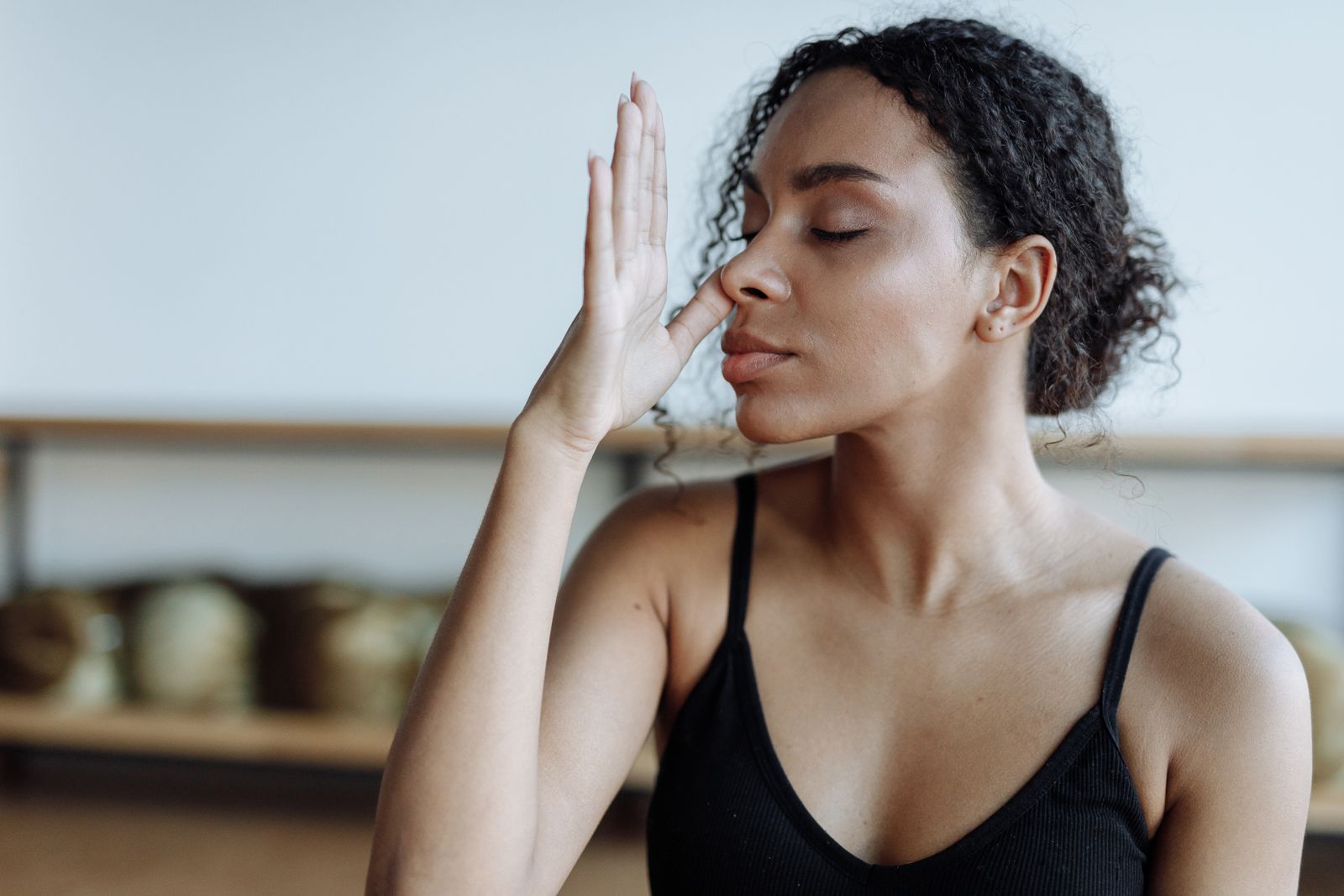
How do you do bhastrika pranayama step by step?
Sit tall, relax the face and shoulders, then breathe in and out through the nose with equal, brisk effort for 10 to 20 breaths, letting the belly move. After the last breath, inhale deeply, hold for about 5 seconds if comfortable, exhale slowly, and breathe normally for 30 to 60 seconds before the next round.
- Set up your seat. Sit cross-legged, in vajrasana, or on a firm chair with feet flat. Keep the spine tall, shoulders soft, hands resting on the knees.
- Settle. Close the eyes and take five or six natural breaths. Check that your jaw, forehead and neck are loose.
- Begin the bellows. Inhale through the nose as the belly expands, then exhale through the nose as the belly draws in. Make both halves equal in force and length. The belly and diaphragm do the work, not the shoulders.
- Count your breaths. Beginners take 10 breaths at a slow pace, roughly one full in-and-out every two seconds. Do not chase speed.
- Finish with one deep breath. After the last bellows breath, inhale fully and smoothly.
- Hold briefly. Retain the breath for 3 to 5 seconds at first, never straining, with the throat and face relaxed. Skip the hold if it feels uncomfortable.
- Exhale slowly. Release the air in a long, even stream, then breathe naturally for 30 to 60 seconds. Notice how you feel before deciding whether to do another round.
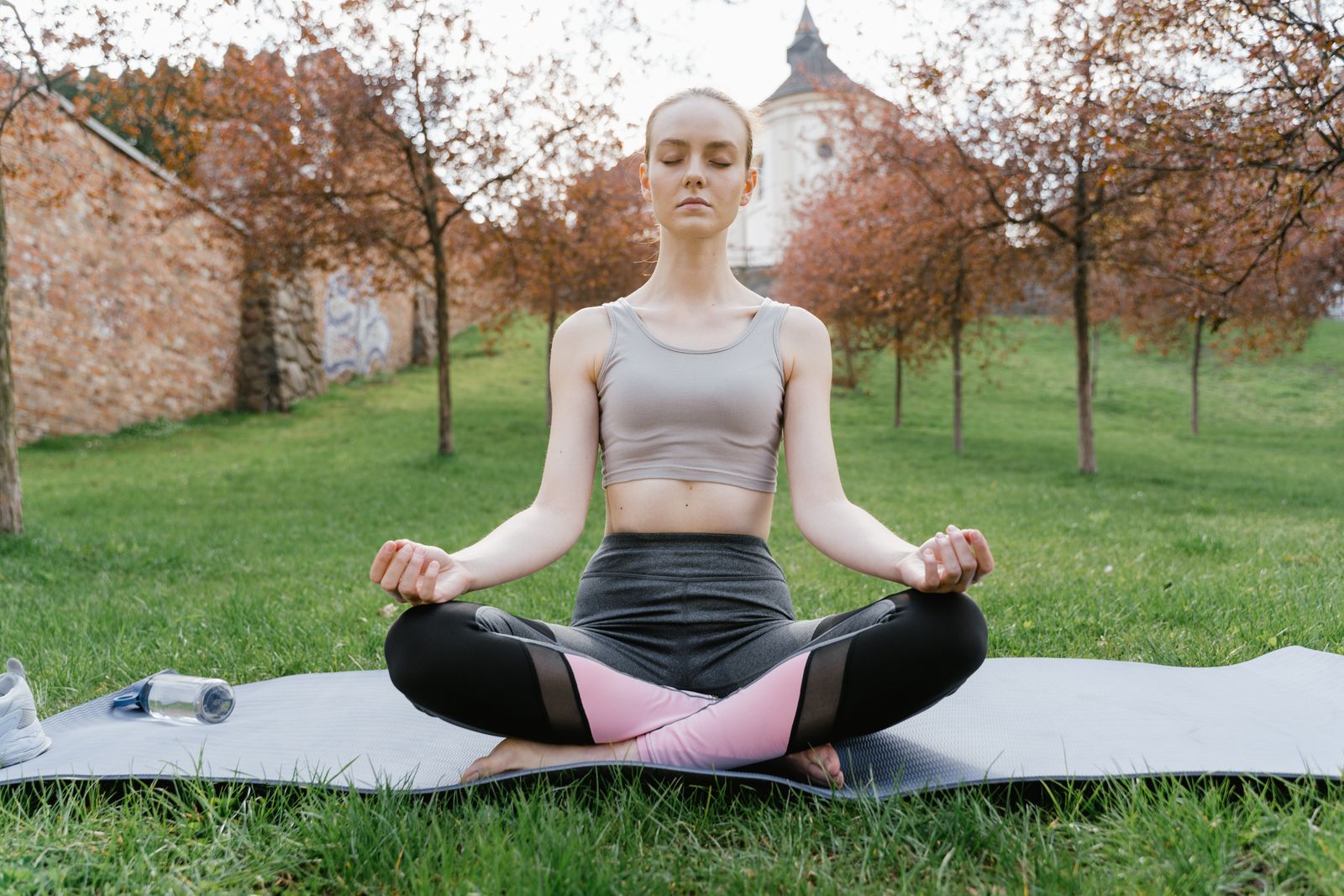
A gentle 4-week plan for bhastrika pranayama for beginners
Build up slowly over about four weeks, and stay at a stage for longer if any step feels hard. The figures below are upper limits for healthy adults who have no condition on the avoid list, not targets to chase. Practice once a day, in the morning, and always finish with several minutes of quiet natural breathing.
| Week | Breaths per round | Rounds | Pace | Hold after round | Total time (about) |
|---|---|---|---|---|---|
| 1 | 10 | 1 | Slow, one breath every 2 seconds | None, or 3 seconds | 2 minutes |
| 2 | 10 to 15 | 1 to 2 | Slow to medium | 3 to 5 seconds | 3 to 4 minutes |
| 3 | 15 to 20 | 2 | Medium, steady | 5 seconds | 4 to 5 minutes |
| 4 | 20 | 2 to 3 | Medium, steady | 5 to 10 seconds if comfortable | 5 to 7 minutes |
Most people never need more than 20 to 30 breaths per round or three rounds. More is not better here. If a week feels too much, drop back to the previous one. Skipping rest periods between rounds is the quickest way to end up lightheaded.
Bhastrika vs kapalbhati vs ujjayi vs bhramari: what is the difference?
Bhastrika pranayama uses a forceful inhale and a forceful exhale. Kapalbhati has a sharp, active exhale with a passive inhale. Ujjayi is slow and smooth with a soft throat sound, and bhramari is a slow exhale with a humming sound. Bhastrika and kapalbhati are the energising pair; ujjayi and bhramari are calming.
| Practice | Inhale | Exhale | Pace | Feel |
|---|---|---|---|---|
| Bhastrika | Active, forceful | Active, forceful | Brisk, rhythmic | Warm, alert |
| Kapalbhati | Passive, automatic | Short, sharp, active | Brisk | Warm, abdominal |
| Ujjayi | Slow, smooth | Slow, smooth | Slow | Steady, focused |
| Bhramari | Slow, quiet | Slow, with a hum | Slow | Calm, soothing |
A sensible order within one session is energising first, calming last. Many teachers place a short bhastrika round before ujjayi or bhramari so the slower practices can settle the heat it builds. Beginners usually learn kapalbhati first because its mechanics are simpler, then add bhastrika once their posture and breath control are steady.
Does bhastrika pranayama burn belly fat or detox the body?
No. Bhastrika pranayama is a short breathing practice, so it does not burn much energy and cannot melt belly fat or “detox” the body. Your liver and kidneys handle detoxification. Fat loss comes from your overall eating, movement, sleep and consistency; breathwork can be a small supporting habit.
You will often see claims that bellows breath cures thyroid problems, diabetes, sinus trouble or heart disease. Nothing in the practice justifies such promises, and relying on them can delay proper treatment. If weight loss is your goal, pair a safe movement routine, such as yoga for weight loss, with sensible meals, and get personal guidance from a qualified coach or dietitian rather than expecting breathwork to do the job.
What are the real benefits of bhastrika pranayama?
Many people find bhastrika pranayama leaves them feeling warm, alert and more aware of their breathing, and it can work as a short warm-up before meditation. It builds breath control and diaphragm awareness. It is not a treatment for any disease, and its effects vary from person to person.
- Alertness: a single short round can feel like a mental reset in a sluggish morning.
- Breath awareness: learning to move the diaphragm deliberately improves how you use your breath in other practices.
- Warm-up for stillness: the vigorous rhythm uses up restless energy, which makes it easier to sit quietly afterwards.
- Focus: counting breaths gives the mind one task, which many people find clears mental clutter.
Be cautious with its link to anxiety. Some people feel clearer; others, especially those prone to panic, find fast breathing makes them feel worse. If that is you, choose slower practices instead, or work with a teacher.
Why do you feel dizzy during bhastrika pranayama?
Dizziness usually means you are breathing too fast, too hard or for too long, which can lower carbon dioxide in the blood and cause lightheadedness or tingling. Stop at once, return to slow natural breathing, sit or lie down until it passes, and next time use fewer breaths at a slower pace.
| What you notice | Likely cause | What to do |
|---|---|---|
| Dizziness or lightheadedness | Too fast, too forceful, too many breaths | Stop, breathe naturally, rest. Halve the breath count next time. |
| Tingling in fingers or lips | Over-breathing | Stop, slow right down, rest until it passes. |
| Tired shoulders or chest | Using the upper chest instead of the diaphragm | Place a hand on the belly, slow the pace, keep shoulders still. |
| Headache or pressure in the head | Straining, tight jaw, forcing the hold | Relax the face, shorten or skip the hold, reduce effort. |
| Nausea or stomach discomfort | Practicing too soon after eating | Wait at least 3 to 4 hours after a meal. |
| Racing heart or feeling anxious | Fast breathing overstimulating you | Stop, return to slow breathing. Ask a teacher or doctor before trying again. |
Persistent symptoms, chest pain, fainting or severe breathlessness need medical attention. Do not push through them.
What is the best time to do bhastrika pranayama?
Early morning on an empty stomach is the traditional time, or at least 3 to 4 hours after a meal, longer after something heavy. Practice in a well-ventilated space, before slower breathing and before seated meditation. Avoid late evening if it leaves you wired, since bhastrika is stimulating for many people.
In a fuller routine, a few gentle stretches or a short hatha sequence come first so the body is warm, then bhastrika, then a calmer breath practice, then a few minutes of quiet sitting. Some people hold a hand position such as gyan mudra while seated; our guide to yoga mudra explains the options. Drink some water afterwards, and wait a few minutes before eating a meal.
Bhastrika pranayama for beginners, desk workers and older adults
Complete beginners: follow week 1 of the plan for at least a week, and do not skip the settling breaths. Technique matters far more than speed or count.
Desk workers: if you are healthy and cleared to practice, one short round of 10 to 15 breaths in a chair during the afternoon slump can help you feel more awake. Keep the pace gentle and stand up slowly afterwards.
Adults over 50, or anyone with a long-term condition: talk to your doctor before starting, because blood pressure, heart and lung issues become more common with age. If you get the go-ahead, use a chair, keep rounds short, and prefer slower practices such as ujjayi as your main routine. A live guided session is a safer way to learn than copying a video, which cannot see or correct you.
Bhastrika pranayama FAQs
Is bhastrika pranayama the same as kapalbhati?
No. In bhastrika pranayama both the inhale and the exhale are forceful and equal. In kapalbhati only the exhale is active and the inhale happens passively. Bhastrika involves more of the chest and diaphragm, so it tends to feel stronger and warmer, which is why most teachers introduce kapalbhati first.
How many rounds of bhastrika pranayama should a beginner do?
One round of about 10 slow breaths for the first week is enough. Over about four weeks, build to two or three rounds of up to 20 breaths with rest in between, if you feel fine. Do not rush to 30 breaths. If you feel dizzy at any point, stop and go back a step.
Can you do bhastrika pranayama every day?
Many healthy people practice once a day, usually in the morning on an empty stomach, and keep sessions short. Daily practice only suits you if you have no condition on the avoid list and you feel well afterwards. If you have blood pressure, heart or lung concerns, ask your doctor first.
What are the side effects of bhastrika pranayama?
Common side effects are dizziness, tingling, lightheadedness, headache, tired shoulders, or nausea if practiced after eating. These usually come from going too fast, too long or with poor technique. Stop at the first sign, rest, and practice shorter next time. Chest pain, fainting or severe breathlessness need medical attention.
Is bhastrika pranayama safe for people with high blood pressure?
Most teachers advise people with high blood pressure to avoid it, because forceful breathing can strain the system. Do not try it without clearance from your doctor and supervision from an experienced teacher. Your doctor may suggest gentler, slower breathing instead. Never alter your medication because of a breathing practice.
Next step: learn the breath with a live teacher in a guided online yoga class at Fitstrot, and tell your instructor about any health condition before your first round. Not sure what to expect? See how online yoga classes work.


