

If the number on the scale keeps dropping and you never asked it to, that is a different problem from the one most fitness blogs address. The link between anxiety and weight loss is real and well documented — and also one of the easiest things in the body to misread, because the same falling weight can come from a panic-heavy few months, an overactive thyroid, an untreated gut condition, or something that needs investigating quickly. This page is for the person who is worried, not the person who is dieting. It covers what anxiety does to appetite, what amount of unintentional loss doctors treat as significant, how to tell anxiety apart from the conditions that imitate it, and how to eat in the meantime.
Fitstrot is an online fitness and nutrition platform. Nothing here is a diagnosis or a substitute for medical care, and we do not treat anxiety. If you are losing weight without trying, see a doctor.
Can anxiety cause weight loss?
Yes. Anxiety can cause measurable weight loss, mainly by suppressing appetite, speeding gut transit and raising energy expenditure through restlessness and poor sleep. The WHO lists nausea and abdominal distress among the core symptoms of anxiety disorders, which affected an estimated 359 million people in 2021. Weight loss is the result of eating less, not a symptom itself.
That distinction matters. Anxiety does not burn fat directly; it changes how much food reaches your plate and how comfortably you keep it down. The WHO’s anxiety disorders fact sheet puts global prevalence at about 4.4% of the population and notes that only about 1 in 4 people who need treatment (27.6%) receive any — so a great many people carry these appetite effects with nobody having looked at them properly.
If you actually want to lose weight on purpose, this is the wrong page — our Indian diet for weight loss and diet plan for weight loss guides are built for that. Everything below assumes the loss was not your idea.
Weight loss due to anxiety: when to see a doctor, and how soon
See a doctor if you have lost more than 5% of your body weight in 6 to 12 months without trying, or sooner if it comes with any other symptom. Mayo Clinic uses that 5% threshold as the trigger for assessment. Do not wait for a reason to appear — unintentional weight loss is itself the reason to book.
This section sits near the top deliberately. Anxiety is a plausible explanation for weight loss due to anxiety, but it is also the one people reach for to avoid getting tested. NHS guidance lists anxiety, depression, eating disorders and OCD alongside digestive and hormone conditions, medication side effects and cancer, and advises seeing a GP as soon as possible when weight loss comes with other symptoms.
Under-recognition is documented. A 2023 study in Diagnosis reviewed 290 primary-care patients meeting criteria for unintentional weight loss and found clinicians recognised it in only 60 — a 21% recognition rate, with no testing at all in 29% of recognised cases. Go in with your numbers written down.
| Urgency | What you are noticing | What to do |
|---|---|---|
| Same day / emergency | Fainting, vomiting blood, black stools, chest pain, severe breathlessness, no fluids kept down for a day | Hospital emergency department |
| Within a week | Fever, night sweats, cough over 2 weeks, a lump, blood in stool or urine, severe abdominal pain, jaundice | See a doctor urgently; ask for investigation, not reassurance |
| Within 2–4 weeks | Over 5% of body weight lost in 6 months; constant thirst and urination; palpitations and heat intolerance; loose stools | Book a physician appointment; request baseline blood work |
| Same timeframe, mental health route | Uncontrollable worry most days for 6 months or more, panic attacks, avoiding meals, any thought of self-harm | See a doctor or mental health professional; for self-harm thoughts, seek help immediately |
Anxiety weight loss appetite: what is actually happening in your body
Anxiety reduces appetite through two separate hormonal phases and one mechanical one. Acute anxiety releases adrenaline, which puts eating on hold. Sustained anxiety raises cortisol, which usually pushes appetite up — so people who keep losing weight are typically stuck in repeated acute spikes, compounded by gut symptoms that make eating physically unpleasant.
Phase one: adrenaline switches eating off
Harvard Health describes it plainly: the nervous system signals the adrenal glands to release epinephrine (adrenaline), triggering “a revved-up physiological state that temporarily puts eating on hold.” That is why the morning of an exam or an appraisal kills hunger completely. It is designed to be brief.
Phase two: cortisol, which usually does the opposite
If stress persists, cortisol rises, and per the same Harvard source cortisol “increases appetite.” Cleveland Clinic’s overview of cortisol explains that it regulates glucose use, triggers glucose release from the liver, and prompts the pancreas to decrease insulin and increase glucagon. Hence the paradox: chronic low-grade stress tends to produce weight gain, while repeated acute spikes produce loss.
Phase three: the gut stops cooperating
The enteric nervous system in your gut wall contains more than 500 million neurons, linked to the brain mainly by the vagus nerve, and Cleveland Clinic notes that emotion can make physical sensations in the gut feel more intense. In practice: nausea at the smell of food, fullness after four bites, urgent loose stools before events, reflux, cramping. Each removes calories with no conscious decision to eat less.

The quiet fourth factor: you are moving more than you think
Restlessness, pacing, broken sleep and the physical tension the WHO lists as a core anxiety symptom all add energy expenditure, and none of it feels like exercise. Skipping 400 kcal of food a day while burning an extra 150 kcal in agitation is a 550 kcal deficit — about 2 to 2.5 kg a month, with no intentional change.
The 5% rule: what counts as clinically significant
Clinically significant unintentional weight loss is usually defined as more than 5% of body weight over 6 to 12 months. The 2023 Diagnosis study used a wider set: at least 5% in 6 months, 5–10% in 12 months, at least 5% in 1 month, or at least 10% in 6 months. Any one of those meets the bar for investigation.
Percentages are abstract when you are frightened, so here is the same threshold in kilograms at Indian adult body weights.
| Starting weight | 5% loss (see a doctor) | 10% loss (see a doctor urgently) |
|---|---|---|
| 50 kg | 2.5 kg | 5.0 kg |
| 55 kg | 2.8 kg | 5.5 kg |
| 60 kg | 3.0 kg | 6.0 kg |
| 65 kg | 3.3 kg | 6.5 kg |
| 70 kg | 3.5 kg | 7.0 kg |
| 80 kg | 4.0 kg | 8.0 kg |
| 90 kg | 4.5 kg | 9.0 kg |
Two caveats. Scales move 1–2 kg day to day on hydration, salt and bowel habit alone, so judge the trend across weeks. And if you dieted hard recently, some of the drop may be intentional loss catching up. Neither is a reason to skip the appointment once you have crossed 5%.
Stress and weight loss: why the same stress makes one person shrink and another gain
The relationship between stress and weight loss is not one-directional. The deciding factor is the shape of the stress, not its intensity: short, sharp, repeated spikes suppress eating, while long, grinding, low-grade pressure raises cortisol and tends to increase intake.
Which pattern you fall into has little to do with willpower. It depends on whether your anxiety expresses itself in the gut, whether you eat with family at fixed times, how much caffeine you use, and whether your sleep has collapsed. A student in exam season and a parent in a long caregiving stretch can have identical stress and opposite scale readings.
Two myths worth killing. “At least the weight loss is a bonus” — it is not; unintentional loss is disproportionately lean tissue, the part you need for strength, immunity and blood sugar control. And “fix the anxiety and the weight returns by itself” — often it does, but not always, and not if the eating pattern has become habit.
Steadying things in the first two weeks, while you wait for the appointment

You may wait days or weeks for tests. In that window the goal is only to stop the slide and gather information. Four low-risk things are worth doing.
- Fix meal times, not meal sizes. Eat something at the same four or five points each day even when hunger never arrives. Appetite often returns to a schedule before it returns on its own.
- Two minutes of slow breathing before food. Exhaling longer than you inhale for 8–10 breaths targets the pre-meal nausea specifically, not the anxiety itself.
- Cap caffeine at two cups before noon. It mimics and amplifies anxiety symptoms — palpitations, jitteriness, gut urgency — and blunts appetite. Usually the highest-yield single change.
- Protect sleep. NIMH lists sleep disturbance among the core features of generalized anxiety disorder, and short sleep also disrupts hunger signalling.
Gentle movement belongs here too, as a nervous-system tool rather than a calorie burn. Slow hatha sequences and pranayama in a structured online yoga class keep you moving without widening the deficit. Skip HIIT and heavy training until your weight is stable and a doctor has cleared you.
Conditions that look like anxiety but are not
Several medical conditions produce anxiety-like symptoms and weight loss, which is exactly why self-diagnosis fails here. The clearest example is an overactive thyroid: the NHS lists “nervousness, anxiety and irritability”, palpitations, excessive sweating and “weight loss – often despite an increased appetite” among its symptoms.
That is the single most useful clue here. In anxiety-driven loss, appetite typically falls; in hyperthyroidism, weight falls while appetite often rises. If you are eating normally and still losing, anxiety is a poor explanation.

| Possible cause | Appetite | Other giveaway signs | Typical first tests |
|---|---|---|---|
| Anxiety disorder | Reduced before stressful events | Uncontrollable worry most days for 6+ months, restlessness, disturbed sleep | Assessment; bloods to exclude other causes |
| Overactive thyroid | Often increased | Palpitations, heat intolerance, sweating, tremor, irritability | TSH, free T4/T3 |
| Undiagnosed or uncontrolled diabetes | Often increased | Excess thirst, frequent urination, blurred vision | Fasting glucose, HbA1c |
| Coeliac disease, IBD, malabsorption | Variable; avoidance from fear of symptoms | Chronic diarrhoea, bloating, mouth ulcers, anaemia | CBC, ferritin, coeliac serology, stool tests |
| Chronic infection, including TB | Reduced | Cough beyond 2 weeks, evening fever | Chest X-ray, sputum testing, ESR/CRP |
| Depression | Reduced (sometimes increased) | Low mood, loss of interest, early waking | Clinical assessment |
| Medication side effect | Reduced | Onset matches a new prescription: stimulants, some SSRIs, metformin, thyroid medication | Medication review; never stop a drug yourself |
| Cancer | Reduced | Lumps, bleeding, persistent pain, night sweats, fatigue | Directed by history and examination |
The 2023 Diagnosis audit found the three most-ordered first-line tests were a complete blood count (39%), a complete metabolic profile (35%) and thyroid stimulating hormone (27%) — the standard starting point.
Track it before you guess

Two weeks of notes will tell you and your doctor more than a month of reading. Record five things daily: weight (same scale, same time, after waking), what you ate in rough portions, anything you could not finish, bowel pattern and hours slept. Add a 0–10 anxiety rating.
Patterns emerge fast. Weight falling on weekdays but steady on weekends points to work or study stress. Loss tied to loose stools points to a gut cause. Loss alongside normal meals points away from anxiety and toward the endocrine causes above. The log is also the most useful thing you can hand a dietitian.
Eating when you do not feel like eating
When appetite is gone, calorie density beats volume: the barrier is usually the size of the plate, not the food. ICMR-NIN’s Dietary Guidelines for Indians (2024) use a 2,000 kcal reference diet with 10–15% of energy from protein — roughly 72 g for a vegetarian pattern, 79 g non-vegetarian. Hitting that while eating small is the whole problem.
| Food | Portion | Approx. kcal | Approx. protein | Why it works here |
|---|---|---|---|---|
| Banana shake with milk and almonds | 250 ml | 310 | 10 g | Liquid calories bypass the “too full” barrier |
| Paneer bhurji | 100 g paneer | 330 | 18 g | Most protein per spoon in a veg kitchen |
| Moong dal khichdi with 1 tsp ghee | 1 medium bowl | 340 | 12 g | Bland and soft on a nauseated stomach |
| Egg bhurji with 1 roti | 2 eggs | 330 | 17 g | Quick; no appetite needed to cook it |
| Sattu drink with milk | 30 g sattu | 230 | 11 g | Drinkable protein, no cooking |
| Curd with 1 tbsp honey | 200 g | 180 | 7 g | Cooling; tolerated with reflux |
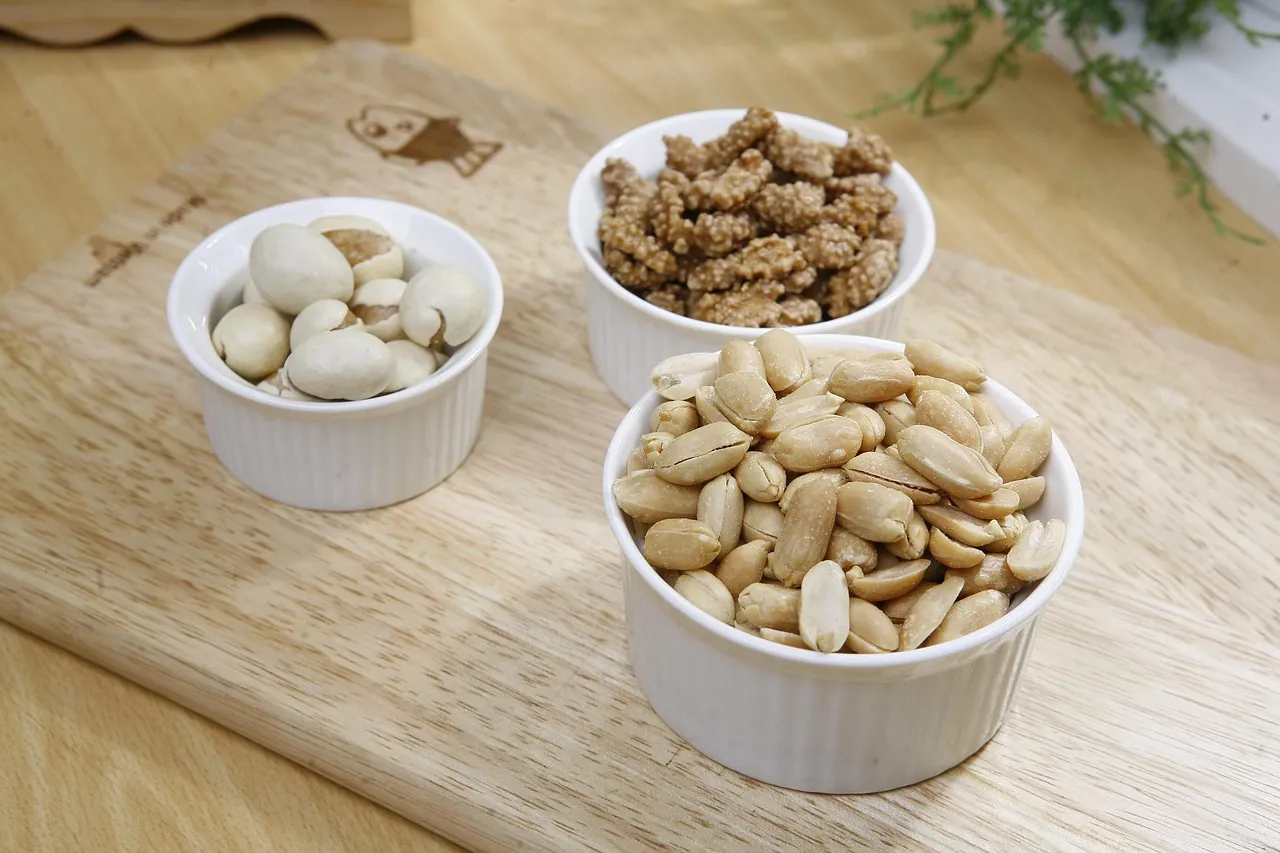
| Mixed nuts — almond, walnut, cashew | 30 g | 180 | 5 g | Grazeable without a plate |
| 2 idli with sambar and 1 tsp ghee | 2 pieces | 290 | 9 g | Light, familiar, fermented |
| Peanut chikki | 30 g | 160 | 5 g | For when nothing savoury appeals |
Four rules make that table usable. Eat by the clock, not by hunger. Add fat to food you already eat — a teaspoon of ghee adds about 45 kcal invisibly. Skip water right before a meal. And keep one drinkable option for days when solid food is impossible. Our high-protein Indian foods list works as a reference here — read it for the values, not the weight-loss framing.
Past the 5% threshold, do this with supervision rather than alone. An online dietitian consultation can build an intake plan around whatever your doctor finds and adapt it for reflux, IBS-type symptoms or medication side effects.
What quietly makes it worse
- Skipping breakfast because hunger has not arrived. That costs 300–500 kcal you rarely recover later in the day.
- Treating chai or coffee as a meal. Common in students and shift workers; it hits appetite and sleep at once.
- Training harder to “burn off the anxiety”. Intense exercise on a deficit accelerates lean-tissue loss.
- Weighing daily and panicking. Noise reads as catastrophe. Twice a week, same time, same scale.
- Waiting for the anxiety to lift before eating properly. Nutrition and mental health care run in parallel, not in sequence.
When food and anxiety have become tangled
Sometimes anxiety-driven appetite loss develops into fear of eating, rigid food rules, distress about the body, or relief at the falling number. The NHS lists eating disorders among the causes of unintentional weight loss. They are treatable, but not through a nutrition plan and not through self-management.
We are deliberately not describing those patterns in detail. If any of it is familiar, tell a doctor or a qualified mental health professional plainly; in India, the Tele-MANAS helpline (14416) is free and available around the clock. Early assessment shortens treatment.
Getting the anxiety itself looked at
Nutrition support treats the consequence; the anxiety needs its own route. NIMH notes that a generalized anxiety disorder diagnosis requires difficulty controlling worry on most days for at least 6 months, and lists cognitive behavioural therapy (its “gold standard” choice), acceptance and commitment therapy, SSRIs and SNRIs among treatments. Stomachaches, trembling and frequent trips to the bathroom appear in NIMH’s own symptom list — worth knowing if your gut symptoms were dismissed as “just stress”.
Fitstrot does not provide mental health treatment. What we can do is keep the eating side from quietly getting worse while the clinical side is sorted out.
Frequently asked questions
Can anxiety alone cause noticeable weight loss?
Yes, but indirectly. Anxiety suppresses appetite through adrenaline, speeds gut transit and raises restless energy expenditure, so intake falls. A 400–550 kcal daily shortfall can produce 2–2.5 kg of loss in a month. Anxiety should still only be accepted as the cause after a doctor has excluded thyroid, metabolic, infective and gastrointestinal causes.
How much weight loss from anxiety is too much?
More than 5% of body weight in 6 to 12 months without trying is the standard threshold for medical assessment, per Mayo Clinic. At 60 kg that is 3 kg; at 80 kg it is 4 kg. Losing 10% or more in 6 months, or 5% in a single month, warrants urgent review rather than a routine appointment.
Can anxiety cause weight loss even if I am eating normally?
It is much less likely. In anxiety-driven loss, appetite usually falls. Losing weight while eating normally or more than usual points elsewhere — the NHS notes that an overactive thyroid causes weight loss often despite increased appetite, and uncontrolled diabetes behaves similarly. Get thyroid function and blood glucose checked.
How long does anxiety-related weight loss usually last?
It typically tracks the anxiety itself: weight stabilises within a few weeks of appetite returning. But eating patterns formed during anxious months often persist after the anxiety eases, so weight does not always recover on its own. If it has not stabilised within 4 to 6 weeks of feeling better, get reassessed.
Should I start a weight-gain diet before seeing a doctor?
You can safely start eating more calorie-dense food straight away — that is not a treatment and it will not mask anything. What you should not do is delay the appointment because the scale stabilised. Regaining weight does not rule out an underlying condition; it only hides the most visible symptom of one.
Does exercise make anxiety-related weight loss worse?
Intense exercise can, by widening an existing calorie deficit and accelerating lean-tissue loss. Gentle movement generally helps — slow yoga, walking, stretching and breathwork support sleep and mood without meaningful extra burn. Postpone HIIT, long endurance sessions and heavy training until your weight has been stable for several weeks.
What tests might a doctor order for unexplained weight loss?
A 2023 study in Diagnosis found the most common first-line tests were a complete blood count (39%), a complete metabolic profile (35%) and thyroid stimulating hormone (27%). Depending on your symptoms a doctor may add HbA1c, coeliac serology, stool studies, a chest X-ray or imaging.
Is weight loss due to anxiety the same as an eating disorder?
No. Anxiety-related loss comes from a genuinely absent appetite, not from intent. Eating disorders involve a disturbed relationship with food, body image or control, and they need specialist treatment rather than a nutrition plan. The two can overlap, so tell a doctor or mental health professional if food itself has started to feel frightening.
The next step
Book the doctor’s appointment first, and take two weeks of dated weights and food notes with you. Once you know what you are dealing with, talk to our nutrition team about rebuilding intake at a pace your appetite can manage. We handle the nutrition side only; the medical and mental health side stays with your clinician.


