

A hormone balancing diet sounds like a switch you can flip, but no menu can “balance” your hormones the way a detox-tea ad promises. What food can do is smaller and more useful: it supplies the raw materials your body uses to make, convert and clear hormones, and it keeps blood sugar steady so insulin and cortisol do not swing all day. This guide shows what that looks like on an Indian plate, with grams, a one-day menu and a plain list of what diet cannot fix. If you have irregular periods, thyroid trouble or perimenopause symptoms, treat food as support alongside a doctor’s evaluation, never a replacement for it.
Does a hormone balancing diet actually exist?
Not as a single named diet. “Hormone balance” is not a lab value, and hormones like cortisol, insulin and estrogen are designed to rise and fall across the day and the month. What nutrition supports is a pattern: enough protein, enough fat, roughly 25-30 g of fiber, steady blood sugar, and adequate zinc, selenium and iodine.
That pattern looks a lot like ordinary good eating. A diet for hormonal imbalance only makes sense once you know what is actually off, and irregular cycles, unexplained weight change, constant fatigue and hair shedding all have several possible causes. Read the signs of hormonal imbalance in women and get bloodwork before assuming a food swap will fix it.
Why do protein and fat matter for hormone production?
Steroid hormones such as estrogen, progesterone, testosterone and cortisol are built from cholesterol, while peptide hormones such as insulin are built from amino acids. Very low fat or protein intake leaves the body short of raw material. A workable target is about 0.8-1.2 g of protein per kg of body weight and roughly 20-30% of calories from fat.
For a 60 kg woman eating about 1,800 kcal, that means roughly 50-70 g of protein and 40-60 g of fat a day. Many Indian diets run short on protein, especially vegetarian ones built around rice, roti and a thin dal. Crash dieters cut fat instead, and cutting oil, nuts and ghee to near zero starves the system that makes sex hormones.
Good fat sources on an Indian plate include groundnut, mustard or cold-pressed oils in measured amounts, nuts, seeds, a teaspoon or two of ghee, and fatty fish. Flaxseed (alsi) and walnuts add plant omega-3.
One warning matters more than any food tip. Eating far too little while training hard, called low energy availability, can make periods irregular or stop. If that has happened to you, eating more is part of the fix, and a doctor should look at it.
How does blood sugar stability affect hormones?
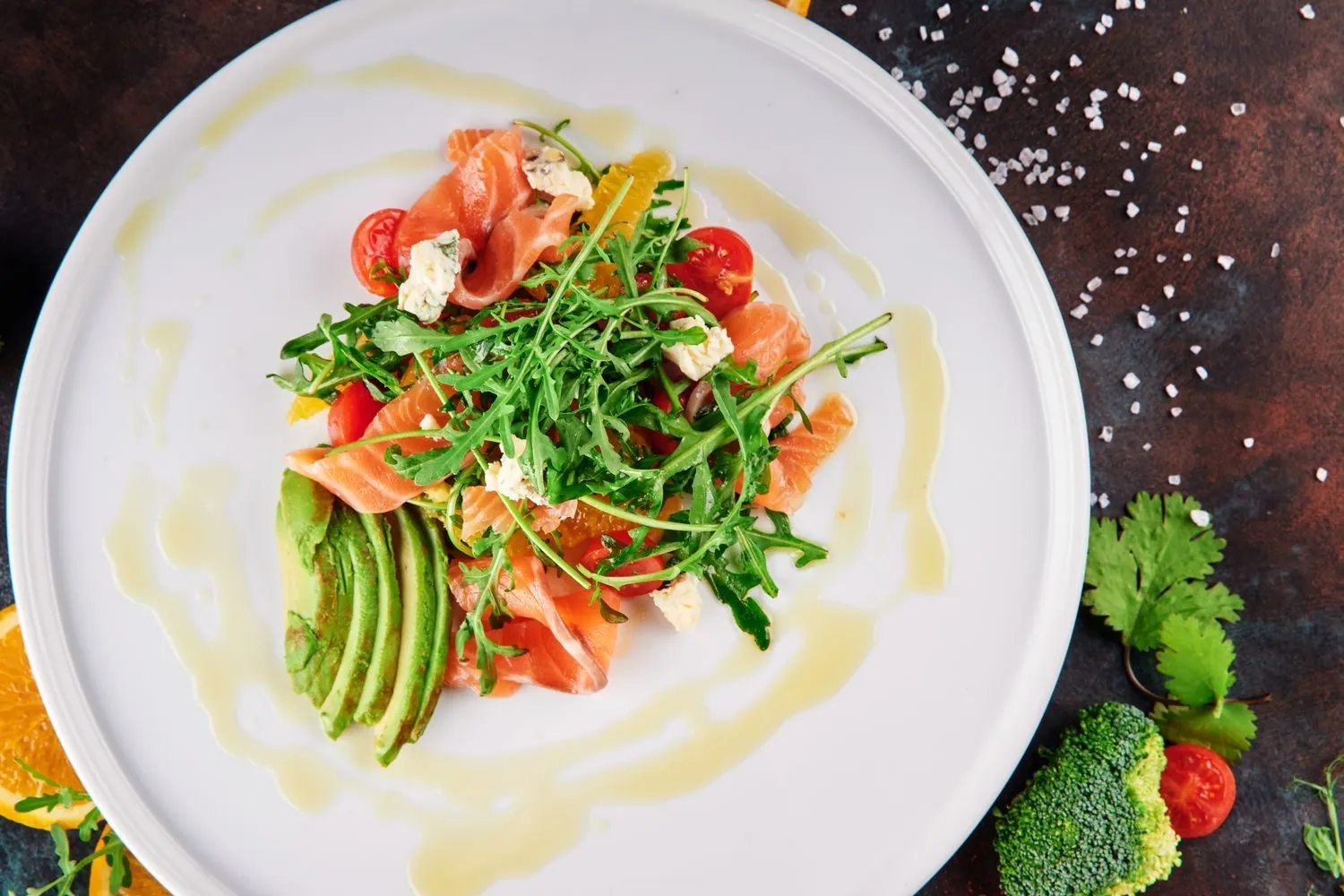
Insulin and cortisol influence each other, so big glucose spikes and crashes keep both working overtime. Pair every carbohydrate with protein, fat or fiber, eat at fairly regular intervals of about 3-4 hours, and keep sugary drinks occasional. That flattens most daily swings without cutting any food group.
This matters most when insulin runs high for long periods, as it does in insulin resistance and PCOS, where excess insulin can push the ovaries to make more androgens. Diet cannot reverse a diagnosed condition, but it can reduce how often spikes happen. If you want to understand which foods spike fastest, glycemic index and glycemic load explains the logic.
- Do not eat carbs alone. Add curd, dal, paneer, eggs, nuts or sprouts to rice, roti, poha or fruit.
- Choose higher-fiber carbs most days: whole wheat, bajra, jowar, oats, rajma, chana and whole fruit instead of juice.
- Avoid the skip-and-binge cycle, such as no breakfast, tea and biscuits at 11 am, then a huge late dinner.
- Keep sweet chai, cold drinks, packaged juice and mithai occasional.
Sleep and stress sit underneath all of this. A bad night raises next-day insulin resistance and appetite, and chronic stress keeps cortisol up, so see how sleep affects weight loss and how stress affects your diet and weight.
Hormone balancing foods: daily targets and Indian sources
These are general adult ranges, rounded, and individual needs vary with age, pregnancy, medical conditions and body size. Use them as a guide, not a prescription.
| Nutrient | Why it matters for hormones | Rough daily target | Indian sources |
|---|---|---|---|
| Protein | Raw material for insulin and other peptide hormones, and for the enzymes that convert hormones | About 0.8-1.2 g per kg | Dal, chana, rajma, paneer, curd, eggs, fish, soya chunks |
| Healthy fat | Cholesterol-based sex and stress hormones are built from it | Roughly 20-30% of calories | Nuts, seeds, alsi, walnuts, measured cooking oil, a little ghee, fish |
| Fiber | Helps carry used estrogen out in stool and slows glucose rise | Roughly 25-30 g | Vegetables, dal, rajma, oats, bajra, jowar, whole fruit |
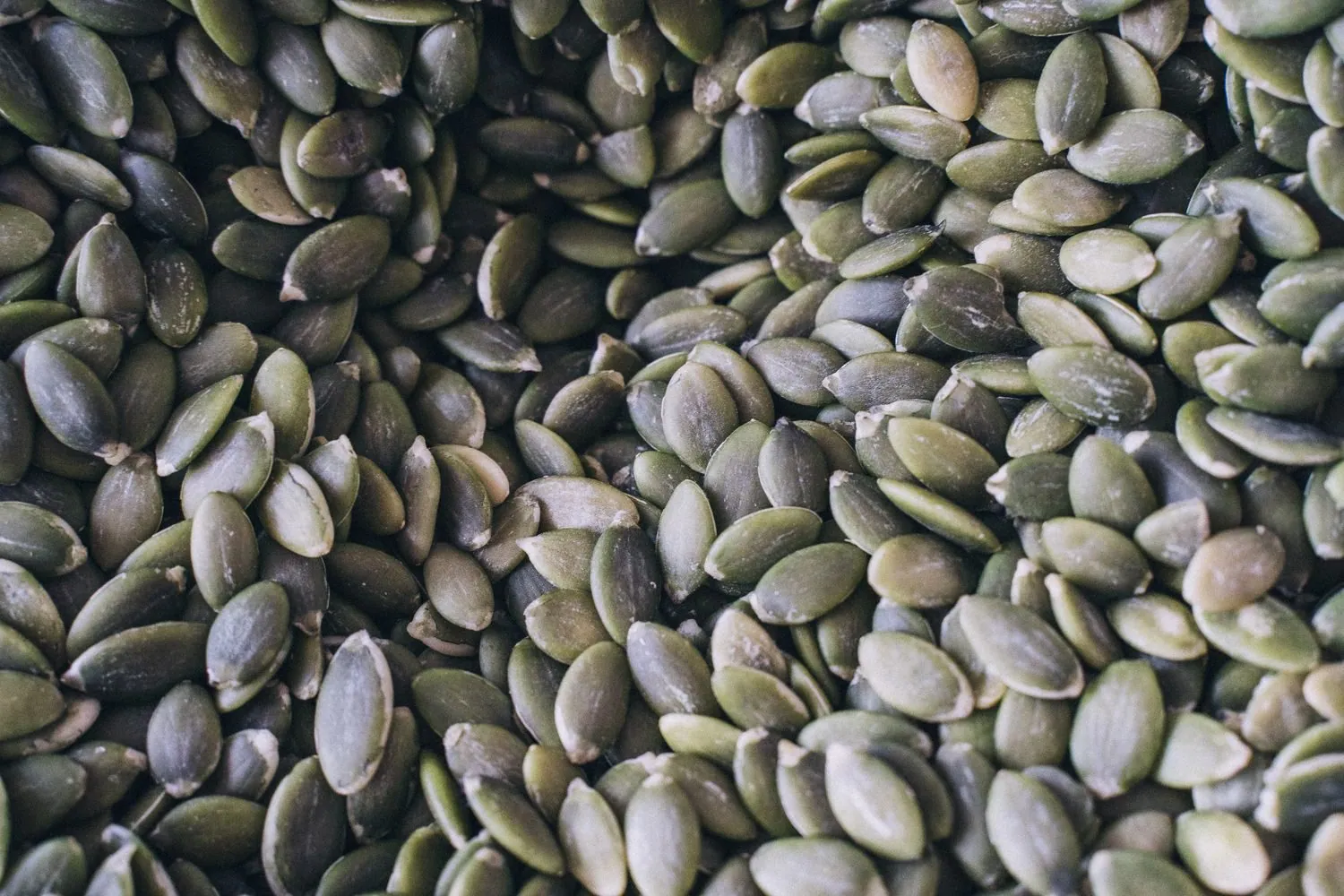
| Zinc | Needed for thyroid hormone activity and normal ovulation | About 8-12 mg | Pumpkin seeds, chana, cashews, sesame, curd, eggs, meat |
| Selenium | Helps convert inactive thyroid hormone into its active form | About 55 mcg | Eggs, fish, whole grains, one or two Brazil nuts at most |
| Iodine | A building block of thyroid hormones | About 150 mcg | Iodized salt (keep total salt near 5 g a day), milk, curd, fish |
Fiber helps because the liver sends used estrogen to the gut, and a fiber-rich gut is more likely to pass it out than let it be reabsorbed. That mechanism is plausible and useful, but it is not “detoxing”. Iodine cuts both ways, since too little and too much can both disturb the thyroid, so use iodized salt normally and skip kelp or iodine supplements unless a doctor advises them.
Selenium and zinc are the minerals most often linked to thyroid function, and most people can cover both from food. Oysters are the classic zinc source but rare in Indian kitchens; pumpkin seeds, chana, cashews and eggs do the same job. Too much selenium from supplements causes harm.
How to balance hormones naturally: myths to drop
- “Detox your hormones with a juice cleanse.” Your liver and gut already do this job. Cleanses usually mean too little protein and fat.
- “Cut all carbs.” Very low-carb eating can stress the system, especially if you also train hard or sleep badly. Steady, fiber-rich carbs are the aim.
- “Seed cycling fixes your cycle.” There is little reliable evidence that rotating flax, pumpkin, sesame and sunflower seeds shifts hormone levels. The seeds are still good food for fiber, zinc and fat.
- “Soy wrecks hormones.” Normal portions of tofu, soya chunks or soy milk are generally fine for most people. With thyroid disease or a hormone-sensitive condition, ask your doctor.
- “A herbal powder will balance everything.” Herbal and hormone supplements can interact with thyroid and other medicines. Check with your doctor before starting any, and never replace a prescribed medicine with one.
What does a hormone balancing diet look like on an Indian plate?
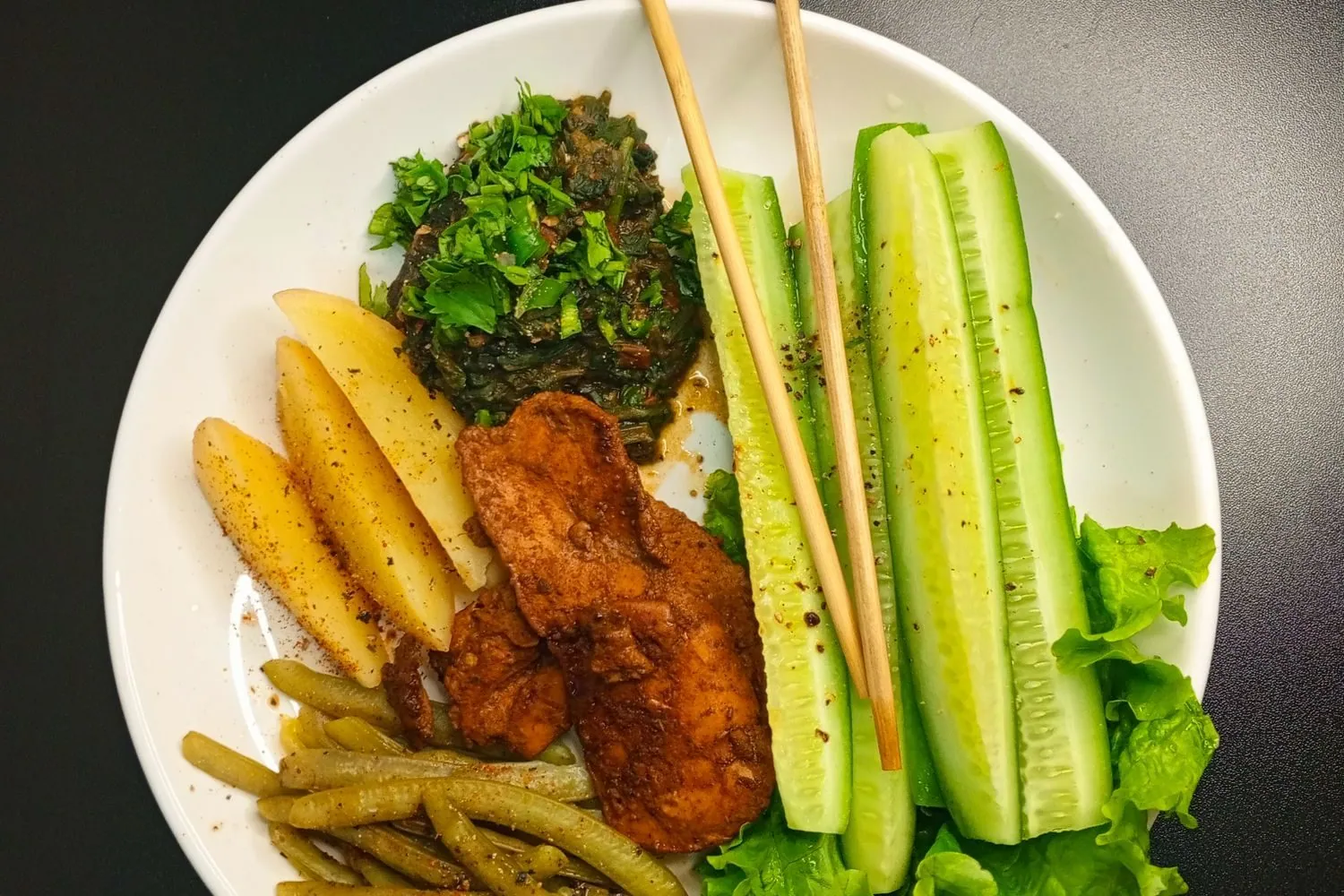
Build each meal from a protein source such as dal, paneer, curd, eggs or fish, a high-fiber carbohydrate such as millet, whole wheat or oats, vegetables covering about half the plate, and a small portion of fat. Across a day this lands near 65-80 g of protein for many adult women, with fiber working toward 25-30 g.
This is a template, not a calorie-counted prescription; scale portions to your size, activity and medical advice. For more structure, see our diet chart guide.
| Meal | Sample plate | Roughly protein | Why it works |
|---|---|---|---|
| Breakfast, 8 am | 2 besan chillas (about 60 g besan) with vegetables, 100 g curd, mint chutney | 16-18 g | Protein plus fiber starts the day without a sugar spike |
| Mid-morning | 1 guava or apple, 10 almonds or 1 tbsp pumpkin seeds | About 5 g | Fruit with fat and protein, not fruit alone |
| Lunch, 1 pm | 2 multigrain rotis, 1 large katori (about 150 g) dal, 150 g sabzi, salad, 100 g curd | About 20 g | Half the plate vegetables, steady carbs with dal |
| Evening, 5 pm | 30 g roasted chana, tea with little or no sugar | About 6 g | Replaces biscuits and namkeen |
| Dinner, 8 pm | 100 g paneer or fish or chicken, 150 g sabzi, 1 roti or a small bowl of rice, a teaspoon of ghee or oil in cooking | 22-25 g | Protein and fat at dinner, finished 2-3 hours before sleep |
Vegetarians can swap fish and chicken for paneer, tofu, soya chunks, sprouts or extra dal. If you eat vegan, a dietitian can help you cover protein, iodine and B12 properly.
Can diet help with PCOS, thyroid problems or menopause?
Diet can support these conditions but cannot replace treatment. Steady meals with enough protein and fiber help insulin sensitivity in PCOS, adequate iodine, selenium and zinc support thyroid function, and protein, calcium and strength work help through menopause. None of it cures a diagnosed condition, and only your doctor should change a medicine.
| Situation | What food can realistically do | What food cannot do | Who to involve |
|---|---|---|---|
| PCOS | Steadier blood sugar, better insulin sensitivity, easier weight management where relevant | Cure PCOS or replace prescribed treatment | Gynecologist or endocrinologist, plus a dietitian |
| Underactive thyroid or Hashimoto’s | Cover iodine, selenium and zinc from food and support overall nutrition | Replace thyroid medicine or reverse an autoimmune condition | Doctor first; ask about medicine timing around meals and supplements |
| Perimenopause and menopause | Support bone, heart and blood sugar health with protein, calcium and fiber | Stop the natural fall in estrogen | Doctor; see our best diet plan for menopause |
| Crash dieting or heavy training with periods missing | Restore energy availability by eating enough | Fix itself while intake stays low | Doctor, then a nutritionist |
If you want food advice that fits your reports, medicines and routine, an online nutritionist consultation is the sensible route. For general eating habits that overlap heavily with hormone-friendly eating, our nutrition for weight loss guide is a useful companion.
Troubleshooting: you changed your diet and nothing improved
- You judged it too soon. Energy and cravings can shift in days to a few weeks. Menstrual cycles need at least three cycles, about three months, before you can say anything.
- Protein is still low. Tally one normal day. If it falls well under 50 g, add curd, dal, eggs or paneer before changing anything else.
- You cut calories hard. A severe deficit undermines the hormones you are trying to support, particularly in women who exercise a lot.
- Sleep and stress are untouched. Broken sleep can cancel out a perfect plate.
- A medical cause is driving it. PCOS, thyroid disease, high prolactin and perimenopause all need testing, and food will only ever be part of the answer.
When to see a doctor or registered dietitian
See your doctor or a registered dietitian if you have missed periods for three months or more (and are not pregnant), very heavy or very painful periods, sudden unexplained weight change, new hair loss, persistent fatigue, a swelling in the neck, or symptoms that disrupt daily life. Also speak to them before using supplements if you take thyroid, diabetes or blood-pressure medicine, are pregnant or breastfeeding, or have a diagnosed hormonal condition. Never stop or change prescribed medicine because of anything you read online, including this article.
Once a doctor has cleared the basics, an online weight loss trainer can add movement around your schedule.
FAQ
Is there a specific hormone balancing diet I should follow?
No single named plan is proven. The evidence-based approach is a pattern: enough protein and fat, about 25-30 g of fiber, steady blood sugar and adequate zinc, selenium and iodine. It overlaps almost entirely with general healthy eating, and a diagnosed condition needs individual advice from a doctor or dietitian.
Should I cut carbs completely to fix my hormones?
No. Eliminating carbs can stress the body, and in some women it is linked to disturbed cycles and low energy. The aim is steadier blood sugar, which comes from pairing fiber-rich carbs such as dal, millets and whole fruit with protein or fat, not from removing them entirely.
Do I need zinc and selenium supplements, or is food enough?
Most people can meet both from food: pumpkin seeds, chana, cashews and eggs for zinc, and eggs, fish and a Brazil nut or two for selenium. Selenium is easy to overdo with supplements. Talk to your doctor before taking either, especially if you have thyroid disease or take regular medicine.
Will this way of eating fix my irregular periods?
It might help if under-eating, low protein or big blood sugar swings are part of the cause, but irregular periods also come from PCOS, thyroid problems, stress, perimenopause and other conditions. Try the dietary changes alongside, not instead of, a medical evaluation if irregularity lasts beyond about three months.
How long does a hormone-supportive diet take to show results?
It depends on the cause. Energy, cravings and digestion can improve within days to a few weeks. Menstrual cycle changes need roughly three months to judge. Correcting a true nutrient deficiency takes weeks to months under medical guidance, and diagnosed conditions need ongoing treatment alongside diet.
Next step: send your latest blood reports and a three-day food log to a Fitstrot dietitian through an online nutritionist consultation, and get a hormone-friendly Indian meal plan built around your own numbers.


