
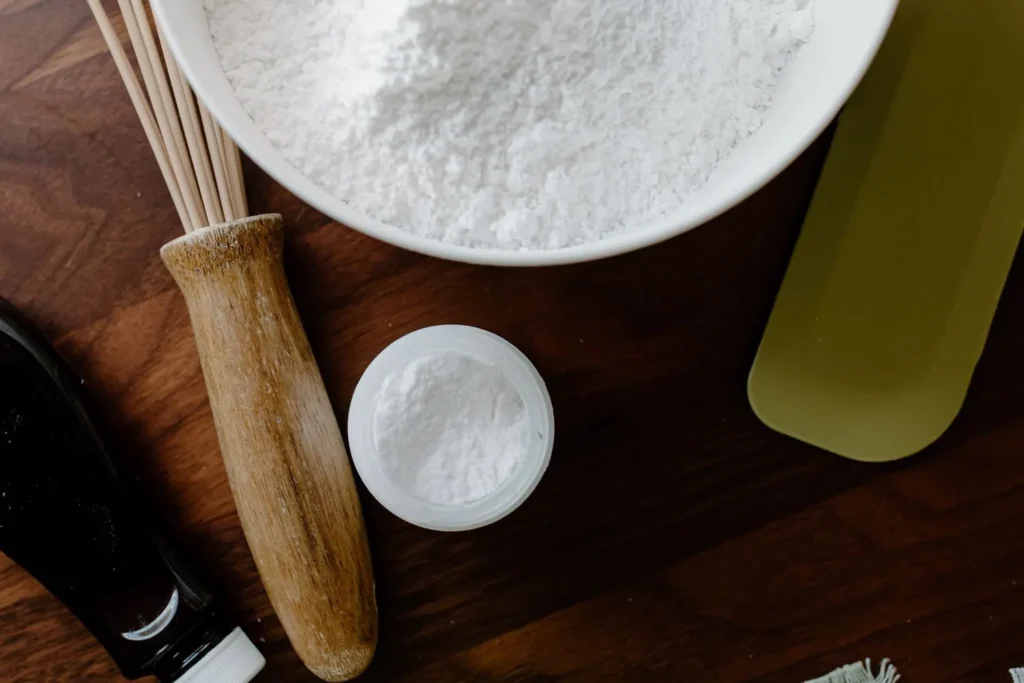
Stevia vs sugar is the simplest comparison in the sweetener aisle: purified stevia has zero calories and does not raise blood glucose directly, while one teaspoon of sugar gives you about 16 kcal and a fairly quick glucose rise. The harder questions are how stevia compares with monk fruit, sucralose, aspartame and erythritol, and whether swapping the sugar in your daily chai actually changes anything for your health. This guide answers both, with Indian examples, and says plainly where the evidence is thin.
This is general nutrition information, not medical advice. If you have diabetes or kidney disease, are pregnant, or take regular medication, see the “who should be careful” section first. For a wider list of options, see our guide to healthy sugar substitutes and natural sweeteners.
What is the difference between stevia and sugar?
Table sugar gives about 4 kcal per gram, roughly 16 kcal per teaspoon, and has a glycemic index of around 65. Purified stevia extract has zero calories, a glycemic index of about zero, and is roughly 200 to 300 times sweeter than sugar, so a tiny amount replaces a teaspoon of sugar.
That sweetness gap explains everything else. Because you use so little stevia, the calories vanish, but so does the bulk. Sugar also adds volume, browning and moisture, which stevia cannot. In tea that does not matter; in a cake or kheer it does.
The problem is quantity, not sugar itself. The World Health Organization suggests keeping free sugars below 10 percent of daily energy, and ideally below 5 percent, which is about 25 g or 6 teaspoons on a 2,000 kcal diet. Tea alone can use up most of it. Our guide on how sugar affects the body explains what happens when intake stays high for years.
Sweetener comparison table: calories, sweetness and cautions
Figures below are standard, rounded values. Sweetness multiples vary by product and blend, so treat them as approximate.
| Sweetener | Calories | Sweetness vs sugar | Effect on blood glucose | Main caution |
|---|---|---|---|---|
| Sugar (sucrose) | About 4 kcal/g (16 per tsp) | 1x | Raises it fairly quickly (GI about 65) | Easy to overshoot the 25 g daily guideline |
| Stevia (purified) | 0 | About 200-300x | No direct rise | Aftertaste in some brands; often sold as a blend |
| Monk fruit | 0 | About 150-250x | No direct rise | Costlier; many packs are blended with erythritol |
| Sucralose | 0 | About 600x | No direct rise | Long-term gut effects still being studied |
| Aspartame | Negligible at normal use | About 200x | No direct rise | Unsafe for people with phenylketonuria (PKU) |
| Erythritol | About 0.2 kcal/g | About 60-70% | No direct rise | Bloating or loose stools in larger amounts |
| Jaggery or honey | About 3-4 kcal/g | About 1x | Still raises it | Trace minerals are too small to change the picture |
Stevia vs monk fruit, sucralose, aspartame and erythritol
Stevia vs monk fruit. Both are plant-derived, zero-calorie and do not raise blood glucose directly. Monk fruit tends to taste rounder with less lingering bitterness, while stevia is cheaper and easier to find. If you dislike stevia’s aftertaste, monk fruit is a reasonable alternative, but check the label because many monk fruit products are mostly erythritol.
Stevia vs sucralose and aspartame. Stevia comes from the leaves of the Stevia rebaudiana plant, while sucralose and aspartame are made in a lab. Regulators set a daily ceiling for each, the acceptable daily intake (ADI), and normal use stays well below it. In 2023 the WHO’s cancer agency (IARC) placed aspartame in Group 2B, “possibly carcinogenic”, a category for limited evidence, while the joint FAO/WHO expert committee kept its ADI at 40 mg per kg of body weight. That means no confirmed harm at normal intakes, but a fair case for variety over heavy daily use.
Stevia vs erythritol. These two are usually partners, not rivals. Pure stevia has no bulk, so brands add erythritol to make it pour and bake like sugar. Erythritol is well tolerated by most people in small amounts but can cause gas and loose stools in larger ones. Some observational research links high blood erythritol with heart and clot events. That does not prove food amounts cause them, but it is a fair reason to avoid very large daily doses, especially with heart risk factors.
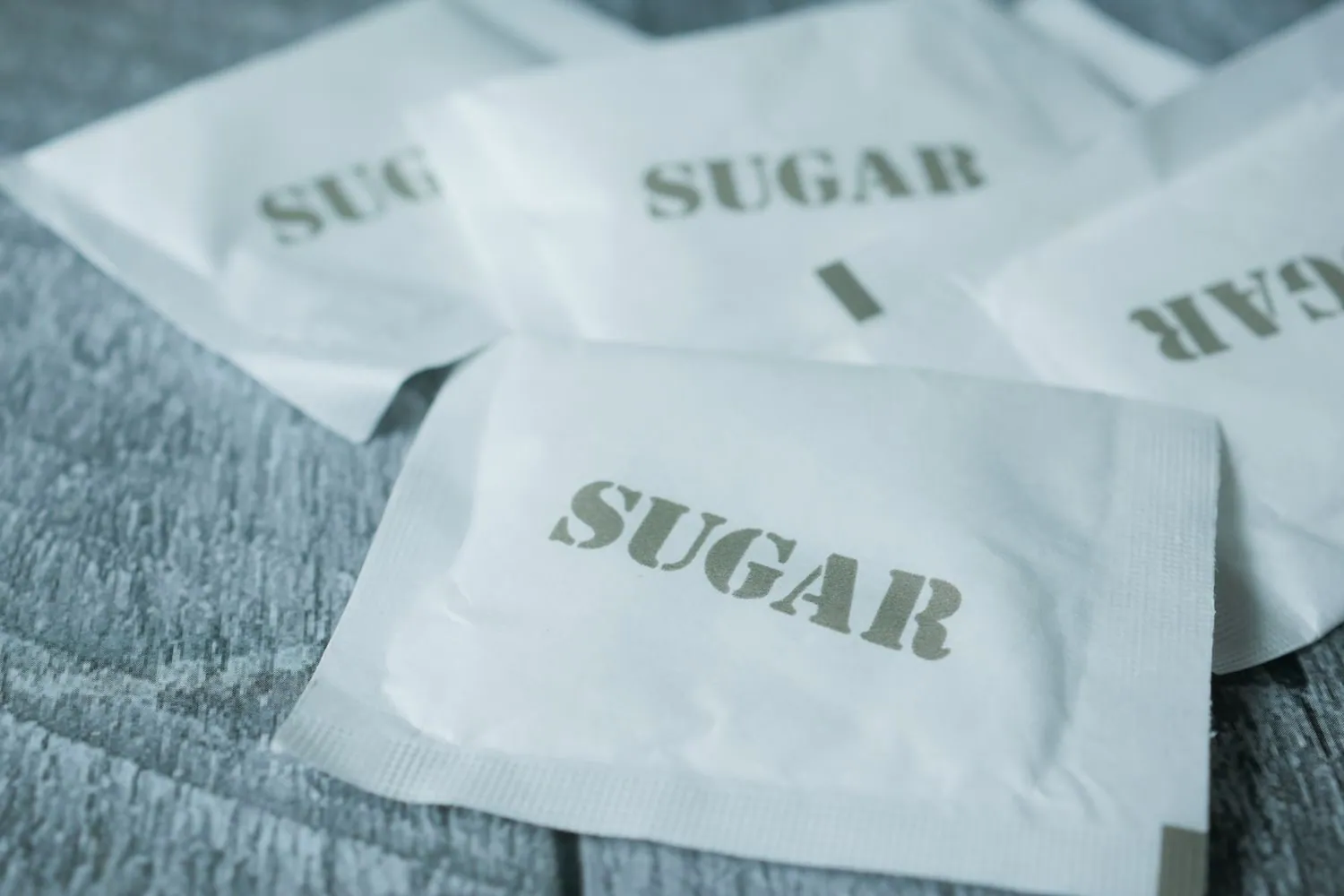
On Indian labels, look for the INS numbers: 960 is steviol glycosides (stevia), 955 is sucralose, 951 is aspartame, 950 is acesulfame potassium and 968 is erythritol. A “sugar-free” mithai or drink often carries two or three of these together.
Myth check: natural is not always better, artificial is not always worse
Myth: Stevia is just a leaf, so any amount is fine. Reality: the stevia on shop shelves is a processed, purified extract of steviol glycosides, often mixed with other ingredients. Whole leaf and crude extracts are not regulated the same way as purified ones. Stay within the daily ceiling and read the ingredient list.
Myth: Artificial sweeteners are proven to cause cancer. Reality: regulators have not confirmed that at approved intakes. Limited evidence is not proven harm, nor proven safety, so moderation is sensible.
Myth: Sugar-free means healthy. Reality: a sugar-free biscuit still contains refined flour and fat, and sugar-free mithai can carry similar calories to the regular version. Removing sugar from a food does not turn it into a health food.
Does switching to stevia help with weight loss?
It can help a little by removing sugar calories. Replacing six teaspoons of sugar a day, such as three cups of chai with two teaspoons each, saves about 96 kcal, roughly one small banana. The WHO advised in 2023 that sweeteners alone are not a reliable long-term weight-control tool, so treat them as one small lever.
On paper, 96 kcal a day is about 35,000 kcal a year, or 4 to 5 kg of body fat. In real life it is less, because people often eat a little more elsewhere and bodies adapt. The swap works best when the rest of your plate stays consistent.
If you want a plan built around your actual diet and routine, our online weight loss trainer programme pairs food changes with a workout schedule you can follow at home.
How to switch from sugar to stevia, step by step
- Measure your starting point for three days. Count teaspoons of sugar in tea, coffee, lassi, nimbu pani and sweets. Most people underestimate by a third or more.
- Pick one drink to switch first. Chai is the usual candidate. Replace all the sugar with stevia, or cut sugar by half and top up with stevia if you prefer a gentler change.
- Dissolve it properly and start small. Use less than you think you need and add more only if required. Too much stevia is the most common cause of bitterness.
- Reduce overall sweetness over 3 to 4 weeks. Your taste adjusts. Aim for less sweet, not just sugar-free, otherwise cravings for sweet food stay exactly where they were.
| Everyday item | With sugar (approx.) | Lower-sugar approach | Note |
|---|---|---|---|
| Cup of chai | 2 tsp sugar, about 32 kcal | Stevia tablet or drops, or 1 tsp sugar | Add after the boil; stevia can taste sharper in very hot milk tea |
| Nimbu pani (1 glass) | 2 tsp sugar, about 32 kcal | Stevia plus a pinch of salt | Dissolve fully in a little warm water first |
| Sweet lassi (1 glass) | 2-3 tsp sugar, about 32-48 kcal | Salted or lightly sweet lassi | Ripe fruit adds sweetness without any sweetener |
| Home-made kheer or halwa (1 katori) | 1-2 tbsp sugar, about 50-100 kcal | Smaller portion; reduce sugar by a third | Pure stevia will not replace the bulk of the sugar |
Troubleshooting: bitter aftertaste, stomach upset and stubborn cravings
- Bitter or metallic aftertaste. Use less. Try a product that lists Reb M or Reb D, which are usually smoother than a basic Reb A or whole-leaf powder. Mix it into the drink while still warm so it dissolves evenly.
- Bloating or loose stools. This is usually the erythritol or another sugar alcohol in the blend, not the stevia. Check the ingredient list, cut your amount in half and see if it settles. If it keeps happening, stop using that product.
- Baking turns out dry or flat. Stevia alone provides no bulk. Use a baking blend, or replace only part of the sugar and keep the rest to maintain texture.
- Cravings do not go away. Sweet taste, with or without calories, keeps the habit alive. Build meals around protein and fibre, sleep properly, and lower sweetness gradually. Our guide to hidden sugar foods helps you find the sources you are not counting.
Who should be careful with stevia and other sweeteners?
People with diabetes, pregnant or breastfeeding women, young children, people with PKU, and anyone with kidney or digestive conditions should check with a doctor or registered dietitian before using sweeteners regularly. Purified stevia is approved for general use, but individual conditions change what is sensible, and total diet matters more than the sweetener alone.
| Group | Why it matters | Sensible step |
|---|---|---|
| Diabetes or prediabetes | Zero-calorie sweeteners avoid the direct glucose rise from sugar, but the rest of the meal still counts | Plan meals with a dietitian; keep monitoring as advised |
| Pregnancy and breastfeeding | Purified steviol glycosides within the ADI are generally accepted, but advice differs by individual | Ask your gynaecologist or dietitian; avoid whole-leaf or crude products |
| Young children | Small bodies, big sweet-taste habits | Keep sweet foods and drinks minimal rather than swapping sweeteners |
| PKU | Aspartame contains phenylalanine | Avoid aspartame completely; read labels |
| Kidney disease or IBS | Sweetener choice and sugar alcohols may not suit you | Follow your nephrologist’s or dietitian’s advice |
See your doctor or registered dietitian if you manage diabetes or blood pressure with medication, you are pregnant, you have kidney disease, you get persistent stomach symptoms after sweeteners, or you are using sweeteners to manage a medical condition. Do not change or stop any medication based on what you read here. Our guides to diabetes nutrition and diabetes-friendly snacks give general food ideas to discuss with your care team.
Is stevia safe to have every day?
Purified stevia (steviol glycosides) is approved by major regulators, with an acceptable daily intake of 4 mg per kg of body weight, expressed as steviol equivalents. For a 60 kg adult that is about 240 mg, far more than tea or coffee sweetening usually supplies. Whole leaf and crude extracts are not approved in the same way.
Sweetening two to four hot drinks a day usually stays comfortably under that ceiling, though products differ, so check the pack. If a new product gives you headaches, dizziness or bloating, stop using it and mention it to your doctor.
Which sweetener is healthiest? A quick decision guide
No single sweetener wins for everyone. For tea, coffee and nimbu pani, purified stevia or monk fruit are sensible zero-calorie choices. For baking, a stevia-erythritol blend behaves best. If you keep using sugar, stay under about 25 g a day in total, counting mithai and packaged food.
- Lowest calories and no direct glucose rise: purified stevia or monk fruit.
- Sensitive to aftertaste: a high-purity Reb M stevia or a monk fruit product, in small amounts.
- Baking or mithai: a stevia-erythritol blend, or less sugar rather than none.
- Cutting sweetness altogether: use sweeteners as a bridge, not a permanent crutch.
Frequently asked questions
Is stevia better than sugar for diabetes?
Purified stevia does not raise blood glucose directly, which is the main advantage over sugar. But total meals, portion sizes and medication still decide your glucose control. Speak to your doctor or dietitian, and never change medication on the basis of a sweetener swap.
Can stevia cause side effects like gas or bloating?
Pure stevia rarely does. Bloating usually comes from sugar alcohols such as erythritol in blended products. Check the ingredient list, reduce the amount, and stop using the product if symptoms continue.
Is monk fruit better than stevia?
Health-wise they are very similar: both are zero-calorie and do not raise blood glucose directly. Monk fruit often tastes rounder, while stevia costs less and is easier to find. Pick the one you will actually enjoy and use in moderation.
Is jaggery or honey a better choice than sugar or stevia?
Not for calories or blood glucose. Jaggery has about 4 kcal per gram and honey about 3, so both still raise blood glucose. Their trace minerals are too small to matter, so use them in small amounts, like sugar.
Can I use stevia for baking and mithai?
Partly. Stevia provides sweetness but no bulk, browning or moisture, so recipes can turn out dry or flat. Use a baking blend or replace only some of the sugar, and keep portions of mithai small.
Want a sweetener plan that fits your own meals? Book an online nutritionist consultation with Fitstrot and bring a three-day food diary, including every chai and sweet.


