
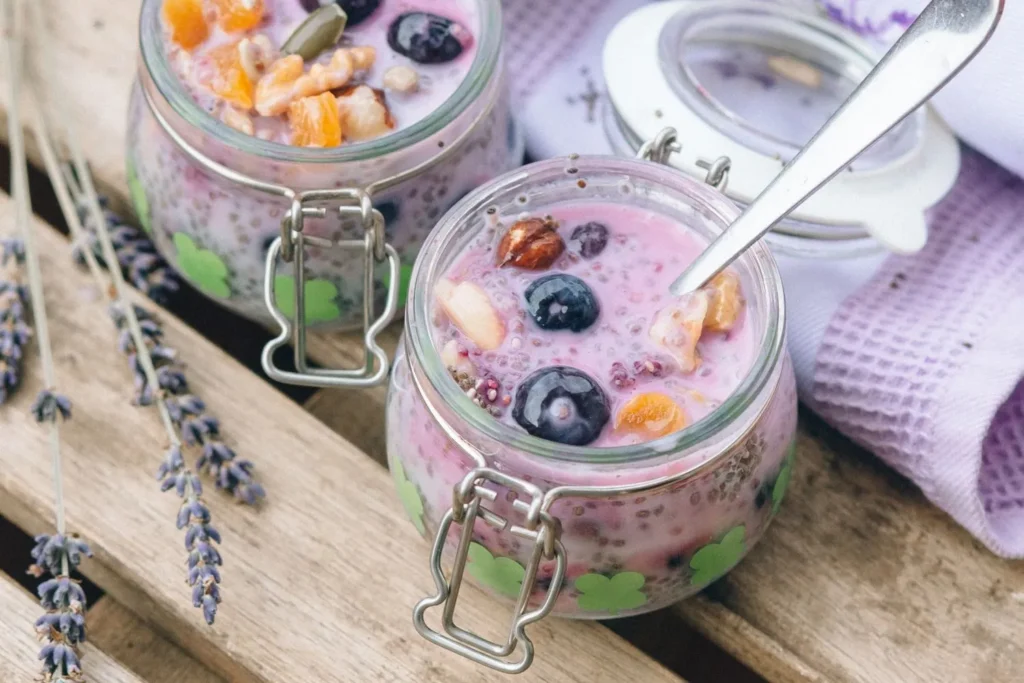
The best quick healthy breakfast ideas are the ones that fit a real Indian morning: a 20-minute window, a tiffin to pack and a bus or Metro to catch. The fastest route is to do the slow part the night before. Soak the dal, soak the oats in curd, boil the eggs. Below are ten tested options with rough calories and protein, a sample five-day plan, fixes for the reasons quick breakfasts fall apart, and a pantry list that makes “quick” the default.
What makes a breakfast quick and healthy?
A quick, healthy breakfast needs under 10 minutes of active effort on the day and puts roughly 10-20 g of protein, some fibre from dal, oats, fruit or vegetables, and a modest amount of fat on the plate. If it needs a blender, a tawa and three decisions at 7 am, it will not survive past Wednesday.
Almost every workable breakfast falls into one of three formats:
- Made the night before: overnight oats in curd, chilla batter, soaked and sprouted moong, boiled eggs. You open the fridge and eat.
- Ten minutes on the tawa: chilla, egg bhurji, vegetable poha, upma. Chopping is the slow part, so chop on Sunday.
- Zero prep: curd with fruit and nuts, a banana with peanut butter, a boiled egg with a roti. These are the fallback for the worst mornings.
If your main goal is protein, our list of high-protein breakfast ideas goes deeper on that. If heart health is the priority, see heart-healthy breakfast ideas. This page is about removing the time excuse first.
Ten quick breakfasts compared: time, calories and protein
Figures are rough home-kitchen estimates for one serving and will shift with your oil, portion and brand. Use them to compare options, not to count to the last calorie.
| Breakfast | Active time | About kcal | About protein | Why it works |
|---|---|---|---|---|
| Moong dal chilla (2 small, with onion and coriander) | 10 min (batter soaked overnight) | 180-220 | 10-12 g | Dal batter keeps 1-2 days in the fridge |
| Besan chilla with grated vegetables (2 small) | 8 min | 200-240 | 9-11 g | No soaking needed, just mix and pour |
| Vegetable poha with peanuts (1 cup cooked) | 10 min | 230-280 | 5-7 g | Familiar, light, easy to pack |
| Vegetable upma (1 cup, suji or rava) | 12 min | 220-270 | 5-7 g | One pan, chop vegetables ahead |
| Overnight oats in curd (40 g oats, 150 g curd, fruit) | 5 min the night before | 280-330 | 11-14 g | Nothing to do in the morning |
| 2 boiled eggs with 1 roti | 2 min (eggs boiled earlier) | 240-280 | 14-16 g | Eggs keep about a week in the shell, refrigerated |
| Egg bhurji with vegetables and 1 roti | 8 min | 290-340 | 15-18 g | Faster than most people expect |
| Sprouts chaat (1 cup moong sprouts, onion, tomato, lemon) | 5 min | 120-160 | 7-9 g | High fibre, no cooking |
| Paneer and vegetable sandwich (2 whole-wheat slices, 50 g paneer) | 7 min | 290-340 | 13-16 g | Wraps in foil for a tiffin |
| 3 idlis with sambar | 5 min (batter ready) | 240-290 | 8-11 g | Idli batter lasts several days refrigerated |
Two patterns are worth noticing. The options built on dal, eggs, paneer or curd give you the most protein for the least effort. Poha and upma are lighter on protein, so add peanuts, sprouts or a bowl of curd on the side rather than leaving them as plain carbohydrate.
Myth: you must eat within an hour of waking, and it must be heavy
Neither is a rule. Some people wake up hungry and do better with food early. Others are not hungry until 10 am and feel fine eating later. What matters more is what the rest of your day looks like. A skipped breakfast followed by a sensible lunch is not a disaster, and a heavy paratha-and-butter breakfast every day is not automatically “healthy” just because it is traditional.
The real problem is the pattern where no time leads to no breakfast, which leads to a tea-and-biscuit gap, which leads to a very large lunch or an evening snack binge. If that is you, quick prep solves it. If you genuinely are not hungry in the morning, a few bites of curd with fruit or one boiled egg is a reasonable middle ground, and forcing a full plate is not required.
One honest caution: no breakfast, on its own, will melt fat. A breakfast helps by making your day easier to manage. Your total food over the week, your sleep and your movement do the heavy lifting. If you want a framework for the rest of the day, how to build a healthy plate covers lunch and dinner proportions.
How do you prep a week of breakfasts in 30 minutes?
Pick two or three breakfasts, then spend about 30 minutes on Sunday doing the shared work: soak dal, boil 6-8 eggs, chop onion, tomato and capsicum, and portion oats or sprouts into jars. Store everything in the fridge. On weekdays you only heat, mix or assemble, which takes 5-10 minutes.
- Soak and sprout (5 minutes): Soak 1 cup moong dal for chilla batter. Soak or rinse a second batch of whole moong to sprout over the next day.
- Boil eggs (12 minutes, mostly waiting): Boil 6-8 eggs and keep them unpeeled in the fridge.
- Chop once (10 minutes): Dice onion, tomato, capsicum and coriander into two boxes. One goes into chilla and bhurji, the other into poha and upma.
- Grind the batter (5 minutes): Blend the soaked dal with green chilli and ginger, and refrigerate. It keeps for 1-2 days, so plan to use it early in the week.
- Jar the no-cook options (5 minutes): Fill two or three jars with oats, so each morning you only add curd and fruit. Add the curd the night before you eat each one.
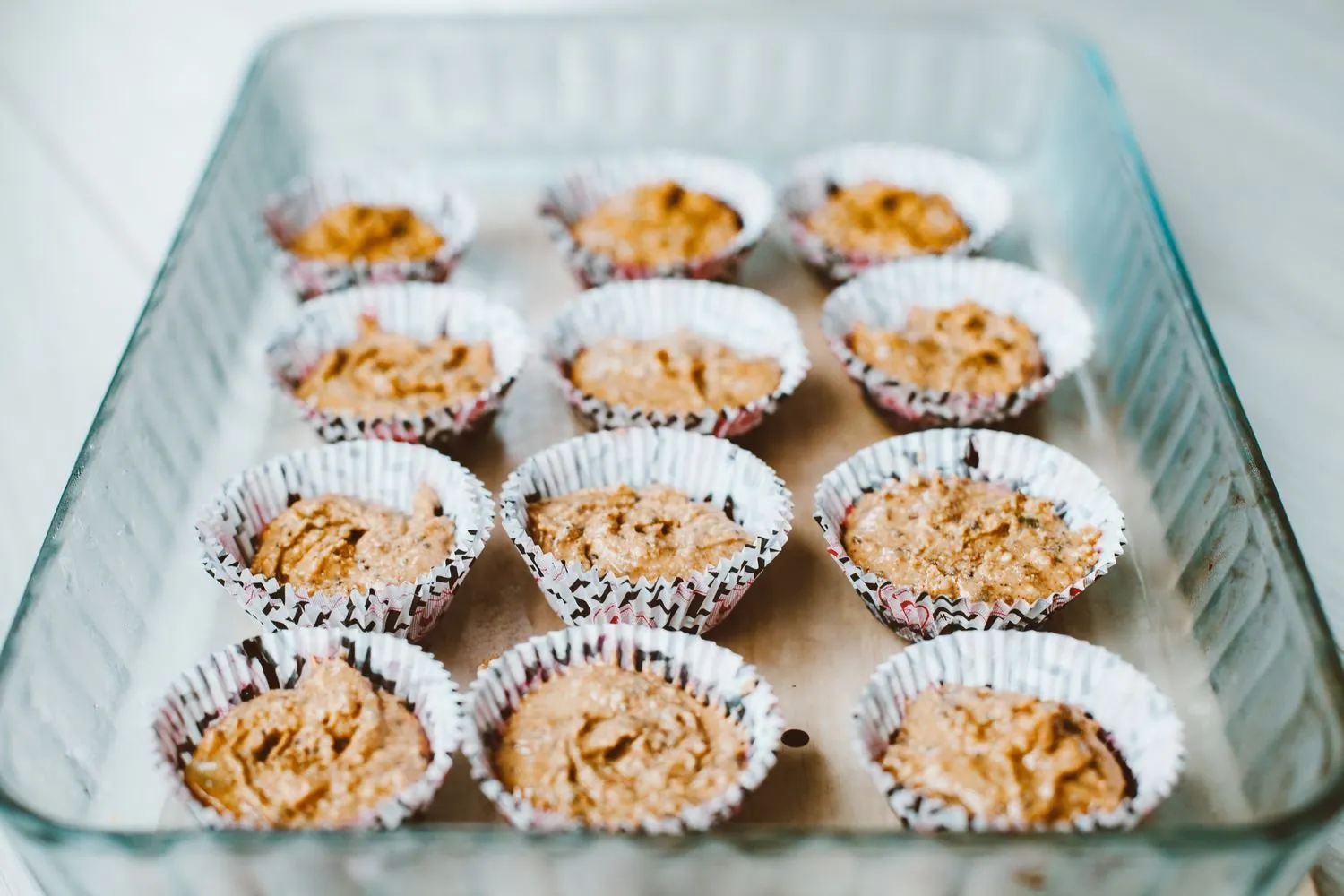
If you like egg muffins, they batch well too. Whisk 8-10 eggs with chopped onion, spinach, capsicum and a pinch of salt and pepper, fill a greased 12-cup muffin tin about three-quarters full, and bake at roughly 175 degrees Celsius for 18-20 minutes. They keep for about four days in the fridge and reheat in under a minute. The same Sunday session can set up lunches too, which is the idea behind meal planning in nutrition.
A sample five-day plan that needs under 10 minutes a morning
Use this as a template and swap in what your household actually eats. Vegetarians can replace the egg days with paneer, besan chilla or extra sprouts.
| Day | Breakfast | Night-before or Sunday task | Morning effort |
|---|---|---|---|
| Monday | Moong dal chilla, mint chutney | Batter ground on Sunday | 10 min |
| Tuesday | Overnight oats in curd with banana | Jar filled Monday night | 1 min |
| Wednesday | Egg bhurji with 1 roti | Vegetables already chopped | 8 min |
| Thursday | Sprouts chaat with a glass of buttermilk | Sprouts grown Sunday and Monday | 5 min |
| Friday | Vegetable poha with peanuts and curd | Vegetables chopped, peanuts roasted | 10 min |
Notice that no two days repeat, but only three or four base preparations are involved. Variety without daily effort is the whole trick.
Troubleshooting: why quick breakfasts fall apart by Wednesday
- Hungry again by 11 am: The breakfast was mostly carbohydrate. Add an egg, a bowl of curd, a handful of sprouts or a spoon of peanuts, and aim for roughly 12-15 g of protein.
- Overnight oats turn mushy or sour: Eat them within 2-3 days, keep them cold, and add fruit and any crunchy topping just before eating.
- Chilla sticks or breaks: The tawa is too cool or the batter is too thick. Heat the pan well, thin the batter to a pouring consistency, and use a little oil.
- You are bored by day three: Rotate three or four options rather than repeating one. Change the chutney or topping, not the whole recipe.
- Weekday mornings are chaos: Fall back to the zero-prep tier: curd, fruit and a handful of nuts, or two boiled eggs and a banana. A basic breakfast you eat beats an elaborate one you skip.
- Tea and biscuits creep back in: Keep a ready-boiled egg or a small tub of curd at eye level in the fridge. The easier option wins.
The same logic applies later in the day, and our guide to healthy snacks on the go covers portable options for the mid-morning gap.
Quick breakfast picks for office-goers, students and weight-loss goals
Different mornings call for different choices. This table matches common situations to a sensible option and one tweak.
| Situation | Best pick | Tweak |
|---|---|---|
| Office commuter with a tiffin | Paneer sandwich or besan chilla rolls | Wrap in foil and eat within 3-4 hours |
| Student in a hostel or PG | Boiled eggs with bread or roti, or curd with banana | Keep a few eggs boiled for the week if you have a fridge |
| Parent packing school lunches too | Idli or chilla made in the same session as the tiffin | Double the batch, eat one portion yourself |
| Wants to lose weight | Sprouts chaat, moong chilla or egg bhurji with vegetables | Go easy on oil and fried sides, and keep portions steady |
| Vegetarian or eggless | Moong chilla, paneer sandwich, curd oats | Add dal, paneer or sprouts for protein |
| Trains before work | Banana and a few almonds, then a fuller breakfast after | Keep the pre-workout bite light |
For weight loss, breakfast is a tool, not a trick. A sensible breakfast can make it easier to stay within your calorie needs, but no breakfast guarantees fat loss, and anyone promising rapid results from one meal is selling something. If your goal is steady, safe weight loss, an online weight loss trainer can build breakfast into a full routine that includes training and sleep.
What should an Indian kitchen stock for fast breakfasts?
Stock a few staples in each place: curd, eggs, paneer and chopped vegetables in the fridge; frozen peas, spinach and idli-dosa batter in the freezer or fridge; and oats, poha, suji, besan, moong dal, peanuts and almonds in the pantry. With these you can make most meals above in under 10 minutes.
- Fridge: curd, eggs, paneer, milk, coriander, ginger, green chillies and one pre-chopped vegetable box.
- Freezer or batter shelf: peas, spinach and a container of idli-dosa batter. Frozen fruit works for smoothies if you prefer them.
- Pantry: rolled oats, thick poha, suji, besan, whole and split moong dal, roasted peanuts, almonds, peanut butter and whole-wheat bread or atta.
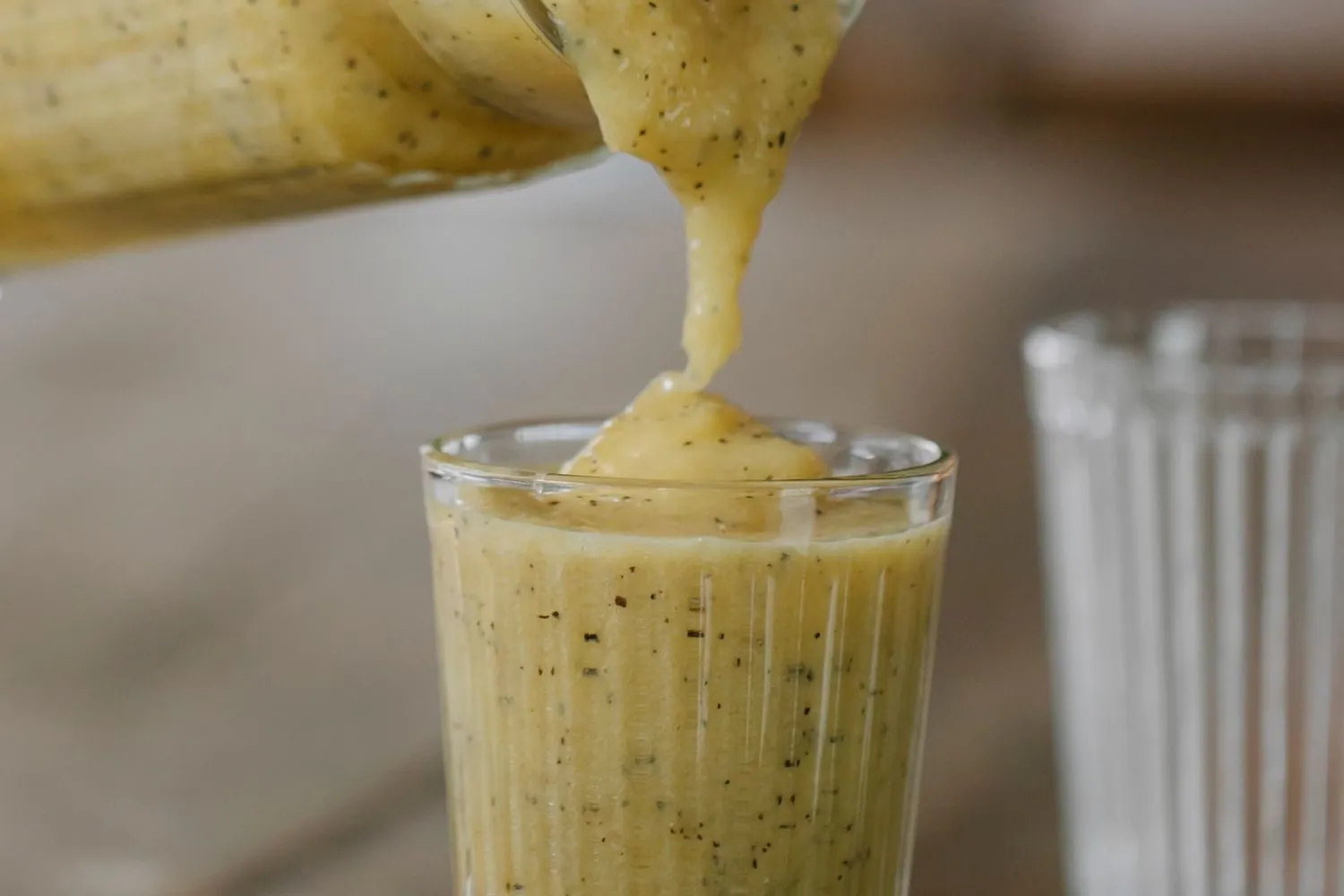
Smoothie packs are a handy extra. Portion banana, spinach and berries or chopped papaya into freezer bags, then blend one pack with milk or curd for under a minute.
Keep the rotation short. Three or four breakfasts you enjoy and can make on autopilot will serve you better than a new recipe every morning.
Frequently Asked Questions
Can overnight oats be eaten cold, and how long do they keep?
Yes, overnight oats are meant to be eaten cold. The oats soften by absorbing curd or milk in the fridge. Eat them within 2-3 days, and warm them for 30-60 seconds in the microwave if you prefer a warm bowl. Add fruit and crunchy toppings just before eating.
How much protein should a quick breakfast have?
For most healthy adults, roughly 15-20 g of protein at breakfast is a sensible target, and anywhere between 10 and 25 g works depending on body size and goals. Two eggs, a bowl of curd with nuts, or two moong chillas with a side of curd will get you there.
Is poha a healthy breakfast?
Yes, with a few additions. Plain poha is mostly carbohydrate and gives only about 5-7 g of protein per cup. Adding peanuts, vegetables and a bowl of curd or a boiled egg makes it more filling and balanced, and keeps hunger away until lunch.
What can I eat for breakfast when I have no time at all?
Use the zero-prep options: a bowl of curd with fruit and a few nuts, two boiled eggs with a banana, or a banana with a spoon of peanut butter. Boil eggs or portion nuts on Sunday and these take under two minutes.
How long can I store batter and batch-cooked breakfast in the fridge?
Dal chilla batter keeps about 1-2 days, and idli batter keeps for several days when refrigerated. Boiled eggs last about a week in the shell, and cooked items like egg muffins last roughly three to four days. Reheat cooked food until steaming hot and discard anything that smells off.
If you would like a breakfast rotation matched to your schedule, food preferences and goals, book an online nutritionist consultation with Fitstrot and walk away with a plan for the week.


