

A gluten free diet plan is a medical treatment for some people, not a general wellness upgrade. If you have coeliac disease, a diagnosed wheat allergy or confirmed gluten sensitivity, cutting out wheat, barley and rye matters a great deal. If you do not, it can leave you with less fibre and fewer B vitamins. This guide gives beginners an Indian, whole-food way to start safely, with a 7-day plan, label tips and fixes for early problems.
Please read this first. Do not stop eating gluten until your doctor has told you testing for coeliac disease is finished. The blood tests and biopsy only work while gluten is still in your diet, so going gluten-free early can hide the answer you need. This article is general education, not a diagnosis, and it cannot replace advice from your doctor or a registered dietitian.
Should you get tested before starting a gluten free diet?
Yes, if you have ongoing bloating, loose stools, weight loss you cannot explain, anaemia or constant tiredness. Ask your doctor about coeliac testing before you remove gluten. Tests are only reliable while you still eat gluten, and a diet started too early can make a coeliac diagnosis harder to confirm.
Coeliac disease affects roughly 1 in 100 people worldwide, and many never get diagnosed because symptoms can be mild or look like other problems. Only a doctor can tell you whether your symptoms point to it, to a wheat allergy, to gluten sensitivity or to something unrelated. Our coeliac disease diet and nutrition guide covers the diagnosed condition in more depth.
Who actually needs to avoid gluten?
Gluten is the protein in wheat, barley and rye. Three groups are usually advised to avoid it, and what “avoid” means differs for each.
Coeliac disease
An autoimmune condition in which gluten damages the lining of the small intestine and interferes with nutrient absorption. Doctors treat it with a strict, lifelong gluten-free diet, including small traces from shared utensils and oil.
Non-coeliac gluten sensitivity
Some people feel unwell after gluten, with bloating, headaches or fatigue, yet test negative for coeliac disease and wheat allergy. This is only identified after those conditions are ruled out. Strictness varies from person to person and is best set with a doctor or dietitian.
Wheat allergy
An allergic reaction to wheat proteins, which can bring hives, swelling or breathing trouble within minutes to hours. People with a wheat allergy mainly avoid wheat, and need an allergy specialist’s guidance on other grains. Any breathing difficulty or swelling of the lips or face is an emergency.
Myth: is a gluten-free diet healthier for everyone?
No. Without a medical reason, there is no good evidence that removing gluten improves health or speeds weight loss. Whole wheat, barley and rye supply fibre, iron and B vitamins, and many packaged gluten-free biscuits and breads are lower in fibre and higher in sugar, starch and price.
Gluten itself is not fattening, toxic or inflammatory for people who tolerate it. People often lose weight on gluten-free diets simply because they stop eating biscuits, bread and fried snacks, not because gluten is special. If weight is your real goal, an online weight loss trainer can build a plan that does not cut out a whole food group, and our post on common nutrition myths covers other claims worth questioning.
Which common Indian foods contain gluten?
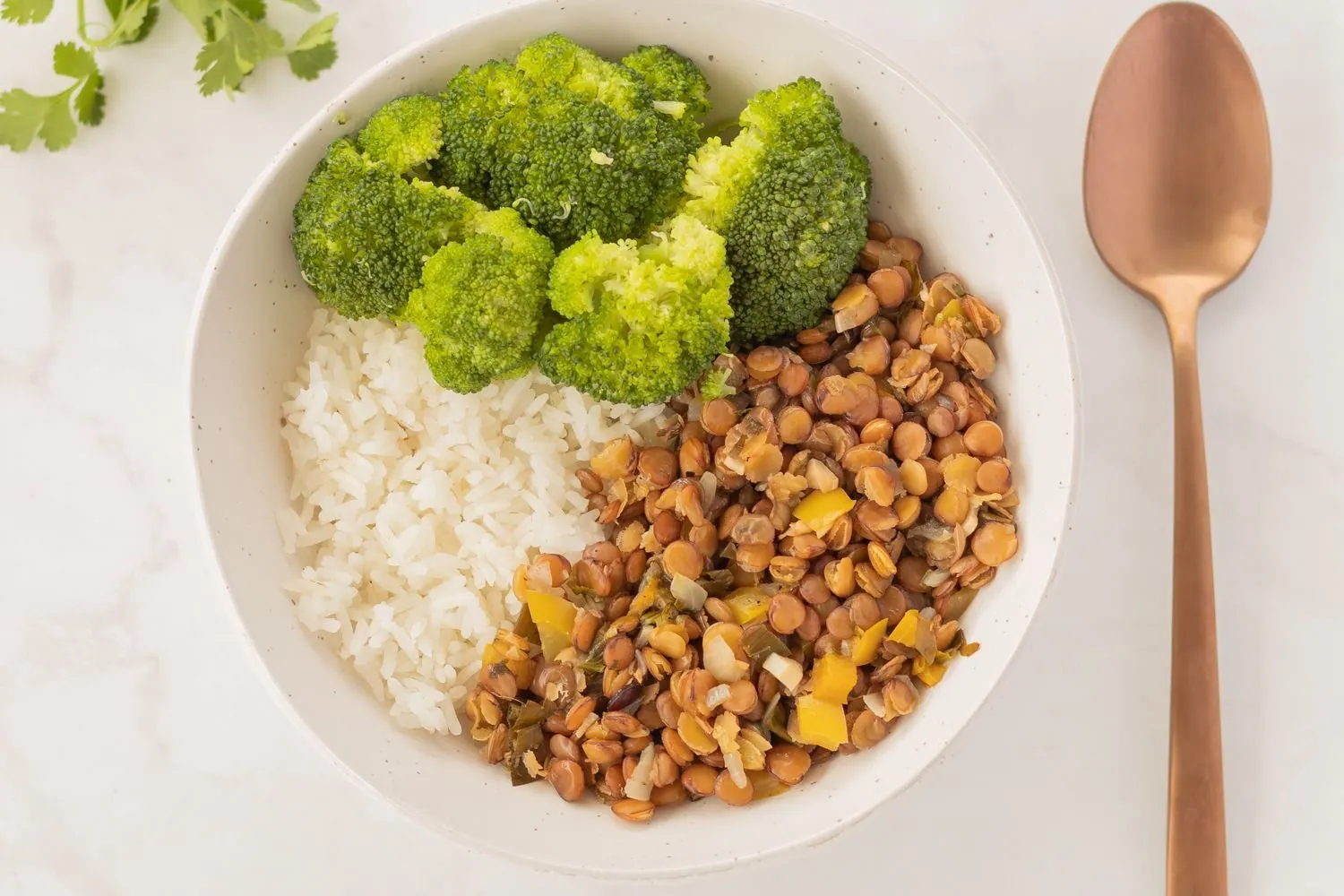
Wheat is the main source in Indian kitchens: atta, maida, sooji (rava), dalia and seviyan all contain gluten. Rice, most dals, vegetables, eggs, plain curd, fish, meat, besan, ragi, jowar and bajra are naturally gluten-free, though cross-contact during milling or cooking can still matter.
| Food | Contains gluten? | What to do |
|---|---|---|
| Roti, paratha, naan (wheat atta, maida) | Yes | Swap to jowar, bajra or ragi rotis made from certified flour |
| Sooji, rava, dalia, seviyan | Yes | Use poha, rice rava or sama (barnyard millet) instead |
| Rice, khichdi, idli, plain dosa | No, usually | Confirm batters are not mixed with rava or wheat |
| Dals, rajma, chana, sabzi | No | Check masala mixes and gravies for wheat thickeners |
| Besan, ragi, jowar, bajra, rajgira, kuttu | No, naturally | Buy packs marked gluten-free to avoid mill contamination |
| Oats | No, but often contaminated | Choose only oats labelled certified gluten-free |
| Hing (asafoetida), soy sauce, malt vinegar | Often yes | Read labels; many hing blends use wheat flour as a filler |
| Biscuits, noodles, bread, beer | Yes | Skip, or choose clearly labelled gluten-free versions |
For a longer shopping list, keep our gluten-free foods list for India on your phone for the first few grocery runs.
How do you start a gluten free diet plan step by step?
Once your doctor confirms you should avoid gluten, start with naturally gluten-free whole foods rather than packaged substitutes. Build each meal from rice or a gluten-free millet, a dal or protein, vegetables and curd, then clean the kitchen of cross-contact risks over the first week.
- Finish your testing first. Confirm with your doctor that tests are complete before you change what you eat.
- Anchor meals in whole foods. Rice, dal, sabzi, eggs, curd, fish, paneer, fruit and nuts already fit, so you rarely need specialty products.
- Learn your safe flours. Besan, ragi, jowar, bajra, rajgira, kuttu and rice flour are the usual choices. Our guide to the best gluten-free flours explains which suits rotis, chillas and baking.
- Separate the kitchen if you have coeliac disease. Use a clean tawa, a separate toaster, fresh oil and your own spreads, because crumbs and shared surfaces carry enough gluten to matter.
- Plan the first two weeks. A written menu stops you grabbing whatever packaged option looks easiest.
What does a 7-day gluten free diet plan look like?
A simple week rotates rice, dal, vegetables, eggs or paneer, curd and gluten-free millet rotis, with fruit or roasted chana as snacks. Aim for roughly 25 to 30 g of fibre a day, mostly from dals, vegetables, fruit and millets. Portions depend on your size, age and activity, so treat this as a template.
| Day | Breakfast | Lunch | Dinner | Snack |
|---|---|---|---|---|
| Mon | Vegetable poha, 1 boiled egg | Rice, toor dal, bhindi sabzi, curd | Jowar roti, paneer bhurji, salad | Roasted chana |
| Tue | Besan chilla with mint chutney | Rajma, rice, cucumber raita | Moong dal khichdi, sauteed beans | Fruit, small handful of nuts |
| Wed | Idli with sambar (plain, no rava) | Bajra roti, mixed vegetable curry, curd | Grilled fish or tofu, steamed vegetables, rice | Buttermilk |
| Thu | Ragi porridge with fruit | Chana masala, rice, salad | Vegetable pulao with raita | Roasted makhana |
| Fri | Vegetable omelette or paneer scramble | Rice, sambar, cabbage poriyal | Jowar roti, lauki sabzi, dal | Fruit and curd |
| Sat | Plain dosa with coconut chutney | Kadhi (besan-based), rice, sabzi | Chicken or soya curry, rice, salad | Roasted peanuts and fruit |
| Sun | Sama rice upma with vegetables | Dal, rice, two vegetables, curd | Vegetable soup, millet roti, paneer tikka | Fruit chaat |
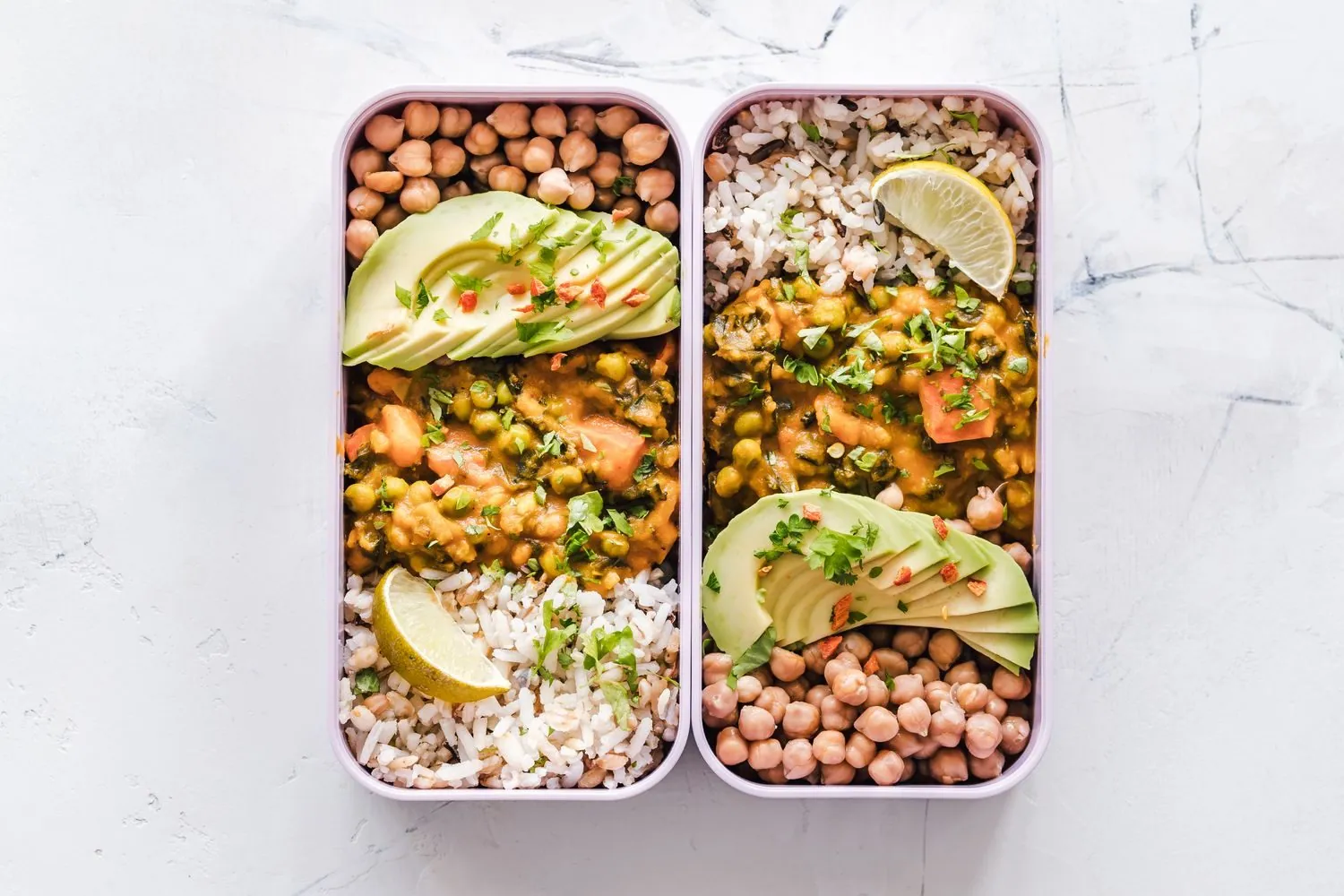
Swap vegetarian and non-vegetarian items to suit your household. If you have other conditions, such as diabetes or high cholesterol, the plan needs adjusting with your doctor or dietitian rather than copying the table as written.
How do you spot hidden gluten on labels?
Read the ingredient list every time, since recipes change. Look for wheat, barley, rye, malt, semolina and “modified starch” of unstated source, and take “may contain wheat” warnings seriously if you have coeliac disease. A certified gluten-free mark is more reliable than a plain claim.

| Where it hides | Why | Safer approach |
|---|---|---|
| Hing and spice blends | Wheat flour used as a bulking agent | Buy brands labelled gluten-free, or use whole spices |
| Soy sauce, ketchup, sauces | Wheat or malt used in the recipe | Check the label, or make simple sauces at home |
| Protein bars, cereals, granola | Barley malt, wheat crisps, oats | Choose certified gluten-free products only |
| Fried street food | Shared oil, maida coatings | Avoid unless the cook can confirm separate oil |
| Restaurant gravies, soups | Maida or wheat flour as thickener | Ask how the dish is made before ordering |
Troubleshooting: what if it is not going smoothly?
Most early problems come from what replaces gluten, not from gluten itself. Check the common ones below before changing the plan.
- Still bloated or unwell. Hidden gluten, a small cross-contact slip or an unrelated issue can be the cause. Keep a short food diary and take it to your doctor rather than cutting out more foods.
- Constipation or low energy. Packaged gluten-free breads and biscuits are often low in fibre. Add dals, vegetables, fruit, nuts and ragi or jowar, and drink enough water. Our guide to nutrition and digestion explains why this matters.
- Weight changes. Some people lose weight at first, others gain from calorie-dense substitutes. Watch portions of gluten-free biscuits, breads and fried snacks.
- Tiredness during workouts. You may be eating fewer total calories or carbohydrates than before. Our workout and diet plan post shows how to balance training with meals.
- Feeling overwhelmed. A personalised menu helps, and an online nutritionist consultation can build one around your diagnosis, budget and family meals.
How long does it take to feel better?
It varies. Some people with coeliac disease notice digestive improvement within a few weeks of strict gluten avoidance, while full intestinal healing can take months to a couple of years. Some people with gluten sensitivity report relief within days to weeks. Your doctor may check blood levels and symptoms during follow-ups.
A single accidental exposure does not erase your progress, but repeated exposure can slow recovery in coeliac disease. Understanding how digestion works helps explain why symptoms can rise and fall during the first months.
When should you see a doctor or registered dietitian?
See your doctor before starting, and see a registered dietitian soon after, if you have any of these:
- Ongoing diarrhoea, abdominal pain, bloating or unexplained weight loss lasting more than a couple of weeks.
- Anaemia, low iron, tingling in the hands or feet, or mouth ulcers that keep returning.
- A family member with coeliac disease, since the risk is higher in close relatives.
- Diabetes, kidney disease or another condition that already shapes your diet, or if you are pregnant, breastfeeding or planning a child.
- Symptoms that persist despite a strict gluten-free diet, or a child who is not growing as expected.
Seek urgent medical help for swelling of the face or lips, wheezing, trouble breathing or severe vomiting after eating. Never start, stop or change any medicine because of a diet change without asking your doctor.
Frequently asked questions
Do I need to be tested before going gluten-free?
If coeliac disease is possible, yes. Tests only work while you eat gluten, so ask your doctor when testing is complete before you remove it. Starting early can hide a diagnosis you may need for lifelong care and for checking close relatives.
Can I follow a gluten-free diet only to lose weight?
It is not a reliable weight-loss method. Gluten is not fattening, and packaged gluten-free foods can have as many calories as the wheat versions. Any weight loss usually comes from eating fewer processed foods, which you can do without removing wheat.
Are oats gluten-free?
Oats are naturally gluten-free, but they are often contaminated with wheat or barley during growing, milling or packing. If you must avoid gluten, choose oats labelled certified gluten-free. Some people with coeliac disease react even to clean oats, so ask your doctor.
Is ragi, jowar or bajra safe on a gluten-free diet?
These millets do not contain gluten naturally, which makes them popular roti and porridge options in India. Contamination can happen when they are milled alongside wheat, so buy brands labelled gluten-free, especially if you have coeliac disease.
Will a gluten-free diet leave me short of nutrients?
It can if you rely on refined gluten-free products, which are often lower in fibre, iron and B vitamins. Build meals around dals, vegetables, fruit, eggs, curd, nuts and gluten-free millets, and ask a dietitian to review your plan if you have coeliac disease.
Next step: after your doctor has confirmed you need to avoid gluten, book an online nutritionist consultation to turn the 7-day plan above into a menu that fits your diagnosis, family meals and budget.


