

The best gluten free flours for an Indian kitchen are the ones your local mill already stocks: ragi, jowar, bajra, besan, rice flour, amaranth (rajgira) and buckwheat (kuttu). Each does a different job. Jowar and bajra make rotis and bhakri, ragi brings calcium, besan thickens and binds, rice flour gives crisp batters, and amaranth and buckwheat add protein to blends. Below you get comparison tables, roti and baking tips, and the cross-contamination catch that matters if you have coeliac disease. New to gluten free eating? Start with our gluten-free diet plan for beginners first.
Which are the best gluten free flours to buy in India?
For daily rotis, jowar, bajra and ragi are the best gluten free flours: each gives roughly 7 to 11 g protein per 100 g, costs far less than nut flours and is sold at any neighbourhood store. Besan suits batters and gravies, rice flour suits dosas and crisp coatings, and amaranth and buckwheat suit fasting-day dishes and blends.
No single flour copies wheat, though. In wheat dough, gluten forms a stretchy network that traps steam and gas, which is why a chapati puffs and a loaf rises. Gluten free flours have no such network, so they rely on starch gel, fibre, fat or an added binder instead. Pick the flour for the job, not the other way round.
Gluten free flour comparison: protein, fibre and best use
The table below lists approximate values per 100 g of dry flour. Numbers shift a little with variety and milling, so treat them as a guide for choosing, not as exact label data.
| Flour | Protein (g) | Fibre (g) | Energy (kcal) | Best for |
|---|---|---|---|---|
| Ragi (finger millet) | about 7 | about 4 to 11 | about 330 | Rotis, dosa, porridge, laddoos |
| Jowar (sorghum) | about 10 | about 7 to 10 | about 350 | Rotis, bhakri, thalipeeth, blends |
| Bajra (pearl millet) | about 11 | about 8 to 11 | about 360 | Bhakri, rotla, khichdi-style dishes |
| Besan (chickpea) | about 22 | about 10 | about 350 to 390 | Chilla, pakora, kadhi, thickening |
| Rice flour | about 6 | about 2 | about 360 | Dosa, idli, crisp coatings, thickening |
| Amaranth (rajgira) | about 13 | about 7 | about 370 | Fasting rotis, laddoos, blends |
| Buckwheat (kuttu) | about 12 | about 4 to 10 | about 340 | Fasting puris, pancakes, rotis |
| Almond flour | about 21 | about 10 | about 600 | Cakes, cookies, low-carb baking |
| Coconut flour | about 16 to 19 | about 35 to 39 | about 400 | Muffins, quick breads (small amounts) |
Besan, amaranth and buckwheat lead on protein. Ragi stands apart on calcium, at roughly 300 to 350 mg per 100 g, about ten times what wheat flour offers. Bajra is a good plant source of iron. Rice flour is lightest in fibre and protein, so it is a neutral base, not a nutritional star.
Almond and coconut flours are useful for cakes but cost much more and are far more calorie dense, so they are a baking extra, not a daily staple. For more on why fibre earns its place on the plate, see our guide to fibre-rich foods, and for the bigger carbohydrate picture read the nutritional value of carbohydrates.
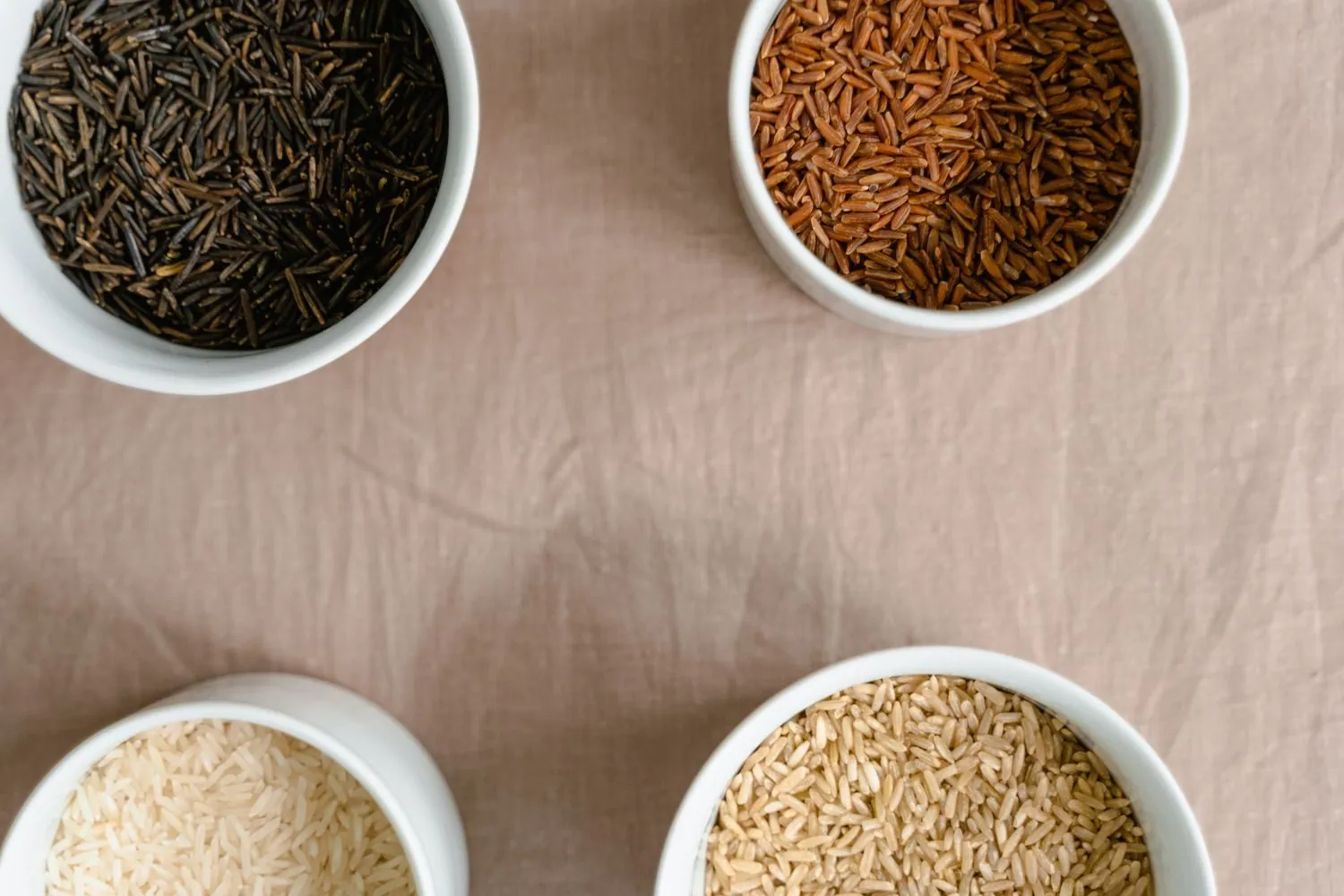
Myth: “Millet flour is naturally gluten free, so it is always safe for coeliac disease”
Ragi, jowar, bajra, amaranth and buckwheat contain no gluten as grains. The risk is cross-contact. A chakki that grinds wheat in the morning and jowar in the afternoon leaves wheat dust behind, and open bins at a shop can mix flours. For someone with coeliac disease, even small traces matter. Buckwheat is also not related to wheat despite the name, but loose kuttu atta is sometimes mixed with other flours.
If you need strict gluten avoidance, these habits lower the risk:
- Buy sealed packs that state gluten free on the label, rather than loose flour from an open bin.
- If you use a mill, ask for the stones to be cleaned first and be the first customer of the day, or grind small batches at home in a mixer jar that has been washed well.
- Keep a separate sieve, rolling board and tawa, or scrub shared ones thoroughly. Wooden boards and old non-stick pans hold flour particles.
- Store gluten free flours in labelled airtight boxes on a higher shelf, away from wheat atta.
Our celiac disease diet and nutrition guide explains label reading in more detail, and the gluten-free foods list for India covers grains and packaged foods beyond flours.
How to make soft jowar, bajra and ragi rotis, step by step
Gluten free dough does not stretch, so the method matters more than strength. The steps below work for jowar, and you can adapt them for the other flours using the table that follows.
- Sift 1 cup (about 120 g) flour into a wide plate. Add a pinch of salt.
- Boil water, then add it in small amounts while mixing with a spoon. Hot water gelatinises some of the starch and makes the dough pliable.
- When it is cool enough to touch, knead for 3 to 4 minutes with slightly wet hands until smooth. Cover and rest for 10 minutes.
- Take a lemon-sized ball. Pat it out on a sheet of parchment, a banana leaf or a lightly floured board, or between two greased sheets, instead of rolling hard on a dry counter.
- Cook on a medium-hot tawa for about 30 seconds a side, pressing gently with a folded cloth, then finish on a low flame to puff if you like.
| Flour | Water per 1 cup flour | Handling tip | Best pairing |
|---|---|---|---|
| Jowar | about 3/4 cup, hot | Knead well while warm; pat out thin | Garlic chutney, dal, sabzi |
| Bajra | about 3/4 cup, warm to hot | Pat by hand; cook on a dry tawa | Ghee, jaggery, curd, winter sabzi |
| Ragi | about 3/4 to 1 cup, hot | Dough stays soft; cover while working | Sambar, chutney, vegetable curry |
| Amaranth | about 1/2 cup plus 1 small boiled potato | Potato stops cracking and stickiness | Curd, cucumber raita |
| Buckwheat | about 1/2 cup plus 1 small boiled potato | Make thick and small; dries quickly | Potato sabzi, curd |
Ragi tastes earthy and slightly nutty. If that takes getting used to, mix it 1:1 with jowar or rice flour at first.
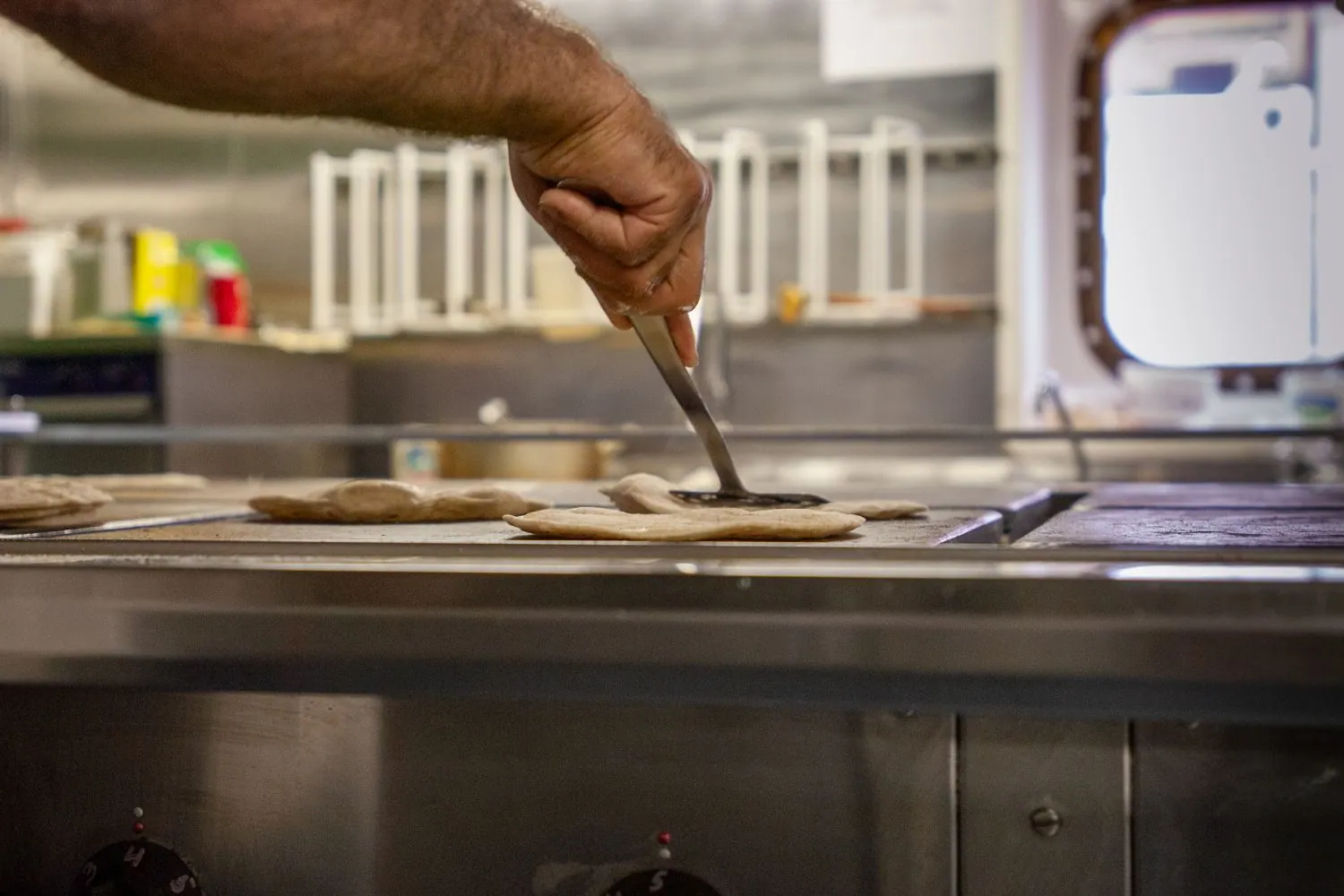
Why do gluten free rotis crack or turn hard?
Gluten free rotis crack because the dough has no gluten network to stretch, and they turn hard when the dough is too dry or the tawa is too cool. Use hot water, a 10 minute rest, a thin and even pat, and a medium-hot tawa for about 30 seconds a side. Eat them fresh or wrap them in a cloth.
- Edges split while shaping: the dough is too dry. Sprinkle a teaspoon of hot water, knead again and keep the rest covered with a damp cloth.
- Roti sticks to the surface: the dough is too wet or the board is bare. Use parchment, or dust with a little rice flour.
- Roti is stiff after 20 minutes: millet rotis stale faster than wheat. Store in a closed roti box with a cloth, and reheat on the tawa for 10 seconds.
What is a good gluten free flour blend for baking?
A reliable everyday baking blend is about 50 percent fine rice flour, 25 percent jowar flour and 25 percent tapioca or potato starch, plus a binder such as xanthan gum at roughly 1/4 to 1/2 teaspoon per cup (about 120 g) of blend for cakes and cookies, and up to 1 teaspoon per cup for bread.
| Blend (about 500 g total) | Flours by weight | Binder | Use for |
|---|---|---|---|
| Everyday soft blend | 250 g rice flour, 125 g jowar, 125 g tapioca or potato starch | 1 to 2 tsp xanthan gum | Cakes, muffins, cookies |
| Higher-protein blend | 200 g rice flour, 100 g besan, 100 g amaranth, 100 g tapioca starch | 1 to 2 tsp xanthan gum | Pancakes, savoury cakes |
| Bread blend | 200 g rice flour, 150 g jowar, 100 g tapioca starch, 50 g buckwheat | 2 tsp xanthan gum or 1 to 2 tbsp psyllium husk | Sandwich-style loaves |
Why a binder at all? Xanthan gum turns sticky and gel-like when wet. That stickiness holds crumb together, traps air so bakes rise and keeps them from drying out by the next day. Too much makes the texture gummy, so measure it carefully. A few alternatives work in different bakes:
- Psyllium husk: forms a gel and works best in bread; add extra water.
- Ground flax or chia with water: gives a gel for vegan bakes; roughly 1 tablespoon of ground seed with 3 tablespoons of water replaces one egg.
- Eggs: provide structure in cakes and quick breads.
- Guar gum: acts like xanthan gum, but large amounts can loosen the stomach.
Not every recipe needs one. Dosa batter, besan chilla and pakoras do not trap air the way a loaf does, so they are fine without any binder.
Almond flour gives a tender crumb but does not rise like wheat, so use recipes written for it. Coconut flour soaks up several times its weight in liquid, so use small amounts with extra eggs or liquid. Store millet flours airtight in a cool, dry place, and in the monsoon keep them in the fridge.

Which flour suits which person?
The right flour depends on why you are going gluten free. For coeliac disease, purity matters more than flour type. For blood sugar or weight goals, higher-fibre jowar, bajra, ragi and besan work well in measured portions. For calcium and iron, rotate ragi and bajra. Here is how to match them.
- Diagnosed coeliac disease: flour type matters less than purity. Choose certified or clearly labelled gluten free packs and follow the cross-contact steps above.
- Managing blood sugar: higher-fibre options such as jowar, bajra, ragi and besan generally raise blood sugar more gently than refined rice flour, but portion size still decides the outcome. A plate built with dal, vegetables and curd works better than rotis alone. Ask your dietitian to personalise portions.
- Weight loss: gluten free does not mean low calorie. A millet roti made from about 30 to 35 g of flour gives roughly 100 to 120 kcal, similar to wheat. Count servings, not labels. Our online weight loss trainer programme builds this into a daily plan.
- Growing children, teens and women who want more calcium or iron: rotate ragi and bajra through the week, and pair them with a vitamin C source such as lemon or amla chutney to help iron absorption.
One more honest point: if you do not have coeliac disease or a diagnosed gluten problem, wheat is not harmful, and gluten free packaged products are not automatically healthier. Many are just refined starch with added fat or sugar. Traditional millets earn their place because they add variety, fibre and minerals, not because they remove gluten.
When should you see your doctor or dietitian?
See your doctor or a registered dietitian before cutting gluten if you have ongoing bloating, loose stools, unexplained tiredness, anaemia, weight loss or poor growth in a child, since these can point to coeliac disease. Do not stop eating gluten before testing, because that can hide the result.
Frequently asked questions
Is besan gluten free?
Yes, besan is made from ground chana (chickpeas) and contains no gluten naturally. The only concern is cross-contact at the mill or packing unit. If you have coeliac disease, buy sealed besan marked gluten free, and keep it away from wheat atta and shared utensils.
Which gluten free flour has the most protein?
Among everyday Indian options, besan has the most, at about 22 g per 100 g, followed by amaranth and buckwheat at roughly 12 to 13 g. Bajra and jowar offer about 10 to 11 g. Rice flour is lowest at about 6 g, so pair it with dal or curd.
Can I swap one gluten free flour for another 1:1?
Usually not. Each flour absorbs water differently and has its own starch-to-protein balance, so a straight swap often changes the texture. In rotis you can swap jowar for bajra with small water adjustments. In baking, follow a recipe written for the flour, or use a tested blend with a binder.
Is gluten free atta healthier than wheat atta?
Not automatically. Whole wheat atta already provides fibre, protein and minerals. Millet flours add useful variety and more calcium or iron, but a refined rice-and-starch blend can be lower in fibre. If you have coeliac disease, gluten free is essential. Otherwise, choose flours for nutrition and taste, not for the label.
How long can I store gluten free flours?
Kept airtight in a cool, dry place, most millet and rice flours stay good for about one to two months, and bajra may turn bitter sooner because of its fat. Almond and coconut flours last longer in the fridge. Discard any flour that smells sour or musty.
Not sure which flours suit your condition, your goals and your family’s meals? Book an online nutritionist consultation with Fitstrot and leave with a week-by-week flour rotation built around your health needs.


