

A gluten free foods list India readers can actually use starts with good news: rice, jowar, bajra, ragi, besan, dal, vegetables, fruit, curd, eggs and plain meat are all gluten-free as they are. The trouble sits in a few hidden places, such as compounded hing, soy sauce in Indo-Chinese food and wheat-thickened restaurant gravies. This page shows what is safe, what is not and how to check the rest.
If you are still deciding whether to go gluten-free at all, start with our gluten-free diet plan for beginners. This article is the narrower, practical one: a working shopping and eating list for Indian kitchens.
What belongs on a gluten free foods list in India?
Gluten is a protein found in wheat, barley and rye. In India, naturally gluten-free foods include rice, millets such as jowar, bajra and ragi, besan, all plain dals and pulses, fresh vegetables, fruit, milk, curd, paneer, eggs, fish and unprocessed meat. Packaged, fried and restaurant versions of these foods are where gluten sneaks in.
| Food group | Naturally gluten-free | Check before eating |
|---|---|---|
| Grains and flours | Rice, jowar, bajra, ragi, kuttu, singhara, rajgira, sabudana, besan, makki atta | Oats (often processed with wheat), packaged multigrain atta, any flour sold loose without a label |
| Dals and pulses | Toor, moong, masoor, chana, urad, rajma, chole, lobia | Ready-to-cook dal mixes, instant sambar mixes |
| Vegetables and fruit | All fresh vegetables, fruit, sprouts, potato, sweet potato | Frozen vegetables in sauces, canned or bottled pickles with added flour |
| Dairy and eggs | Milk, curd, paneer, ghee, butter, eggs | Flavoured yoghurts and lassi, cheese spreads, milkshake powders |
| Meat and fish | Fresh chicken, mutton, fish, prawns | Marinated or crumbed cuts, sausages, seekh and tikka mixes |
| Nuts, seeds, oils | Peanuts, almonds, cashews, makhana, til, all cooking oils | Roasted and masala-coated snack mixes |
| Spices | Whole spices, pure turmeric, chilli, coriander, jeera powder | Hing, garam masala, sambar and curry powders, chaat masala |
Which Indian grains and flours are naturally gluten-free?
Rice, jowar (sorghum), bajra (pearl millet), ragi (finger millet), makki (maize), kuttu (buckwheat), singhara (water chestnut), rajgira (amaranth), sabudana (tapioca) and besan (chickpea flour) are all naturally gluten-free. None needs special processing. Rice and millets simply belong to different plant families from wheat, barley and rye.
| Flour or grain | Where you will meet it | Cooking note |
|---|---|---|
| Jowar | Bhakri, roti, dosa | Knead with hot water; the dough lacks gluten, so it cracks if it is dry |
| Bajra | Bajra roti with sarson ka saag, khichdi | Earthy flavour; roti is thick and best eaten fresh with ghee |
| Ragi | Mudde, dosa, porridge, malt | One of the richest common grains in calcium; check any ready-made ragi mix |
| Besan | Chilla, dhokla, kadhi, pakoda | Pure besan is safe; restaurant batters often add maida |
| Kuttu and singhara | Vrat poori, pakoda, halwa | Buckwheat is a seed unrelated to wheat; both flours stale quickly, so buy small packs |
| Makki | Makki di roti, bhutta, cornflour | Plain maize flour is safe; some “corn” mixes contain wheat |
| Rice flour | Idiyappam, appam, pittu, murukku | Reliable swap for thickening gravies instead of wheat flour |

For how each flour behaves in the pan, what it costs to swap and which blends work best for soft rotis, see our guide to the best gluten-free flours. Since grains are mostly carbohydrate, our piece on the nutritional value of carbohydrates explains how to portion them.
Which Indian ingredients contain gluten and need to be avoided?
Avoid anything made from wheat, barley or rye: atta, maida, sooji (rava), daliya, seviyan, bread, naan, paratha, bakery items, barley (jau) and malt. In India, wheat appears under many local names, so reading Hindi or regional labels matters as much as reading the English ingredient list.
| Name you will see | What it is | Common dishes that contain it |
|---|---|---|
| Atta, gehun ka atta | Whole wheat flour | Roti, chapati, paratha, puri, thepla |
| Maida | Refined wheat flour | Naan, kulcha, samosa, bhatura, bakery biscuits, momos |
| Sooji, rava, suji | Wheat semolina | Upma, halwa, rava dosa, rava idli, some dhokla |
| Daliya | Broken wheat | Daliya porridge, some khichdi, lapsi |
| Seviyan, vermicelli | Wheat noodles | Kheer, upma, Hakka noodles |
| Jau | Barley | Barley water, some sattu blends, malt drinks |
| Seitan | Concentrated wheat gluten | Mock meat, some vegetarian kebabs |
Myth check: three things people wrongly assume are safe
“Millets are always safe.” The grain is, but the flour may not be. Mills often grind wheat and jowar on the same stones, and loose flour from a neighbourhood chakki can carry wheat dust. For celiac disease, buy sealed packs marked gluten-free.
“Sattu is just roasted chana.” Often it is, but some sattu blends include roasted barley (jau). Check the pack, and prefer plain roasted chana sattu.
“Gluten-free means healthier or good for weight loss.” It does not. A gluten-free biscuit can carry as much sugar and fat as a regular one. Gluten-free eating is a medical need for celiac disease and wheat allergy, not a shortcut to a lighter body. If weight is your goal, a plain dal, sabzi and rice plate does more than any packaged “free-from” product.
Hidden gluten walkthrough: hing, soy sauce and masalas
Hing (asafoetida)
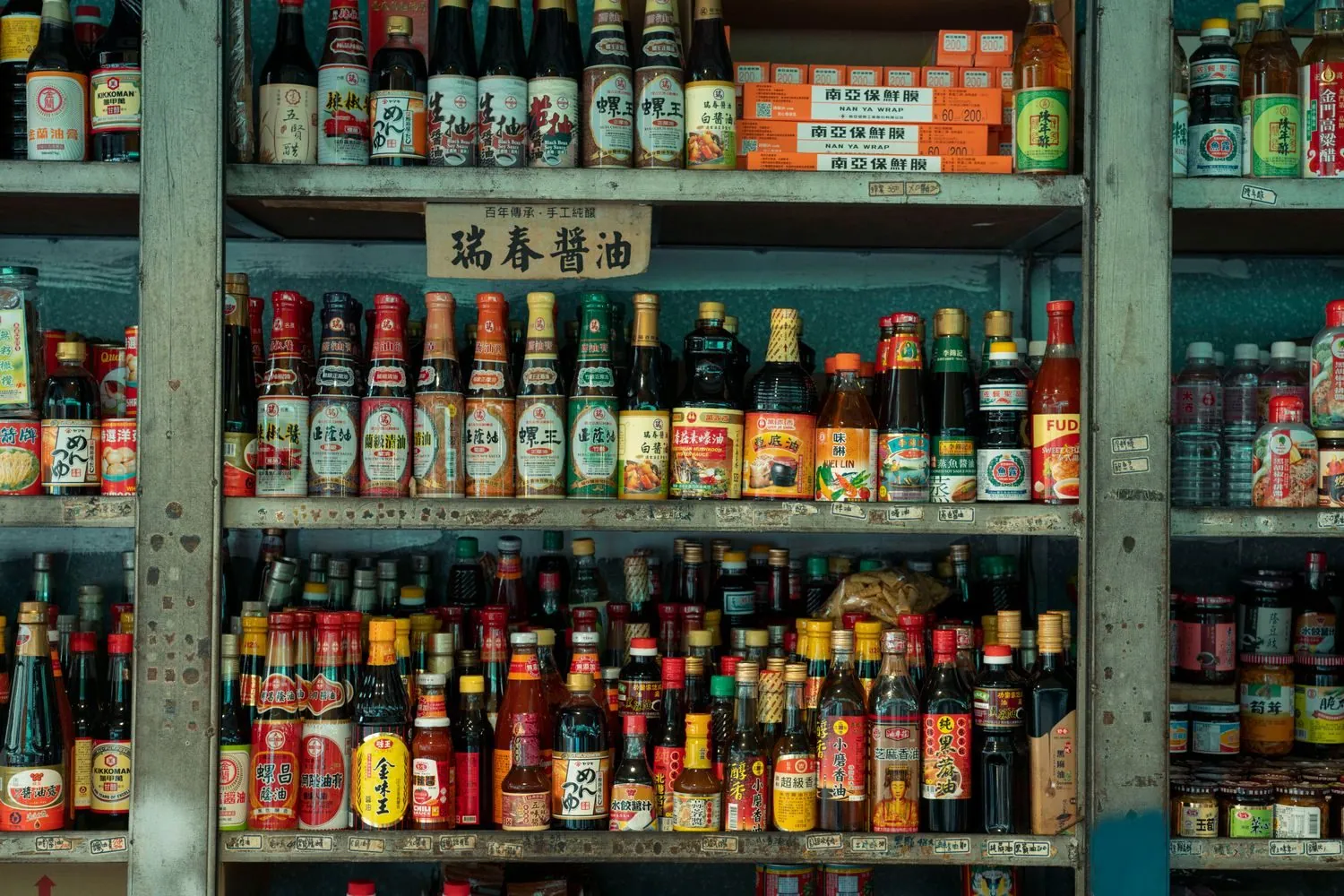
Pure asafoetida resin has no gluten, but most hing powder sold in India is compounded: resin blended with a carrier so it does not clump. That carrier is often wheat flour, and in cheaper powders it can be a large share of what is in the tin. Because a pinch goes into dal, kadhi, sambar and many sabzis, one tin can undo an otherwise safe meal. Buy hing labelled gluten-free, usually made with rice flour or gum arabic, or use pure resin lumps.
Soy sauce and Indo-Chinese food
Standard soy sauce is brewed from soybeans and wheat. Hakka noodles, manchurian, fried rice and chilli paneer all lean on it, and the menu rarely says so. At home, switch to tamari or a soy sauce marked gluten-free, and check that it says wheat-free rather than just “low sodium”.
Packaged masalas and mixes
Some garam masala, sambar powder, chaat masala and ready masalas use wheat flour or starch as an anti-caking agent. This is not universal, but the label check takes thirty seconds. Whole spices ground at home are always the safest option.
Other everyday traps
- Papad and fryums: usually urad dal, but some brands add wheat flour.
- Cutlets, tikkis and pakoras: breadcrumbs or a maida-mixed batter. Besan-only batter is fine.
- Gravies: restaurant curries are sometimes thickened with a wheat-flour slurry.
- Malted drinks and breakfast cereals: malt usually comes from barley.
- Beer and some vinegars: beer is brewed from barley; most plain vinegars are fine, but malt vinegar is not.
- Oats: naturally gluten-free, but typically milled alongside wheat, so only labelled gluten-free oats are safe for celiac disease.
Troubleshooting: still unwell on a gluten-free diet?
Symptoms that continue after you switch to rice, millets and dal usually point to cross-contact or a hidden ingredient, not a failed diet. Check the shared tawa, the hing tin, restaurant gravies and loose flour first, then ask a doctor about other causes. Most people can trace the problem within one to two weeks of careful label reading.
- Shared tawa or kadhai. A tawa that cooked wheat rotis leaves residue on a jowar roti. Keep a separate tawa, rolling board and sieve.
- Restaurant tadka. Ask for the dal to be tempered without hing, or carry your own gluten-free hing in a small box.
- Shared fryers. Chips, pakoras and fries often share oil with breaded items.
- Loose flour and grains. Sort and wash rice and dal; buy sealed millet flour.
- Medicines and supplements. Some tablets use wheat starch as a filler. Ask your pharmacist or doctor; never stop a prescribed medicine on your own.
- Another cause. Lactose intolerance, acidity, IBS and low fibre intake produce similar symptoms and need their own checks.
When eating out, a simple sentence works in any language: “No wheat, no maida, no soy sauce, no hing in my food.” Plain dal, rice, curd, grilled meat and simple sabzis are the lowest-risk orders.
Celiac disease or sensitivity: how strict should you be?
With celiac disease, even crumbs of gluten can damage the small intestine, so you need a strict, lifelong gluten-free diet with separate utensils and careful label checks. With non-celiac gluten sensitivity or simple preference, trace exposure usually matters less, and avoiding wheat rotis, maida snacks and soy sauce covers most of the benefit.
Our celiac disease diet and nutrition guide covers the medical side in more depth.
See your doctor first. Get tested for celiac disease before you stop eating gluten, because going gluten-free beforehand can make the blood tests unreliable. See a doctor or registered dietitian if you have persistent diarrhoea, bloating, weight loss, anaemia, mouth ulcers or a blistering itchy rash, or if you are planning a gluten-free diet for a child. Do not change or stop any medication because of what you read here.
A 60-second label check before you buy
Turn the pack over and read the ingredients, not the front. Look for wheat, maida, atta, sooji, barley, malt, “starch” without a source and “may contain wheat”. A pack marked gluten-free should say so clearly; in India the usual benchmark is under 20 parts per million of gluten. Unlabelled loose products, bakery items and street food are the hardest to verify, so treat them as unsafe if you have celiac disease. When two brands look alike, pick the one with a shorter ingredient list.
What does one gluten-free Indian day look like?
A full day can be built from traditional food in about four meals: ragi or rice porridge or idli with sambar at breakfast, dal, rice, sabzi and curd with a jowar or bajra roti at lunch, roasted makhana or a besan chilla in the evening, and khichdi or dal-chawal at dinner. Portions depend on your appetite and activity.
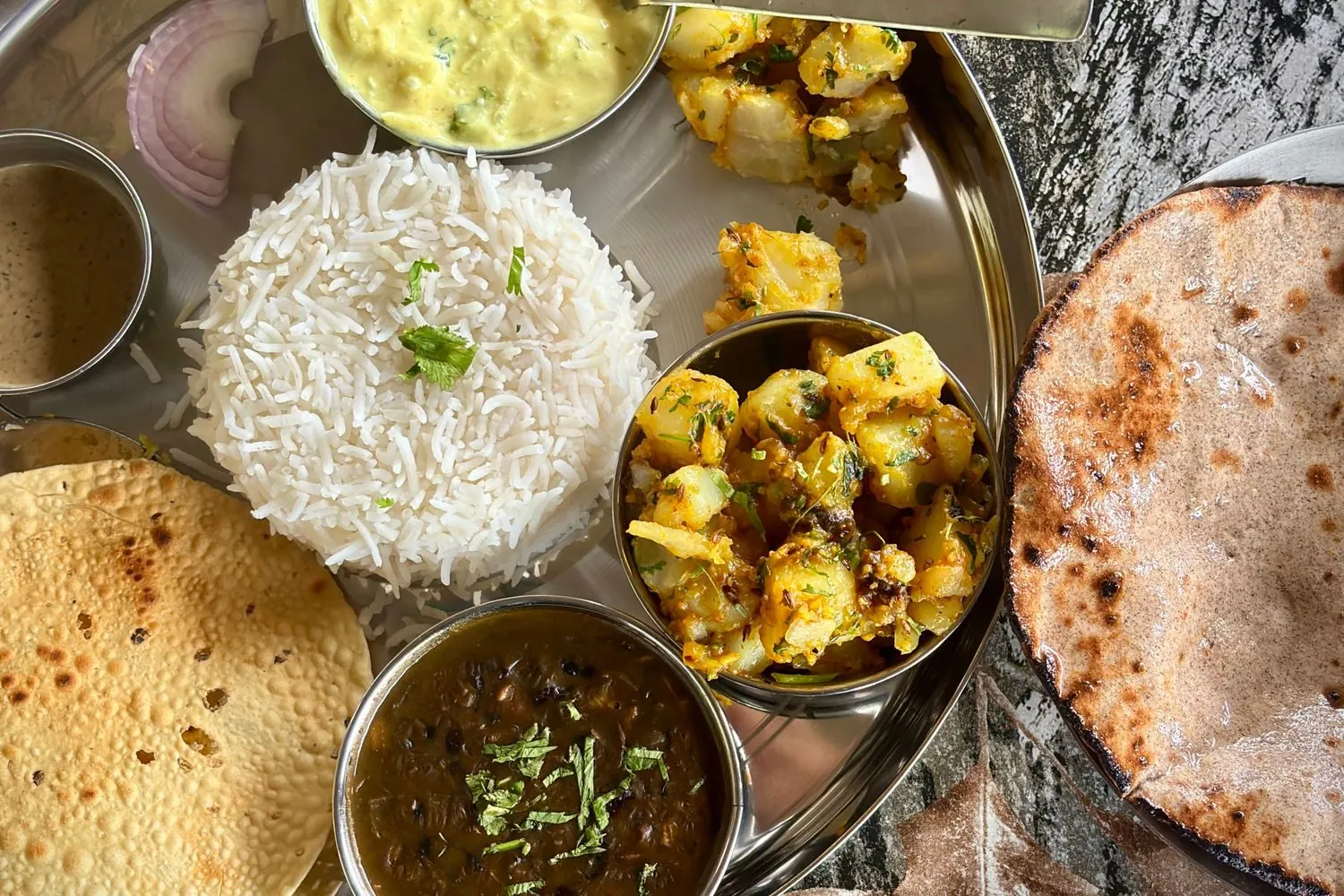
Protein can dip when you drop roti and bread, so lean on dal, curd, paneer, eggs and sprouts; our high protein vegetarian foods list has more ideas. South Indian and rice-based diets usually need fewer swaps than a wheat-heavy North Indian thali.
FAQ
Is besan (chickpea flour) always gluten-free?
Pure besan from ground chickpeas is naturally gluten-free. The risk is cross-contact: some mills grind it alongside wheat, and many restaurant pakora batters mix in maida. With celiac disease, buy besan labelled gluten-free.
Can I eat idli and dosa on a gluten-free diet?
Usually yes. Traditional idli and dosa batter is fermented rice and urad dal. The exceptions are rava idli, rava dosa and any batter where a restaurant has added sooji for crispness, so ask before you order.
Why is hing a gluten risk if it is just a spice?
Pure asafoetida has no gluten, but most commercial powder is blended with a carrier, and wheat flour is a common one. Choose hing marked gluten-free, made with rice flour or gum arabic, and read the ingredient list.
Is soy sauce in Indo-Chinese food really a problem?
Yes. Regular soy sauce is brewed with wheat, so noodles, manchurian and fried rice are common sources of accidental gluten. Use tamari or a labelled gluten-free soy sauce at home, and pick plain rice-based dishes when eating out.
Are all millets safe for celiac disease?
The grains are naturally gluten-free, but milling, storage and cooking can add wheat. Buy sealed flour marked gluten-free, store it separately and cook it on a clean tawa. If you are unsure, an online nutritionist consultation can help you check your pantry.
Use this gluten free foods list India kitchens can follow as a shopping checklist: eating gluten-free in India mostly means eating more traditionally, not less. If you want a plan built around your own diagnosis, tastes and budget, book an online nutritionist consultation with Fitstrot and bring your current pantry list.


