
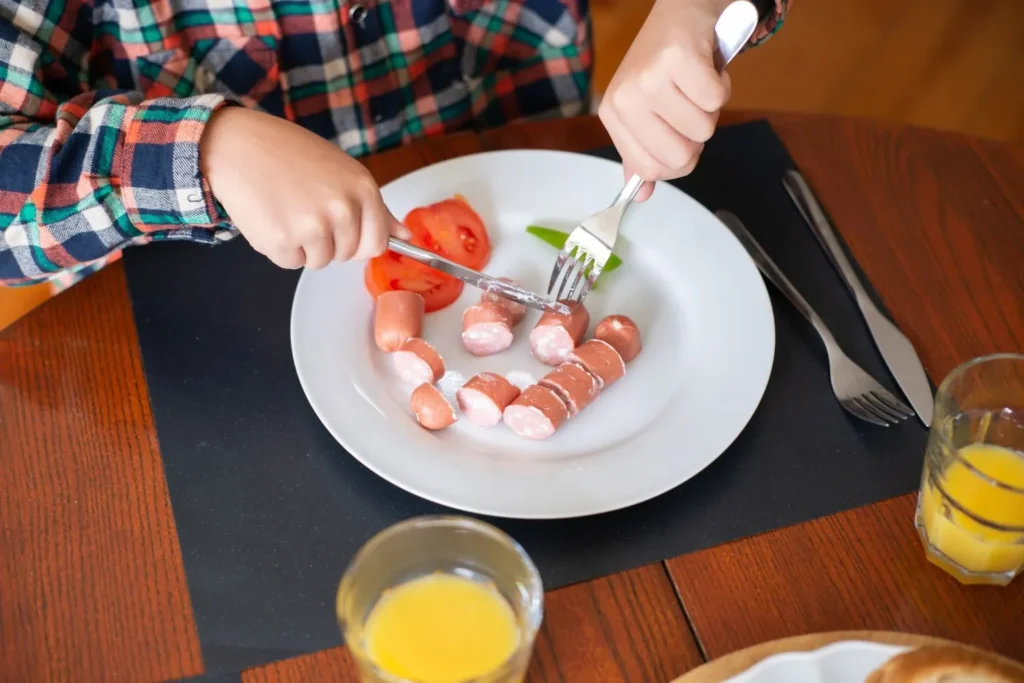
The importance of childhood nutrition comes down to timing. A child’s body and brain are being built, not just maintained, and food is the raw material. The brain reaches about 80 percent of its adult size by age 3, and a large share of adult height is set before the teens. Gaps in these years can slow growth, drain concentration in class and leave a child ill more often. This guide explains why, and how an ordinary Indian kitchen covers most of it.
This page answers “why does it matter?”. For “what exactly should I serve?”, read nutritional needs for children and nutritional requirements for children. For the wider basics, see child nutrition and toddler nutrition.
Why is nutrition important for children’s growth and brain development?
Nutrition matters because growth, brain wiring and immunity are built from food during a limited window, mostly before age 5. A child needs about 1,000 to 1,100 kcal a day at ages 1 to 3 and about 1,300 to 1,400 kcal at ages 4 to 6, plus enough protein, iron, calcium and zinc to build with.
Doctors often talk about the first 1,000 days, from pregnancy to a child’s second birthday. In that stretch brain development in children is at its fastest, with connections forming quicker than at any later point, and the gut and immune system are learning how to work. Protein, iron, zinc, iodine, folate and healthy fats are structural material here, not just fuel.
Growth does not stop at 2. From about age 4 until puberty, most children add roughly 5 to 7 cm of height a year, and that steady gain needs steady energy, protein and calcium. A few weak days do no harm. Months of thin eating show up on the growth chart.
Good nutrition for growth and development will not decide a child’s final height or intelligence, because genes, sleep, illness and a warm home matter too. Food is simply the part parents can change every day.
Age by age: what the body is building and what the plate must deliver
| Stage | What is being built | What the plate must deliver | Everyday Indian examples |
|---|---|---|---|
| Pregnancy to 2 years | Brain connections, gut and immune system, fast growth | Breast milk, then iron-rich and protein-rich soft foods with some healthy fat | Mashed dal with a little ghee, ragi porridge, well-cooked egg, vegetable khichdi |
| 2 to 5 years | Language, movement skills, taste preferences, steady growth | Variety, protein at each meal, calcium, small frequent meals (about 3 meals plus 2 snacks) | Idli with sambar, curd rice, paneer cubes, banana, moong chilla |
| 6 to 9 years | Bones, muscle, school learning, about 5 to 7 cm of height a year | A proper breakfast, a balanced tiffin, about 1,600 to 1,800 kcal a day by age 9 | Besan chilla with curd, roti with dal and sabzi, milk, seasonal fruit |
| 10 to 12 years | Pre-puberty growth spurt, rising iron needs as periods begin in girls | Iron, calcium and protein with enough energy for sport and study | Rajma chawal, palak paneer, boiled eggs, til laddoo in small amounts |
These are rough ranges, not targets to chase. Every child grows on their own curve, so judge progress over months, not meals.
How does nutrition affect learning and concentration at school?
Nutrition affects learning because the brain uses a large share of a child’s daily energy and needs steady glucose, iron, iodine, protein and healthy fats to focus. A child who skips breakfast or runs low on iron often tires early and loses attention, though sleep, teaching and home support matter too.
A child who leaves for school on a sweet drink may feel bright for 30 minutes and flat by the second period. A breakfast with protein and slow-release carbohydrate, such as a besan chilla with curd or an egg with a roti, lasts through the morning.
Iron deserves special mention in India, because low iron is one of the commonest nutrition problems in children and can show up as tiredness, irritability and poor focus. Iodised salt in everyday cooking supports thinking and growth too.
To be honest, good food will not turn a child who sleeps five hours into a topper. Treat nutrition and learning as partners, with food as the floor, not a shortcut to marks.
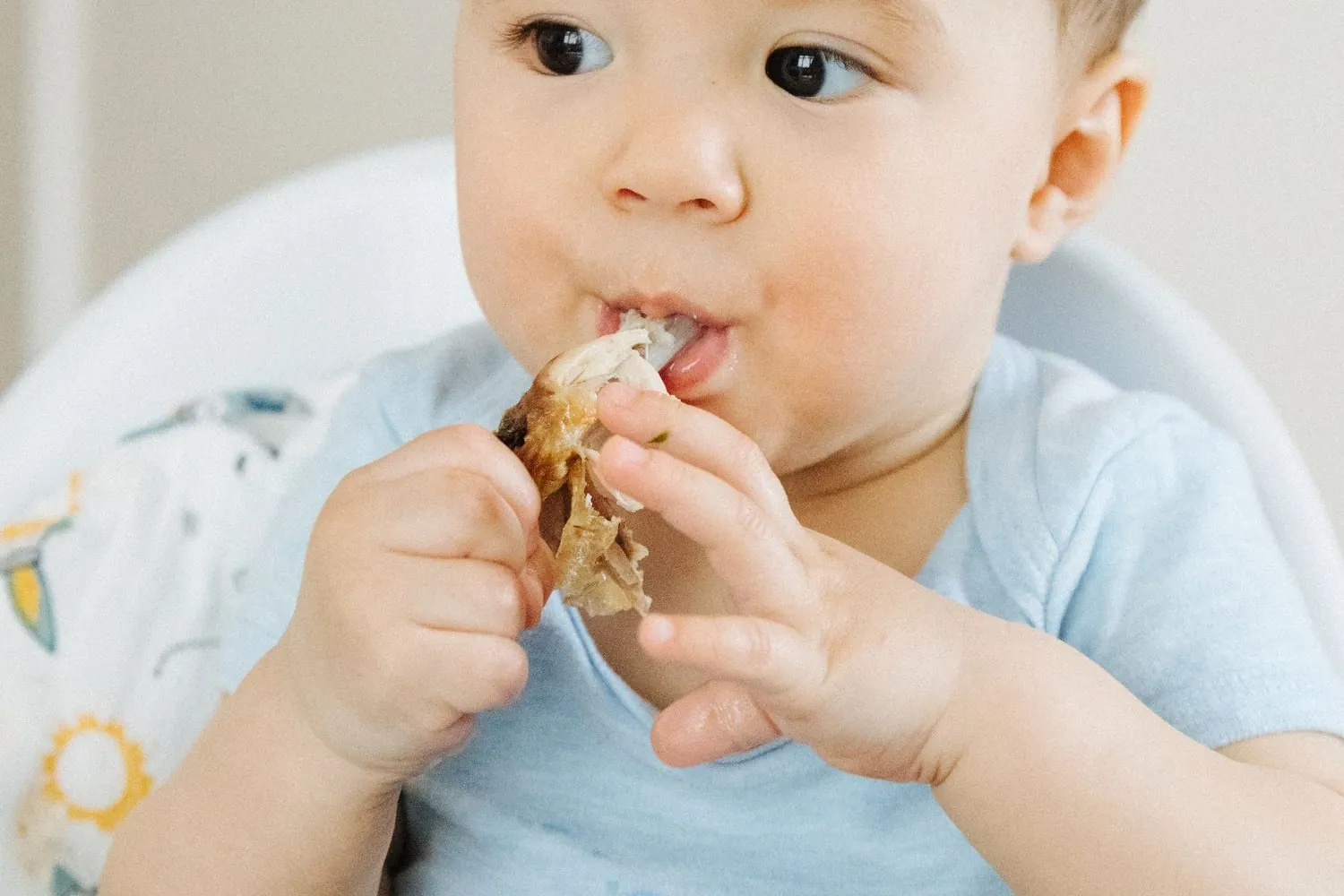
Myth check: “He is thin but active, so he is fine” and other ideas
- Myth: a chubby child is a healthy child. Round cheeks can sit alongside low iron and low protein. Height and weight read together on a growth chart say much more.
- Myth: they will catch up later. Some catch-up is possible, but the earlier a gap is fixed, the better. Waiting is the riskiest plan.
- Myth: a flavoured milk powder fills the gaps. Most sweetened mixes mainly add sugar. They do not replace dal, vegetables, eggs or fruit.
- Myth: more milk is always better. About 400 to 500 ml a day (or the same amount as curd and paneer) is a common guide for young children. Much more can crowd out iron-rich foods. Ask your paediatrician for your child’s number.
- Myth: make them finish the plate. Pressure backfires. Offer, do not force.
Which nutrients carry the most weight, and where do they sit in an Indian kitchen?
| Nutrient | Why a growing child needs it | Everyday Indian sources | Handy numbers (about) |
|---|---|---|---|
| Protein | Builds muscle, organs, enzymes and antibodies | Dal, egg, curd, paneer, milk, sprouts, chana | 1 egg about 6 g; 1 katori cooked dal about 5 to 7 g; 30 g paneer about 5 to 6 g |
| Iron | Carries oxygen, supports attention and energy | Ragi, rajma, chana, palak, eggs, chicken or fish if eaten; add lemon or amla for better absorption | Offer an iron-rich food at least once a day |
| Calcium | Bones and teeth, built fastest in childhood | Milk, curd, paneer, ragi, til | 200 ml milk about 240 mg; daily need about 500 to 700 mg in early years |
| Zinc | Growth, appetite, immunity | Dals, whole grains, curd, seeds, eggs. More in zinc nutrition | Variety across the day usually covers it |
| Iodine | Thyroid function, brain development | Iodised salt in normal cooking, dairy | No extra salt needed to “get” iodine |
| Vitamins A and C | Vision, skin, immunity, iron absorption | Carrot, papaya, pumpkin, mango, guava, orange, amla. See vitamin nutrition | Aim for 2 to 3 colours on the plate daily |
| Vitamin B12 | Nerves and blood | Milk, curd, paneer, eggs, fish | Needs planning if the diet is fully plant-based |
Vitamin D comes partly from morning sunlight, plus eggs and fish. Whether your child needs a supplement is a paediatrician’s decision, so please do not start any supplement or tonic on your own.
A school-day plate for a 5 to 8 year old, step by step
Here is one realistic day for a vegetarian-plus-egg Indian family. Swap freely. The pattern is the point: protein and a colour at most meals, small snacks, little packaged sugar.
| Meal | Sample plate | What it covers |
|---|---|---|
| Breakfast (7:00 am) | 2 small besan or moong chillas, a bowl of curd, a banana | Protein, slow carbohydrate, calcium |
| Tiffin (10:30 am) | Paneer or vegetable roll in roti, cucumber sticks, a few grapes | Protein, fibre, vitamin C |
| Lunch (1:30 pm) | 1 to 2 roti, dal, sabzi, a spoon of curd or a small bowl of rice | Protein, iron, B vitamins |
| Evening snack (4:30 pm) | Roasted chana about 30 g, or a boiled egg, plus a fruit | Protein, iron, vitamins |
| Dinner (7:30 pm) | Vegetable khichdi or ragi dosa with sambar, a salad | Complete protein pair, fibre |
| Before bed (optional) | A glass of milk, not too late | Calcium, a little protein |
Whole peanuts and other whole nuts are a choking risk under 5 years, so use smooth paste or powder instead. Keep fried snacks, biscuits and packaged juices for occasions. If your child eats less than the table shows on a given day, that is normal. Look at the week.
What does poor nutrition look like in children, and what can you check at home?
Poor nutrition in children can show as slow weight or height gain, constant tiredness, pale skin or inner eyelids, frequent infections, poor appetite, brittle hair and nails, or trouble concentrating. These signs also have non-food causes, so they are a reason to book a check-up, not to self-diagnose or start supplements.
The effects of poor nutrition in children tend to arrive together: slower growth, low energy, more infections and weaker focus. It is also not only thinness. A child can be overweight and still short of iron or calcium if the diet leans on refined snacks, sweet drinks and fried food.
At home, measure height and weight every 3 to 6 months and write the numbers down, or ask your paediatrician to plot them. One weigh-in tells you little. A line that keeps drifting lower tells you a lot. For the wider picture, see child health and nutrition.
Troubleshooting: picky eaters, snack grazers and skipped breakfasts
Healthy eating habits for kids are built by repetition and example, not rules.
- Refuses vegetables. Offer a small portion again and again, often 10 or more times, without comment. Let your child help wash or stir, and pair the new food with a familiar one.
- Fills up on biscuits and juice. Leave a gap of about 2 hours before meals with water only, and keep sweet snacks out of the daily routine.
- Skips breakfast. Start small: a banana with milk, or half a usual portion. An earlier bedtime often helps morning appetite.
- Eats only in front of a screen. Try one family meal a day at the table. Children copy what adults eat.
- Dislikes milk. Count curd, paneer, buttermilk and ragi as calcium sources instead of forcing a glass.
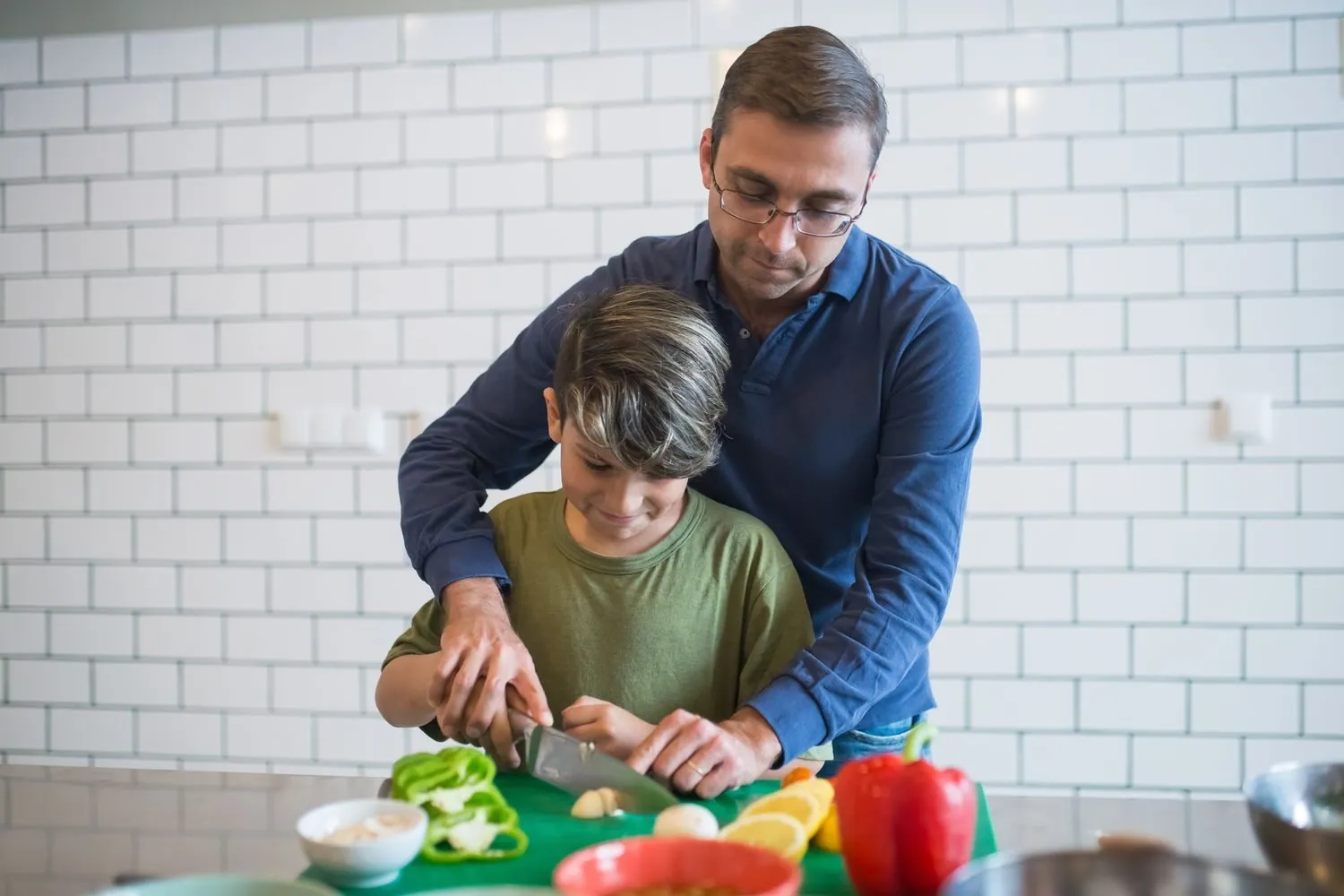
Vegetarian, Jain, lactose-sensitive or on a tight budget: does it still work?
Yes, with a little planning. A vegetarian child can grow well on dal with roti or rice, curd, milk, paneer, sprouts and seasonal vegetables, because pairing a pulse with a grain at the same meal gives a better protein mix than either alone.
Jain families who skip root vegetables can lean on dals, dairy, fruit, leafy greens and age-safe nut pastes. Lactose-sensitive children often tolerate curd and paneer better than milk, but check with your paediatrician. Fully plant-based diets need careful planning of vitamin B12 and iron with a doctor or registered dietitian; our vegan nutrition guide covers the adult side of this.
On a budget, the plainest food gives the best value: eggs, dal, ragi, groundnut paste, seasonal fruit and home-set curd cost far less than packaged “kids’ snacks” and deliver more per rupee.
When should you see a paediatrician or registered dietitian?
See a paediatrician or registered dietitian if your child’s growth is slipping on the chart, they are losing weight, look pale or tired, fall sick often, or refuse whole food groups for weeks, or if you plan any supplement, tonic or elimination diet. This page is general education, not a diagnosis.
- Vomiting, loose stools or stomach pain that keep returning need a doctor’s review.
- For a suspected food allergy, seek urgent care if lips or face swell, hives appear or breathing becomes difficult.
- A medical condition or special diet means the plan should come from your child’s doctor or dietitian, not an article.
A registered dietitian can look at your child’s actual meals, growth chart and health history and build a plan that fits.
FAQ
Why are the first 1,000 days so important for nutrition?
The first 1,000 days run from pregnancy to a child’s second birthday. In this window the brain, immune system and gut are built at their fastest pace, so poor nutrition can have lasting effects. Good nutrition afterwards still helps, but earlier action usually gives better results.
Can a child catch up after a period of poor nutrition?
Often partly, and sometimes well, especially when the gap is spotted early and the diet improves with medical guidance. Do not wait; ask your paediatrician about a plan.
Do children need health drinks or supplements?
Most healthy children who eat varied meals do not need either. Many drink powders mainly add sugar. Some children do need a supplement, such as for low iron or vitamin D, but that is a doctor’s decision after assessment. Do not give any supplement or tonic without medical advice.
Does good nutrition improve marks in school?
Not directly. Good food supports attention, energy and mood, which help a child learn, but sleep, teaching quality and home support matter as well. A nourished child has more capacity to learn. Poor nutrition, such as low iron or skipped breakfast, can hold learning back.
Is a vegetarian diet enough for a growing child?
Yes, a well-planned vegetarian diet with dal, grains, milk products, vegetables and fruit can support healthy growth. Watch iron and vitamin B12 in particular. Fully plant-based diets need professional planning from a paediatrician or registered dietitian to avoid gaps.
If you would like a meal plan built around your child’s age, school timings and your family’s kitchen, book an online nutritionist consultation with Fitstrot and bring your child’s latest growth chart.


