
Good nutritional management of diabetes mellitus is not a list of banned foods. It is a repeatable routine: carbohydrate portions you can estimate, meals built around dal, vegetables and protein, a few well-timed glucose checks, and a plan for exercise days, sick days and festivals. This guide shows how to do that with an Indian thali, and where your doctor or dietitian has to take over.
Everything here is general education, not a prescription. Your numbers depend on your medicines, labs, kidney health and age. If you were diagnosed recently, start with our diabetes nutrition basics. To see how the clinical process works, read our guide to medical nutrition therapy for diabetes.
What does the nutritional management of diabetes mellitus involve day to day?
Day to day, it means regular meals with a steady, personalised amount of carbohydrate, half the plate filled with non-starchy vegetables, a protein food such as dal, curd, egg, paneer or fish at every meal, few sugary drinks, and glucose checks at agreed times so you can see which meals work for your body.
Five habits do most of the work:
- Portion the carbohydrate. Roti, rice, poha, idli, potato, fruit and sweets all raise glucose. Dal and milk carry some carbohydrate too. You rarely need to remove them. You need to know roughly how much is on the plate.
- Add fibre. Vegetables, whole pulses, whole grains and fruit with the skin slow the rise after a meal. About 25-35 g of fibre a day is a common target. Our guide to fibre-rich foods has more ideas.
- Keep protein steady. A palm-sized serving at each meal keeps you full and protects muscle. See our notes on protein and nutrition.
- Watch fat quality. Use less ghee, vanaspati and deep-fried snacks. Choose groundnut, mustard or rice bran oil in small amounts, plus nuts and seeds.
- Mind salt and weight. Diabetes often travels with high blood pressure, so keep salt under about 5 g (one level teaspoon) a day. If you carry extra weight, losing even 5-10% of it often helps type 2 diabetes control. Your calorie needs are worth setting with a professional.
Carb portions in common Indian foods: a quick reference table
These are rounded, approximate figures for cooked food, so use them to build awareness, not to calculate medicine. Your dietitian can set exact portions.
| Food | Typical portion | Carbohydrate (about) | Note |
|---|---|---|---|
| Phulka / chapati | 1 medium (6 inch) | 15-20 g | Ragi, jowar and bajra rotis are similar per roti |
| Cooked white rice | 1 katori (about 150 g) | 35-40 g | Easy to double without noticing |
| Idli | 2 medium | 15-25 g | Pair with sambar and chutney, not extra idlis |
| Poha | 1 katori (about 150 g) | 30-35 g | Add peas, sprouts or an egg |
| Dal (cooked) | 1 katori | 15-20 g | Also about 6-9 g protein |
| Rajma or chole | 1 katori | 25-30 g | About 8-10 g protein; count it as a carb food |
| Non-starchy sabzi (lauki, bhindi, gobhi, palak) | 1 katori | 5-10 g | Fill half the plate with these |
| Boiled potato | 1 medium | 25-30 g | Treat as a starch, not a vegetable |
| Plain curd | 1 katori (100 g) | 4-5 g | About 3-4 g protein |
| Paneer | 50 g | Under 3 g | About 9 g protein |
| Guava or apple | 1 medium | 12-25 g | Whole fruit beats juice |
| Sugar in chai | 1 level teaspoon | 4-5 g | Three cups with sugar adds up |
Myth check: rice, karela and “sugar-free” labels
Myth: you must give up rice and wheat. No. Many people with diabetes eat both. The fix is a smaller portion, a fibre-and-protein partner such as dal and sabzi, and a glucose check to see how you respond.
Myth: karela, jamun, methi water or any single food cures diabetes. No food cures it. These can be part of a balanced menu if you like them, but they never replace prescribed medicine. Do not stop or reduce medicine because of a food or a remedy.
Myth: sugar-free means carb-free. A sugar-free biscuit or mithai can still hold refined flour, dates, ghee and plenty of calories. Read the carbohydrate line on the label. Jaggery, honey and brown sugar are still sugars, so they do not get a pass.
Myth: millets are safe in any quantity. Ragi, jowar and bajra often bring more fibre and minerals, which is a good reason to swap them in. A millet roti still contains roughly as much carbohydrate as a wheat one, so swap rather than add.
A sample day on an Indian plate
This is an example for pattern, not a prescription. Your portions and timings should be set with your care team.
| Time | Example | Carbohydrate (about) |
|---|---|---|
| 7:00 am | Chai or coffee without sugar, small splash of milk | 2-3 g |
| 8:30 am | 2 moong dal chillas, mint chutney, 1 katori curd | 25-35 g |
| 11:00 am | 1 small guava or a handful of cucumber and a few almonds | 5-15 g |
| 1:30 pm | 2 phulkas, 1 katori dal, 1 katori sabzi, large salad, 1 katori curd | 55-70 g |
| 5:00 pm | Unsweetened chai with a small fistful (30 g) roasted chana | 15-20 g |
| 8:00 pm | 1-2 phulkas, paneer or egg bhurji, lauki sabzi, salad | 30-45 g |
Notice what repeats: vegetables and protein at every sitting, an early dinner, and no sweetened drinks.
Carb counting, exchanges or the plate method: which should you use?
The plate method suits most people starting out: half the plate non-starchy vegetables, a quarter protein, a quarter roti or rice. Exchange lists add precision without weighing. Carb counting in grams is the most exact and is usually used by people on mealtime insulin. The best method is the one you will actually keep using.
| Method | How it works | Best for | Watch out |
|---|---|---|---|
| Plate method | Half sabzi and salad, quarter dal or protein, quarter roti or rice | Newly diagnosed, eating at home, family meals | Katori sizes vary; pour gravies carefully |
| Exchange lists | Foods grouped (starch, pulse, milk, fruit, fat); swap within a group | People who dislike weighing food | Less precise for mixed Indian dishes like biryani or pav bhaji |
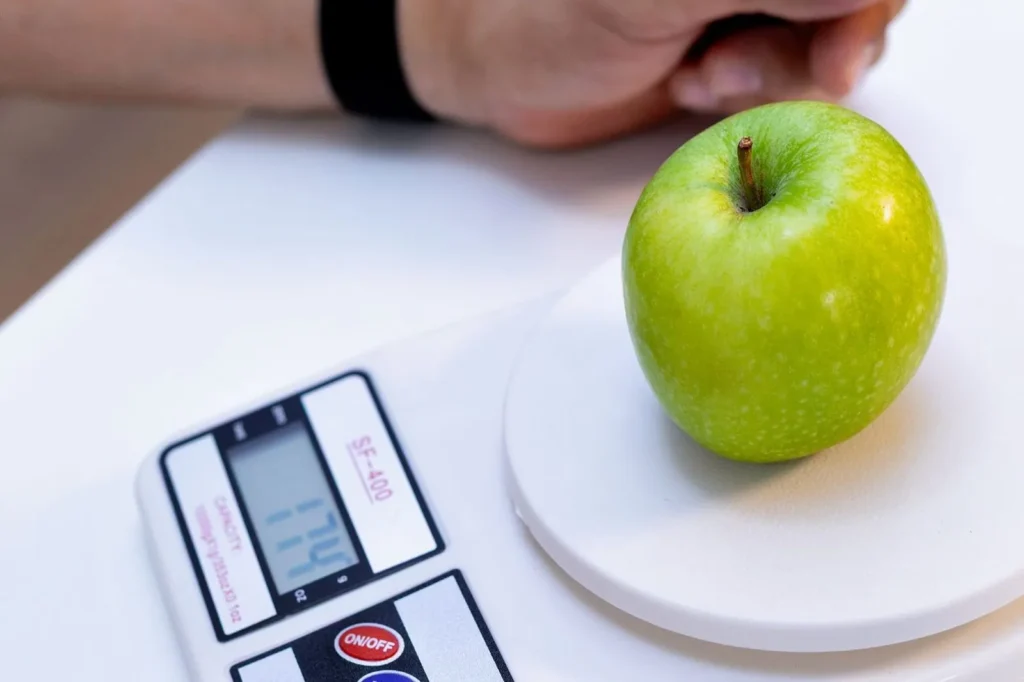
| Carb counting | Tracking grams of carbohydrate per meal, often using a kitchen scale | People on mealtime insulin, or wanting tight pattern-tracking | Needs label reading and care teaching; do not self-adjust medicine |
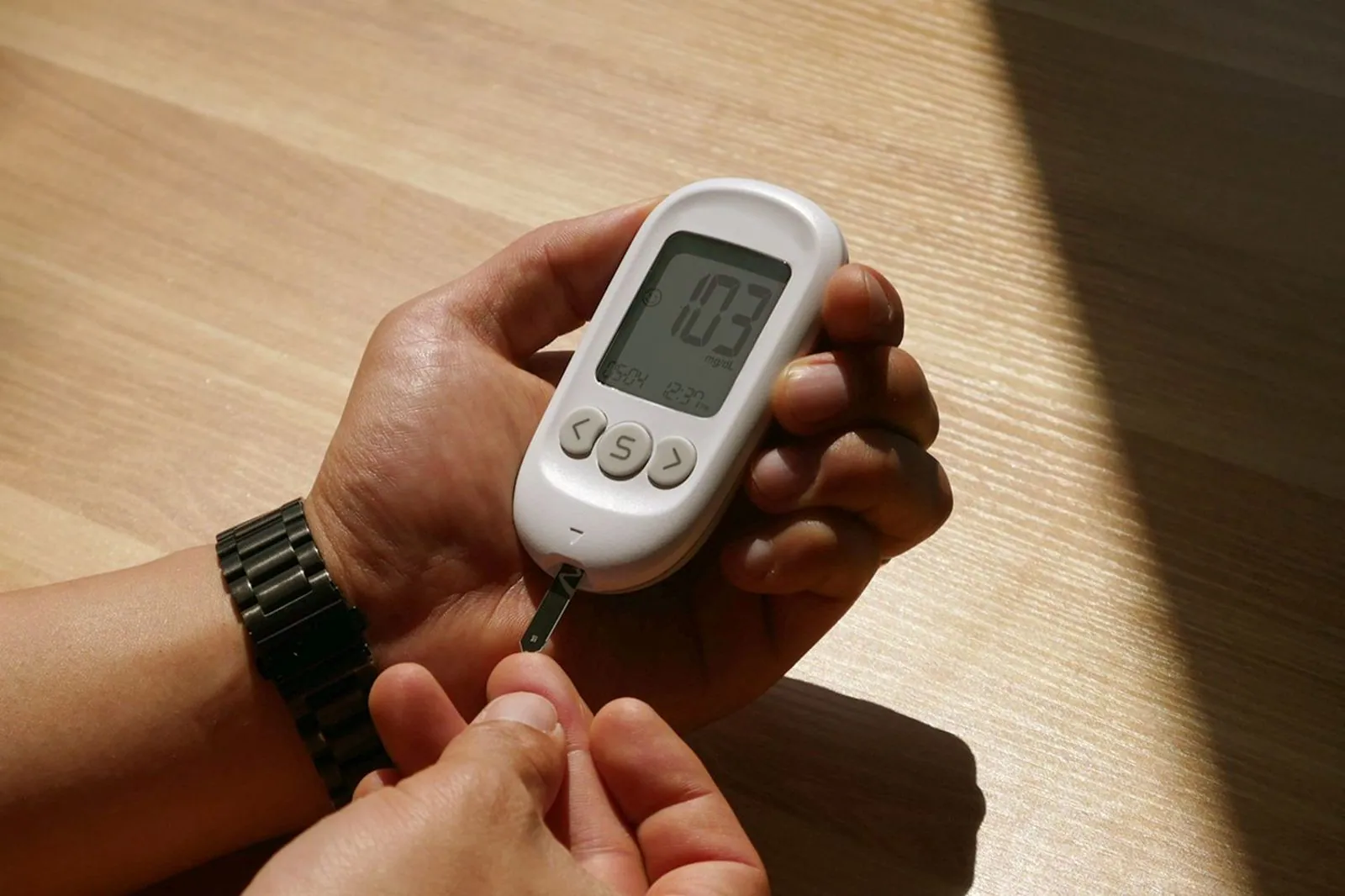
Many people blend them: the plate method most days, and gram counting for unfamiliar restaurant meals. When you use a glucose meter or CGM, compare readings before a meal with readings 1-2 hours after the first bite on the same meal across several days. That shows which dishes spike you. Commonly quoted targets for many adults are roughly 80-130 mg/dL before meals and under about 180 mg/dL after, but yours may differ with age, pregnancy or frequent lows, so ask your doctor for your own.
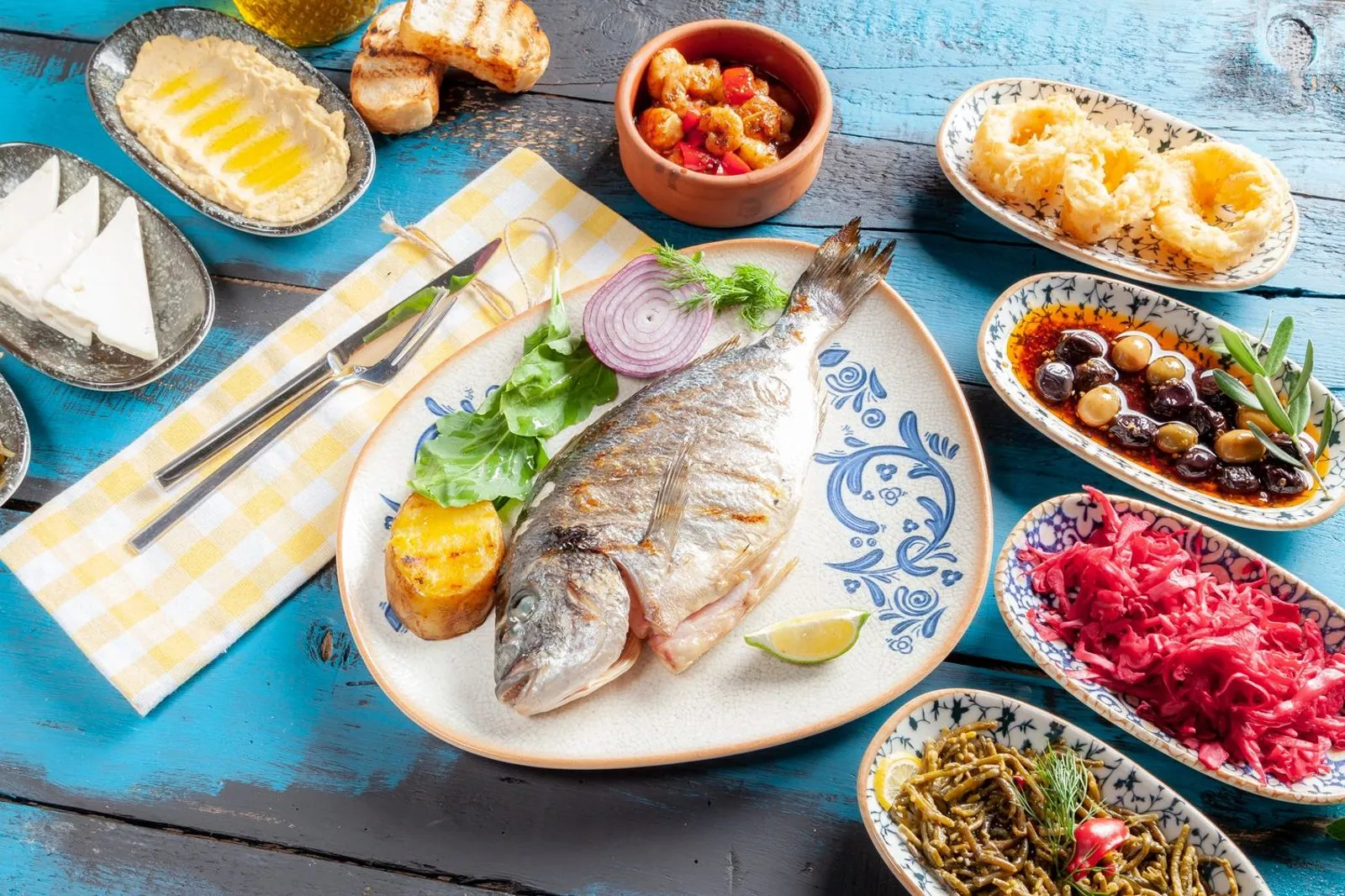
The structure in that photo, with plenty of vegetables, whole grains, pulses and fish or lean protein, translates well to an Indian kitchen. Use mustard or groundnut oil instead of olive oil, and add pulses and curd.
How should you eat around exercise when you have diabetes?
Physical activity helps lower glucose, but it can also cause lows if you take insulin or certain tablets. Check with your doctor about your personal thresholds. Many people are advised to have a small snack of about 15 g carbohydrate if the pre-exercise reading is on the low side, and to carry fast sugar during longer sessions.
A practical routine:
- Before: If you use medicines that can cause lows, ask whether to exercise on an empty stomach. A banana, a small fistful of roasted chana or a slice of toast with peanut butter are typical snack options for a session longer than about 30 minutes. Confirm yours with your care team.
- During: Carry something fast-acting, such as glucose tablets or a small pack of juice (about 120 ml gives roughly 15 g carbohydrate). If you feel shaky, sweaty or confused, stop, treat the low, and recheck after about 15 minutes.
- After: Glucose can keep falling for hours, including overnight. Have a balanced meal with carbohydrate and protein, such as dal-roti or a paneer wrap, rather than skipping dinner.
Gentle, regular movement works best: a 10-15 minute walk after meals, strength work two or three days a week, and yoga. Our guide to yoga for diabetes explains which practices suit beginners. You can also try online yoga classes or 1-on-1 personal training with a plan your doctor has cleared.
Troubleshooting: why do your readings not match what you ate?
When readings do not match your meal, the usual causes are hidden carbohydrate in portions and drinks, rich late meals that delay the rise, poor sleep or stress, and illness or a medicine change. Work through these before overhauling your whole diet, and share any pattern with your doctor.
- Hidden carbohydrate: Rice and roti portions creep up, and the sweet in the chai, a banana at breakfast or a “healthy” smoothie adds up quickly.
- Fatty or late meals: A very rich meal, such as paratha with butter or a restaurant curry, can raise glucose hours later, because fat slows digestion.
- Stress and poor sleep: Both raise glucose even when food is unchanged.
- Illness or a medicine change: Infections and some medicines raise glucose, so mention them to your doctor.
Frequent lows are a different problem. If you often feel shaky, sweaty or unusually hungry between meals, tell your doctor, because that may need a medicine or meal-timing review rather than a snack.
What should you eat on a sick day or during a festival fast?
When you are ill, keep drinking fluids, keep eating small amounts of easy carbohydrate if you can, such as khichdi, dalia, rice kanji or buttermilk, and test glucose more often than usual. Do not change medicine on your own. Call your doctor if you cannot keep fluids down or readings stay high.
Illness raises stress hormones, so glucose can run high even when you eat less. Call your doctor the same day if you have repeated vomiting, feel drowsy or confused, breathe fast, or readings stay very high.
Festivals and fasts need planning too. Navratri and Ekadashi foods like sabudana, singhare ka atta and potato are mostly starch, and Diwali sweets are mostly sugar and ghee. A few practical rules:
- Do not fast without asking your doctor first, especially if you take insulin or tablets that can cause lows.
- Build fasting plates around curd, paneer, nuts, makhana and vegetables, and keep sabudana and potato portions small.
- Have one small piece of mithai after a balanced meal, not on an empty stomach.
- Drink plenty of water, because dehydration pushes readings up.
When should you see a doctor or registered dietitian?
See your doctor or a registered dietitian before making major diet changes, and sooner if you have frequent lows, readings that stay high, unexplained weight loss, kidney, heart or liver disease, pregnancy, or you take insulin. They can set personal targets and safely adjust food and medicine together.
Several general rules change with health conditions. People with kidney disease may need to limit protein, potassium or phosphorus. Pregnancy changes glucose targets. Anyone on insulin or tablets that can cause lows needs a matching plan for meals, exercise and fasting. Never stop, reduce or add medicine because of something you read online, including this page. If you want personal guidance on portions and menus, an online nutritionist consultation can help, and if weight is part of the picture, an online weight loss trainer can build the activity side.
Frequently asked questions
Can people with diabetes eat rice and roti?
Yes, in measured portions. Many people do well with about one katori of cooked rice or one to two phulkas per meal, paired with dal, sabzi and curd. Your dietitian sets the exact amount for you, and glucose checks 1-2 hours after the meal show whether it suits you.
How many carbs should a person with diabetes eat per meal?
There is no single number. It depends on body size, activity, medicines and goals, so a dietitian sets a personal range. A phulka has about 15-20 g and a katori of cooked rice about 35-40 g, so counting these helps you stay consistent.
Which Indian foods are good for diabetes?
Non-starchy vegetables, whole pulses, dal, sprouts, curd, paneer, eggs, fish, nuts, and whole fruit in measured portions are common choices. Millet rotis can replace some wheat. No food cures diabetes, and portion size matters as much as the food itself.
Should I test my blood sugar after meals?
It helps to test before a meal and again 1-2 hours after the first bite, on the same meal across several days, to learn your patterns. How often depends on your treatment, so follow your doctor’s schedule.
Can diet alone control diabetes?
For some people with type 2 diabetes, food, activity and weight loss can improve control a lot, but that is a decision for your doctor to confirm with tests. Do not stop or change medicine because of diet changes, and type 1 diabetes always needs insulin.
If you want these ideas turned into a weekly Indian menu that fits your labs and medicines, book an online nutritionist consultation with Fitstrot, and bring your recent glucose log and reports.


