

Good nutrition for weight loss comes down to three things: eating a little less energy than you burn, building meals around protein and fibre so you stay full, and choosing a pattern you can repeat for months in an Indian kitchen, not just for a fortnight. This guide gives you the numbers, a portion table in grams, a sample day of eating, and the mistakes that quietly stall progress. It is general education, not personal medical advice.
What does nutrition for weight loss actually mean?
Nutrition for weight loss means eating so your body uses slightly more energy than it takes in, while still getting enough protein, fibre, vitamins and minerals. It is a framework, not one diet: a modest daily gap of roughly 300 to 500 kcal, protein and vegetables at every meal, and food you enjoy.
About 7,700 kcal of stored energy equals roughly 1 kg of body fat, so a steady 500 kcal gap adds up to about half a kilo a week. That is an estimate, not a promise: sleep, stress, hormones and activity change the real rate, and the first week’s quick drop is mostly water.
Keep the plan flexible enough to survive a wedding, a festival or a travel week. If you want it turned into a week of meals, a nutrition diet chart for weight loss shows how the principles look on an actual schedule.
How big should your calorie deficit be?
A sensible calorie deficit is about 300 to 500 kcal below your maintenance intake, which usually means losing roughly 0.25 to 0.5 kg a week. Larger gaps of 700 to 1,000 kcal can be used by people with a lot of weight to lose, but they raise the risk of fatigue, muscle loss and rebound eating.
To find a starting point, estimate your maintenance calories (what you eat to stay at your current weight) and subtract about 15 to 20 percent, rather than picking an arbitrary low number. The nutrition and calories guide explains the maths in more detail.
| Daily deficit | Approx. loss per week | What it usually feels like | Who it suits |
|---|---|---|---|
| About 250 kcal | About 0.2 kg | Barely noticeable hunger | People already near a healthy weight who want slow, steady change |
| About 500 kcal | About 0.45 kg | Mild hunger, manageable with protein and fibre | Most adults starting out |
| About 750 kcal | About 0.7 kg | Clear hunger, needs careful planning and sleep | People with more weight to lose, ideally with guidance |
| 1,000 kcal or more | 0.9 kg or more | Fatigue, irritability, muscle loss are common | Only under medical or dietitian supervision |
As a safety floor, most healthy adults should not drop below about 1,200 kcal a day (women) or 1,500 kcal a day (men) on their own. Anything lower belongs under professional supervision. Weigh yourself once a week, not daily, since water and salt can move the scale by a kilo overnight. Your BMI and nutrition profile gives useful context for where to start, though BMI alone does not describe body composition.
Which Indian foods give the most protein and fibre for the calories?
Dal, chana, curd, eggs, paneer, soya chunks and chicken give the most protein per calorie in an Indian kitchen. A katori of cooked dal (about 150 g) gives roughly 8 g protein for about 150 kcal, while 100 g of cooked chicken breast gives around 30 g protein for about 165 kcal.
Protein keeps hunger down and fibre adds bulk. The values below are round approximations; recipes and cooking oil change the real numbers.
| Food | Portion | About kcal | About protein | Why it helps |
|---|---|---|---|---|
| Cooked toor or moong dal | 1 katori, 150 g | 150 | 8 g | Protein plus fibre, cheap and filling |
| Boiled chana or rajma | 100 g cooked | 165 | 9 g | High fibre, about 6 to 7 g per portion |
| Eggs | 2 whole, boiled | 140 | 12 g | Easy breakfast protein |
| Paneer | 100 g | 270 | 18 g | Good for vegetarians; calorie dense, so measure it |
| Curd (dahi) | 1 bowl, 200 g | 120 | 7 g | Protein with gut-friendly cultures |
| Soya chunks (dry weight) | 30 g | 105 | 15 g | Highest vegetarian protein per calorie |
| Cooked chicken breast | 100 g | 165 | 30 g | Lean, very filling |
| Whole wheat roti | 1 medium, 40 g | 110 | 3 g | Fibre and steady energy |
| Cooked white rice | 100 g | 130 | 2.5 g | Fine in measured portions |
| Roasted chana | 30 g | 110 | 6 g | Portable snack that beats biscuits |
For most healthy adults, a useful protein range while cutting is roughly 1.0 to 1.5 g per kg of body weight per day, spread over meals at about 20 to 30 g each. Aim for around 25 to 30 g of fibre a day from vegetables, dal, fruit and whole grains. See protein and nutrition and fibre nutrition for more on both.
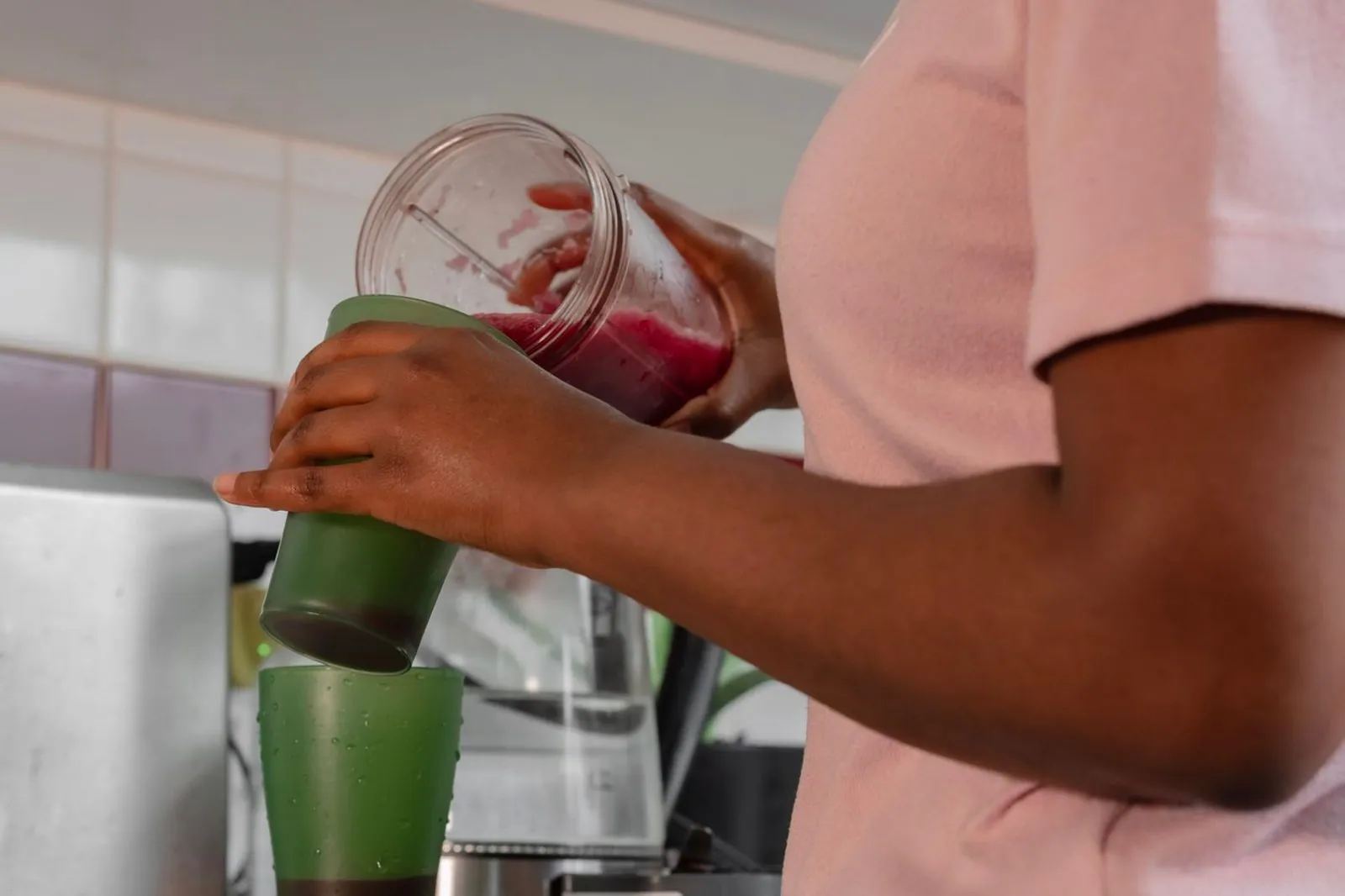
Protein powders are a convenience, not a requirement. A shake with 20 to 30 g protein and little added sugar can fill a gap on a rushed morning, but it should not replace vegetables, dal and curd. Check labels for added sugar and count it in your daily calories.
What does one day of eating look like at about 1,600 kcal?
A balanced Indian day at about 1,600 kcal can include roughly 90 g of protein: a protein-based breakfast, two rotis with dal and sabzi at lunch, a measured snack, and a lighter dinner built around paneer, eggs or chicken. It is one example to adapt, not a prescription for everyone.
| Meal | What and how much | About kcal | About protein |
|---|---|---|---|
| Early morning | Water, then tea with a splash of milk, no sugar | 30 | 1 g |
| Breakfast | 2 moong dal chillas stuffed with 50 g grated paneer, mint chutney | 300 | 18 g |
| Mid-morning | 1 guava or apple plus 10 almonds | 120 | 3 g |
| Lunch | 2 rotis, 1 katori dal, 1 bowl sabzi with 1 tsp oil, 1 bowl curd, large salad | 610 | 24 g |
| Evening | 30 g roasted chana, tea with milk, no sugar | 160 | 7 g |
| Dinner | 1 roti, 100 g grilled chicken or 80 g paneer, 150 g sautéed vegetables | 400 | 37 g |
| Total | about 1,620 | about 90 g |
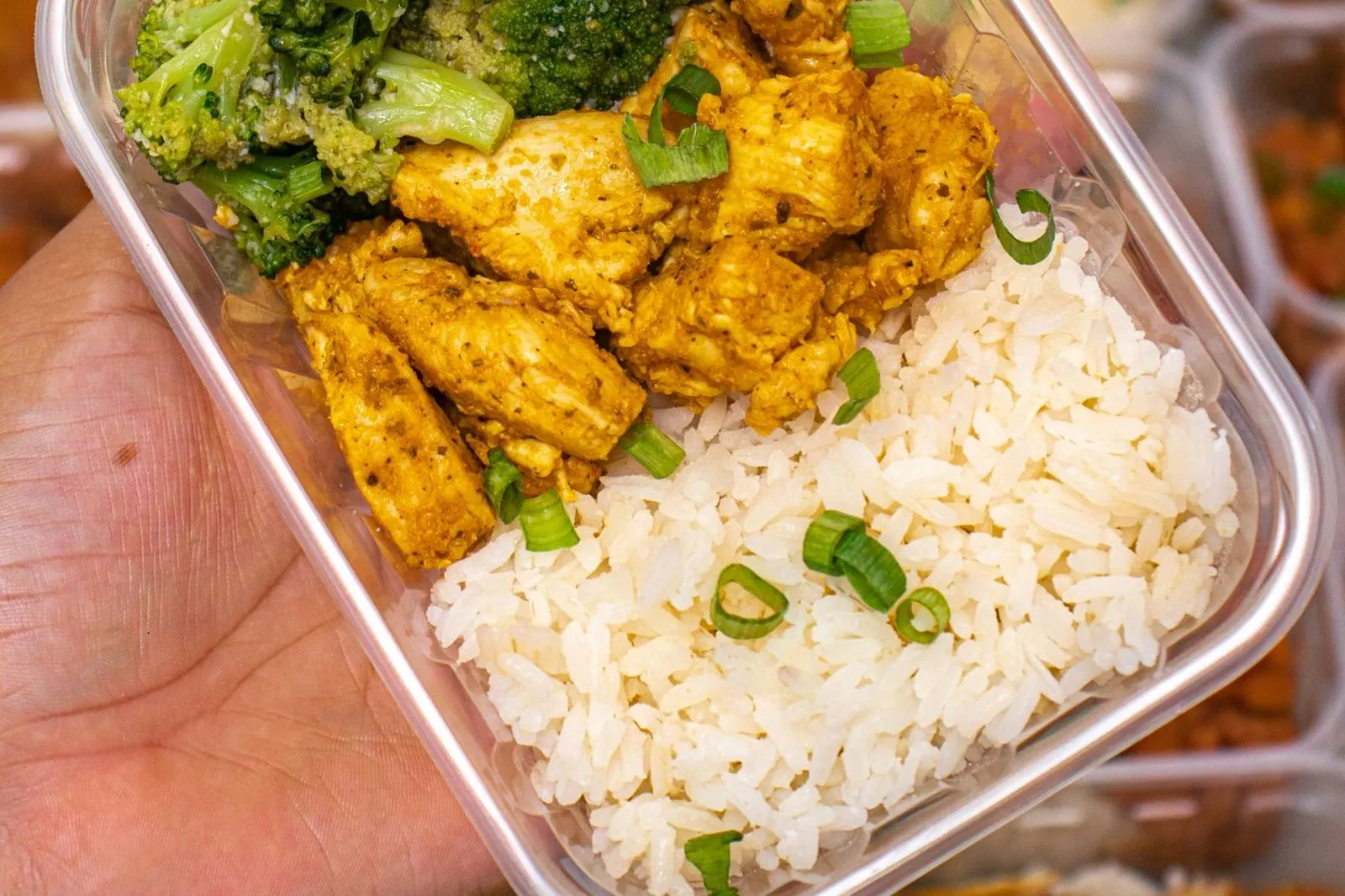
Vegetarians can swap the chicken for 80 g paneer, soya chunks or an extra katori of dal; eggetarians can use two boiled eggs. Nothing is banned here. Cooking fat is where calories hide, since 1 tsp of oil or ghee carries roughly 40 to 45 kcal, so measure it with a spoon instead of pouring from the bottle.
Myth check: five beliefs that keep people stuck
“I must skip dinner or stop eating roti and rice.” You do not. Total calories and protein matter more than any single food. Cutting all carbohydrates tends to end in a binge. Keep portions measured, such as 1 to 2 rotis or a katori of cooked rice, and add protein beside them.
“Ghee and oil are forbidden.” Small amounts make healthy food taste good enough to continue. The problem is unmeasured amounts, not the ingredient.
“Fruit juice is healthy, fruit is fattening.” It is the other way around for most people. Whole fruit has fibre and fills you up. Juice delivers sugar quickly and leaves you hungry again.
“Detox teas and herbal fat burners melt fat.” No drink or herb dissolves body fat. Some herbal products can interact with medication or irritate the stomach, so they are at best a minor extra. See herbal nutrition for weight loss for what is reasonable.
“Eating as little as possible is the fastest route.” Crash diets cost muscle along with fat and usually end in regained weight. A plan promising a huge loss in a few days is a warning sign, and no coach can guarantee a number.
Why has my weight loss stalled even though I am eating less?
Weight loss usually stalls because portions and hidden calories creep up, protein and fibre are too low, sleep is poor, or normal water fluctuations are hiding fat loss. Compare weekly averages across two to three weeks before changing anything, then audit oil, sugar in chai, snacks and weekend meals first.
Work through this checklist in order:
- Weigh your food for three days. Rice, paneer, nuts and oil are the usual underestimates.
- Check liquid calories. Sweet chai several times a day, packaged juice, lassi and cold coffee can add 200 to 400 kcal without feeling like food.
- Raise protein and fibre at breakfast. A carb-only start such as plain poha often leads to snacking by 11 am.
- Sleep and stress. Short sleep raises hunger and cravings.
- Move more, not only eat less. A daily walk plus two or three strength sessions a week protects muscle, and a guided online weight loss trainer programme can keep that consistent.
If your clothes are looser while the scale is flat, you may be losing fat and holding muscle. Reading about nutrition and fat loss helps you judge progress beyond the scale, and nutritional balance for weight loss shows how to keep the plate balanced. For stubborn belly fat, see how to reduce visceral belly fat.
When should you see a doctor or registered dietitian first?
See your doctor or a registered dietitian before starting a calorie deficit if you have a medical condition, take regular medication, are pregnant or breastfeeding, or have ever had disordered eating. Weight loss can change blood sugar, blood pressure and medicine needs, so personal guidance matters more than any general plan.
Please get individual advice first if any of these apply:
- Diabetes or prediabetes, thyroid disease, PCOS, high blood pressure, heart, kidney or liver conditions.
- You take regular medicines. Never stop or change a dose on your own because you are eating differently; ask your doctor.
- You are pregnant, breastfeeding, under 18 or over 60.
- You have a history of an eating disorder, or you find yourself bingeing, purging or fearing food.
- Your BMI is very high or very low, or you feel dizzy, weak or faint on a deficit.
The protein range given earlier is a general guide for healthy adults; with kidney problems, a doctor must set your limit. A professional can also check causes food alone will not fix, such as thyroid changes or anaemia.
Nutrition for weight loss if you are vegetarian, busy or eat out often
Vegetarian or vegan. Build each meal around dal, chana, rajma, paneer, curd, tofu or soya. Watch vitamin B12, which plant foods barely supply; a dietitian can advise whether you need a supplement.
Desk jobs and long commutes. Carry roasted chana, a fruit, curd or a boiled egg so a samosa is not your only option at 5 pm. Prepare a dal and sabzi base on Sunday.
Eating out and office canteens. Choose tandoori or grilled items, dal, curd and plain roti, and ask for gravies to be kept light. Eat the salad and protein first, then the carbohydrate.
For keeping these habits long term, diet and nutrition is a useful next read.
Frequently asked questions
How many calories should I cut to lose weight?
Most adults do well cutting about 300 to 500 kcal a day below maintenance, which usually gives roughly 0.25 to 0.5 kg of loss a week. Cutting much more is not necessarily faster or safer, and often brings fatigue, muscle loss and rebound eating.
How much protein do I need while losing weight?
For most healthy adults, roughly 1.0 to 1.5 g of protein per kg of body weight a day, spread across meals at about 20 to 30 g each, helps you stay full and protect muscle. Anyone with kidney problems should ask a doctor for their own limit.
Can I lose weight without counting calories?
Yes. Many people lose weight by building each plate around protein, vegetables and fibre-rich carbohydrates, measuring oil and rice, and cutting liquid calories. Counting can help for a couple of weeks to build awareness, but it is not the only route to a sustainable calorie deficit.
Is it okay to eat roti and rice while losing weight?
Yes, in measured portions. One roti is about 110 kcal and 100 g of cooked rice is about 130 kcal. Pair them with dal, sabzi, curd or a protein source rather than eating them alone, and total calories and protein will matter more than any single food.
How fast is it safe to lose weight?
For most adults, about 0.25 to 0.5 kg a week is a realistic, sustainable pace after the first week of water loss. Faster loss is usually water or muscle, and results vary with age, sleep, hormones and health. Ask a professional if you want to lose more quickly.
If you want a nutrition plan for weight loss built around your own calorie needs, food preferences and health conditions, book an online nutritionist consultation with Fitstrot and leave with a week-by-week eating plan.


