
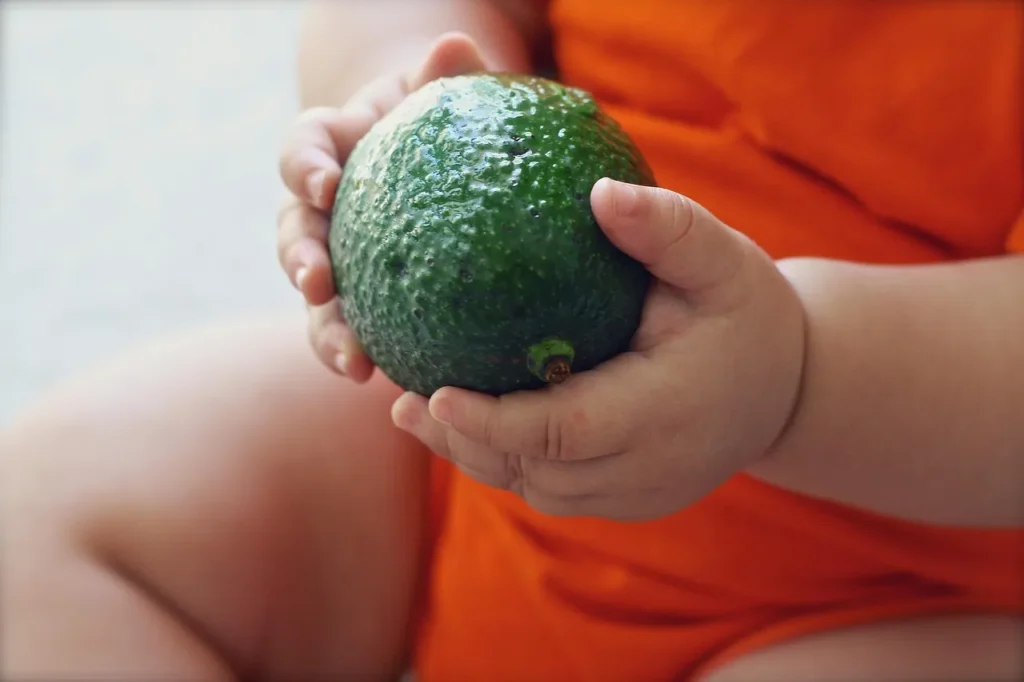
Child nutrition is less about superfoods and more about steady, repeatable meals that match a growing body’s needs. A four-year-old needs roughly 1,360 kcal and 16 g of protein a day. A 14-year-old boy needs more than twice that energy. This guide sets out those needs by age using India’s own standard, the ICMR-NIN 2020 Recommended Dietary Allowances. It then turns them into real Indian day plans, gives sugar and junk-food limits, and lists the warning signs that mean you should see a paediatrician.
This page covers children aged 1 to 18. Babies under one year follow separate breastfeeding and weaning guidance. Everything here is general information for healthy children. If your child has a diagnosed condition, a food allergy, takes medication or is losing weight without a reason, speak to your paediatrician before changing their diet.
What does good child nutrition actually mean?
Good child nutrition means a child gets enough energy, protein, calcium, iron and other micronutrients to grow along their own growth curve, from mostly whole, home-cooked food. In India, the reference is the ICMR-NIN 2020 RDA. It sets daily targets by age, for example 12.5 g of protein for ages 1–3 and 55 g for boys aged 16–18.
In practice, three things matter more than any single food:
- Enough total food. ICMR-NIN 2020 puts toddler energy needs at about 83 kcal/kg/day, against 45–52 for older teens. Small stomachs need 5–6 eating occasions a day.
- Protein quality. ICMR-NIN recommends a cereal : legume : milk ratio of about 3 : 1 : 2.5. Roti or rice alone isn’t enough; dal and milk or curd complete it.
- Micronutrient density. Iron, calcium and zinc come from vegetables, pulses, dairy, eggs, nuts and seeds, not from biscuits or “fortified” packaged drinks.
Child nutrition in India: the numbers behind the concern
India has a “double burden”: undernutrition and rising junk-food intake exist side by side, sometimes in the same household. The national data are sobering.
- According to the Government of India’s 2022 release on NFHS-5 (2019–21), 35.5% of children under five are stunted (too short for age), 19.3% are wasted (too thin for height) and 32.1% are underweight. All three figures improved slightly from NFHS-4.
- Anaemia moved the other way. A 2023 BMC Public Health analysis found that anaemia among children aged 6–59 months rose from 59% in NFHS-4 to 67% in NFHS-5.
- At the same time, the Indian Academy of Pediatrics (IAP) warned in 2019 that rising consumption of fast foods and sugar-sweetened drinks among Indian children is linked with obesity and later non-communicable disease. Its guideline in Indian Pediatrics is the basis for the limits later in this article.
In many urban homes, low iron and too much packaged food are likelier problems than too little food.
Nutrition for kids by age: the ICMR-NIN 2020 table
This is the table worth saving. Values are daily Recommended Dietary Allowances for Indian children at the ICMR reference body weight and moderate activity. Energy and protein come from the ICMR-NIN 2020 brief note on nutrient requirements. Calcium, iron and fibre come from the summary RDA table in the same 2020 expert-group report.
| Age group | Ref. weight (kg) | Energy (kcal/day) | Protein (g/day) | Calcium (mg/day) | Iron (mg/day) | Fibre (g/day) |
|---|---|---|---|---|---|---|
| 1–3 years | 12.9 | 1,110* | 12.5 | 500 | 8 | 15 |
| 4–6 years | 18.3 | 1,360 | 16 | 550 | 11 | 20 |
| 7–9 years | 25.3 | 1,700 | 23 | 650 | 15 | 26 |
| Boys 10–12 | 34.9 | 2,220 | 32 | 850 | 16 | 33 |
| Girls 10–12 | 36.4 | 2,060 | 33 | 850 | 28 | 30 |
| Boys 13–15 | 50.5 | 2,860 | 45 | 1,000 | 22 | 43 |
| Girls 13–15 | 49.6 | 2,400 | 43 | 1,000 | 30 | 36 |
| Boys 16–18 | 64.4 | 3,320 | 55 | 1,050 | 26 | 50 |
| Girls 16–18 | 55.7 | 2,500 | 46 | 1,050 | 32 | 38 |
*The ICMR-NIN summary energy table lists 1,070 kcal for ages 1–3; the detailed table lists 1,110 kcal. Treat it as roughly 1,100 kcal.
- These are population targets, not a prescription. ICMR says needs should be adjusted for actual weight and activity. Don’t count a healthy child’s calories; use the table to check that the right food groups are covered.
- Protein assumes good quality. On a cereal-based diet with low-quality protein, ICMR puts the need at about 1 g/kg/day instead.
- Look at iron for girls. From age 10, a girl’s iron RDA (28–32 mg) is well above a boy’s (16–26 mg), because of menstruation.
- Calcium doubles by adolescence, from 500 mg to 1,000–1,050 mg, as bone mass builds fastest.
Building a balanced diet for children on an Indian plate
You don’t need to weigh food. One plate model works for every age; only the portion changes.
- A quarter of the plate: cereal or millet. Roti, rice, poha, ragi, jowar, bajra or daliya.
- A quarter: protein. Dal, rajma, chana, sprouts, paneer, curd, egg, fish or chicken.
- Half: vegetables and fruit. The WHO healthy-diet fact sheet (updated January 2026) sets at least 250 g of fruit and vegetables a day for children aged 2–5, 350 g for 6–9 and 400 g from age 10.
- Plus: milk or curd 2–3 times a day, and a small amount of visible fat such as ghee or oil for cooking.
Protein rich food for kids
The figures below come from the USDA FoodData Central database (SR Legacy entries). Portion protein is calculated from the per-100 g value. Watery home-style dal carries less protein per katori than thick cooked lentils, so treat the dal row as an upper estimate.
| Food | Protein per 100 g | Typical child portion | Approx. protein per portion |
|---|---|---|---|
| Whole egg | 12.6 g | 1 egg (~50 g) | ~6 g |
| Whole milk | ~3.2 g | 1 glass (200 mL) | ~6.4 g |
| Plain whole-milk curd / yoghurt | 3.5 g | 1 katori (100 g) | ~3.5 g |
| Lentils, cooked thick (masoor / whole dal) | 9.0 g | ½ katori (75 g) | ~6.8 g |
| Chickpeas (kabuli / kala chana), boiled | 8.9 g | ½ katori (75 g) | ~6.6 g |
For a 6-year-old with a 16 g target, one glass of milk, half a katori of chana and some curd already reach it, before counting roti and rice. Most children eating regular home meals don’t need protein powders.
Iron rich foods for kids
Iron is where Indian diets most often fall short. Plant foods such as green leafy vegetables, rajma, chana, sprouts, til (sesame), ragi and dates contain non-heme iron, which the body absorbs less well. The NIH Office of Dietary Supplements notes that plant iron is absorbed better when eaten with vitamin C foods or with meat, poultry or seafood.
So squeeze lemon on dal or poha, serve amla, guava or tomato with iron-rich meals, and keep tea away from mealtimes. Eggs, fish and chicken add easily absorbed heme iron.
Important safety point: don’t give iron tablets or syrups “just in case”. The same NIH fact sheet warns that accidental iron overdose is a leading cause of fatal poisoning in children under 6. Give iron only after a paediatrician confirms anaemia, at the prescribed dose, and keep it locked away.
For calcium, the other nutrient that jumps in the teen years, our calcium nutrition guide covers Indian food sources in detail.
Diet chart for kids: sample Indian days by age
These are example days, not prescriptions. Swap within the same food group and let appetite set the quantity. A toddler’s katori is about a quarter of an adult’s; a teenager may out-eat a parent.
| Meal | 1–3 years | 4–6 years | 7–9 years | 10–12 years | 13–18 years |
|---|---|---|---|---|---|
| Early morning | Milk (½–1 cup) | Milk (1 cup) | Milk + 4–5 soaked almonds | Milk + a few nuts | Milk or curd + nuts |
| Breakfast | Soft vegetable upma or ragi porridge | Moong dal chilla with curd | Vegetable poha with peanuts + fruit | 2 stuffed parathas (paneer / methi) + curd | Besan chilla or 2 eggs + 2 rotis/toast + fruit |
| Mid-morning | Mashed banana or chikoo | Seasonal fruit | Fruit (school break) | Sprouts chaat or fruit | Fruit + roasted chana |
| Lunch | Soft khichdi with ghee + mashed sabzi | Rice + dal + sabzi + curd | Tiffin: roti roll with paneer/egg + vegetables | Tiffin: rajma rice or veg pulao + raita | Rotis + dal/rajma/chicken + sabzi + salad + curd |
| Evening | Curd or milk + soft fruit | Ragi ladoo or suji cheela | Makhana, peanut chikki or corn chaat | Idli/dhokla + chutney | Sandwich with paneer/egg or a bowl of sprouts |
| Dinner | Dal-rice mash or soft roti + dal | Roti + dal/paneer + sabzi | Roti + dal + sabzi | Roti/rice + dal or egg curry + sabzi | Rotis/rice + protein dish + sabzi |
| Bedtime (optional) | Milk if hungry | Milk if hungry | — | Milk (helps calcium target) | Milk (calcium RDA is 1,000–1,050 mg) |
Egg, fish or chicken can replace a dal or paneer serving. Vegan families should ask a dietitian about calcium and vitamin B12.
Healthy breakfast for kids that survives the school rush
Quick options: poha with peanuts; moong or besan chilla from batter made the night before; ragi porridge with milk and banana; paneer or egg bhurji in a roti roll. Include one protein food every day.
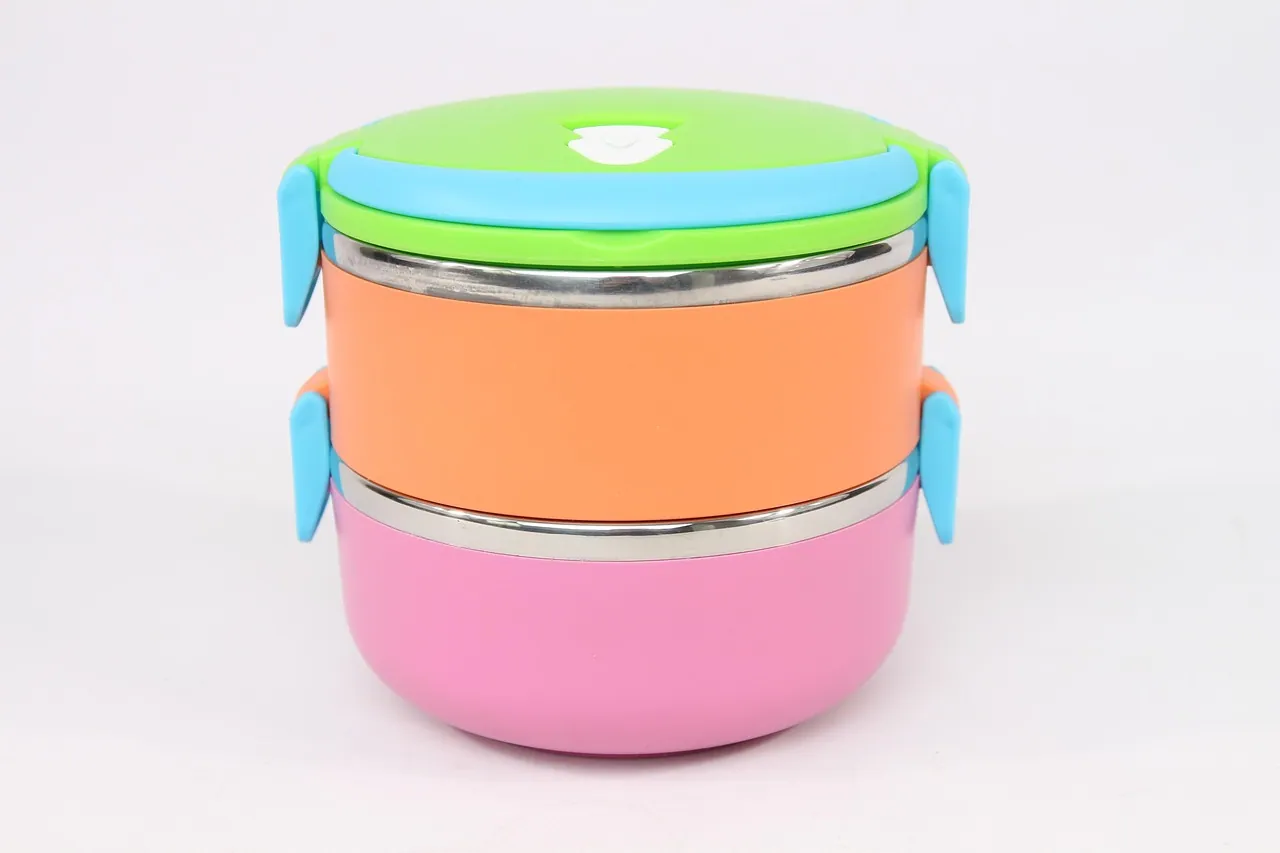
Lunch box ideas for kids that come back empty
- Finger food wins: rolls, mini parathas, idli and dhokla are easier than dal-rice in a short break.
- Two compartments: the main item plus cut fruit or carrot sticks.
- Hide the protein in paratha stuffing, chilla batter or tikki.
- Water, not a juice box.
Sugar, juice and junk food: where are the limits?
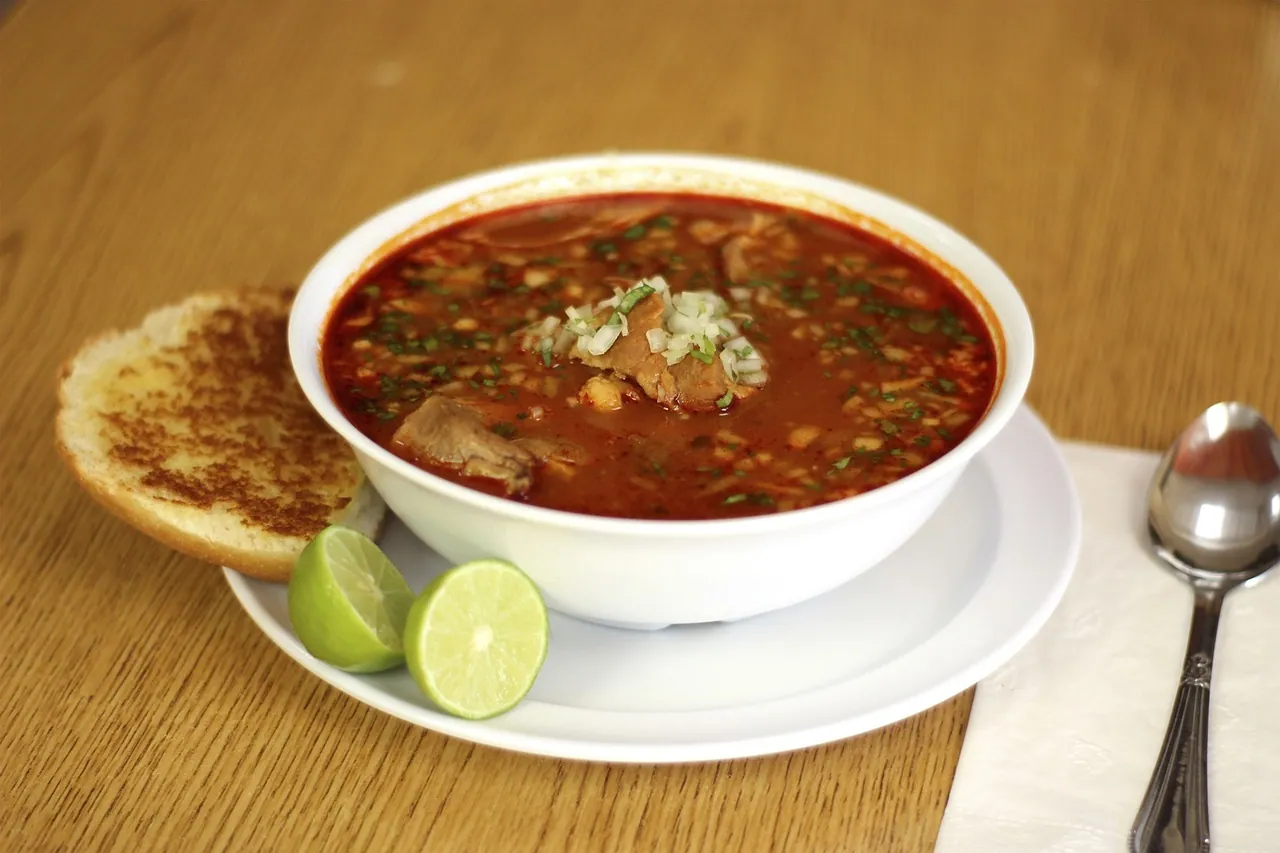
The IAP recommends no fruit juice or sugary drinks before age 2, a maximum of 125 mL of juice a day for ages 2–5, and 250 mL for older children. It also advises that junk and ultra-processed foods be limited to no more than one serving a week. WHO keeps free sugars under 10% of daily energy, ideally 5%.
The IAP 2019 guideline groups these foods under the acronym JUNCS: Junk foods, Ultra-processed foods, Nutritionally inappropriate foods, Caffeinated/coloured/carbonated foods and drinks, and Sugar-sweetened beverages. The IAP also advises that caffeinated energy drinks should not be given to children and adolescents. Here are the limits from all three sources side by side:
| Item | Under 2 years | 2–5 years | 6–18 years | Source |
|---|---|---|---|---|
| Added sugar | None | Under 25 g (6 tsp)/day | Under 25 g (6 tsp)/day | AHA |
| Free sugars as % of energy | — | Under 10%, ideally 5% | Under 10%, ideally 5% | WHO |
| What 10% means in grams* | — | ~34 g at 1,360 kcal (age 4–6) | ~42 g at 1,700 kcal (age 7–9) | Calculated from WHO + ICMR |
| Fruit juice / fruit drinks | None | Max 125 mL/day | Max 250 mL/day | IAP 2019 |
| JUNCS foods (chips, instant noodles, cola, packaged snacks) | Avoid | Max 1 serving/week | Max 1 serving/week | IAP 2019 |
| Caffeinated energy drinks | Never | Never | Never | IAP 2019 |
*1 g sugar = 4 kcal. At 1,360 kcal, 10% = 136 kcal ≈ 34 g.
The American Heart Association limit is stricter than WHO’s for most children. As summarised by Harvard’s Nutrition Source, the AHA advises children aged 2–18 to keep added sugar below 25 g (6 teaspoons) a day and to limit sugary drinks to no more than 8 ounces (about 240 mL) a week. Using the lower of the two limits is the safer default.
In Indian homes, sugar hides in the spoons stirred into milk, “health drink” powders, biscuits, packaged juice, ketchup and mithai. Two glasses of milk with two teaspoons each already use 4 of the 6 daily teaspoons. For the physiology behind the limits, see how sugar affects the body.

Picky eating: a troubleshooting guide
Most children go through a fussy phase, often between 2 and 6. The research-backed tool is patience. In a 2003 randomised trial in the European Journal of Clinical Nutrition, offering children a small taste of an unfamiliar vegetable in eight daily sessions significantly increased both liking and intake. Rewarding them with stickers did not do significantly better than doing nothing.
Problem: “He refuses all vegetables.”
Fix: put one or two pieces on the plate at every meal, next to a food they like, with no pressure. Expect 8 or more tries.
Problem: “She only wants maggi, biscuits and chips.”
Fix: stop stocking them. Children choose from what is available. Keep JUNCS foods to a planned once-a-week treat.
Problem: “He barely eats at meals but snacks all day.”
Fix: set fixed meal and snack times with only water in between, so they arrive hungry.
Problem: “Meals take an hour and end in tears.”
Fix: end the meal after about 30 minutes without comment or a replacement, and keep screens off. Forcing and bribing tend to backfire.
Problem: “She drinks 4–5 glasses of milk and won’t eat.”
Fix: milk fills small stomachs and is low in iron. Serve it after meals, and ask your paediatrician how much suits your child’s age.
Healthy food for kids who say no to everything
Involve them in washing, stirring and choosing at the sabzi mandi. Offer two healthy options (“carrot or cucumber?”), and serve new foods in familiar forms: palak paratha, lauki chilla, beetroot roti.
Myths about child nutrition, corrected
Myth: “A chubby child is a healthy child.”
Growth, not size, is the measure, and the paediatrician’s growth chart answers it. If weight is a real concern, see our guide to healthy weight management in children; never put a child on a restrictive diet without medical supervision.
Myth: “Every child needs a health-drink powder.”
Varied home meals usually meet the RDA. Many malted powders add sugar that counts toward the 25 g limit.
Myth: “Juice is as good as fruit.”
Juice loses the fibre and concentrates the sugar, which is why IAP caps it and prefers whole fruit.
Myth: “Ghee and fat are bad for kids.”
Young children need some fat for energy. The problem is fried and packaged snacks, not a teaspoon of ghee on dal-rice.
Myth: “Vegetarian children can’t grow well.”
They can, if the plate combines cereals, pulses and dairy and pairs iron-rich meals with vitamin C.
Pre-teens and teenagers: feeding the growth spurt
Between 10 and 18, needs rise faster than at any other stage after infancy. A boy’s energy RDA climbs from 2,220 kcal (10–12 years) to 3,320 kcal (16–18 years) in the ICMR-NIN table. His protein roughly doubles from 32 g to 55 g. Girls need less energy but far more iron, 28–32 mg a day once menstruation starts.
- Don’t cut meals to “manage weight”. Skipping breakfast in peak bone-building years costs calcium and iron.
- Plan coaching-class snacks: a sandwich, roasted chana or a paneer roll beats the samosa stall.
- Athletes eat more than the table’s moderate-activity values; add a meal rather than a powder.
- Watch for disordered eating: secret meal-skipping, rigid food rules or intense worry about body shape warrant a doctor’s visit.
Food is only half the equation. The WHO physical activity fact sheet reports that 81% of adolescents aged 11–17 worldwide are insufficiently active, with girls (85%) worse off than boys (78%). Family activities such as online yoga sessions at home are an easy way to move together.
When should you see a paediatrician?
See a paediatrician if your child loses weight, stops gaining height, crosses downward on the growth chart, or shows signs of anaemia such as pallor, constant tiredness or breathlessness. A doctor should also check a very narrow diet that keeps shrinking, choking or pain while eating, or fear of food.
Other red flags that warrant a check-up:
- Persistent diarrhoea, vomiting, constipation or stomach pain linked to eating.
- Rashes, lip swelling or breathing trouble after certain foods (seek urgent care for breathing difficulty).
- Eating non-food items such as mud or chalk.
- Rapid weight gain, or in teens, missed periods or secretive eating.
Once medical causes are ruled out, a qualified dietitian can help you turn the ICMR targets into meals your child will actually eat. Fitstrot’s online nutritionist consultation is one option for Indian families who want a plan built around their own kitchen.
Frequently asked questions
How much protein does a child need per day in India?
According to ICMR-NIN 2020, children need about 12.5 g of protein a day at ages 1–3, 16 g at 4–6 and 23 g at 7–9. Boys need 32 g and girls 33 g at 10–12, rising to 55 g for boys and 46 g for girls at 16–18. A glass of milk, an egg or half a katori of chana each gives roughly 6 g.
How many calories does a 5-year-old need?
The ICMR-NIN 2020 energy requirement for children aged 4–6 years is about 1,360 kcal a day at a reference weight of 18.3 kg and moderate activity. Actual needs vary with size and activity, so follow your child’s appetite and growth chart rather than counting calories.
Are health drink powders necessary for kids?
No. Children eating varied home meals with dal, dairy, vegetables and fruit generally meet their needs without powders. Many malted powders add sugar, which counts toward the AHA limit of under 25 g of added sugar a day. Ask your paediatrician before relying on any supplement.
How much fruit juice can a child have?
The Indian Academy of Pediatrics (2019) advises no fruit juice for children under 2, a maximum of 125 mL a day for ages 2–5, and 250 mL a day for older children and teens. Whole seasonal fruit is preferred, and water should be the main drink.
How many times should I offer a food my child refuses?
Keep offering small tastes without pressure. In a 2003 randomised trial, eight daily tasting sessions significantly increased children’s liking and intake of an unfamiliar vegetable. Many children need 8 or more exposures before they accept a new food.
Which foods are rich in iron for Indian kids?
Good sources include green leafy vegetables, rajma, chana, sprouts, ragi, dates, eggs, fish and chicken. Pair plant sources with vitamin C foods such as lemon, amla, guava or tomato to improve absorption. Avoid tea with meals, and never give iron supplements without a doctor’s advice.
When should I worry about my child’s weight or growth?
See a paediatrician if your child loses weight, stops gaining height, drops across growth-chart lines, gains weight very rapidly, or shows signs of anaemia such as pallor and tiredness. Growth over time on the chart matters more than any single weight reading.
Want a week of meals built around your child’s age, your family’s food habits and your tiffin routine? Book a session with a Fitstrot nutritionist and bring your child’s latest growth chart.


