

If a doctor, a school health check or a relative has mentioned your child’s weight, you probably have more worry than answers right now. This guide on childhood obesity is written for Indian parents. It covers how doctors actually measure it in children, what drives it in Indian homes, the family habits that help, and when to involve your paediatrician. One point up front: children should not be put on diets. The safe approach changes the household, not the child’s plate alone.
Children are still growing. The goal a paediatrician sets is often not adult-style “weight loss” but slower weight gain while height catches up, which is why this article contains no calorie targets for children.
What is childhood obesity, and how is it measured in Indian children?
Childhood obesity is excess body fat measured against growth references for a child’s age and sex, not adult BMI cut-offs. The Indian Academy of Pediatrics uses WHO charts for children under 5 and IAP 2015 BMI charts for ages 5–18, where the adult-equivalent 23 and 27 lines mark overweight and obesity. Only a trained professional should interpret the result.
Adult BMI numbers such as 25 or 30 do not apply to children because body fat changes naturally with age and puberty, and differs between boys and girls. According to the WHO obesity and overweight fact sheet, obesity in children aged 5–19 is BMI-for-age more than 2 standard deviations above the WHO growth reference median, and in children under 5 it is weight-for-height more than 3 standard deviations above the WHO Child Growth Standards median.
For Indian children, the revised IAP growth charts (Indian Pediatrics, 2015) say the “adult equivalent of 23 and 27 cut-offs” on the BMI charts may be used to define overweight and obesity in 5–18-year-olds. These lower, Asian-specific lines exist because Indians tend to carry more body fat and metabolic risk at a given BMI. The IAP revised guidelines on childhood obesity (Indian Pediatrics, December 2023) add that waist circumference should be routinely measured in all children with overweight or obesity.
| Child’s age | Tool your paediatrician uses | Overweight | Obesity |
|---|---|---|---|
| 0–5 years | WHO Child Growth Standards (weight-for-length/height) | More than 2 SD above median | More than 3 SD above median |
| 5–18 years (India) | IAP 2015 BMI-for-age charts | Above the adult-equivalent 23 line | Above the adult-equivalent 27 line |
| 5–19 years (global) | WHO Growth Reference (BMI-for-age) | More than 1 SD above median | More than 2 SD above median |
| Any age with overweight or obesity | Waist circumference (IAP 2023) | Measured routinely to check fat around the tummy | |
A single reading is a snapshot; paediatricians look at the trend across visits. Treat a school report or home weighing as a reason to book a check-up, not a diagnosis.

Childhood obesity in India statistics: what NFHS-5 shows
India’s national data show a steady rise. As reported by UNICEF India, using National Family Health Survey data, overweight among children under 5 rose 127%, from 1.5% in NFHS-3 (2005–06) to 3.4% in NFHS-5 (2019–21). Among adolescents, overweight and obesity rose from 2.4% to 5.4% in girls and from 1.7% to 6.6% in boys.
Globally, the WHO fact sheet reports that over 390 million children and adolescents aged 5–19 were overweight in 2022, including 160 million living with obesity, and 35 million children under 5 were overweight in 2024. In a country with India’s child population, even a few percent means millions of families.
These numbers reflect how whole societies now eat, move and sleep, not the failings of individual parents.
Reasons of childhood obesity: what contributes to childhood obesity in Indian homes
There is rarely a single cause. Genes, sleep, stress, food availability, marketing and the design of a child’s day all interact. The ICMR-NIN Dietary Guidelines for Indians (2024) note that poor sleep habits and more screen time are “strongly associated with weight gain in childhood, adolescence and adulthood”, partly through sitting more, snacking during screen use and sleeping less. They also flag aggressive marketing of processed foods.
Common contributors in Indian households include:
- Sweet drinks that don’t feel like “junk”: packaged juices, flavoured milk, cold drinks, sweetened lassi and energy drinks marketed to kids.
- High fat, sugar and salt (HFSS) snacks: biscuits, namkeen, chips and bakery items. ICMR-NIN explicitly names biscuits and chips as HFSS foods to avoid for young children.
- Long sitting days: school, tuition, homework and a long commute can leave little time for play, especially in cities with limited safe outdoor space.
- Late nights and short sleep: screens in the bedroom and late family dinners push bedtimes back.
- Food as love or reward: extra ghee, mithai for good marks, or a second helping to show affection, often from well-meaning grandparents.
- Medical factors: less commonly, hormonal, genetic or medicine-related causes, which is why a doctor’s assessment matters.

Myth vs fact: “Just put them on a diet” and other ideas that backfire
Myth: A strict diet will fix it quickly. Fact: Children should not be put on calorie-restricted diets by parents. They need energy and nutrients for growth, bones and brain development, and dieting in young people is linked with a higher risk of disordered eating. Any change in how much a child eats should be guided by a paediatrician or paediatric dietitian.
Myth: They’ll outgrow it. Fact: some children do, but ICMR-NIN notes that obesity during childhood and adolescence is likely to continue into adulthood. The American Academy of Pediatrics’ 2023 guideline moved away from “watchful waiting” and recommends active, family-based support instead.
Myth: It’s about willpower. Fact: the AAP describes childhood obesity as shaped by “complex genetic, physiologic, socioeconomic, and environmental factors.” Blame changes none of these.
Myth: Only the child needs to change. Fact: the most effective approaches treat the whole family. When everyone eats the same meals and the fridge stocks the same drinks, the child is not singled out.
What can childhood obesity cause?
Childhood obesity can raise the risk of high blood pressure, abnormal cholesterol, prediabetes and type 2 diabetes, fatty liver, asthma, sleep apnoea, joint problems, anxiety and depression, according to the CDC. It also exposes children to weight-based teasing and bullying, which can harm mental health as much as the physical conditions do.
The CDC’s list of health consequences of obesity for children and adolescents also includes chronic kidney disease, a neurological condition called idiopathic intracranial hypertension, and obesity continuing into adulthood. Because several of these develop silently, the IAP 2023 guideline recommends that all children with obesity who are older than 10 be evaluated for high blood pressure, abnormal blood lipids, high blood sugar and fatty liver disease.
None of this is inevitable; many of these risks improve with changes in activity, sleep and family food habits.
Childhood obesity signs that mean it’s time to see your paediatrician
You don’t need to wait for a problem to book a growth check. Take your child to a paediatrician if you notice any of the following, and go sooner if several appear together:
| What you notice | Why it matters | What to do |
|---|---|---|
| Weight rising faster than height on school or clinic records | Growth trend matters more than any single number | Ask for a plot on WHO (under 5) or IAP 2015 (5–18) charts |
| Dark, velvety skin on the neck, armpits or knuckles | Acanthosis nigricans can point to insulin resistance | Mention it; the doctor may order blood tests |
| Loud snoring, pauses in breathing, daytime sleepiness | Possible obstructive sleep apnoea | Book a visit; don’t wait for the next routine check |
| Knee, hip or foot pain, or a new limp | Joint and bone problems are linked with higher weight | Get an examination promptly |
| Slow height growth, very early weight gain, or developmental delays | Can suggest a hormonal or genetic cause | Ask whether specialist assessment is needed |
| Headaches, excessive thirst, frequent urination or tiredness | Possible raised blood pressure or blood sugar | See a doctor the same week |
| Withdrawn mood, being teased, avoiding school or sports | Weight stigma harms mental health | Talk to the paediatrician and the school |
Expect measurements of height, weight, waist and blood pressure, questions about sleep, screens and family history, and possibly blood tests. A week of rough notes on meals, drinks and bedtimes helps.
How to prevent childhood obesity: a family habits walkthrough
To prevent childhood obesity, change the household routine rather than the child’s portions alone: plain water instead of sweet drinks, regular family meals, at least 60 minutes of active play daily for ages 5–17, limited recreational screen time, and consistent sleep. The IAP 2023 guideline calls these healthy diet practices, daily moderate-to-vigorous activity and reduced screen time.
For younger children, the WHO’s 2019 guidelines on activity, screen time and sleep for under-5s give specific daily targets. The table below shows how to reduce childhood obesity risk at each age.
| Age | Physical activity | Sedentary screen time | Sleep | Source |
|---|---|---|---|---|
| 1 year | At least 180 min of any intensity | Not recommended | 11–14 hours, including naps | WHO 2019 |
| 2 years | At least 180 min of any intensity | No more than 1 hour; less is better | 11–14 hours, including naps | WHO 2019 |
| 3–4 years | At least 180 min, of which at least 60 min moderate-to-vigorous | No more than 1 hour; less is better | 10–13 hours, may include a nap | WHO 2019 |
| 5–17 years | At least 60 min of moderate-to-vigorous activity daily | Reduce recreational screen time | Regular bedtime; screens out of the bedroom | IAP 2023, NHS |
Step 1: Fix the drinks first
This is the easiest change with the least conflict. The NHS advice for parents is direct: don’t give children drinks high in sugar or fat and avoid fizzy drinks. ICMR-NIN recommends keeping added sugar below 5% of total daily energy and none at all under age 2. Make water the default at meals, keep a filled bottle in the school bag, and stop buying sweet drinks for the home rather than rationing them.
Step 2: Build the plate, don’t shrink it
Serve child-sized portions on a smaller plate (another NHS tip) and let your child decide how much of it to eat. A balanced Indian plate already does most of the work: roti or rice, a generous katori of dal, rajma, chana or curd, a vegetable sabzi, and salad or fruit. Avoid “clean your plate” rules and second helpings used as rewards, so children keep listening to their own hunger and fullness.
Step 3: Rethink the tiffin and evening snack
Swaps work better than bans. The aim is fewer packaged HFSS foods in the house, not a forbidden-food list that makes those foods more desirable.
| Instead of (most days) | Try | Why it helps |
|---|---|---|
| Packaged fruit juice or cold drink | Water, plain chaas, or whole fruit | Removes added sugar; fruit adds fibre |
| Cream biscuits with milk | Plain milk with a banana or a handful of roasted chana | Less sugar, more protein and fibre |
| Chips or namkeen in the tiffin | Roasted makhana, peanuts (for children over 5), or sprout chaat | Fewer HFSS foods, more satisfying snacks |
| Maida bread sandwich with jam | Besan chilla, vegetable paratha with curd, or idli with sambar | Whole grains and pulses keep children full longer |
| Instant noodles after school | Poha or upma with peas and peanuts, or leftover dal-rice | Home-cooked, with less salt and fat |
| Mithai as a reward for marks | A park outing, a book, or extra play time | Separates food from praise and emotions |
Step 4: Make movement a daily habit, not a punishment
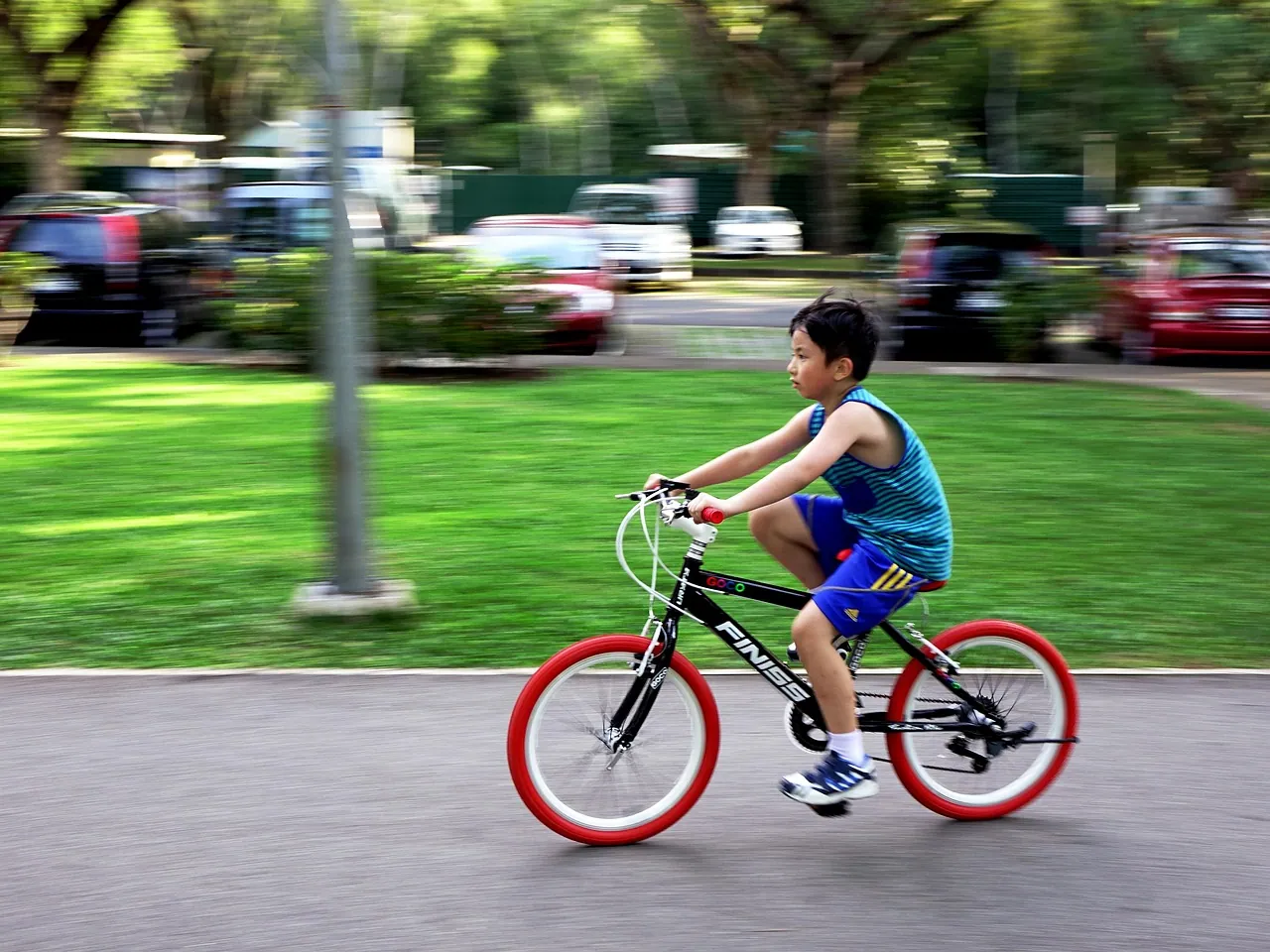
Children stick with games, not exercise framed as a fix for their body. Cycling, badminton in the colony, skipping, swimming, dance, kabaddi, cricket or walking to school all count towards the 60 minutes. Split it across the day if needed: 20 minutes before school, 40 after. Parents who move alongside their children make the habit far more likely to last.
Step 5: Protect sleep and set screen rules for the whole family
The NHS advises a regular bedtime routine with digital screens removed. Agree on a family media plan: no phones at the dinner table, a charging spot outside bedrooms, and a fixed wind-down time.
Childhood obesity treatment: what care looks like with a doctor involved
Childhood obesity treatment is led by a paediatrician and centres on intensive, family-based lifestyle support. The AAP’s 2023 guideline calls this the most effective behavioural treatment known and recommends at least 26 hours of face-to-face contact over 3–12 months. Medicines and surgery are reserved for specific older children under specialist care.
In practice, treatment usually looks like this:
- Assessment: growth charts, waist and blood pressure, and screening for related conditions. IAP 2023 advises checking children over 10 for hypertension, lipids, blood sugar and fatty liver.
- Family-based lifestyle support: repeated sessions with a paediatrician, paediatric dietitian or counsellor, working on the whole household’s food, activity, sleep and screen habits.
- Medicines: the AAP guideline says doctors may consider medication for adolescents aged 12 and older with obesity, alongside lifestyle support. Never give a child any weight-loss product, supplement or “fat burner” without a paediatrician’s prescription.
- Surgery: only for adolescents with severe obesity (AAP: 13 and older; IAP: 12 and older with serious complications), and only after intensive lifestyle treatment has been tried.
Progress is judged by health markers, fitness, sleep and mood as much as by the scale.
For parents of teenagers
Teenagers need to be partners, not patients. Let them set one or two goals of their own, such as a sport to try or a new bedtime. Keep conversations private and away from siblings and relatives. If your teen wants to lose weight, route that through their doctor so it is done safely and does not turn into skipping meals.
Troubleshooting: when the family plan stalls
“Grandparents keep giving sweets.” Explain that the doctor has asked the whole family to follow the plan. Suggest other ways to show love: stories, walks, cooking together. Keep sweets for festivals, not daily.
“The school canteen undoes everything.” Pack a tiffin your child likes, plus fruit and a water bottle, and ask the school whether PE periods actually happen.
“Only one of my children has a higher weight.” Apply the same rules to every child, so nobody feels targeted. All children benefit from water, family meals, play and sleep.
“We’ve made changes but nothing is moving.” Go back to your paediatrician. There may be a medical factor, or the plan may need a dietitian to fine-tune it. Stalling is common and not a failure.

Talking about weight without causing harm
How you talk matters as much as what you change. The AAP notes that children and teens “are especially aware of the harsh and unfair stigma” around weight. Talk about health, strength and energy rather than size. Don’t comment on your child’s body or anyone else’s, don’t allow teasing at home, and avoid talking about your own dieting in front of children.
A word on eating disorders. Well-meant pressure around food and weight can sometimes tip into an eating disorder. The AAP’s parent guidance on eating disorders in children advises: “If you are a parent who has noticed that your child’s eating patterns have changed, talk with your child’s doctor.” If you notice a strong preoccupation with weight or body shape, or sudden changes in eating or mood, speak to your paediatrician promptly. In India, you can also call Tele MANAS, the government’s free 24×7 mental health helpline, on 14416.
If you are a parent working on your own health, the whole family benefits when you model it. Our guide to nutrition and weight management explains the adult side, and if dark skin patches or blood-sugar concerns run in the family, read about insulin resistance in adults. Fitting in your own movement helps too, whether that’s a walk with your children or an online yoga class at home.
Frequently asked questions
What is childhood obesity?
Childhood obesity is excess body fat judged against age- and sex-specific growth charts. In India, paediatricians use WHO standards for children under 5 and IAP 2015 BMI charts for ages 5–18, where the adult-equivalent 27 line marks obesity. Adult BMI cut-offs do not apply to children.
Should I put my child on a diet to lose weight?
No. Children should not be put on calorie-restricted diets by parents, because they need energy and nutrients to grow, and dieting raises the risk of disordered eating. Focus on family-wide changes such as water instead of sweet drinks, regular meals, active play and sleep, and let a paediatrician guide any change in food amounts.
How much physical activity does my child need?
WHO advises at least 180 minutes of activity a day for children aged 1–4, including 60 minutes of moderate-to-vigorous activity at ages 3–4. The IAP 2023 guideline, following WHO, recommends daily moderate-to-vigorous activity of at least 60 minutes for children aged 5–17.
How much screen time is okay for young children?
WHO’s 2019 guidelines say sedentary screen time is not recommended for 1-year-olds and should be no more than 1 hour a day for children aged 2–4, with less being better. For older children, the IAP advises reducing recreational screen time, and the NHS suggests removing screens at bedtime.
When should I take my child to a doctor about weight?
See a paediatrician if weight is rising faster than height, or if you notice dark velvety skin on the neck, loud snoring, joint pain, slow height growth, excessive thirst, or low mood linked to teasing. The IAP recommends children with obesity over age 10 be checked for blood pressure, blood sugar, cholesterol and fatty liver.
Will my child grow out of it?
Some children do, but many don’t. ICMR-NIN’s 2024 guidelines note that obesity during childhood and adolescence is likely to continue into adulthood, and the AAP’s 2023 guideline recommends active, family-based support rather than waiting. Early, gentle changes are easier than later ones.
Are fruit juices healthy for children?
Whole fruit is the better option. ICMR-NIN advises avoiding fruit juices and sugary drinks as part of maintaining a healthy weight, recommends no added sugar for children under 2, and keeps added sugar below 5% of daily energy for everyone else. Offer water with meals and fruit as a snack.
Where to start this week: book a growth check with your paediatrician, then make one change the whole family can share. If you’d like help planning family meals around your paediatrician’s advice, a Fitstrot online nutritionist consultation can work with the adults in your home on the grocery list, the tiffin and the dinner table.


