
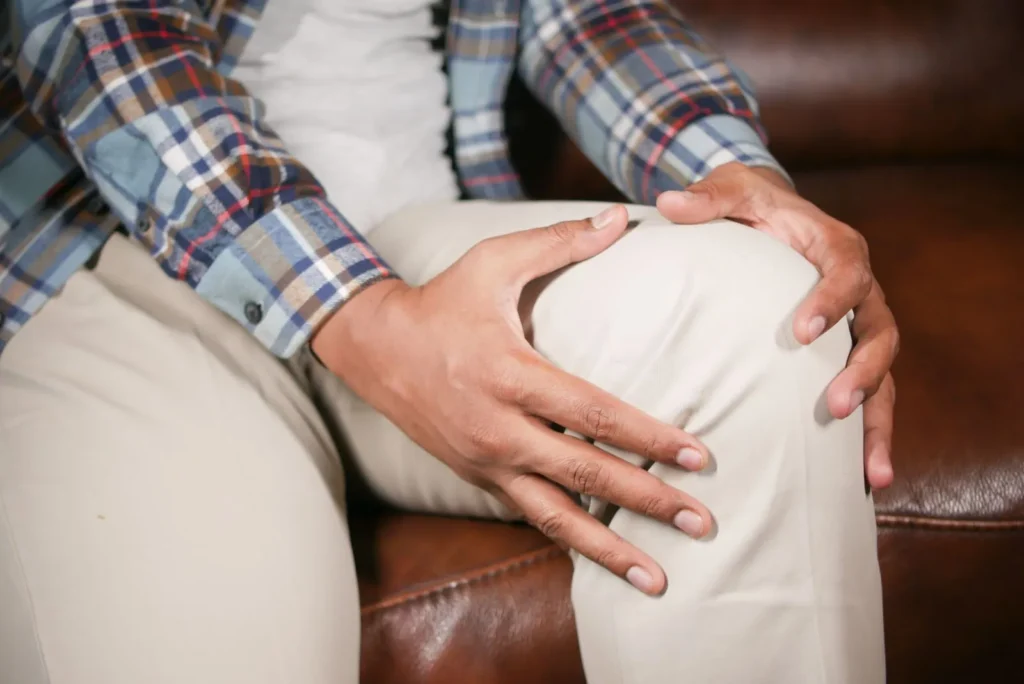
The most common zumba side effects are muscle soreness, strain in the knees, ankles and feet, dehydration-related tiredness or dizziness, and overtiredness when you do too much too soon. Most of these are mild and avoidable. A few warning signs, such as chest pain or fainting, are different: they need a doctor, not a rest day.
Zumba is a fun, effective workout, but it is also a jumping, pivoting one, and it is only fair to say so. Below: why knees complain first, a troubleshooting table, a safe four-week ramp-up and who should check with a doctor first. This is general guidance, not a diagnosis.
What are the most common side effects of Zumba?
The most common side effects of Zumba are muscle soreness for one to three days after class, knee, ankle or foot strain from jumps and quick pivots, sweating-related dehydration, and general fatigue. Serious injuries are uncommon, and most problems are minor overuse issues that improve with rest, better shoes and gentler progression.
Zumba side effects at a glance
| Side effect | Usual cause | Typical timing | Simple prevention |
|---|---|---|---|
| Muscle soreness | New movement patterns, more volume than usual | Peaks 24-48 hours after class, fades in 3-5 days | Start with 2 short sessions a week; warm up and stretch |
| Knee strain | Twisting the knee while the foot stays planted, hard floors, tired legs | During class or the same evening | Pivot on the ball of the foot, keep knees over toes, soften jumps |
| Ankle sprain | Landing awkwardly, slippery or uneven floor | Sudden, mid-class | Clear space, flat non-slip floor, supportive shoes |
| Shin splints | Repeated impact on a hard surface, sudden jump in volume | Builds over days or weeks | Cushioned shoes, fewer jumps, add rest days |
| Foot pain and blisters | Barefoot on hard floors, heavy-tread running shoes, wet socks | During or after class | Lightweight cross-training shoes, dry socks |
| Dehydration | Sweating without replacing fluid | Late in class or afterwards | Sip water through the class, not only at the end |
| Overtraining fatigue | High intensity with too little recovery | Builds over 1-3 weeks | Rest days, lower-impact versions of moves |
Why do knees hurt after Zumba?
Knee pain after Zumba usually comes from twisting: the foot stays planted while the knee turns, which loads the joint and its ligaments sideways. Hard floors, tired thigh muscles, unsuitable shoes and repeated deep or bouncy steps add to it. Good footwork and softer landings prevent most of it.
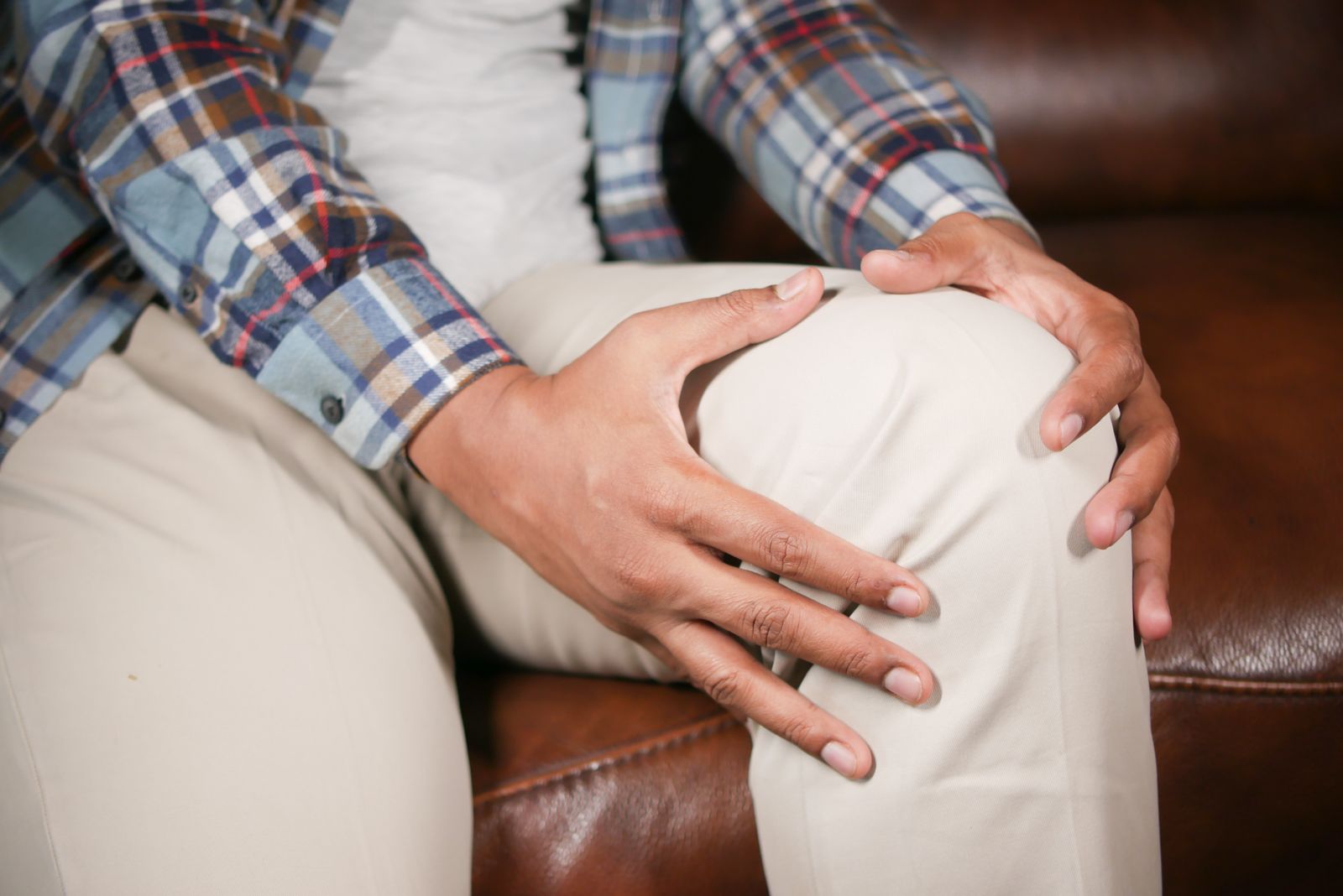
This is the most searched question behind “is zumba bad for your knees”, and the honest answer is: not by itself, but the choreography is full of pivots, quick direction changes and bounces, so sloppy technique shows up in the knee first. Fatigue makes it worse, because tired thighs let the knees wobble inward.
Three habits protect your knees. First, when you turn, rotate your whole foot with the turn, ideally on the ball of the foot, rather than twisting the upper body over a planted foot. Second, keep the knee in line with the toes in every squat, lunge and side step. Third, land softly, heel lowering gently, instead of slamming down on straight legs. If a move hurts, shrink it: smaller steps, no jump.
Pain after class: a troubleshooting table
Not every ache means the same thing. Use this as a rough guide, and treat it as a prompt to get checked, not as a diagnosis.
| What you feel | Likely cause | Try this | Get it checked if |
|---|---|---|---|
| Dull, even ache in both thighs and calves, 1-3 days later | Normal muscle soreness | Light walking, gentle stretching, good sleep, water and regular meals | It lasts beyond about a week, or one side is far worse than the other |
| Ache at the front or side of one knee during or after class | Twisting stress, tired legs, hard floor | Skip jumps for a few sessions, fix pivots, check shoes | Swelling, locking, giving way, or pain lasting over a week |
| Pain along the inner shin | Shin splints from repeated impact | Cut high-impact steps, rest 3-5 days, cushioned shoes | Pain at rest or a sharp spot on the bone |
| Heel or arch pain, worst with first steps in the morning | Plantar fascia irritation from shoes or hard floors | Supportive shoes, calf and foot stretches, less barefoot dancing | No improvement in 2 weeks |
| Lightheaded, headachy or very tired mid-class | Dehydration, heat, empty stomach | Stop, sit, sip water, cool down slowly | It happens repeatedly or comes with chest discomfort or palpitations |
| Very dark urine with severe muscle swelling and weakness | Extreme overexertion (rare) | Stop exercising and drink fluids | Seek medical care promptly |
Myth check: “if it hurts, it is working”
Soreness in the muscles is one thing. Sharp, pinching or joint pain is another, and it is not a sign of a better workout. Pushing through it is how a small strain turns into weeks off.
A few other myths are worth correcting:
- “Zumba is just dancing, so it cannot hurt me.” Class intensity is moderate to high, with plenty of impact. It can strain you like any cardio class.
- “Barefoot is more natural.” On hard tile or concrete floors, barefoot dancing is a common route to foot and heel pain.
- “More days means faster results.” Fitness is built during recovery. Doing high-energy classes daily from day one usually ends in soreness and skipped weeks. Our guide to recovery and rest days for Zumba explains how to space sessions.
How to reduce your risk of Zumba injuries, step by step
- Warm up for 5 to 8 minutes. Easy marching, shoulder and hip circles and gentle leg swings raise body temperature before the jumping begins.
- Choose the right shoes. Look for lightweight, cushioned cross-training or dance shoes with a flat, slightly smooth sole that lets you pivot. Heavy-tread running shoes grip too much and can lock the foot during turns.
- Pick the floor. A smooth, flat, non-slip floor is best. Avoid wet marble, socks on polished tile and thick carpet or mats that grab your shoes.
- Use the low-impact option. Replace jumps with step-touches and hops with taps. You get the same rhythm with less load on your joints.
- Keep knees over toes and soften every landing.
- Stop when form breaks. If your steps turn sloppy, take a water break or march in place for a minute.
- Cool down for 5 minutes with slow walking and calf, quad, hamstring and hip stretches.
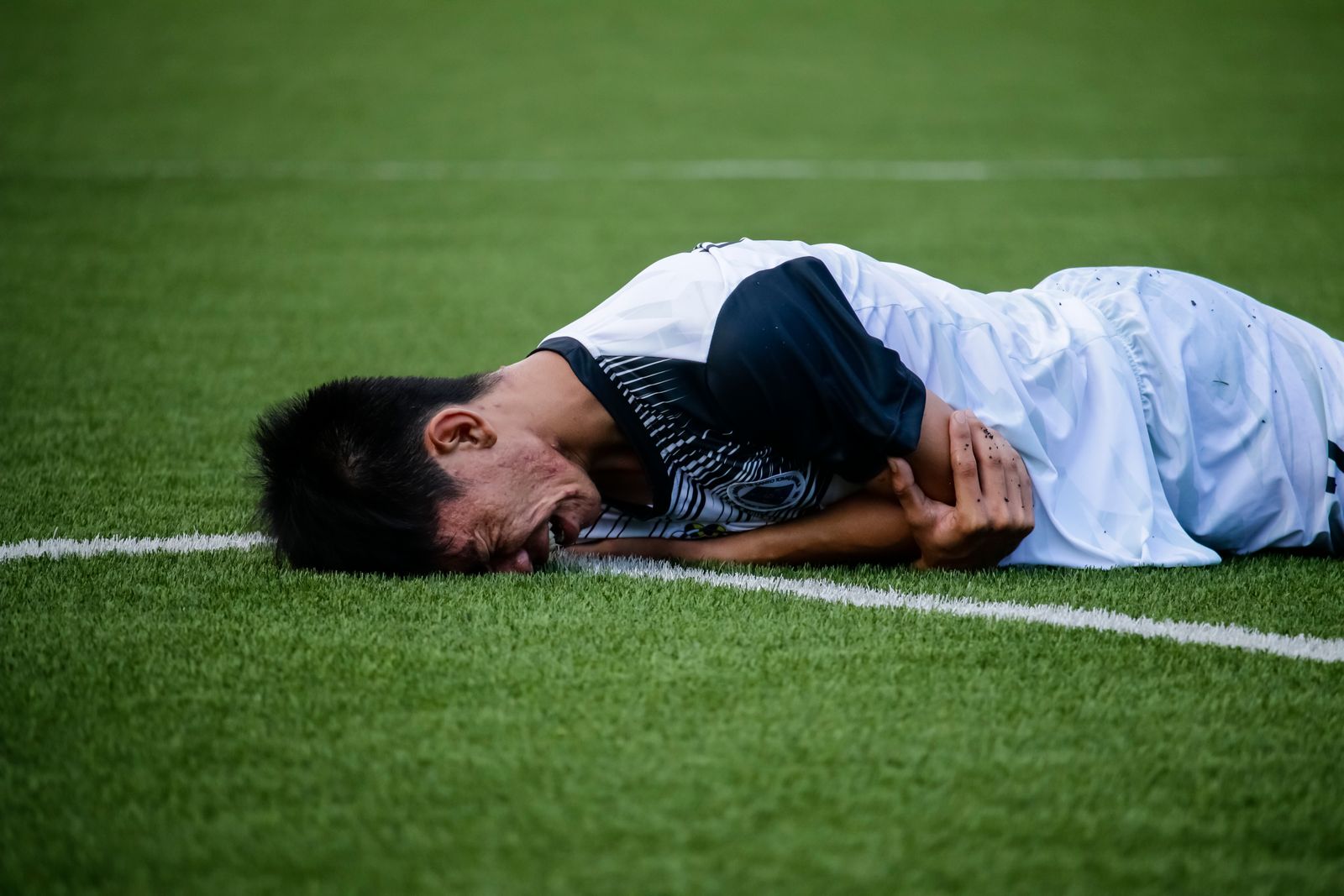
If you are new, our Zumba for beginners guide walks through the first few classes, and a smart start is the ramp-up below.
How much Zumba is too much?
For most beginners, two to three Zumba sessions a week of 30 to 45 minutes, with a rest day between, is a sensible start. You are doing too much if soreness lasts more than three or four days, joints ache, sleep suffers or you feel flat and irritable.
A gradual build is the simplest protection against overuse. Treat these as typical ranges, not a prescription, and slow down if your body asks.
| Week | Sessions | Length | Intensity | Focus |
|---|---|---|---|---|
| Week 1 | 2 | 30 minutes | Low-impact versions only | Footwork, pivots, breathing |
| Week 2 | 2-3 | 30-40 minutes | Mostly low-impact, a few small jumps | Rhythm and posture |
| Week 3 | 3 | 40-45 minutes | Moderate, add impact gradually | Stamina, landings |
| Week 4 | 3 | 45-60 minutes | Moderate to high, with a rest day between | Consistency, recovery |
Signs that you are overdoing it include aches that never fully settle, a dip in energy, trouble sleeping, an unusually high resting heart rate on waking and dreading classes you used to enjoy. If two or three of these show up, take two or three easy days, then return at a lower level. Our guide to the benefits of Zumba is a reminder of why a steady habit beats a heroic start.
Dehydration and heat: what to do in an Indian summer class
You can lose roughly half a litre to a litre of sweat in an hour of Zumba, more in a warm, humid room. Drink a glass or two (about 250 to 500 ml) in the hour or two before class and sip around 150 to 250 ml every 15 to 20 minutes during it.
Plain water covers most sessions under an hour. After a long, very sweaty class, nimbu pani with a pinch of salt, coconut water or buttermilk helps you replace fluid and a little salt, and a light meal such as poha, curd rice or dal-roti covers energy. Wear loose, breathable cotton and keep a fan running. For a full plan, see our guide to hydration for Zumba.
Two cautions. Do not wait for thirst to be severe before drinking. And if you have a heart, kidney or liver condition, or a doctor has asked you to limit fluids or salt, follow that advice instead of the general numbers above.
Is Zumba safe for everyone? Who needs extra care
Zumba is safe for most healthy adults who build up gradually, but some people should speak to a doctor first. That includes anyone with a heart condition, high blood pressure, existing joint problems, osteoporosis, recent surgery or injury, or pregnancy. A tailored, lower-impact plan often makes it possible to keep dancing.
- Heart conditions or high blood pressure: get medical clearance and ask what heart rate and intensity are safe for you.
- Pregnancy: talk to your gynaecologist before any Zumba class. Avoid jumping, overheating and lying flat on your back for long if advised against them.
- Knee, hip or back problems: ask a doctor or physiotherapist, and choose low-impact options. Zumba Gold is a slower, lower-impact format designed for this.
- Older adults: favour balance, a stable floor and a chair nearby for support.
- Diabetes: ask your doctor how to time meals and class, because low blood sugar during exercise can cause dizziness.
If you want more individual guidance, 1-on-1 personal training can build joint-friendly strength and mobility that makes dance classes easier on your body.
When should you stop and see a doctor?
Stop immediately and seek medical help for chest pain or pressure, fainting, severe breathlessness, a racing or irregular heartbeat, or sudden severe joint pain after a twist or fall. See a doctor soon if joint pain, swelling or dizziness persists, or if you are pregnant or have a heart condition and feel unwell.
Please see your doctor, or a physiotherapist for joint problems, if:
- You have chest pain, tightness or pressure, even if it fades when you rest.
- You feel dizzy, faint or lightheaded more than once, or after you have already rested and had water.
- Joint pain lasts more than a week, or comes with swelling, locking, giving way or night pain.
- You are pregnant and notice bleeding, cramping, leaking fluid or reduced baby movements. Contact your doctor straight away.
- You have a known heart condition and notice new symptoms during exercise.
Nothing here replaces personal medical advice, and never change any medicine on your own because of exercise.
Frequently asked questions about Zumba side effects
Is it normal to feel sore or tired after Zumba?
Yes. Mild muscle soreness for one to three days and some tiredness after a new or hard class is normal, especially in your first two weeks. Sharp, pinching or joint pain, soreness lasting beyond about a week, or fatigue that gets worse each week is not normal and deserves a closer look.
Can Zumba damage your knees?
Zumba does not damage healthy knees on its own, but repeated twisting, hard floors, worn shoes and tired legs can strain them. Keep your knees over your toes, pivot on the ball of the foot, land softly and use low-impact options. See a doctor if pain, swelling or locking persists.
Why do I feel dizzy during or after Zumba?
Dizziness usually comes from dehydration, heat, an empty stomach, or stopping suddenly after intense dancing. Sip water, eat a light snack beforehand and cool down gradually. If dizziness is repeated, severe or comes with chest pain or palpitations, stop exercising and get checked by a doctor.
Who should avoid Zumba or check with a doctor first?
Check with a doctor first if you have a heart condition, high blood pressure, diabetes, significant joint or back problems, osteoporosis, a recent injury or surgery, or you are pregnant. Many people can still take part with lower-impact options and medical clearance, but the right level depends on your health.
How do I know if I am doing too much Zumba?
Warning signs include soreness lasting over three or four days, aches that do not settle, poor sleep, unusual tiredness, a higher resting heart rate and loss of enthusiasm. Take two or three easy days, drop to low-impact versions, then rebuild gradually with a rest day between sessions.
Dance safely with a trainer who knows the risks
Zumba side effects are mostly preventable with good shoes, sensible progression and attention to your body. Fitstrot’s online Zumba classes are led by Yash Pathak, our lead Zumba trainer (ZIN Licensed, ACE Certified, Strong Nation Certified). Book a first class, mention any old injuries to your trainer, and start at the low-impact level. You can also compare formats on our online Zumba classes guide.


