
Zumba is a dance-fitness workout set to Latin and global music, and the main benefits of zumba are better stamina, a steady calorie burn, a lighter mood and sharper coordination. It is also easy to stick with, which matters more than any single number. This guide sets out what a class realistically gives you, how soon you will notice it, and where Zumba falls short, so you can start with honest expectations.
It is written for Indian readers who want to train from home, so the examples use kg, Indian meals and a normal living-room floor. Every figure below is a rounded estimate, because bodies, classes and effort levels vary a lot.
What are the benefits of zumba, in plain terms?
Regular Zumba, about three 45-60 minute classes a week, improves stamina, burns roughly 300-600 kcal per class, lifts mood and trains coordination and balance. Most people breathe easier on stairs within 3-6 weeks. Body-weight change is slower and depends on food, so treat Zumba as a strong fitness habit, not a fat-loss shortcut.
Think of the benefits in five groups: heart and lungs, energy burned, mood and memory, movement skill, and the habit itself. The habit is the quiet winner. A workout you enjoy is one you repeat, and repetition is where almost every result comes from. The sections below take each group in turn and say how strong the case really is.
Benefits of Zumba at a glance: what to expect and how soon
This table is the short version. The timeframes assume about three classes a week and are typical, not promised.
| Benefit | What it feels like | Usually noticeable after | How solid the case is |
|---|---|---|---|
| Cardio stamina | Stairs and fast walking feel easier | About 3-6 weeks | Well established |
| Calorie burn | Roughly 300-600 kcal per hour-long class | From the first class | Well established |
| Mood and stress | Lighter mood, easier sleep that night | Same day, builds over 4-8 weeks | Good |
| Coordination and balance | Fewer missteps, quicker footwork | About 4-8 weeks | Good |
| Memory and focus | Choreography gets easier to recall | Gradual, over months | Promising |
| Bone loading | Jumps and steps load the legs and hips | Long term, months to years | Moderate, helps maintain |
| Body-weight change | Slow, small drop if food stays steady | About 8-12 weeks | Modest on its own |
| Consistency and company | You actually show up | Within week 1 | Strong, group format helps |
How many calories does a Zumba class burn?
A 60-minute Zumba class burns roughly 300-600 kcal for most adults, depending on body weight and effort. A 65 kg person burns about 330 kcal an hour at moderate effort and about 460 kcal at high effort. Heavier people burn more, and half-hearted steps burn less than full-out ones.
These numbers come from standard activity-energy estimates, where moderate Zumba counts as about 5 times resting energy use and hard Zumba as about 7. Fitness bands often read higher or lower, so use the table as a guide, not a measurement.
| Body weight | 30 min, moderate | 60 min, moderate | 60 min, high effort |
|---|---|---|---|
| 50 kg | About 125 kcal | About 250 kcal | About 350 kcal |
| 65 kg | About 165 kcal | About 330 kcal | About 460 kcal |
| 80 kg | About 200 kcal | About 400 kcal | About 560 kcal |
Keep this in perspective. Burning 400 kcal in a class, three times a week, is about 1,200 kcal. Since roughly 7,700 kcal equals 1 kg of body fat, that alone is only around 150 g of fat a week, and one plate of samosas and a mithai can cancel it. Our guide to Zumba for weight loss shows how to pair classes with food so the burn actually counts.
Is Zumba good for your heart and lungs?
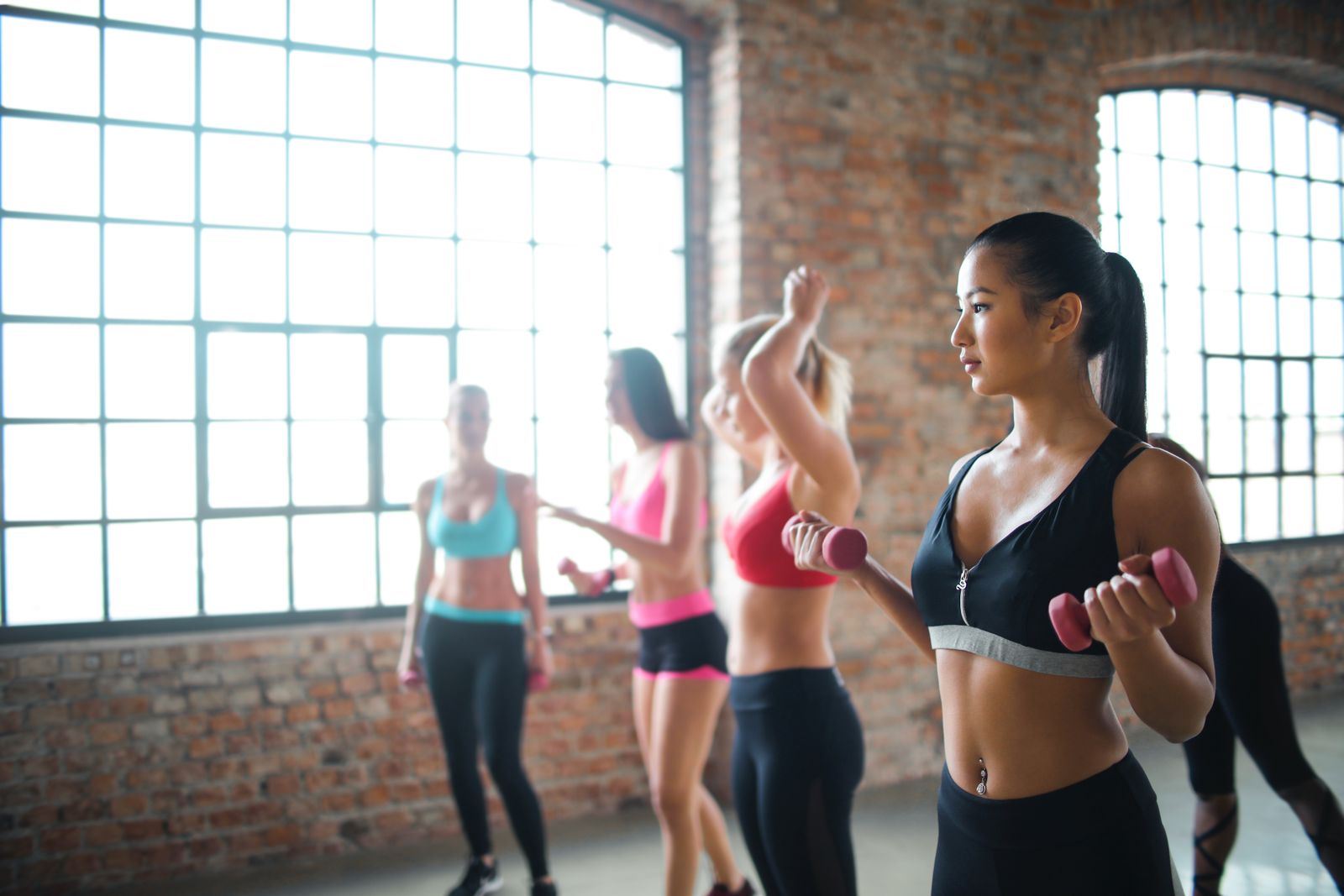
Yes, for most healthy adults. A typical class keeps your heart rate in the moderate-to-vigorous zone, roughly 60-85% of your maximum, for much of the hour. Three classes a week covers most of the usual 150 minutes of weekly moderate activity, and stamina commonly improves within 3-6 weeks.
A rough guide to your maximum heart rate is 220 minus your age, so a 35-year-old is around 185 beats a minute and would spend most of a class between about 110 and 155. You do not need a watch. The talk test works: during the fast songs you should manage short sentences but not sing. If you can chat easily, push a little harder. If you cannot speak at all, slow down.
The interval pattern of a class helps too. Fast songs raise your heart rate, slower songs let it settle, and that up-and-down rhythm trains the heart to recover quickly. Because the breathing demand is steady for 45-60 minutes, your lungs and breathing muscles also get a workout, which is why many beginners notice they are less breathless on the stairs at home before they notice any change on the scale.
Mood, stress and memory: what a class does for your head
Exercise raises mood on its own, and Zumba adds music, movement in a group and a fresh challenge each song. That combination is why many people leave a class lighter than they arrived. It is a useful support for everyday stress, but it does not replace therapy or medicine when those are needed.
Learning choreography also asks your brain to watch, copy, remember and time a sequence at once. That is a different kind of effort from walking on a treadmill while scrolling your phone, and it is one reason dance formats are studied for brain health. Our deeper guides cover both sides: Zumba for stress relief looks at where the mood benefit is strong and where it is mixed, and Zumba and cognitive health covers memory and focus in more depth.
A practical tip: evening classes can help you wind down, but very late, high-energy sessions leave some people wired. If sleep gets worse, move the class earlier in the day. If low mood or anxiety lasts more than a couple of weeks, speak to a doctor or counsellor, because dancing is a helper, not the treatment.
Bones, balance and coordination
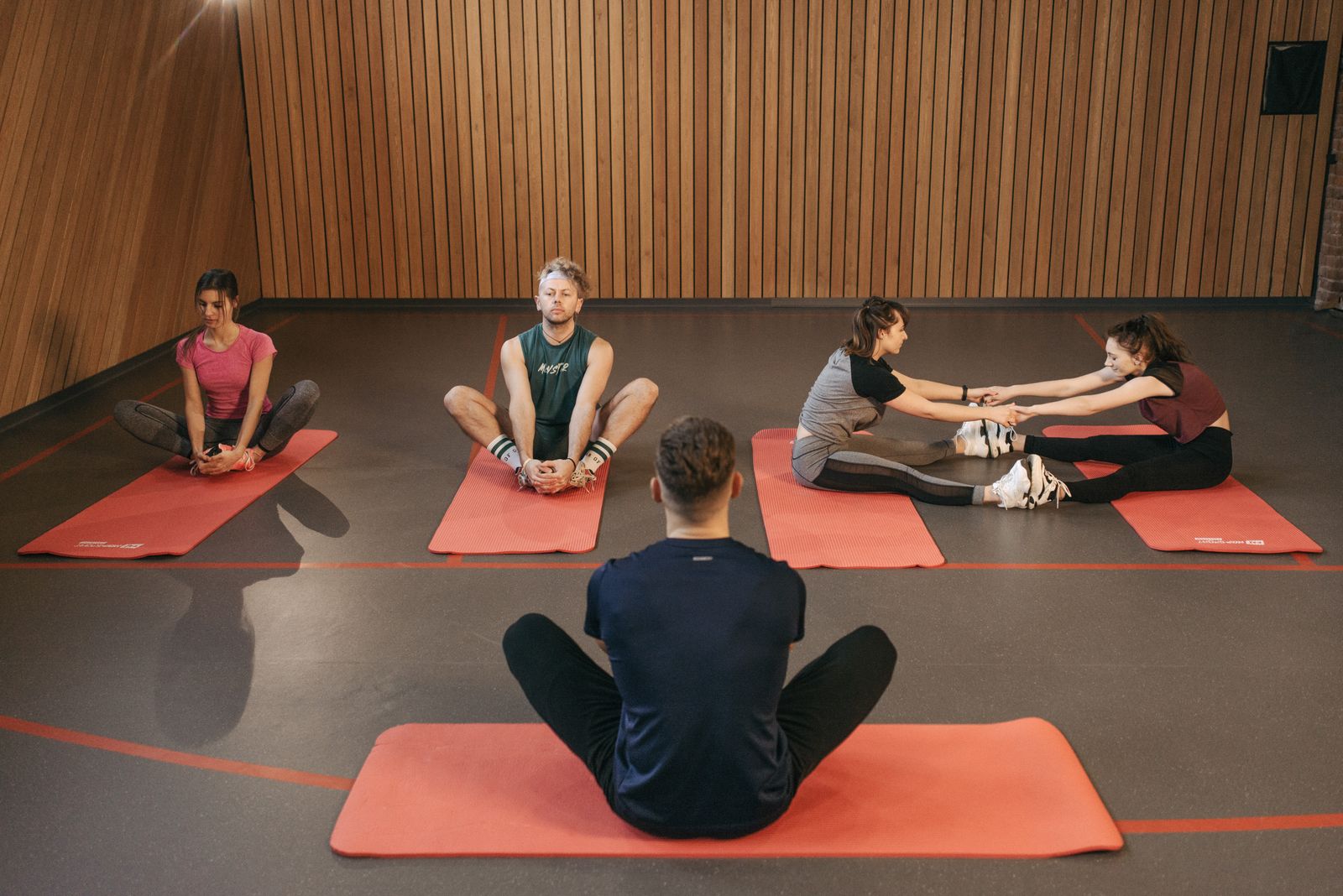
Zumba is a weight-bearing activity: you stay on your feet and your legs carry your body weight, which gives bones and muscles a useful load. The side steps, turns and quick direction changes also train balance, and that matters more as you age, because good balance cuts the chance of a fall.
Be realistic about bone. Dance-style exercise helps you maintain what you have and keeps you moving, but it is not a treatment for osteoporosis. Our guide to Zumba for bone health explains what the impact does and does not do. For a gentler format with the same rhythm, Zumba Gold uses lower-impact moves that suit older adults and people returning to exercise.
Your core works constantly to keep you upright while your arms and legs move in different directions. That is good for posture, but it is stabilising work, not a sit-up replacement. For details on how much your midsection really gains, see Zumba for abs and core.
Myth check: does Zumba melt belly fat and tone everything?
No exercise removes fat from one chosen spot. Zumba burns energy across the whole body, and your body decides where fat comes off first. Belly fat usually shrinks only after overall body fat drops, which takes steady food habits plus weeks of regular movement.
A sensible fat-loss pace is roughly 0.25-0.5 kg a week. Anyone promising 5 kg in a month from dance classes alone is selling you something. What Zumba can do is make the deficit easier to reach and easier to sustain, because you enjoy it. For firmer arms, glutes and thighs, add two short strength sessions a week with bodyweight or dumbbells, since dance on its own rarely builds much muscle.
Your first four weeks of Zumba: a simple plan
Starting too hard is the most common reason people quit by week two. This ramp-up keeps soreness low and builds the habit first.
| Week | Classes per week | Length | Effort | What you will likely notice |
|---|---|---|---|---|
| 1 | 2 | 30 min | Easy, learn the basic steps | Sore calves and thighs, lots of lost steps |
| 2 | 3 | 30-45 min | Moderate | Rhythm starts to click, less soreness |
| 3 | 3 | 45 min | Moderate to high | Less breathless, better mood after class |
| 4 | 3-4 | 45-60 min | Moderate to high | Clear stamina gain, easier sleep |
Rest days matter. Keep at least one full rest day a week, and walk on the others if you like. Eat a light snack such as a banana or a small bowl of curd about an hour before class, and drink water through the session, especially in Indian summers.
Who benefits most, and what to expect
Beginners and people who dislike the gym: the music hides the effort, so you work harder than you realise. Women: the group energy and flexible timings suit busy routines, and our guide to Zumba for women covers common concerns. Desk workers: it undoes hours of sitting and loosens the hips and back. Adults over 50: a low-impact class builds balance and confidence. Men: Zumba is not only for women, and the cardio and coordination benefits are the same.
Not seeing results? Five fixes
1. Your knees or shins ache. Wear proper cushioned shoes, not bare feet on a hard floor, and switch to the low-impact version of each move. Pain that lasts more than two days needs rest or a check-up.
2. The scale will not move. Zumba is not the problem if food is the leak. Track your meals honestly for a week, and consider a plan from an online nutritionist so your meals match your training.
3. You lose interest. Book fixed class slots, rotate styles, and dance with a friend or family member. A schedule beats motivation.
4. You cannot follow the steps. Everyone is lost for the first few classes. Repeat one routine until it feels easy, and ignore the arms until the feet are settled.
5. You are strong in cardio but stuck on shape. Add two strength sessions a week through 1-1 personal training so you build muscle as well as stamina.
Check with your doctor before starting if you have a heart condition, high blood pressure, joint problems, are pregnant or have been inactive for a long time. Stop and get help if you feel chest pain, dizziness or unusual breathlessness.
Learning from a certified trainer online
A good instructor makes the benefits safer and faster, because they cue form, offer low-impact options and keep the intensity right. At Fitstrot, lead Zumba trainer Yash Pathak is ZIN Licensed, ACE Certified and Strong Nation Certified. You can join live from home, which removes the commute that stops many people in Indian cities. Our post on online Zumba classes explains how a live session works.
Frequently Asked Questions About the Benefits of Zumba
Is Zumba good for heart health?
Yes. A typical class keeps your heart rate in the moderate-to-vigorous range for most of 45-60 minutes, which trains the heart and improves stamina. Three classes a week covers most of the standard 150 minutes of weekly moderate activity. If you have a heart condition, get your doctor’s approval first.
Can Zumba improve mood and reduce stress?
Often, yes. Exercise, music and a group setting together lift mood for many people, usually the same day and more steadily over 4-8 weeks. It is a helpful support for everyday stress, but it does not replace therapy or medicine for anxiety or depression.
Does Zumba help with weight loss on its own?
Only modestly. A class burns roughly 300-600 kcal, but a few extra snacks can cancel that. For steady fat loss of about 0.25-0.5 kg a week, combine three classes a week with a sensible calorie-controlled Indian meal plan and some strength work.
Can Zumba replace strength training?
No. Zumba builds stamina, coordination and some leg endurance, but it adds little muscle to your back, chest and arms. Two short strength sessions a week, using bodyweight or dumbbells, fill that gap and also help protect your joints and bones.
Who should check with a doctor before starting Zumba?
Anyone with a heart condition, high blood pressure, joint or back problems, or who is pregnant or recovering from illness or injury should get medical advice first. Beginners who have been inactive for months should also start gently, with 30-minute low-impact classes.
Pick one live class this week, book it in your calendar, and try Fitstrot’s online Zumba classes for four weeks before you judge the results.


