
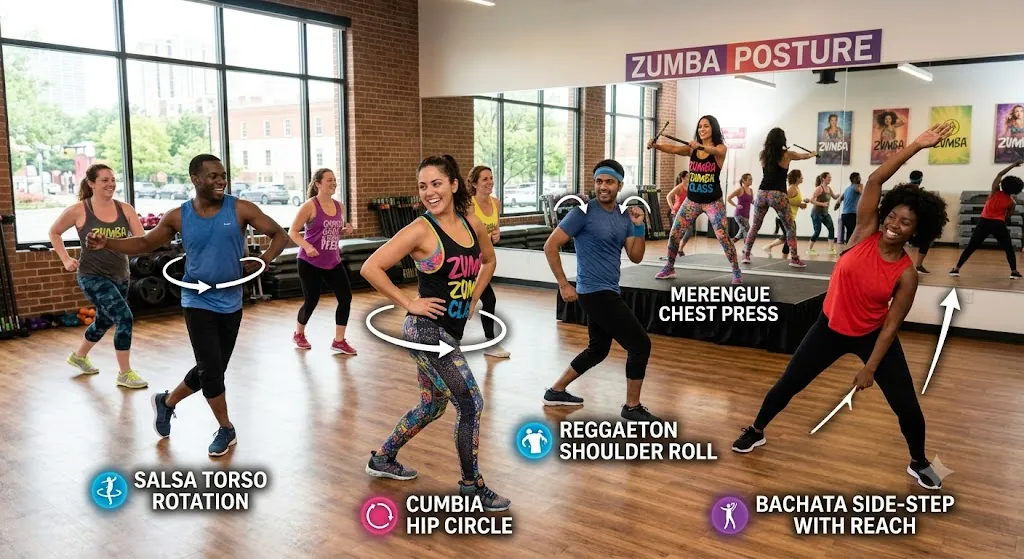
Zumba for bone health is a sensible idea, as long as you are realistic about what it can do. Dancing on your feet is weight-bearing exercise, and bones respond to the load of gravity and gentle impact. But a dance class is one piece of a wider plan that also includes enough calcium, vitamin D, some strength training and regular time outdoors. This guide shows where Zumba fits, how to build a week around it, and when to check with a doctor first.
Important before you start: Zumba is not a treatment for osteoporosis and it does not replace medical care. If you have been told you have osteoporosis, have had a fracture, or need a low-impact class, speak to your doctor first. There is a full section on this further down.
Does Zumba help bone health?
Zumba can support bone health because it is weight-bearing: your legs, hips and spine work against gravity for 45 to 60 minutes while you move. Bones adapt to regular loading, so consistent dancing helps maintain them. It works best alongside enough calcium, vitamin D, strength training and a doctor’s guidance where needed.
Bone is living tissue. It is constantly broken down and rebuilt, and mechanical load is one of the signals that tells the body to keep bone strong. When you spend most of the day sitting, that signal is weak. Standing, stepping, shifting weight and landing gently through the feet sends it again and again, which is why weight-bearing exercise is a standard suggestion in general bone-health advice.
Keep expectations honest: dancing will not rebuild bone on its own, and nobody can promise a particular change on a scan. What it can do is give you an enjoyable, repeatable way to load your skeleton several times a week.

Zumba compared with other activities for your bones
Not every workout loads the skeleton equally. The table below compares common options by how much weight your bones carry and how hard the landings are. Impact levels are general guides, and your own joints and health history decide what suits you.
| Activity | Weight-bearing? | Impact level | Useful to know |
|---|---|---|---|
| Brisk walking | Yes | Low | Easy on joints, a good baseline for most people |
| Zumba (standard) | Yes | Low to moderate | Mixes steps, hops and quick direction changes; can be dialled down |
| Low-impact Zumba | Yes | Low | One foot stays on the floor; suits joint pain or caution |
| Jogging or skipping | Yes | High | Strong load, but not suited to everyone’s knees or hips |
| Strength training | Yes (muscles pull on bone) | Varies | Squats, hip hinges and rows load hips and spine directly |
| Yoga (standing poses) | Yes | Low | Builds balance and leg strength, little impact |
| Swimming | No | None | Excellent for fitness and joints, but water supports your weight |
| Cycling | No | None | Good cardio; the seat carries your body weight |
The pattern is simple. Activities that keep you upright and moving load bone more than those that support your weight. Zumba lands in a useful middle spot: more varied than walking, gentler than running, and easy to adjust. If you would like the cardio side explained, our guide to Zumba for heart health covers it.
Myth check: “Zumba alone will fix weak bones”
It will not, and a class that promises this is overselling. Bone strength depends on several things working together: movement, nutrition, hormones, genetics, medications and age. Dance is one useful input. It cannot make up for a diet low in calcium, very little time outdoors, or a medical condition that needs treatment.
The opposite myth is equally unhelpful: that anyone with weak bones must avoid all exercise. Most people benefit from staying active with the right modifications and medical guidance. Avoiding movement weakens muscles and balance, which raises the risk of falls.
Treat Zumba as a supportive habit, not a cure, and pair it with strength work, a sensible plate and regular check-ups.
A sample week that goes beyond the dance floor
Here is a gentle template for a healthy adult with no bone or joint restrictions. Adjust it to your fitness, and swap sessions around to suit your schedule. If you are new to exercise, start with fewer days and build up over several weeks.
| Day | Session | Time | Bone-friendly focus |
|---|---|---|---|
| Monday | Zumba class | About 45 min | Weight-bearing cardio, stepping and weight shifts |
| Tuesday | Strength: squats, hip hinges, wall push-ups | About 25 min | Loads hips, spine and arms |
| Wednesday | Brisk walk outdoors | 20 to 30 min | Easy impact, daylight exposure |
| Thursday | Zumba class | About 45 min | Repeat the weight-bearing signal |
| Friday | Strength plus balance (single-leg stands) | About 25 min | Muscle and balance for fall resilience |
| Saturday | Yoga or stretching | 30 to 40 min | Mobility and posture |
| Sunday | Rest or a gentle walk | As you like | Recovery |
Two Zumba sessions and two short strength sessions a week is a realistic start for many people. Strength days matter because muscles pull on the bones they attach to, and that pull is a strong signal. If you need guidance on form or progression, 1-on-1 personal training can build the strength days around your body, and online yoga classes can cover the mobility and balance days.
Because your legs carry most of the load in Zumba, stronger legs also make you steadier on your feet. Our guide to Zumba for toned legs and the piece on Zumba for abs and core explain how the dance builds that support.

What your plate and sunlight need to do
Exercise sends the signal, but your body still needs raw material to act on it. Calcium is the main mineral in bone, and vitamin D helps your body absorb it. Many people in India have low vitamin D despite plenty of sunshine, because of indoor jobs, clothing, pollution and skin tone, so it is worth asking your doctor whether a blood test makes sense for you.
Please do not self-prescribe supplements. Needs differ by age, sex, pregnancy, kidney health and medicines, and only a doctor or registered dietitian can say whether you need one and how much. Food comes first, and the table below shows common Indian sources with rough calcium values.
| Food | Typical portion | Calcium (approx.) | Easy way to include it |
|---|---|---|---|
| Milk | 1 glass (200 ml) | About 220 to 250 mg | Plain or with haldi, or in tea or coffee |
| Curd or dahi | 1 katori (100 g) | About 80 to 120 mg | Raita, or with lunch |
| Paneer | 50 g | Roughly 100 to 200 mg | Bhurji, tikka, or in a sabzi |
| Ragi (finger millet) flour | 50 g (dry) | About 170 mg | Dosa, roti or porridge |
| Sesame seeds (til) | 1 tablespoon (about 10 g) | About 100 to 140 mg | In chutney, laddoo or sprinkled on sabzi |
| Almonds | 10 to 12 nuts (about 15 g) | About 40 mg | Soaked, as a snack |
These numbers vary with brand, preparation and how the food is measured, so treat them as rough guides. If you avoid dairy, eat a vegan diet or have a condition that affects absorption, a dietitian can plan your calcium sources properly. Fitstrot’s online nutritionist consultation is built for exactly this kind of food planning.
For sunlight, short spells outdoors on most days help your body make vitamin D. How much sun is right for you depends on your skin, your location and your health, so ask your doctor rather than copying someone else’s routine. Eating too little for long periods is also not good for bones.
Troubleshooting: when class feels hard on your joints
Zumba should feel energising, not painful. If your knees, hips or feet complain, you can usually change the movement rather than quit. Here are common fixes:
- Jumps hurt your knees: keep one foot on the floor and step instead of hopping. This is the core idea behind low-impact Zumba.
- Landing feels harsh: bend your knees slightly and roll through the foot from toe to heel, rather than landing stiff-legged.
- Twists bother your back: keep your hips and chest facing the same direction and make the arm movements smaller.
- Feeling dizzy or unsteady: slow down, sip water, and stay close to a wall or chair until you feel steady.
- Sharp or lasting pain: stop, rest, and get it checked. Dull muscle tiredness is normal, but sharp joint or bone pain is not something to push through.
Supportive, cushioned sports shoes and a non-slip surface matter, so avoid dancing barefoot on tiles. For a gentler format that blends movement and stretching, see our piece on Zumba and yoga together.
Should you see a doctor before doing Zumba for bone health?
Yes, if you have osteoporosis, a past fracture, low bone density on a scan, ongoing bone or joint pain, or you are unsure whether high-impact movement is safe. A doctor can tell you which moves to avoid and whether you need a low-impact class. Everyone else should still listen to their body and build up slowly.
See your doctor first if any of these apply to you:
- You have been diagnosed with osteoporosis or osteopenia.
- You have had a fracture, especially of the hip, wrist or spine, or a fall that caused injury.
- You have a family history of osteoporosis, or long-term use of medicines that can affect bones.
- You are past menopause, or have a hormonal, thyroid or kidney condition.
- You have back pain, joint pain or balance problems, or you have been advised to keep to low-impact exercise.
Your doctor may also suggest a bone density scan. Take their advice on which moves to skip, and never stop or change any prescribed medicine because of an exercise plan.
When you join a class, tell the instructor about your condition before the session starts so they can show lower-impact versions. Fitstrot’s lead Zumba trainer, Yash Pathak, is ZIN Licensed, ACE Certified and Strong Nation Certified, and Fitstrot’s online Zumba classes let you work at your own level from home.
Zumba for bone health across different ages
Bone mass builds through childhood and the teens, and most people reach their peak in the late twenties to early thirties. After that, the focus shifts to maintaining what you have. Here is how that looks at different stages:
- 20s and 30s: this is the time to build a strong base. Regular weight-bearing exercise, a calcium-rich diet and enough daylight are the habits worth setting now.
- 40s: gradual changes begin. Add strength training twice a week and keep Zumba regular. Our overview of the benefits of Zumba shows what else dance does for your body.
- Around and after menopause: falling oestrogen speeds up bone loss, so this stage matters most. Talk to your doctor about a scan, and choose low-impact versions if advised.
- Older adults: balance and leg strength become as important as bone itself, because avoiding falls avoids many fractures. Gentler, supervised movement is the right approach.
If you are not sure which online format suits you, the blog guide to online Zumba classes explains what to expect from a session.
Frequently asked questions
Is Zumba good for bones?
Zumba is weight-bearing exercise, which is the type of movement generally recommended to support bone health. It helps maintain bone when done regularly, but it works best alongside strength training, calcium, vitamin D and medical advice. It does not treat osteoporosis or replace your doctor’s plan.
Can I do Zumba if I have osteoporosis?
Possibly, but only after your doctor says it is safe. Jumps, deep twists and sudden direction changes can be risky for fragile bones, so you may be advised to choose a low-impact format. Always tell your instructor about your diagnosis and follow your doctor’s guidance on which moves to avoid.
Is Zumba better than walking for bones?
Zumba usually adds more variety and a little more impact than walking, which loads the skeleton from more angles. Walking is gentler and easier to start with. Neither is clearly better for everyone, and doing either regularly beats doing neither. Choose the one you can keep up.
How often should I do Zumba for bone health?
Two to three sessions a week of about 45 minutes is a common, realistic target for healthy adults. Add two short strength sessions and a few walks. Beginners should start with one or two classes and build up slowly, and those with bone concerns should confirm the plan with their doctor.
Do I still need calcium and vitamin D if I dance regularly?
Yes. Exercise gives the signal, but bones still need calcium and vitamin D as raw material. Aim to get calcium from food first, spend some time outdoors, and ask your doctor or dietitian whether a test or supplement is right for you. Do not start supplements on your own.
Next step: try a beginner-friendly session in Fitstrot’s online Zumba classes this week, tell your instructor about any bone or joint concerns, and book one short strength session alongside it.


