
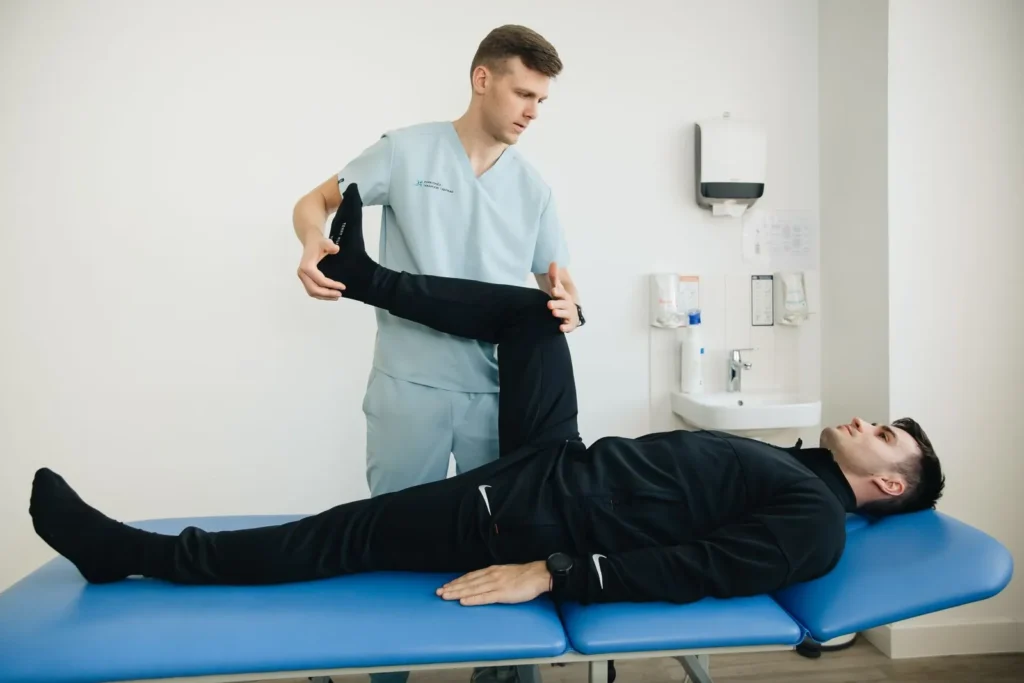
If you searched for “recovery and rest days for zumba”, you are probably either sore after a big class or wondering whether skipping a day undoes your progress. Neither needs to worry you. Zumba is a jump-and-pivot workout, and your calves, hips and feet get stronger in the gaps between classes, not during the music. This guide gives you a day-by-day plan, a soreness timeline, a 20-minute rest-day routine and clear signs that you need more rest.
Fitstrot’s online Zumba classes are taught by Yash Pathak, our lead Zumba trainer, who is ZIN Licensed, ACE Certified and Strong Nation Certified. Treat the plan below as a starting point, then adjust it to how your own body responds.
How many rest days does a Zumba dancer need each week?
Most dancers do well with two to three rest or active-recovery days a week, even when they attend four or five classes. Beginners should start with three Zumba days at most, never back to back, and add a fourth after about four weeks if soreness settles within 48 hours.
A full rest day means no planned exercise, just normal movement around the house and office. An active recovery day means 15 to 30 minutes of easy movement, such as a walk or gentle stretching, that raises blood flow without adding training stress. Use full rest after your hardest class, and active recovery when you feel stiff but not exhausted.
| Day | Beginner (first 8 weeks) | Regular dancer (3 to 6 months in) | Class-heavy week (5 classes) |
|---|---|---|---|
| Monday | Zumba, 30 to 40 min | Zumba, 45 to 60 min | Zumba, 45 to 60 min |
| Tuesday | Full rest | Active recovery, 20 min | Low-impact Zumba, 45 min |
| Wednesday | Easy walk, 20 min | Zumba, 45 to 60 min | Zumba, 45 to 60 min |
| Thursday | Zumba, 30 to 40 min | Full rest | Active recovery, 20 min |
| Friday | Full rest | Zumba, 45 to 60 min | Zumba, 45 to 60 min |
| Saturday | Mobility and walk, 20 min | Zumba or Zumba Gold, 45 min | Zumba, 45 min |
| Sunday | Full rest | Full rest | Full rest |
The session lengths are examples, not a class timetable, so match them to the classes you actually attend. In the class-heavy column, Tuesday is deliberately lighter: keep your feet closer to the floor and save full effort for Wednesday.
Myth: a rest day makes you lose fitness
It does not. Cardio fitness only begins to slip after roughly one to two weeks of complete inactivity, and dance skill and strength hold on even longer. One or two rest days a week do the opposite of detraining. They give your muscles time to repair the tiny tears that hard exercise causes and let your body rebuild slightly stronger. Your muscles also refill their carbohydrate stores over about a day of normal meals.
The real risk runs the other way. Training hard every day piles up fatigue faster than your body can clear it, and that is when form slips, knees and shins complain and motivation drops.
How long does muscle soreness after Zumba last?
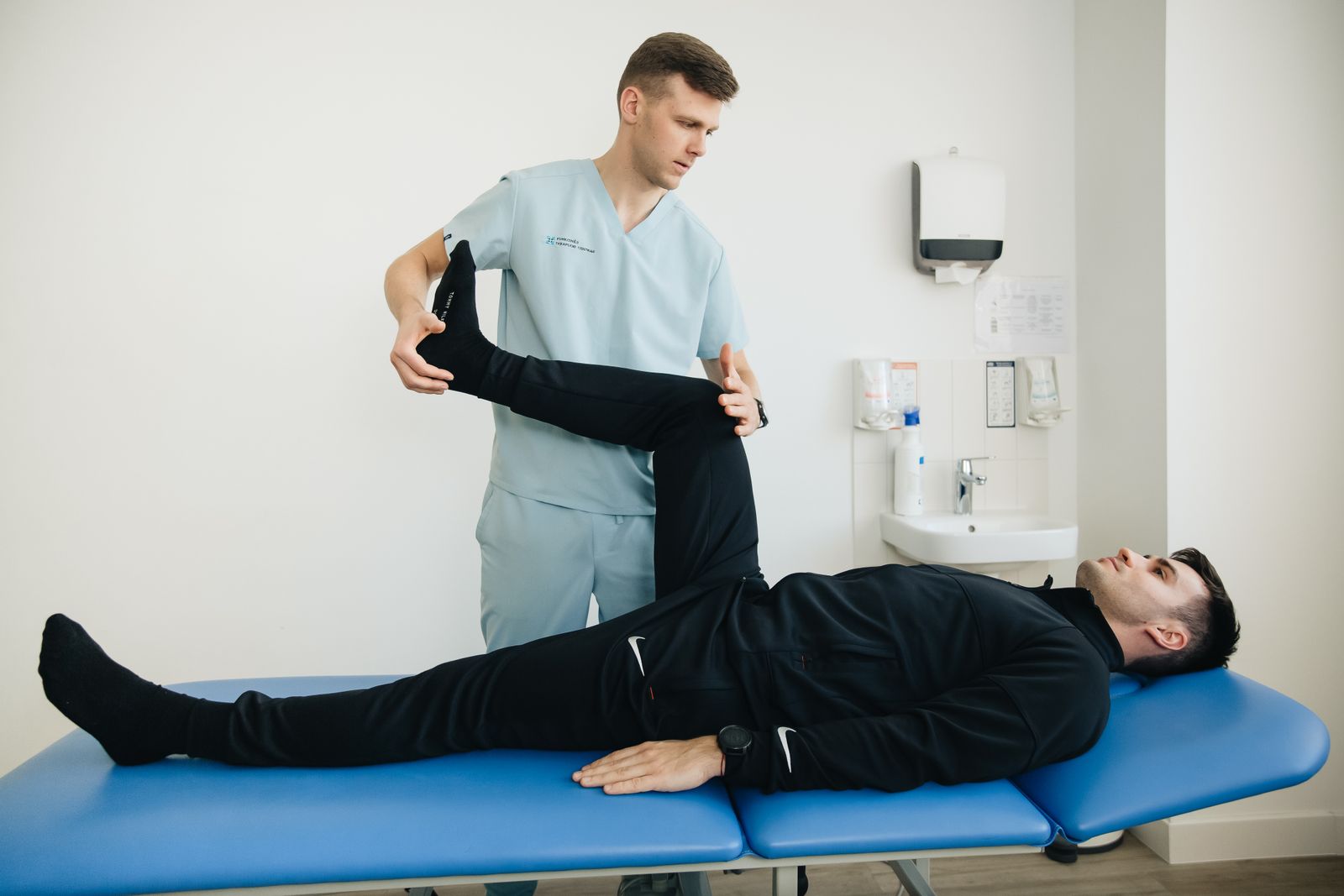
Delayed onset muscle soreness usually starts 8 to 24 hours after a class, peaks around 24 to 48 hours and fades within about 72 hours. After Zumba the usual sore spots are the calves, quads, glutes and hip flexors. Dull, even stiffness on both sides is normal. Sharp, one-sided or joint pain is not.
Soreness is worst when something is new: your first classes, a new style, a faster playlist or a return after a break. The same class feels gentler a few weeks later because your muscles adapt. Use the timeline below to decide what to do at each stage.
| Time after class | What you may feel | What to do |
|---|---|---|
| 0 to 2 hours | Warm, buzzing legs, light shakiness | Walk slowly for 5 minutes, sip water, eat a proper meal within an hour or two |
| Evening of class | Mild tightness in calves and thighs | Short easy walk, gentle ankle and hip circles |
| Next morning (12 to 24 hours) | Stiff on stairs, tight calves | 10 to 20 minutes of easy movement, light foam rolling |
| Day 2 (24 to 48 hours) | Peak soreness, heavy legs | Active recovery or full rest, skip high-impact work |
| Day 3 (48 to 72 hours) | Fading, stairs feel normal | Low-impact class or a normal class at reduced effort |
| Beyond 4 days | Still sore, or pain is worsening | Add rest days; see a doctor if the pain is sharp, swollen or one-sided |
Your 20-minute Zumba rest day routine, step by step
A good zumba rest day is easy enough that you finish feeling looser, not tired. This routine takes 20 minutes, needs one foam roller and a wall, and targets the areas Zumba loads most: calves, quads, glutes and hip flexors. Move slowly, breathe steadily and stop if anything feels sharp.
| Move | Time | Form cue |
|---|---|---|
| Easy walk | 8 min | Conversational pace, you should be able to speak full sentences |
| Foam roll quads | 1 min each leg | Roll slowly, pause 20 to 30 seconds on tender spots, avoid rolling directly over the knee |
| Foam roll calves | 1 min each leg | Cross the other leg on top for more pressure, keep the ankle relaxed |
| Foam roll glutes | 1 min each side | Sit on the roller with one ankle crossed over the opposite knee |
| Low lunge hip flexor stretch | 30 sec each side | Tuck the tailbone and squeeze the back glute, do not arch the lower back |
| Wall calf stretch | 30 sec each side | Back heel pressed down, back knee straight |
| Child’s pose | 1 min | Sit hips back toward the heels and breathe slowly through the nose |
| Legs up the wall | 3 min | Hips close to the wall, arms relaxed at your sides |
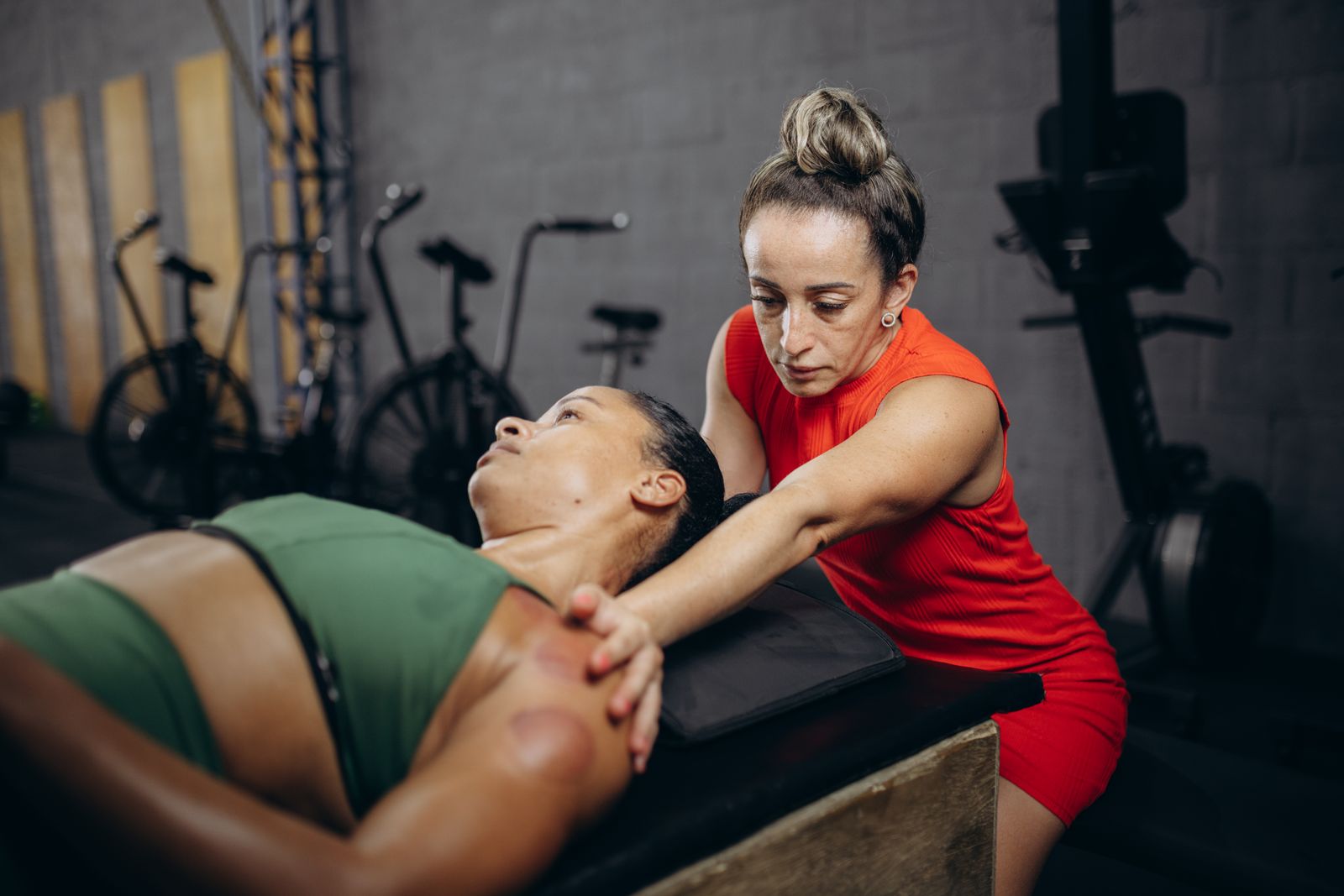
If you enjoy the slower, stretchy feel of this routine, an online yoga class makes a natural second rest-day option, and our guide to combining Zumba and yoga shows how the two fit together in one week.
How much sleep do you need to recover from Zumba?
Aim for 7 to 9 hours a night. Most muscle repair and hormone recovery happens during sleep, so regularly sleeping under about 6 hours makes soreness feel worse and classes feel harder. If late sessions leave you wired, finish intense classes at least two hours before bed and wind down with slow breathing.
Overtraining can keep stress hormones high and wreck sleep. Our guide to Zumba and better sleep explains how to break that loop.
What to eat and drink between classes
You do not need supplements to recover from Zumba. Regular Indian meals, built sensibly, do the job.
- Protein: roughly 1.2 to 1.6 g per kg of body weight daily suits most regular exercisers. For a 60 kg person, that is about 72 to 96 g spread across the day.
- Easy Indian sources: two eggs give about 12 g, 100 g paneer about 18 g, a cup of cooked chana or rajma about 14 g, and a katori of curd about 5 to 6 g. Dal with roti or rice adds a useful amount at lunch and dinner.
- Carbohydrates: roti, rice, poha, oats or a banana after class help refill energy stores. Do not cut carbs hard on heavy training weeks.
- Fluids: water through the day, plus chaas, nimbu pani or coconut water in hot weather. Pale yellow urine is a simple check. Our hydration for Zumba guide covers how much to drink before, during and after class.
If you have a medical condition, are eating very little, or want a plan matched to your weight and schedule, an online nutritionist consultation is a better route than guessing.
Signs you need more rest: a troubleshooting guide
Your body usually warns you before it breaks down. These patterns suggest your current recovery is not enough:
- Soreness that lasts more than three to four days after ordinary classes.
- Your usual playlist feels harder over two to three weeks instead of easier.
- Your morning resting heart rate sits noticeably higher than normal, roughly 5 to 10 beats above your usual.
- Sleep gets worse, or you wake tired despite enough hours in bed.
- Legs feel heavy, your mood is flat, or you dread classes you normally enjoy.
The fix is usually simple. Drop one class for a week, lower the intensity of the remaining ones by about a quarter, add a 20-minute walk on rest days, and look at sleep and meals.
Some signs are not about rest. See a doctor if you have sharp or one-sided pain, a swollen joint, shin pain that worsens with every class, pain when you put weight on a leg, or numbness. Stop exercising and get medical help urgently for chest pain, dizziness or fainting, or for severe muscle pain and weakness with very dark urine. Persistent soreness is worth a conversation with a doctor rather than another painkiller.
Recovery habits that look useful but do little
- Long static stretching straight after class: holding deep stretches while your muscles are still hot and fatigued does not reliably prevent soreness. A 5-minute walking cool-down and light stretches work better.
- Ice baths: popular among athletes, but the benefit for ordinary recreational soreness is modest, and they are not needed for Zumba.
- Painkillers before class: taking them to block soreness hides the signal your body is sending about load. Using them regularly is a reason to talk to a doctor.
- “Sweating it out”: doubling up with a hard second workout the next day piles on stress rather than clearing soreness.
Rest-day adjustments for beginners, 40+ dancers and busy professionals
Beginners. Start with three classes a week on non-consecutive days and treat soreness in week one as normal. After a month, reassess. If stairs feel normal within 48 hours, add a fourth day. If not, hold at three.
Dancers aged 40 and above. Recovery usually takes a little longer with age, so leave a gap after higher-impact classes and mix in low-impact styles. Zumba Gold is designed for gentler pacing and is a smart choice for a middle-of-the-week session.
Busy professionals and homemakers. If sleep is short, one fewer class and an extra walk often serve you better than another workout. Women balancing work, home and training may also like our Zumba for women guide for more on building a sustainable routine.
Does recovery change when you dance online at home?
Yes, mostly because of your floor and footwear. Many Indian homes have tile, marble or cement floors, which are hard on knees, shins and feet during jumps and pivots. Wear cushioned sports shoes rather than dancing barefoot, clear enough space to step freely, and drop the jumps if your shins start to ache.
The upside of online classes is control: you can lower the intensity or pause whenever your body asks. Our guide to online Zumba classes explains how that works in practice, and our overview of the benefits of Zumba shows why protecting your consistency is worth it.
Frequently asked questions about Zumba recovery
Can I do Zumba every day?
Some people can if most sessions are low-impact and short, but daily high-intensity Zumba without a break raises the risk of overuse injuries and burnout. A safer pattern is three to five classes a week with at least two rest or active-recovery days. If you want to dance daily, keep two or three sessions gentle.
Do rest days slow down weight loss?
No. Weight change depends mostly on your overall eating and activity across weeks, not on any single day. An hour of Zumba burns about 400 to 500 kcal for many people, though the figure varies widely. Poor recovery can hurt progress through bad sleep, stress and skipped sessions, so rest days usually help.
How can I tell normal soreness from an injury?
Normal soreness is dull, felt on both sides, appears a day after class and fades within about three days. Injury pain is often sharp, one-sided, felt in a joint or tendon, shows up during class, or comes with swelling or bruising. If it does not improve in a few days, see a doctor.
What should I eat and drink after a Zumba class to recover?
Have a balanced meal within an hour or two: for example dal, roti, sabzi and curd, or eggs with toast and fruit. Aim for roughly 20 to 30 g of protein plus carbohydrates, and drink water steadily. Add chaas or coconut water if you sweated a lot.
Is foam rolling or stretching better for Zumba recovery?
Neither is clearly better, and they work well together. Foam rolling for 5 to 10 minutes can ease tight calves, quads and glutes, while gentle stretching helps you feel looser. Neither replaces sleep, food and rest days, so treat them as helpful extras.
Want a weekly plan with recovery built in? Start with Fitstrot’s online Zumba classes and tell your trainer how many days a week you can train.


