

Zumba vs gym is really a question about what you want your body to do. Zumba is a dance-based cardio class that raises your heart rate for an hour and is easy to keep showing up for. A gym is a place to lift progressively heavier weights, which is the most direct route to strength and muscle. Neither is “better” in general. Here is how they compare goal by goal, who each one suits, and why combining both usually works best.
Zumba vs gym: which is better for your goal?
Zumba is better if you want cardio fitness, a calorie burn of about 400 to 600 kcal per hour, and a routine you enjoy. The gym is better if you want visible strength and muscle. For general fat loss, either works if you stay consistent and eat sensibly. For most people, doing both beats choosing one.
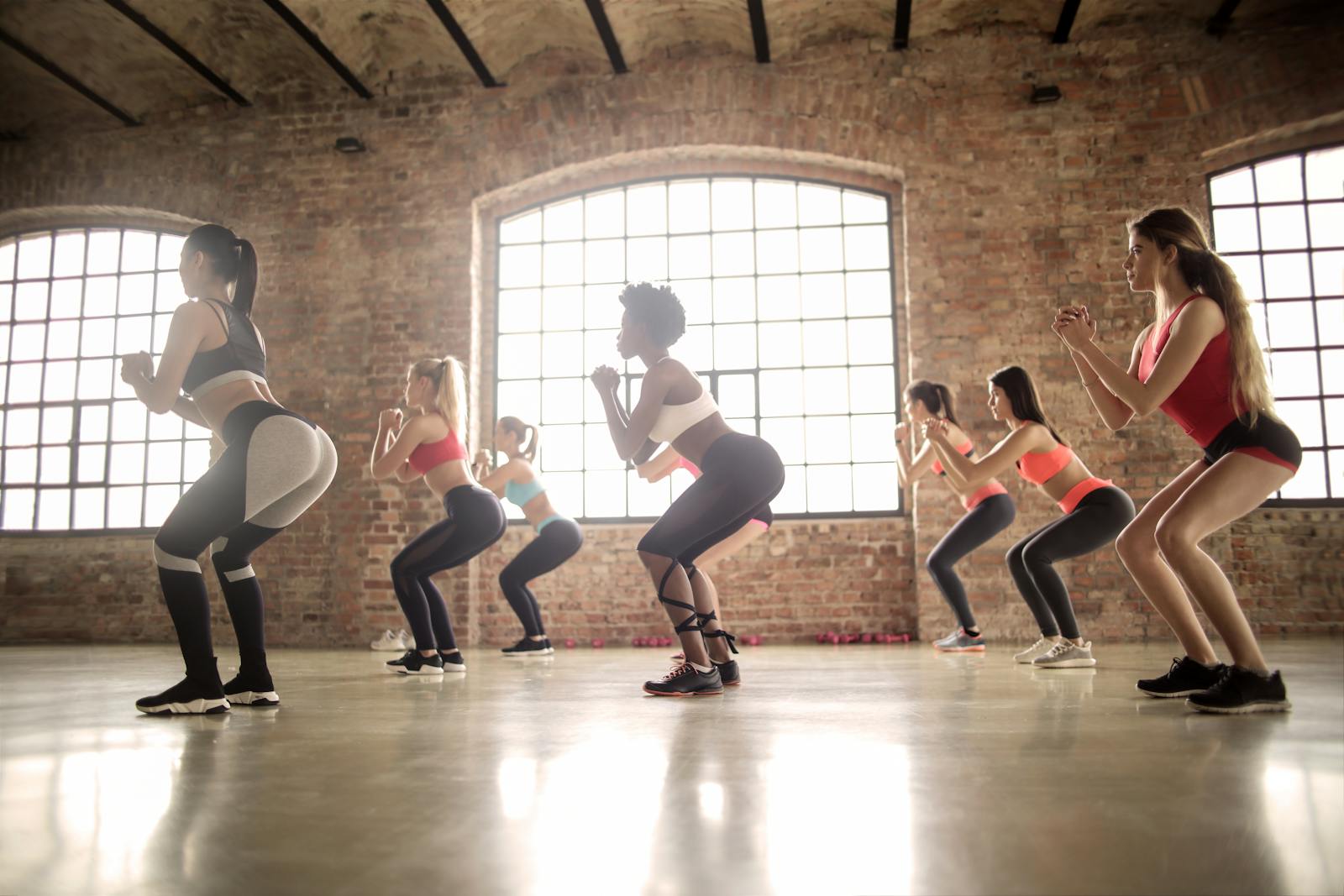
The common mistake is asking which format is “best” instead of which result you want in the next three to six months. Someone who wants to lose 8 kg and enjoy exercising needs a different answer from someone who wants to deadlift their bodyweight. The table below compares them.
Zumba vs gym at a glance, by goal
| Goal | Zumba | Gym (weights and machines) | Edge |
|---|---|---|---|
| Fat loss | Burns about 400 to 600 kcal per hour for many people; higher if you are heavier or go all out | Weight training burns about 250 to 450 kcal per hour, but builds muscle that supports your metabolism; gym cardio matches Zumba | Roughly even if you stay consistent |
| Strength and muscle | Light lower-body and core work; no progressive loading | Progressive overload with free weights and machines targets every muscle group | Gym, clearly |
| Cardio fitness | Continuous, interval-style effort with fast and slow songs | Treadmill, cycle, rower or circuits, with easy control over intensity | Even; Zumba is more fun, gym cardio is easier to measure |
| Coordination and balance | Strong: choreography, turns, weight shifts | Moderate: free-weight lifts train balance, machines less so | Zumba |
| Sticking with it | Social, music-led, varied every class | Self-directed; works well with a clear plan, boring without one | Zumba for most beginners |
| Bone and joint loading | Moderate impact from steps and jumps | Loaded lifts build bone density when done with good form | Gym for bone strength, with proper technique |
Which burns more fat, Zumba or the gym?
Neither burns fat on its own; fat loss comes from eating a little less than you spend, week after week. A Zumba hour burns about 400 to 600 kcal, a weights hour about 250 to 450 kcal. Zumba burns more per session, while lifting helps you keep muscle as you lose weight.
That is the honest version of “zumba or gym for weight loss”. One Zumba class at the top of that range equals roughly the energy in two to three rotis with sabzi, so exercise alone will not undo a heavy diet. A realistic, safe pace of fat loss is about 0.5 to 1 kg a week at most, and many people lose slower than that. Anyone promising fixed kilos in fixed days is selling, not coaching.
Where the gym quietly helps is what you keep. When you lose weight by cardio and dieting alone, some of the loss comes from muscle, and your body ends up softer rather than leaner. Lifting two or three times a week signals your body to hold on to muscle while fat comes off. An online nutritionist consultation can turn your usual dal, roti, sabzi and curd meals into a deficit you can live with.
Can Zumba build muscle the way gym weights do?
Not to the same degree. Zumba uses your bodyweight, so your legs, glutes and core get worked, especially if you are new to exercise. But muscle keeps growing only when the load increases over time, and a dance class cannot add 2.5 kg to the bar each week the way a gym can.
For a complete beginner, Zumba does tone the lower body, which is a real result. After a few months, though, your body adapts and the same class stops challenging your muscles. Our guide on whether Zumba builds muscle explains where the ceiling sits. If shoulders, back, chest and arms matter to you, a dance class will barely touch them, and weights are the answer.
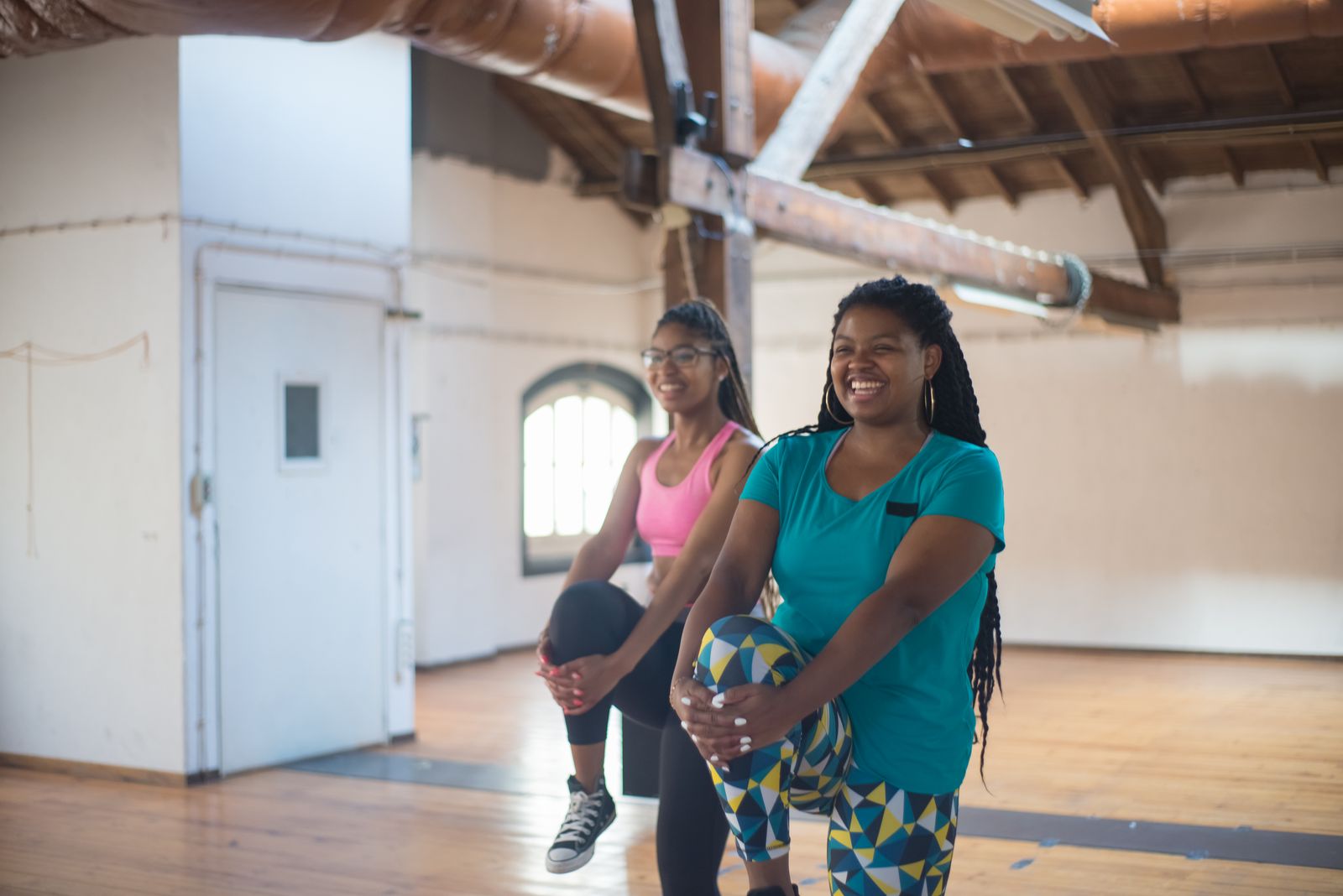
Myth check: “Zumba is not real exercise” and “the gym is only for bodybuilders”
- Myth: Zumba is just dancing, not a workout. A properly taught class keeps you moving for 45 to 60 minutes, with your heart rate rising and falling through the songs. That is solid moderate-to-vigorous cardio. If you can chat comfortably throughout, you are probably not pushing hard enough.
- Myth: lifting weights will make women bulky. Building large muscle takes years of heavy training and a calorie surplus. For most women, two or three sessions a week produce a firmer, stronger look, not a bulky one.
- Myth: you must choose one. Cardio and strength cover different parts of fitness, so treating them as rivals leaves a gap.
Cost, time, adherence and injury risk compared
The “best” workout is partly the one you will still be doing in six months, so practical factors matter as much as calories. This table compares the everyday realities in general terms, without prices, because costs vary widely by city and provider.
| Factor | Zumba (online or studio) | Gym |
|---|---|---|
| Cost in general terms | No equipment; pay per class or a subscription; online classes remove travel cost | Membership fee, often recurring monthly or yearly, plus travel; home setups need equipment |
| Time needed | 45 to 60 minutes, 3 to 5 days a week is common | 45 to 75 minutes, 3 to 4 days a week is enough for beginners |
| Learning curve | Low; you follow the instructor and pick up steps over time | Moderate; you need to learn exercise form and how to progress |
| Adherence | High for people who like music and company; harder if you dislike dancing | High if you like structure and tracking numbers; drops without a plan |
| Typical injury risks | Ankle and knee strain from jumps and pivots; shin soreness on hard floors | Back, shoulder and elbow strain from poor form or lifting too heavy too soon |
| How to lower the risk | Cushioned shoes, a softer floor, low-impact versions of jumps | Start light, learn form first, add weight in small steps, take rest days |
Is Zumba or the gym safer for your joints?
Both are safe for most healthy adults when you start gently. Zumba carries more impact and twisting, so knees and ankles take the strain. The gym puts load on the back, shoulders and knees if form slips. Technique, footwear and sensible progression matter more than which format you pick.
If your knees complain in Zumba, use the low-impact option for jumps and wear cushioned shoes. If your lower back complains in the gym, cut the weight and have someone check your squat and deadlift form. Stop and see a doctor if you get sharp joint pain, chest pain, dizziness or breathlessness that feels wrong. People who are pregnant, have a heart condition, or are recovering from an injury should get medical clearance before starting either.
Choosing by person: who should pick what
Match the choice to your starting point, not to what is fashionable. These are general pointers, not rules.
- Zumba suits you if you get bored on a treadmill, want a social atmosphere, are returning to exercise after a long break, or want something to do at home with no equipment. Online classes need only a few square feet of floor.
- The gym suits you if you want to lift heavier over time, change your shape, build strength for sport or daily life, or you enjoy tracking numbers and progress.
- Zumba first, then the gym suits you if you have not exercised in years. Dance builds the habit, and once it feels normal, adding two strength sessions is easy.
- Older adults and desk workers usually benefit most from a mix: dance or walking for the heart, plus light resistance work for muscle, bone and balance.
If you have a stubborn weight goal, a structured plan with a coach beats guessing. The online weight loss trainer programme builds the training and the eating around you, and 1-on-1 personal training is the better fit if you want strength work with a coach correcting your form on video.
Combining Zumba and the gym: can Zumba replace the gym?
Zumba can replace your gym cardio, but not your strength training. Doing both is the most balanced option: two or three strength sessions plus two or three Zumba classes a week covers heart, muscle, bone and mood, without the burnout of doing one thing five days a week.
Here is a sample week. Adjust it to your energy, and drop to three sessions in total if you are just starting out.
| Day | Session | Time | Focus |
|---|---|---|---|
| Monday | Gym: full-body strength | 45 to 60 min | Squat or leg press, push, pull, core |
| Tuesday | Zumba class | 45 to 60 min | Cardio, coordination |
| Wednesday | Rest or a 30 to 40 minute walk | 30 to 40 min | Recovery |
| Thursday | Gym: full-body strength | 45 to 60 min | Hinge or deadlift variation, press, row, core |
| Friday | Zumba class | 45 to 60 min | Cardio, fun, stress relief |
| Saturday | Optional: light gym or yoga | 30 to 45 min | Mobility, easy effort |
| Sunday | Rest | – | Recovery |
Put heavy lifting before Zumba if you do both on one day, because tired legs lift badly. To schedule without overtraining, read how to fit Zumba and strength training into one week. For a cardio-only comparison, Zumba vs cardio and HIIT goes deeper, yoga vs gym covers the calmer alternative, and Zumba vs aerobics compares two class formats.
Troubleshooting: when your routine stops working
Most people do not fail because they picked the wrong format. They stall because of a fixable problem. Check these first.
- The scale is stuck for 3 to 4 weeks. Re-check portions and weekend eating before changing your workouts. Measure your waist too; lifting can keep the scale flat while your waist shrinks.
- You are bored with the gym. Add one Zumba class a week as a reward session.
- Zumba feels too easy. Move to the front of the class, add bigger movements, or add two strength sessions so your muscles have a new challenge.
- You are sore and tired all the time. You are likely doing too much too soon. Take a rest day, sleep 7 to 8 hours, and eat enough protein from dal, eggs, paneer, curd, or chicken or fish if you eat them.
- You keep skipping sessions. Shrink the plan to two days a week for a fortnight, then build back up.
How Fitstrot approaches this choice
At Fitstrot, we rarely ask clients to pick a side. Our online Zumba classes are led by Yash Pathak, our lead Zumba trainer, who is ZIN Licensed, ACE Certified and Strong Nation Certified. You can add strength coaching on top when you want to build muscle. Results depend on your starting point, sleep, food and consistency, and no format guarantees an outcome.
Frequently asked questions about Zumba vs gym
Is Zumba better than the gym for weight loss?
Not automatically. A Zumba hour burns about 400 to 600 kcal, which is more than a weights session, but fat loss depends on your overall calorie balance. Most people lose weight best by combining Zumba or other cardio with strength training and a modest calorie deficit.
Can Zumba replace the gym?
It can replace gym cardio, but not strength training. If your goal is heart health, stamina and a toned lower body, Zumba alone can be enough at first. For visible muscle, stronger bones and upper-body strength, you will need some resistance work.
Do I need to do both Zumba and gym workouts?
No, but it is the most balanced option. Two or three strength sessions and two or three Zumba classes a week cover cardio, strength and enjoyment. If time is short, start with whichever one you will actually do consistently.
Which is easier for beginners, Zumba or the gym?
Zumba is usually easier to start because you follow an instructor and need no equipment. The gym has a steeper learning curve, but a beginner programme with light weights and a coach makes it manageable within a few weeks.
Which has a lower risk of injury, Zumba or the gym?
Both are low risk when done sensibly. Zumba mostly stresses knees and ankles through impact and pivots, while the gym mostly stresses the back and shoulders if form is poor. Start light, warm up, and use low-impact options when needed.
Not sure where to begin? Try a week of Fitstrot online Zumba classes for cardio, and pair them with two short strength sessions, so you can see which half of the plan you enjoy more. You can also browse our guide to online Zumba classes before you book.


