
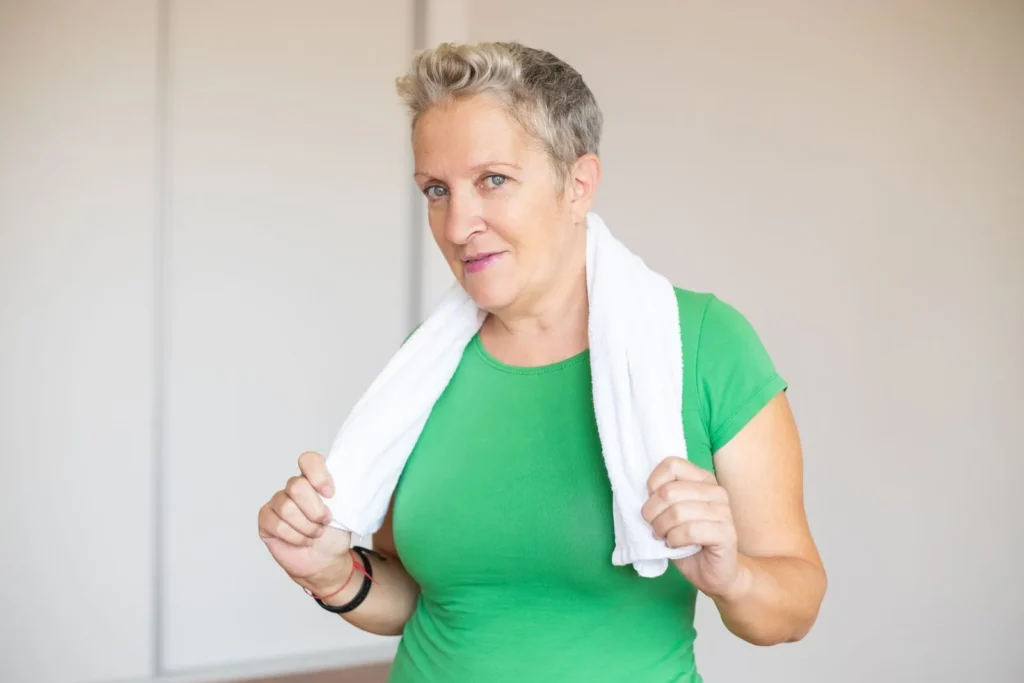
Zumba for menopause is a practical way to keep moving through a stage of life when energy, sleep, mood and joints can all feel less predictable. The format is simple: music, easy repeating steps and a group that keeps you showing up. It will not switch off hot flashes or replace the care your gynaecologist gives you. What it can do is make regular, enjoyable exercise feel doable, and that habit supports heart health, balance, mood and sleep routines through the 40s, 50s and beyond.
Below you will find where dance fits, which format to pick, a four-week build-up, fixes for common mid-class problems, and when to speak to your doctor first.
Is Zumba good for menopause?
Zumba can suit menopause well because it is low-barrier cardio you can scale to a gentle pace. Two to three classes of 30 to 45 minutes a week can support fitness, mood, balance and sleep routines. It does not treat menopause itself, so continue any treatment your gynaecologist has prescribed, including hormone therapy.
The reason dance works is mostly behavioural. The best exercise for midlife is the one you will still be doing six months from now, and music makes the minutes pass quickly. One session bundles sustained cardio, light coordination work, leg strength from squats and side steps, and a social element that matters more than most people expect.
What changes at menopause, and where dance fits
Menopause is confirmed after 12 months without a period, usually in the late 40s or early 50s. The years before it, perimenopause, can bring irregular cycles and early symptoms. This table separates what dance-based exercise can reasonably support from what needs medical care.
| Common concern | What regular Zumba-style exercise can offer | What it cannot do |
|---|---|---|
| Low mood, irritability | A lift after class, a routine, company | Replace counselling or medical care for persistent low mood |
| Poor sleep | Easier sleep onset when classes are not too late | Fix night sweats caused by hormone changes |
| Weight creeping around the middle | More weekly movement and calorie use | Override food choices or hormonal shifts on its own |
| Stiff, achy joints | Gentle, repeated movement that keeps joints mobile | Heal arthritis or damaged joints |
| Bone loss | Some weight-bearing load through the legs | Prevent or reverse osteoporosis |
| Hot flashes | A cooler, well-paced session habit; some women feel more in control | Remove hot flashes |
| Balance and strength | Practice shifting weight, turning and stepping | Replace proper strength training |
Dance is a supporting player, not the treatment. If hot flashes, mood changes or sleep problems are disrupting your life, talk to your gynaecologist about the options.
Myth check: what Zumba will not do for menopause
Myth: Zumba will balance your hormones. Exercise does not replace oestrogen. Movement can improve how you feel day to day, but a class will not correct hormone levels.
Myth: dancing hard enough will stop hot flashes. Some women feel symptoms ease on active days; others find a very sweaty session triggers a flush. Pace yourself and keep the room cool.
Myth: Zumba alone protects your bones. Weight-bearing exercise is one useful piece, but bone health also depends on calcium and vitamin D intake, strength work and your medical history. Our guide to Zumba for bone health explains what dance does and does not contribute.
Myth: you are too old or unfit to start. Slow, scaled versions exist for exactly this reason. Starting from zero at 55 is entirely normal.
Which Zumba format is best after 45?
For most women new to exercise or managing sore joints, a low-impact format such as Zumba Gold is the easiest starting point, with the option to move to standard classes later. Choose the format by impact level and pace, not by age. Start with two classes a week of 30 to 45 minutes.
| Format | Impact and pace | Best suited to | Form cue |
|---|---|---|---|
| Zumba Gold | Low impact, moderate pace, no jumping | Beginners, sore knees or hips, long gap since last exercise | Keep one foot grounded and soften the knees |
| Standard Zumba | Moderate to high impact, faster songs | Women already active and comfortable with jumps | Swap jumps for a step-touch whenever you tire |
| Zumba Toning | Moderate impact with light hand weights | Those wanting arm and upper-body work as well as cardio | Start with very light weights or none |
| Beginner Zumba | Slow breakdown of steps, lower pace | First-timers of any age | Learn the step first, add arms later |
If you are not sure, take the lower-impact option. You can add intensity after four to six weeks, but an early injury is a common reason women quit. Our guide to Zumba for women covers the format across life stages.
How should I build up in the first four weeks?
Begin with two sessions of about 30 minutes in week one, add a third session or extra minutes by week three, and keep the effort at a level where you can still talk. By week four, three sessions of 30 to 45 minutes a week is a realistic, sustainable target for most beginners.
| Week | Sessions | Minutes per class | Effort (talk test) | Focus |
|---|---|---|---|---|
| 1 | 2 | 25 to 30 | Easy, full sentences | Learn basic steps, finish feeling good |
| 2 | 2 | 30 | Easy to moderate | Smoother footwork, hydrate before and after |
| 3 | 3 | 30 to 40 | Moderate, short sentences | Add arm movements and a second song set |
| 4 | 3 | 35 to 45 | Moderate, with easier songs as breaks | Keep rest days between classes, note how you slept |
A usual adult guideline is roughly 150 minutes of moderate activity a week plus strength work on two days. Do not rush towards it; many women get there within two to three months. Warm up for five minutes before class and cool down after with slow walking and stretching. Combining Zumba with yoga is a useful pairing for flexibility and calm.
What if I get hot flashes, sore knees or leakage mid-class?
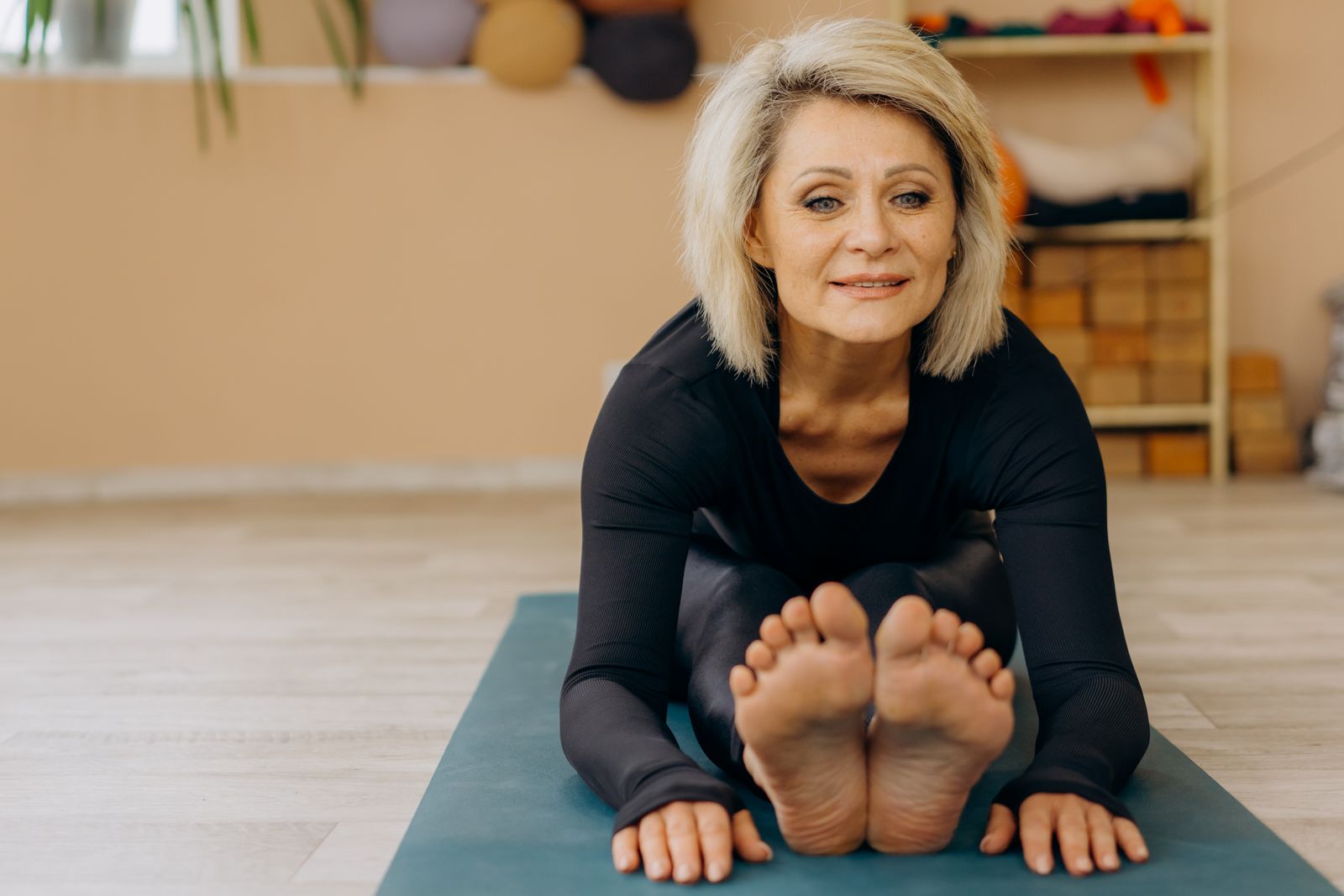
Slow down, lower the impact and keep going at an easier level rather than stopping altogether. For hot flashes use a cooler room and a fan, sip water and take a pause. For sore knees swap jumps for step-touches. For urine leakage, ease off bouncing moves and speak to your doctor about pelvic floor support.
Hot flashes. Wear light cotton in layers you can remove, and keep a towel, water and a fan close. If a flush hits, march gently in place for a minute, then rejoin. Avoid heavy meals or very hot tea right before class.
Sore knees and hips. Keep movements small, avoid deep squats and twisting on a planted foot, and wear cushioned shoes on a flat, non-slip floor. Pain that sharpens, lingers after class or wakes you at night needs a medical check.
Leakage when you jump or laugh. This is common after childbirth and around menopause, and you do not have to put up with it. A pelvic-floor physiotherapist can teach helpful exercises. Meanwhile, choose low-impact songs and skip jumps.
Dizziness when turning. Slow the spins, fix your gaze on one point and hold a chair if needed. Stop if it continues.
Tired the next day. Midlife recovery can be slower, so take a rest day between classes. Our piece on Zumba and better sleep explains why class timing matters.
When should I see a doctor before starting?
See your doctor before starting if you have osteoporosis or a past fracture, very heavy or unexpected bleeding, chest pain, palpitations or breathlessness, or any long-term condition. Stop and get checked if heart symptoms appear. Zumba never replaces hormone therapy or your gynaecologist’s advice, and you should not change medicines yourself.
- Bone health: a diagnosis of osteoporosis or low bone density, a previous fracture after a minor fall, or loss of height. Your doctor can tell you which impact level is safe, and whether you should avoid jumping or twisting moves.
- Heavy or unusual bleeding: very heavy periods, bleeding that soaks through pads quickly, or any bleeding after you have gone 12 months without a period. This needs examination, not exercise.
- Heart symptoms: chest pain or pressure, a racing or uneven heartbeat, unusual breathlessness, fainting or swelling in the legs. Stop at once and get medical help. Do not wait for the next class.
- Other conditions: high blood pressure, diabetes, thyroid problems, joint replacements or any condition where a doctor has set limits on exercise.
- Medication: if you take hormone therapy or other medicines, do not stop or change them because of exercise. Any adjustments should come from your doctor.
Before your first class, tell the instructor about any injury, surgery or medical advice you have been given.
Does the plan change for perimenopause versus post-menopause?
The basic plan is the same: low-impact, moderate effort, two to three classes a week. Perimenopause may need more flexibility on bad-sleep or heavy-period days, while post-menopause deserves more attention to bone and heart health. Adjust the pace day by day and keep your doctor informed.
Perimenopause. Energy can swing from week to week. Keep two fixed class days, treat a third as optional, and choose a gentle walk on heavy-bleeding or poor-sleep days.
Early post-menopause. Bone loss tends to speed up in these years. Dance gives some weight-bearing load, but it works best alongside resistance exercise two days a week, such as chair squats, wall push-ups and bands. Our 1-on-1 personal training can build a routine around your joints.
60 and above. Balance matters more. Favour Zumba Gold, keep a chair within reach, and add online yoga classes for stretching and steadiness.
Food, strength and rest: what to pair with dance
Exercise alone rarely settles midlife weight or energy, so a few supporting habits help.
- Protein at every meal: dal, paneer, curd, eggs, fish or chicken, depending on your diet.
- Calcium-rich foods: milk, curd, ragi and leafy greens. Ask your doctor before starting any calcium or vitamin D supplement.
- Water through the day: sip before and after class rather than gulping.
- Strength work twice a week: bodyweight moves or light dumbbells, 8 to 12 repetitions per exercise.
- Consistent sleep timing: finish evening classes at least two hours before bed if exercise keeps you wired.
If weight or cravings have shifted since menopause, an online nutritionist consultation can build a plan around your food habits and any medical conditions.
Learning from a trained instructor, online
Online classes remove the travel and the worry about being the oldest person in the hall. You can pause, step back, keep the room cool and repeat a step as often as you like. At Fitstrot, Zumba is led by Yash Pathak, our lead Zumba trainer, who is ZIN Licensed, ACE Certified and Strong Nation Certified. Our guide to online Zumba classes explains the format. Tell your instructor your stage of menopause and any limits, and ask for the low-impact version of each move.
Zumba for menopause: your questions answered
Can Zumba reduce menopause symptoms?
Zumba does not treat menopause, but regular classes can make symptoms easier to live with. Many women report better mood, steadier energy and more regular sleep after a few weeks of two to three sessions a week. Hot flashes, bone loss and heavy bleeding need your doctor’s advice.
Is Zumba safe after 50?
Zumba is generally suitable after 50 when you choose a low-impact format, warm up properly and stay within a pace where you can talk. Check with your doctor first if you have heart disease, high blood pressure, osteoporosis, joint problems or any unexplained symptoms such as chest pain or dizziness.
How often should I do Zumba during menopause?
Two to three classes a week of 30 to 45 minutes is a sensible target for most women, with at least one rest day between sessions. Start with two classes in the first fortnight, then add a third if you recover well and your joints feel comfortable.
Can Zumba replace hormone therapy?
No. Zumba is exercise and hormone therapy is medical treatment, so one cannot replace the other. If your gynaecologist has prescribed hormone therapy, continue it as advised and do not change or stop it because you have started dance classes. Discuss any concerns with your doctor.
Will Zumba help with menopausal weight gain?
Zumba adds to your weekly calorie use and keeps you active, which supports weight management, but it works best with sensible eating and strength work. Midlife weight change is influenced by hormones, sleep, muscle loss and food. Expect gradual changes over months, not quick results.
Try one low-impact class this week
Pick one low-impact session, tell the instructor how you are feeling and finish with energy left over. Join a beginner-friendly batch through Fitstrot’s online Zumba classes and see how your body responds across two weeks.


