

A yoga certificate course can mean a six-week weekend programme, a 200-hour teacher training or a one-year university diploma, and all of them get sold as “certification”. That is the real problem for anyone searching in India: the names are not regulated, so the label on a brochure tells you little about what you will learn or who will accept it. This guide sorts certificate, diploma and TTC (teacher training course) into plain categories, then gives you a checklist to run on any school before you pay. For what comes after you qualify, see our guide to yoga instructor jobs.
What is the difference between a yoga certificate, a diploma and a TTC?
A yoga certificate is the shortest credential, often weeks to a few months. A TTC is a certificate designed to qualify you to teach, commonly 200 hours. A diploma usually runs about six to twelve months with more theory, and a degree takes several years. Titles are not fixed by law, so the issuer matters more than the name.
Treat the table as a map, not a rule: lengths are rough, and one school’s “certificate” is another’s “diploma”.
| Credential | Typical length | Usually issued by | Best suited to | Main catch |
|---|---|---|---|---|
| Short certificate | A few weeks to about 6 months | Private schools, studios, some colleges | Personal depth, a first taste of teaching | May not qualify you to lead classes |
| TTC (often 200 hours) | About 4 weeks full-time, or several months part-time | Private schools, some listed with Yoga Alliance | Teaching group classes at studios, gyms or online | Quality varies sharply between schools |
| Diploma | Roughly 6 to 12 months | Universities, colleges, institutes | Learners who want theory, philosophy and anatomy | Not automatically a teaching credential |
| Postgraduate diploma | Often about 1 year, after a bachelor’s degree | Universities | Graduates who want an academic qualification | Needs a prior degree; syllabus differs by university |
| Degree (BNYS, BSc or MSc in yoga) | Several years | Universities | Wellness-centre, therapy-adjacent or academic routes | Long commitment; strict entry rules |
In practice, a TTC is the credential most directly built for leading classes. A diploma or degree can fit better if your aim is wellness-centre work or study, but only when the syllabus includes supervised teaching practice.
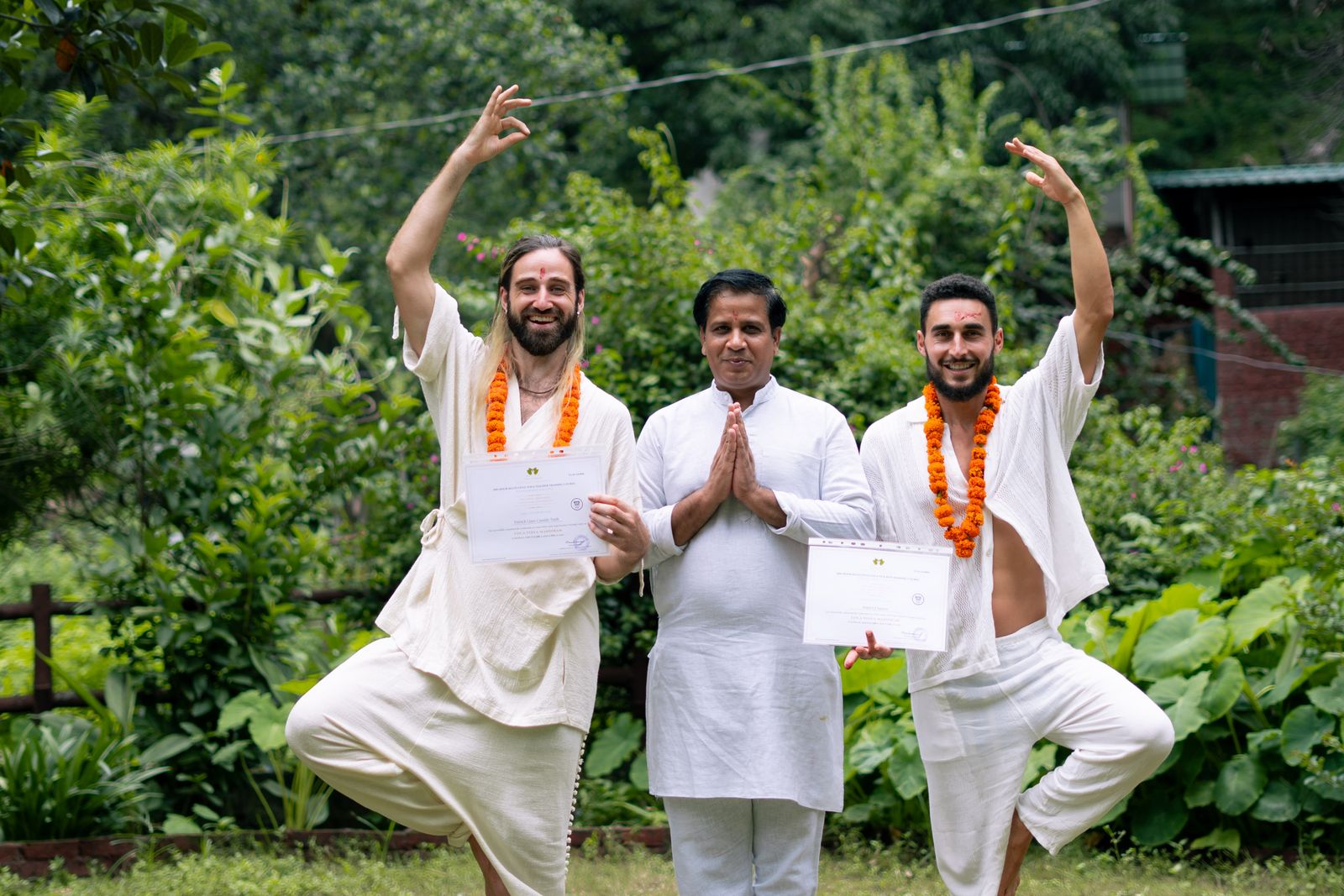
Myth: a certificate from a famous school makes you a certified teacher
A certificate proves you attended and passed that school’s own assessment. By itself it does not make you “registered” or “board-certified”, and studios and insurers often care about the difference. Teaching yoga is not licensed the way medicine is, so no certificate is a legal permit. It is a signal, and three different signals get blurred together:
- Yoga Alliance registered: a school can register as an RYS, and graduates of a registered 200-hour programme can apply for the RYT 200 designation. The listing sits in Yoga Alliance’s public directory, so check it there rather than trusting a badge on the school’s website.
- YCB certification: the Yoga Certification Board, set up under the Ministry of AYUSH, runs a separate certification for yoga professionals in India. Read the board’s current eligibility and assessment rules directly, because they can change.
- University or college awards: a diploma or degree is recognised through the institution that awards it, so confirm the programme appears on that university’s own website.
Location is not a credential either. Training in a famous yoga town can be a good experience, but a famous address does not replace the checks below. Our guide to yoga teacher training in Rishikesh covers the destination side.
Which yoga course should you pick for your goal?
Pick the shortest credential that matches your goal. For leading group classes, choose a 200-hour TTC with supervised teaching practice. For wellness-centre or therapy-adjacent work, look at a diploma, postgraduate diploma or degree. For personal depth, a short certificate or part-time yoga diploma course is enough. Specialty add-ons come after a base credential, not instead of one.
| Your goal | Route to consider | Prioritise | Be careful of |
|---|---|---|---|
| Teach group classes at studios or gyms | 200-hour TTC from a Yoga Alliance registered school, or a recognised university diploma | Supervised teaching hours, the lead trainer’s experience | Hours padded with unsupervised self-study |
| Teach live online | TTC with live sessions and recorded practicum feedback | Teaching on camera and getting corrected | Pre-recorded-only courses |
| Wellness centres or naturopathy settings | Diploma, postgraduate diploma or a degree such as BNYS | Anatomy, health-science modules, supervised exposure | Weekend certificates that promise a “therapist” title |
| Government or academic roles | University diploma or degree, and YCB certification where the employer asks for it | Recognition by the body that will hire you | Private certificates the employer does not list |
| Deeper personal practice | Short certificate or part-time diploma | A teacher you learn well from, a pace you can sustain | Paying for a teaching credential you will not use |
| Adding a niche to existing teaching | A specialty add-on module | Stated prerequisites, the trainer’s specific background | Stacking several add-ons before you teach base classes |
Specialty add-ons usually follow a base teaching credential. Common ones include prenatal yoga, yin yoga and restorative yoga, and each has its own prerequisites, so ask what the school expects you to have completed first. Chair yoga for older students is another popular add-on.
How to vet any yoga certificate course in seven checks
Run these in order. A school that answers all seven clearly, in writing, deserves a closer look.
- Name the issuer. Who actually awards the paper: the school itself, a university, or a board? The answer decides what the certificate is worth.
- Verify registration yourself. Search the Yoga Alliance directory for the school, check the board’s site for YCB claims, and look for a university programme on the university’s own pages.
- Ask for the hour-by-hour syllabus. You want to see contact hours with a trainer, self-study hours and supervised teaching hours listed separately. It should cover alignment in standing poses, safe modifications for common complaints such as yoga for back pain, and the limits of your role when a student mentions anxiety or an injury.
- Look at the lead trainer. How many years have they taught, who did they train under, and can you attend a demo class before enrolling?
- Ask about batch size. More trainees per trainer means less correction on your own teaching.
- Understand the assessment. Is there a practical teaching test, a written exam or both, and what happens if you do not pass the first time?
- Get everything in writing. The total cost and what it includes, the refund and deferral terms, and the exact wording that will appear on your certificate, including hours and the school’s name.
This table turns common brochure lines into questions you can send by message.
| The brochure says | What it can hide | Ask this |
|---|---|---|
| “Internationally recognised” | Recognised by whom is left unstated | Which body, and can I check your listing myself? |
| “200 hours in two weeks” | A compressed timetable padded with self-study | Can I see the daily schedule with trainer-led hours marked? |
| “Guaranteed placement” | No school controls who hires or how many students you will get | Can I speak to recent graduates about what they teach now? |
| “Government certificate” | The school’s own certificate styled to look official | Is the certificate issued by the board or by your school? |
| “Lifetime access to recordings” | Few or no live, observed teaching sessions | How many sessions will I teach while a trainer watches? |
| “All-inclusive low fee” | Exam, registration or material charges added later | Please list what is and is not covered, in writing. |
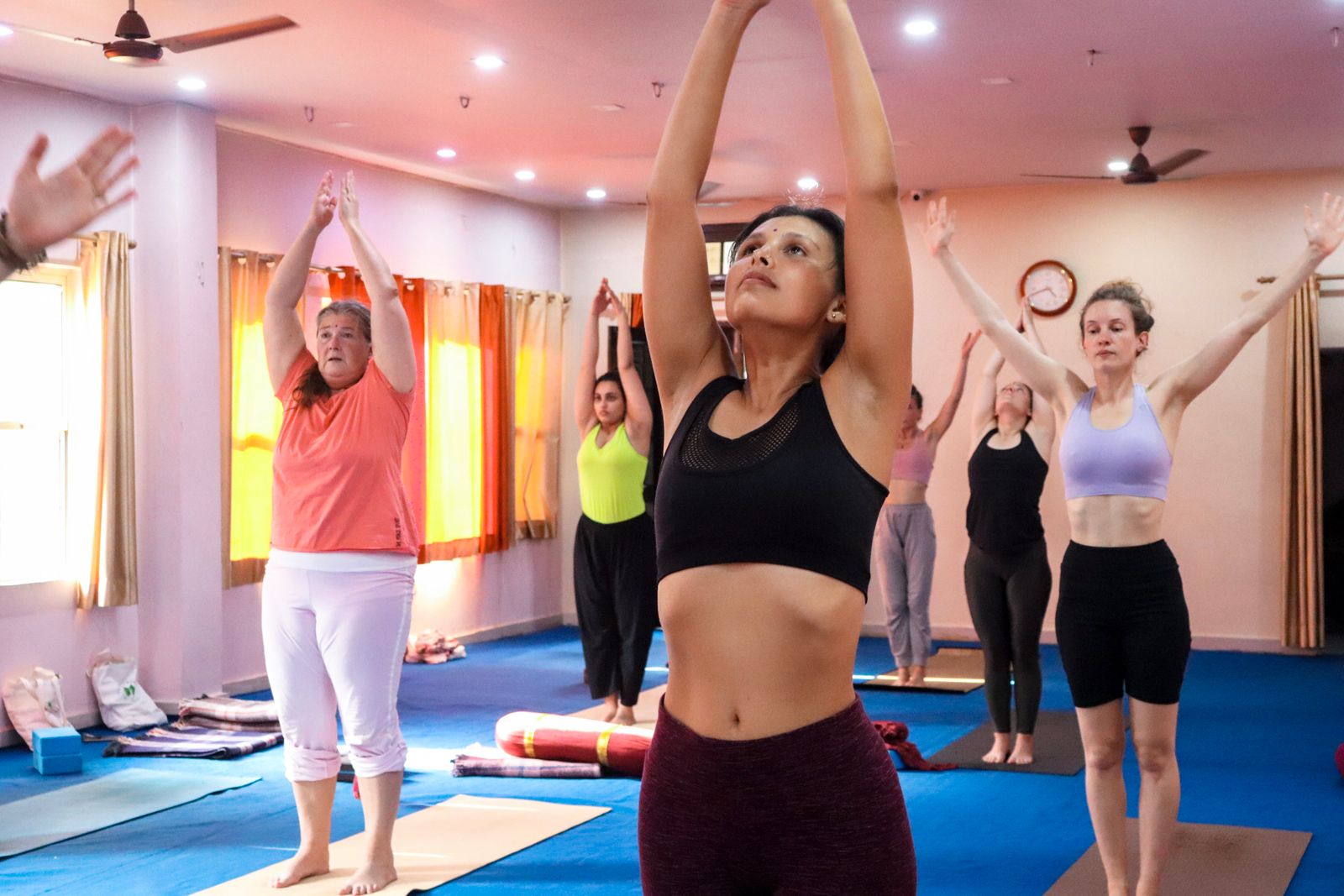
Is a yoga certificate course online as good as one near you?
It can be, if the online course has live sessions, small groups and a practicum where you teach on camera and receive feedback. A yoga certificate course near you gives hands-on adjustment practice that video cannot fully replace. Choose based on how you learn, then apply the same seven checks to both formats.
A search for “yoga certificate course near me” will return studios with no outside registration alongside ones that have it, so proximity is not a quality signal. Online suits self-motivated learners, and a part-time in-person batch suits people who learn from correction. If you want to experience live online instruction as a student first, our guide to online yoga classes shows what to look for.
Which route suits students, working professionals and fitness trainers?
Class 12 students can usually start with a certificate or diploma and keep a degree open, graduates can consider a postgraduate diploma, and working professionals do best with part-time or weekend batches. Existing fitness trainers can add a 200-hour TTC to what they already hold. Always confirm eligibility with the school first.
- After Class 12: a yoga certificate course after 12th is common, and many certificate and diploma programmes accept Class 12 pass. Degree programmes have their own admission rules, so read them early.
- Working professionals: protect your leave before you enrol. An immersion batch needs weeks away from work, while weekend batches stretch over months and test your consistency.
- Fitness, dance and Zumba instructors: a base certificate lets you add yoga classes to your timetable. Learn how the types of yoga differ first, so you pick a school whose style matches the classes you want to teach.
- Health professionals: a diploma can add breadth to your practice, but a yoga credential does not widen your legal scope to diagnose or treat.
Troubleshooting: the certificate is not accepted, or the course fell short
An employer asks for a registered credential. Ask exactly which registry or board they accept, and check whether your school appears in it. If it does not, a registered programme taken afterwards may be the cleaner fix than arguing over the old paper.
The syllabus turned out thin. Fill the gaps with targeted learning rather than another full course. Observe experienced teachers, take a specialty module that matches the classes you want to teach, and practise-teach friends or family with feedback.
The school misrepresented something. Write down what was promised, keep the brochure, messages and receipts, and raise it with the school in writing against its stated refund terms. For anything bigger, speak to a consumer or legal adviser.
You do not feel ready to teach after finishing. That is common, and it is a practice problem, not a paper problem. Teach small groups first and record a class to review your cueing.
Is a yoga certificate course worth it?
It is worth it if you want structured learning, a teaching credential that studios recognise, or a deeper personal practice. It is not worth it as a shortcut to income, because no certificate guarantees students or jobs. Decide your goal first, then choose the shortest credential that meets it and verify the issuer.
Many new teachers spend their first year building a student base rather than filling classes, so plan finances and patience around that. If you are still comparing options, our overview of yoga courses sets out the wider range of study routes.
A sensible first step before you pay a school
Test your consistency before you commit to a credential. Join FitStrot’s online yoga classes for a few weeks, note which styles and teaching approaches suit you, and bring those notes to your first conversation with a school.
Frequently asked questions about a yoga certificate course
Is a yoga certificate course enough to teach yoga?
For most studios and gyms, a 200-hour teacher training certificate from a recognised school is the usual minimum for group classes. A short wellness certificate often is not. Check what your intended employer accepts, and note that no certificate replaces supervised practice teaching and ongoing learning.
How long does a yoga certificate course take?
It depends on the type. A short certificate can take a few weeks to about six months, while a 200-hour TTC is often about four weeks full-time or several months part-time. Diplomas commonly run six to twelve months, and degrees run several years.
Is a yoga diploma better than a certificate?
Not automatically. A diploma usually runs longer and covers more theory, which suits wellness or academic routes. A TTC certificate is usually more direct for teaching group classes. Compare the issuer, supervised teaching hours and recognition rather than the title on the paper.
Is an online yoga certificate course valid?
It can be valid when the school is properly registered or recognised and the course includes live sessions and observed teaching practice. A recorded-only course with no feedback is weaker. Verify the registration yourself and ask how many live teaching sessions you will complete.
Can a complete beginner join a yoga certificate course?
Often yes for short certificates, but many teacher trainings expect some regular practice first, such as a few months of classes. You do not need extreme flexibility. Ask the school about prerequisites and how it adapts poses for different bodies.


