
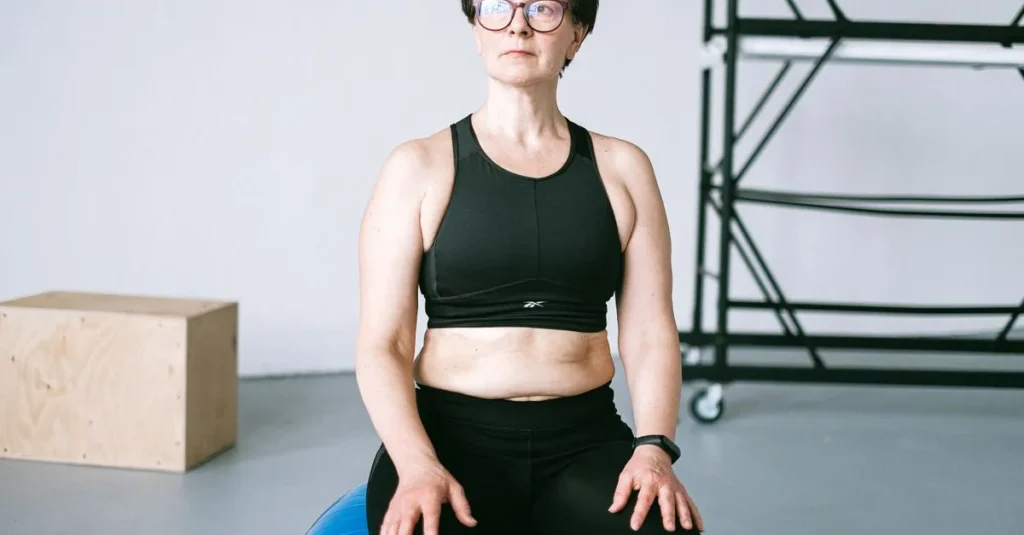
Searching for pcos weight loss in 1 month usually means you want visible change soon, often because of a wedding, a medical review or years of frustration. The honest answer is that one month can start the process but rarely finishes it. PCOS can make the scale move slowly, so a gentle, doctor-aware plan works better than a rush. This guide shows what a realistic month looks like, what to eat and do each week, and when to involve your doctor.
Is PCOS Weight Loss in 1 Month Realistic?
For most women, a realistic first month is roughly 1 to 3 kg of weight change, along with smaller waist measurements, steadier energy and fewer cravings. Some lose less, and a few lose more. A month is long enough to build habits, but usually too short to judge hormonal or cycle changes.
That range is deliberately modest. A safe pace for most adults is around 0.25 to 0.5 kg a week, and PCOS can make the first weeks slower or uneven because of water shifts, stress and irregular cycles. If anyone promises a fixed number such as 10 kg in 30 days, treat it as a warning sign rather than a plan; our comparison of the 10 kg in 1 month claim explains why such targets backfire.
Why Does PCOS Make Weight Loss Feel Slower?
Many women with PCOS have some degree of insulin resistance, which means the body needs more insulin to handle the same meal. Higher insulin can encourage fat storage around the waist and stronger hunger. This does not make loss impossible; it means meal quality, muscle and sleep matter as much as calories.
Not everyone with PCOS has insulin resistance, and PCOS looks different from person to person. Only your doctor can say which pattern applies to you after an examination and relevant tests.
In practice, two people eating the same 1,400 kcal can feel very different. White rice, sugary chai and biscuits tend to leave you hungry within hours, while dal, vegetables, curd, eggs or paneer with a measured portion of roti or millets keep hunger steadier. That makes a moderate calorie gap easier to sustain.
What Should a Realistic First Month Look Like?
Judge the first month by several measures rather than the scale alone. The table below shows what is reasonable to expect over four weeks of consistent effort, and what usually takes longer. These are typical ranges, not guarantees.
| What you track | Realistic in 4 weeks | Comment |
|---|---|---|
| Body weight | About 1 to 3 kg | Can stall for 2 to 3 weeks and then drop; some women lose less |
| Waist measurement | Roughly 1 to 3 cm | Often shifts before the scale does |
| Energy and bloating | Often better within 2 to 3 weeks | Linked to meal timing, sleep and fibre |
| Cravings | Gradually calmer with protein-rich meals | Expect a rise before periods |
| Cycle regularity | May not change in one month | Needs several months and a doctor’s guidance |
| Skin and hair symptoms | Slow to change | Discuss persistent symptoms with a doctor |
Weigh yourself at most once a week, at the same time, and measure your waist every two weeks. A single high reading before a period usually reflects water, not fat.
Why Start With Your Doctor Before Any PCOS Plan?
PCOS is a medical diagnosis, so a doctor should confirm it and rule out other causes of weight gain or irregular periods, such as thyroid problems. Your doctor may suggest blood tests and will advise on any treatment. Diet and exercise changes work alongside that care, never in place of it.
Before you begin, it helps to ask your doctor or a registered dietitian a few specific questions:
- Has my blood sugar, thyroid and cholesterol been checked recently, and do I need any tests?
- Is there any reason I should avoid certain exercises or a calorie reduction?
- How will we know if my cycle or other symptoms are improving?
- If I take prescribed medicines, is there anything about food timing I should know?
Never stop, change or skip a prescribed medicine because of a diet plan. Raise any concern with your own doctor.
What Does a Gentle Week-by-Week Plan Look Like?
Build the month in layers. Fix food structure first, add movement second, then work on sleep and stress. Adding everything on day one is the most common reason plans collapse by week two. Use the table as a template and adjust the pace to your schedule, health and doctor’s advice.
| Week | Food focus | Movement | Habit to build |
|---|---|---|---|
| 1 | Protein at every meal, fewer sugary drinks and biscuits, regular meal times | 20 to 30 minute walk on 4 to 5 days | Sleep by a fixed time |
| 2 | Swap part of the refined grain for millets, oats or brown rice; add vegetables to lunch and dinner | Walks plus 2 short bodyweight strength sessions | Drink water before meals |
| 3 | Pair carbs with dal, curd, paneer or eggs; plan a protein snack | 2 to 3 strength sessions of 30 to 40 minutes plus walks | 10 minutes of breathing or stretching daily |
| 4 | Repeat what worked; keep a moderate calorie gap set with your dietitian | Same routine, add small weight or an extra set | Review waist, energy and mood notes |
For a full meal structure with Indian options, our PCOD diet chart for weight loss and PCOS weight loss diet guides go deeper. If you want a general month-long structure to compare with, see the one month weight loss plan.
What Can a PCOS-Friendly Indian Day Look Like?
A PCOS-friendly day includes protein at each meal, vegetables at lunch and dinner, and measured portions of carbohydrate paired with dal, curd, paneer or eggs. Aim for roughly 15 to 25 g of protein per main meal. Portions below are examples for an average adult, not a prescription.
| Meal | Example | Approximate portion |
|---|---|---|
| Breakfast | Moong dal chilla with mint chutney, plus curd | 2 chillas, 100 g curd |
| Mid-morning | Fruit with a few nuts, or roasted chana | 1 fruit with 6 to 8 almonds, or about 30 g chana |
| Lunch | Roti or millet with dal, vegetable sabzi and salad | 1 to 2 rotis, 1 katori dal, 1 katori sabzi |
| Evening | Sprouts chaat or paneer cubes, with unsweetened tea | 1 bowl sprouts, or about 50 to 60 g paneer |
| Dinner | Vegetable and paneer, tofu or egg dish with 1 roti or a small portion of rice | 1 katori protein dish, 1 katori vegetables |
Vegetarian patterns fit this format easily; the aim is protein plus fibre at each meal. A registered dietitian can tailor quantities to your height, activity and health, and our diet chart for weight loss for female in 1 month offers another sample.
Which Exercise Suits PCOS Without Overdoing It?
A sensible PCOS routine combines regular walking with two to three strength sessions a week. Muscle helps the body use glucose more efficiently, and walking is easy to repeat. Work toward roughly 150 minutes of moderate activity weekly if your doctor agrees, and avoid daily exhausting workouts that leave you drained.
Good starter moves include chair squats, glute bridges, wall push-ups and band rows. Do 2 to 3 sets of 8 to 12 repetitions, resting 60 to 90 seconds between sets, and keep one or two full rest days a week. Our guide to exercise for PCOS weight loss sets out a longer progression, and a coach can teach correct form through live video sessions.
More is not always better: frequent high-intensity workouts on low food intake leave you exhausted and sleeping badly.
Which PCOS Weight Loss Myths Should You Ignore?
Three myths cause most of the damage: that you must cut all carbohydrates, that crash dieting is the quickest fix, and that more sweating means faster loss.
Myth 1: PCOS means no rice or roti ever. Carbohydrate quality, portion size and what you pair it with matter more than elimination. Going near zero often ends in fatigue, irritability and a binge cycle.
Myth 2: eat under 1,000 kcal to move fast. Very low intakes are not advised, and for most women eating under about 1,200 kcal a day is unsafe without medical supervision. Rapid cuts can leave you tired, hungry and prone to regaining the weight. The sensible aim is a modest gap of roughly 300 to 500 kcal below maintenance, set with a professional.
Myth 3: a quick detox or tea can reset hormones. No drink or cleanse treats PCOS. Be cautious with supplements and herbal products, and check with your doctor first, particularly if you take medicines or are planning pregnancy. Our intermittent fasting for PCOS weight loss guide covers a popular trend and its cautions in more detail.
What If the Scale Does Not Move After a Month?
If the scale has not moved after four weeks, check consistency first, then protein, sleep and stress, and look at waist and energy changes. A stall of two to three weeks is common with PCOS. Persistent lack of change after a few months is a reason to review the plan with your doctor or dietitian.
- Meals are irregular. Long gaps lead to heavy evening eating. Aim for three meals and one planned snack.
- Protein is low. If most meals are rice, roti or poha with little dal, egg, paneer or curd, hunger returns quickly.
- Sleep is short. Regularly sleeping under 6 hours tends to raise hunger and cravings. Aim for 7 to 8 hours.
- Liquid calories add up. Sweet chai, packaged juices and cold drinks quietly add 100 to 300 kcal a day.
- The plan is too harsh. If you are always hungry or exhausted, ease the deficit rather than pushing harder.
Is the Plan Different If You Are Lean, Trying to Conceive or a Teenager?
Yes. Lean PCOS often focuses on meal quality and strength rather than weight loss, and teenagers should follow a plan agreed with a paediatrician or adolescent specialist. If you are trying to conceive or pregnant, calorie targets and exercise should be set by your doctor, not by an online plan.
Lean women with PCOS may not need to lose weight at all, and cutting calories could do more harm than good. If you want structured support, an online nutritionist consultation can help you build a plan around your reports and food preferences.
When Should You See a Doctor About PCOS Symptoms?
See your doctor if you have not had a period for three months or more, have very heavy or prolonged bleeding, or notice severe fatigue, extreme thirst, fast unexplained weight change or persistent low mood. Seek help before beginning if you have diabetes, thyroid, heart or kidney problems, or are pregnant.
Also speak to a professional if dieting triggers obsessive thoughts about food, binge episodes or guilt. A coaching plan can structure training, but it does not replace medical care.
Frequently Asked Questions About PCOS Weight Loss in 1 Month
How much weight can I realistically lose with PCOS in 1 month?
Roughly 1 to 3 kg is a reasonable range for many women, with smaller waist measurements and steadier energy. Some lose less because of water shifts and hormones. Judge progress over several months, not one, and avoid comparing yourself with people without PCOS.
Is losing weight with PCOS in 1 month safe?
It is generally safe when done gradually, with balanced meals, a modest calorie reduction and regular activity, after checking with your doctor. Crash diets, skipping meals and extreme workouts are not recommended and can worsen fatigue, cravings and cycle irregularity.
Can I lose PCOS belly fat in 30 days?
You cannot choose where fat leaves your body. Over 30 days, a steady routine of protein-rich meals, walking and strength training may reduce your waist by a few centimetres. Lasting change in abdominal fat usually takes several months, and results vary between individuals.
Do I need to avoid carbs completely with PCOS?
No. Most women do better choosing fibre-rich carbohydrates such as millets, oats, dal and vegetables in measured portions, and pairing them with protein. Cutting carbohydrates to near zero is hard to sustain and can cause tiredness and binge eating, so discuss big changes with a dietitian.
Can I start a PCOS weight loss plan as a beginner?
Yes. A beginner plan can start with regular meals, protein at each meal, short daily walks and two light strength sessions. Build up gradually, listen to your body, and check with your doctor first if you have other health conditions or take regular medicines.
Want a plan built around your reports, food habits and schedule? Book a session with a Fitstrot online weight loss trainer and start with a gentle first four weeks, reviewed alongside your doctor’s advice.


