
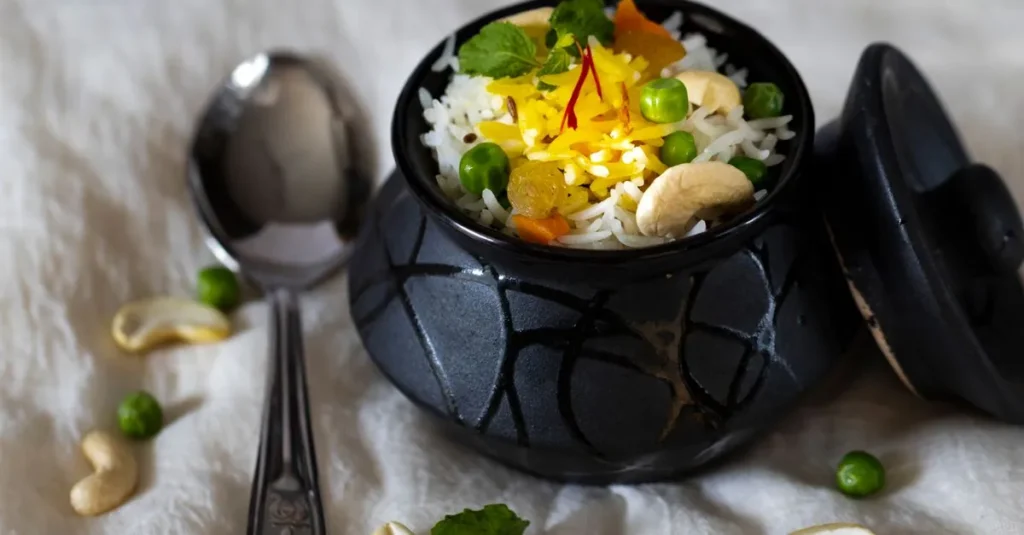
A pcod diet chart for weight loss works best as a repeatable weekly pattern, not a list of foods to fear. PCOD (doctors usually say PCOS) is a hormonal condition in which insulin and appetite can behave differently, so the aim is steady meals, protein at every sitting and slow-digesting carbohydrates in measured portions. Below you will find a seven-day Indian chart, portion guides in grams, easy swaps and fixes for a stalled scale.
Please read first. This chart is general education, not a prescription. If you take medicine for PCOD, diabetes or thyroid, are pregnant or breastfeeding, or have ever had an eating disorder, speak to your doctor or a registered dietitian before changing how you eat. Never change or stop a medicine because of a diet chart.
What should a PCOD diet chart include?
A useful PCOD diet chart has four to five meals or snacks a day, roughly 15 to 25 g of protein at each main meal, half the plate as vegetables, and slow-digesting carbohydrates such as millet rotis or brown rice in measured portions. It keeps calories moderate and avoids crash dieting, which tends to backfire.
Many women with PCOD have some degree of insulin resistance, meaning the body needs more insulin to move sugar out of the blood. Big carbohydrate-only meals can then lead to sharp energy dips and cravings a few hours later. Pairing every carbohydrate with protein, fibre or a little fat slows that swing. If you want the science behind it, our guide to insulin resistance and weight loss goes deeper, and the broader PCOS weight loss diet explains the food principles behind the chart you are about to see.
This plate builder is the template for every main meal.
| Part of the plate | Share | Indian examples | Rough portion |
|---|---|---|---|
| Vegetables and salad | About half | Lauki, bhindi, palak, cabbage, cucumber, tomato | 1 to 2 katoris cooked, or a large bowl raw |
| Protein | About a quarter | Dal, paneer, egg, fish, chicken, sprouts, tofu | Dal 1 katori (about 150 g cooked); paneer 80 to 100 g; 2 eggs |
| Slow carbohydrates | About a quarter | Jowar, bajra or ragi roti, brown rice, millet khichdi | 1 to 2 rotis, or 1 katori (about 150 g) cooked rice |
| Healthy fat | Small | Cold-pressed oil, ghee, nuts, seeds | 1 tsp oil or ghee, or 5 to 6 almonds |
The 7-day PCOD diet chart (Indian, vegetarian-first)
This pcod weight loss diet chart is built for an average adult woman with light daily activity and lands at roughly 1,400 to 1,600 kcal a day. Your own needs depend on height, weight, activity, medicines and goals, so treat the numbers as a starting point. Going below about 1,200 kcal a day is not advised without medical supervision.
| Day | Breakfast | Lunch | Evening snack | Dinner |
|---|---|---|---|---|
| Monday | 2 moong dal chillas with 150 g curd | 2 jowar rotis, 1 katori dal, sabzi, salad | Roasted chana (about 30 g), green tea | Grilled paneer (80 to 100 g) with sauteed vegetables |
| Tuesday | Vegetable oats upma (about 40 g dry oats) and 1 boiled egg or curd | 1 katori brown rice, rajma, cucumber raita | Apple slices with 5 almonds | Palak dal with 1 roti and salad |
| Wednesday | 2 besan chillas with vegetables, mint chutney | 2 bajra rotis, lauki sabzi, 1 katori dal | Roasted makhana (about 25 g) | Grilled or lightly cooked fish (about 120 g) or tofu, stir-fried vegetables |
| Thursday | 2 small ragi dosas with sambar | 1 katori millet or brown rice, beans poriyal, sambar | Buttermilk and a small handful of roasted peanuts | Egg bhurji (2 eggs) or tofu bhurji with 1 roti |
| Friday | Moong sprouts chaat with vegetables, 1 glass milk | Vegetable khichdi (moong dal and millet), curd, salad | 1 guava or small seasonal fruit | Mixed vegetable soup, paneer or chickpea salad |
| Saturday | 2 methi theplas (whole wheat or jowar), 150 g curd | 1 katori brown rice, chana masala, salad | Roasted chana or a few walnuts | Grilled chicken (about 120 g) or paneer tikka with salad |
| Sunday | Paneer bhurji with 1 multigrain roti | Dal, 1 katori brown rice, 2 sabzis, salad | 1 small fruit and 5 almonds | Light moong dal soup and sauteed tofu or vegetables |
How to use the chart. Repeat it for two weeks, then rotate the dals, vegetables and millets. Finish dinner two to three hours before bed. If you are hungry between meals, add vegetables or protein before adding more rice or roti. Eggs, fish and chicken are optional; vegetarians can stay with paneer, dal, sprouts, curd and tofu, and our veg diet chart for weight loss has extra ideas.
Which foods should you swap or limit in PCOD?
For a PCOD diet plan, the simplest rule is to swap refined and sugary foods for fibre-rich, protein-paired versions, rather than banning whole groups. White rice, maida snacks, sweets and sugary drinks are the usual foods to limit; millets, dals, vegetables, nuts and curd do most of the work.
| Instead of | Choose | Why it helps |
|---|---|---|
| White rice in a large heap | 1 katori brown rice or millet, with dal and sabzi | More fibre, slower rise in blood sugar |
| Maida bread, rusk, biscuits | Multigrain roti, besan chilla, roasted chana | More protein and fibre per bite |
| Instant oats with sugar | Rolled or steel-cut oats with nuts and curd | Slower digestion, fewer cravings |
| Fruit juice, cold drinks, sweet chai | Whole fruit, buttermilk, unsweetened tea | Keeps the fibre, cuts liquid sugar |
| Fried namkeen, samosa, pakora | Roasted makhana, peanuts, sprouts chaat | Less reheated oil, more protein |
| Mithai after every meal | A small portion once or twice a week | Keeps the plan realistic |
Foods to avoid in PCOD is a common search, but nothing needs to be gone forever. Sweets, fried food and refined flour should be the exception, not the daily default.
Myth check: five PCOD diet beliefs that slow you down
- “Carbs are banned.” Portion, type and pairing matter. A katori of brown rice with dal and vegetables is very different from a large plate of plain white rice.
- “Skipping meals speeds up fat loss.” Long gaps often lead to cravings and evening overeating.
- “A detox drink or fat burner fixes it.” No drink or powder replaces a balanced chart.
- “Losing weight cures PCOD.” No diet cures PCOD. Losing some weight can ease symptoms such as irregular periods for many women, but PCOD is managed over the long term with medical guidance.
- “Cut dairy, gluten and soy completely.” Unless a doctor has diagnosed an intolerance or allergy, there is usually no need to remove entire food groups.
Why is the scale not moving on my PCOD diet chart?
A stalled scale usually has an ordinary cause: portions creeping up, drinks with sugar, too little protein, short sleep or high stress. Weight can also swing by 1 to 2 kg from water retention around your period. Judge progress over six to eight weeks using weight, waist measurement and energy, not a single day.
Work through this checklist before cutting food further:
- Measure for one week. Use a katori and a kitchen scale.
- Check protein. Many Indian plates are carbohydrate-heavy. Aim for a palm-sized portion of protein at each main meal. A single egg gives about 6 g, 100 g of paneer roughly 18 g and a katori of curd around 5 g.
- Look at sleep and stress. Regularly sleeping under six hours can raise hunger and cravings. A fixed bedtime and wake time helps.
- Do not cut calories harder. A very steep deficit leaves you tired and often ends in a binge.
- Weigh at the same point in your cycle. A few days after your period ends is a fair, repeatable moment.
- Ask about other causes. An under-active thyroid can slow weight loss, so read our note on hypothyroidism and weight loss and ask your doctor whether a check is sensible.
Realistic expectations help. Many women notice better energy and less bloating within three to four weeks, while changes on the scale often take eight to twelve weeks, and some women lose weight more slowly than others. A pace of about 0.25 to 0.5 kg a week is a reasonable, sustainable range for many, though nobody can promise a result. If you want a tighter one-month structure, the guide to PCOS weight loss in 1 month covers it.
How do you adjust the chart for your own routine?
If you eat eggs, fish or chicken: use them on three or four days a week in the 100 to 120 g range, grilled or in a light curry rather than deep fried. Keep paneer and dal on the other days.
If you are strictly vegetarian or vegan: lean on dal, sprouts, chickpeas, rajma, tofu, soya chunks in moderation, curd or milk if you take dairy, and a variety of nuts and seeds. Pair pulses with a cereal for a better amino acid mix.
If you work in an office: pack the evening snack the night before, such as roasted chana or makhana, so the canteen samosa does not decide for you. Ask for roti and dal rather than a rice-heavy combo.
If cravings rise before your period: many women with PCOD feel stronger sugar cravings in the week or two before their period. Plan one small treat, such as a date or a square of dark chocolate, so the craving does not turn into a binge. If your cycles are very irregular, mention it to your doctor.
Do exercise, sleep and stress support belong in a diet chart?
Yes. Food is only one lever. Regular strength training, brisk walking and enough sleep improve insulin sensitivity in many women, and they make a calorie-moderate chart easier to follow. Start with what you will repeat: a 30-minute walk or two short strength sessions a week.
If you like guided movement, our online yoga classes and online Zumba classes are low-pressure ways to stay active, and 1-on-1 personal training suits you if you want strength work built around your own schedule and limits. Build up gradually, and speak to your doctor if exercise causes pain or dizziness.
When should you see a doctor or dietitian first?
See your doctor or a registered dietitian before starting this or any PCOD diet chart if you have diabetes or prediabetes, thyroid disease, high blood pressure, kidney or liver problems, or a history of disordered eating. The same applies if you are pregnant, trying to conceive, breastfeeding, or on any medicine.
Book a medical check promptly if:
- Your periods have been absent for several months, or are very heavy or painful.
- You are gaining or losing weight rapidly without changing your food.
- You feel dizzy, weak, or constantly exhausted on the chart.
- You feel anxious about food or find yourself restricting or bingeing.
Treatment for PCOD is individual. The right plan depends on your reports and symptoms, and only your doctor can advise on medicines and supplements. A one-to-one session with an online nutritionist consultation can help tailor the chart alongside your doctor’s advice, not instead of it.
Frequently asked questions
Can I lose weight with a PCOD diet chart without exercise?
Some women do lose weight through food changes alone, but progress is usually slower and harder to keep. Even a daily 30-minute walk alongside the chart is a realistic start.
How much weight can I lose in a month on a PCOD diet chart?
For many women a sustainable pace is about 0.25 to 0.5 kg a week, so roughly 1 to 2 kg a month, and some lose less at first. If the scale is stuck for six to eight weeks, review portions, sleep and medical factors.
Can I eat rice and roti on a PCOD diet?
Yes, in measured portions. Choose millet or whole-grain rotis and brown rice where you can, keep to about one katori (150 g cooked) of rice or one to two rotis per meal, and always eat them with dal, vegetables or another protein.
Should I take supplements or drinks to speed up PCOD weight loss?
Do not use supplements or detox drinks as a shortcut. Some supplements are discussed for PCOD, but whether any is suitable, and at what amount, is a decision for your doctor based on your reports. Food, sleep and movement come first.
Can I follow this PCOD diet chart if I am vegetarian?
Yes. The chart is vegetarian-first, and egg, fish and chicken are only optional swaps. Rely on dal, paneer, curd, sprouts, tofu and legumes to reach about 15 to 25 g of protein at each main meal, and ask a dietitian to check your overall intake.
Want this chart adjusted to your reports, food habits and schedule? Start your online weight loss coaching plan and a Fitstrot trainer will build and revise a PCOD-friendly plan around how your body responds.


