
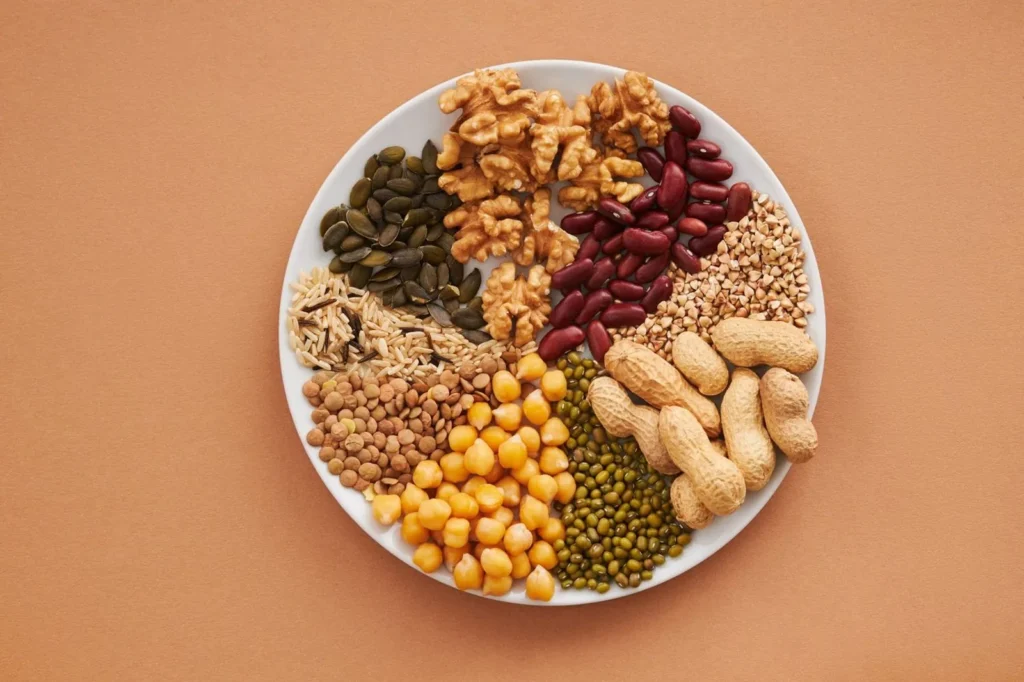
Questions about nutrition and cancer come wrapped in fear, forwarded WhatsApp “cures” and advice from every relative. Here is the honest version. No food, juice or supplement treats or cures cancer, and no diet can promise that you will never get it. What good eating can do is help you stay strong, cope with treatment side effects and recover. This guide covers general healthy eating and practical eating during treatment, using Indian foods and everyday quantities. It supports your oncology team’s advice and never replaces it.
Please read this first. If you or someone in your family has a cancer diagnosis, your oncologist and a registered oncology dietitian decide what you should eat. Needs differ by cancer type, treatment, blood reports and other conditions such as diabetes or kidney problems. Do not start a restrictive diet, a fast, or any supplement or herbal product without asking them. Use this article to prepare better questions for your appointments, not to overrule your plan.
Can food prevent or treat cancer?
No. No single food, drink or supplement has been shown to treat or cure cancer, and no eating pattern can guarantee that someone will never develop it. Food supports the body: it helps maintain weight, muscle and energy, and helps people cope with treatment. Treatment decisions belong to the oncology team, and nutrition works alongside them, never instead of them.
That does not make everyday eating unimportant. Health agencies broadly agree on the same habits that protect the heart and blood sugar: plenty of vegetables, fruit, whole grains and pulses, limited alcohol, limited processed meats and a steady body weight.
Myths about nutrition and cancer worth dropping
These are the claims we hear most often, and what to do instead.
- “Sugar feeds cancer, so cut out all sugar and carbs.” Every cell in the body, healthy or not, uses glucose. Cutting out all sugar or all carbohydrates does not starve a tumour, and it can leave you underfed at a time you need energy.
- “Fasting, juice cleanses or extreme diets help treatment.” There is no reliable evidence that they do, and they can cause weight and muscle loss. Fasting during treatment should only happen after talking to your team.
- “Alkaline water, wheatgrass, bitter gourd juice or haldi shots can cure it.” They cannot. Turmeric in your daily sabzi is fine. Concentrated supplements and herbal products are a different matter, because some can interfere with treatment. Show your team every product you take.
- “Avoid milk, eggs and protein because they feed the disease.” Protein is usually needed more during treatment, not less, unless your team says otherwise for a specific reason.
How is eating during treatment different from everyday healthy eating?
Everyday healthy eating aims at long-term health: more vegetables, whole grains and pulses, fewer processed foods. During treatment the aim shifts to keeping up weight, muscle and strength, so protein and calorie needs are often higher, meals smaller and more frequent, and some usual rules, like high fibre or raw salads, may be relaxed. Your team sets the exact plan.
| Aspect | Everyday healthy eating | During treatment (team-guided) |
|---|---|---|
| Main aim | Long-term health and a steady weight | Keep weight, muscle and energy; tolerate treatment |
| Calories | Matched to your activity and weight goal | Often higher; preventing unintended weight loss is a priority |
| Protein | Roughly 0.8 to 1 g per kg body weight for most healthy adults | Often higher; the exact target comes from your dietitian |
| Meal pattern | Three meals and one or two snacks | Six or seven small meals and snacks, eaten by the clock |
| Fibre and raw salads | Encouraged | May be reduced if you have diarrhoea, mouth sores or low immunity |
| Food safety | Normal hygiene | Stricter, especially when blood counts are low |
| Weight loss | Can be a planned goal | Not a goal unless your oncologist specifically advises it |
How can you eat when you have no appetite?
Eat small portions every two to three hours instead of three big meals, and start with protein. Aim for about six small meals or snacks a day, fortify familiar foods with a spoon of ghee, milk powder or nut butter, sip fluids between meals, and tell your care team if your weight keeps falling.
Here is a simple walkthrough you can follow on a low-appetite day.
- Eat by the clock, not by hunger. Set reminders every two to three hours. Waiting until you feel hungry often means waiting all day.
- Use your best hours. Many people feel most hungry in the morning. Make that the biggest meal.
- Protein first. Take a few bites of egg, dal, paneer, curd or fish before rice or roti fills you up.
- Fortify instead of adding volume. Stir a teaspoon of ghee into khichdi, milk powder into porridge or kheer, and ground nuts into milk or curd. You raise calories and protein without a bigger plate.
- Drink between meals. Liquids with meals can fill you up too quickly, so sip water, buttermilk, coconut water or soup between meals unless your team asks you to drink differently.
- Keep easy food in sight: roasted makhana, curd, a boiled egg or soaked almonds.
- Weigh yourself weekly on the same scale and share the number with your team.
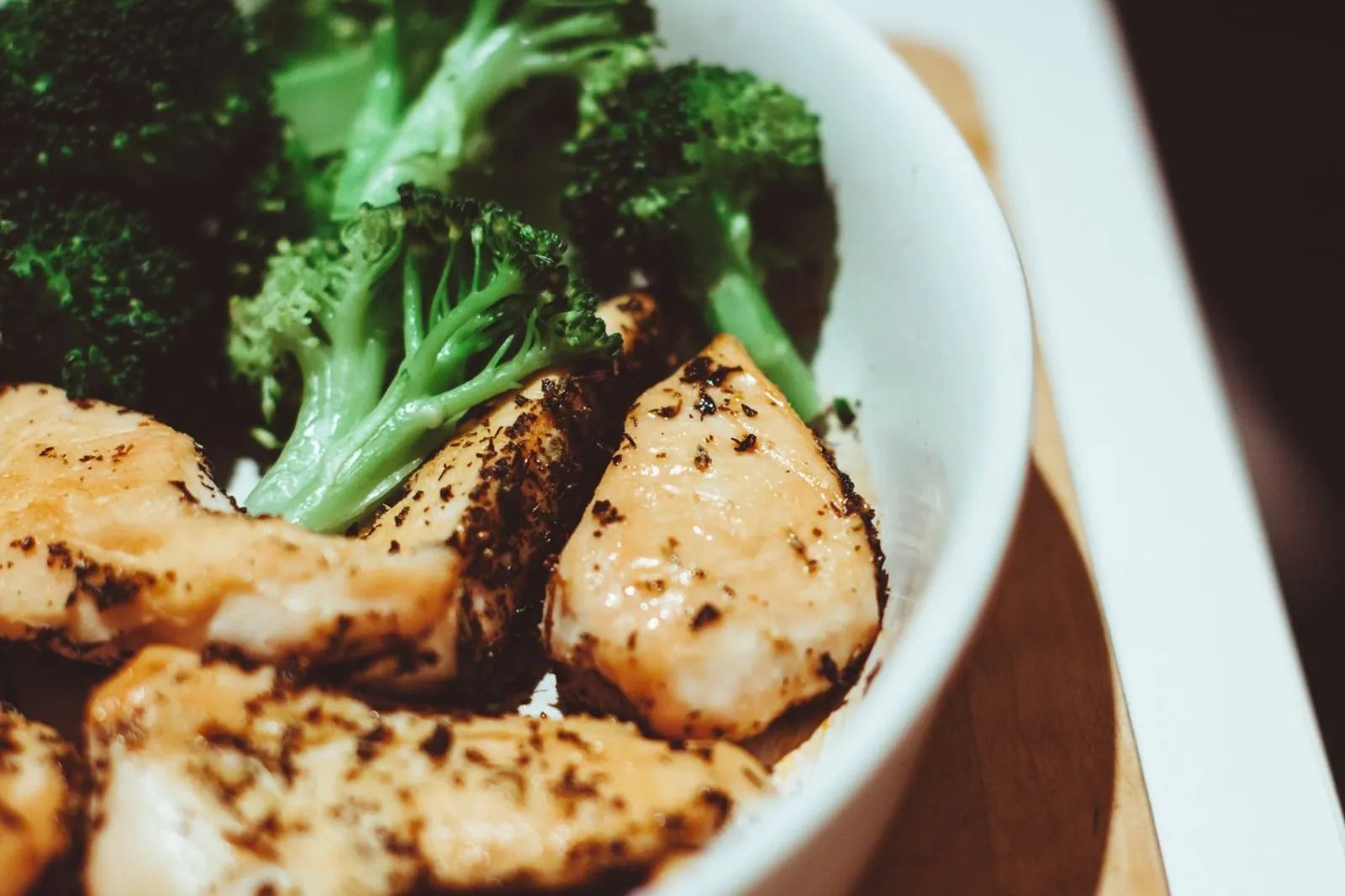
Troubleshooting side effects: what to try at the table
Side effects differ by person and treatment. These are common starting points that dietitians suggest, alongside medicines and your team’s advice, not in place of them.
| Problem | Food and habit ideas that often help | Call your team if |
|---|---|---|
| Nausea | Cool or room-temperature foods with little smell: curd rice, plain khichdi, dry toast, khakhra, banana. Avoid fried, very spicy and strongly scented dishes. | You cannot keep fluids down, or vomiting continues |
| Metallic or changed taste | Try plastic or wooden cutlery, tart or cold foods like chilled fruit, and lemon or herbs for flavour. Eggs, paneer or milk can replace meat if meat tastes off. | Eating has become very limited for several days |
| Mouth sores or sore throat | Soft, cool, mild foods: curd, mashed potato, banana, dalia, soft khichdi, smoothies. Avoid very hot, spicy, sour or crunchy foods. | Pain stops you eating or drinking |
| Constipation | Fluids through the day, cooked vegetables, papaya, oats or dalia, added slowly as your team allows. | No motion for several days, or severe pain. Do not take laxatives without asking. |
| Loose motions | Small, frequent meals; banana, plain rice, curd or buttermilk if tolerated; sip fluids often. Go easy on very oily food and raw salads. | It lasts more than a day, or you feel dizzy or very weak |
| Feeling full quickly | Very small portions of calorie-dense foods: nut butter on toast, paneer cubes, milkshakes, soups with dal blended in. | Weight keeps dropping |
What does a day of small, protein-rich Indian meals look like?
A treatment-friendly day can have six to seven small meals giving about 1,600 kcal and roughly 60 to 70 g of protein, built from eggs, dal, curd, paneer, milk and khichdi. These are illustrative numbers only. Your dietitian sets your real targets from your weight, treatment and blood reports.
| Time | Meal | About kcal | About protein (g) |
|---|---|---|---|
| 7:30 am | Warm milk (200 ml) with a few ground almonds | 170 | 8 |
| 9:30 am | Vegetable poha with peanuts and 1 boiled egg | 330 | 13 |
| 11:30 am | 1 katori curd (100 g) with a banana | 150 | 4 |
| 1:30 pm | 2 phulkas, 1 katori dal, 1 katori cooked vegetables, 1 tsp ghee | 375 | 15 |
| 4:30 pm | Paneer bhurji made with 50 g paneer | 150 | 9 |
| 7:30 pm | 1.5 katori moong dal khichdi with 1 tsp ghee | 330 | 11 |
| 9:30 pm | Milk (200 ml), plain or lightly sweetened | 130 | 7 |
| Total | about 1,635 | about 67 |
Vegetarian already? This plan works as written; swap the egg for an extra katori of curd or another glass of milk if you avoid eggs. Portions are estimates. If a food does not appeal today, swap it for a similar one rather than skipping the slot.
Food safety when your immunity is low
Some treatments lower the body’s defence against infection for a period. Your team will tell you when this applies; kitchen precautions matter more then.
- Wash hands before cooking and eating, and keep raw and cooked foods apart.
- Eat freshly cooked, hot food. Refrigerate leftovers within a couple of hours and finish them within a day.
- Boil milk, and choose packaged or home-cut fruit that you have washed well or peeled yourself.
- Skip street food, raw sprouts and pre-cut fruit from roadside stalls until your team says your counts have recovered.
Tips for caregivers and Indian families
In many homes love is expressed through food, which can turn mealtimes into pressure. A few gentler habits help.
- Do not force or bargain. Offer small portions and let the person decide. Pressure usually reduces appetite further.
- Cook in batches on good days, so there is soft, ready food on bad ones.
- Keep a simple log of what was eaten, weight, and symptoms, and bring it to appointments.
- Be wary of home remedies pressed on you by well-wishers.
- Ask about fasting days. If your family observes vrat, roza or other fasts, discuss with the team and dietitian before taking part during treatment.
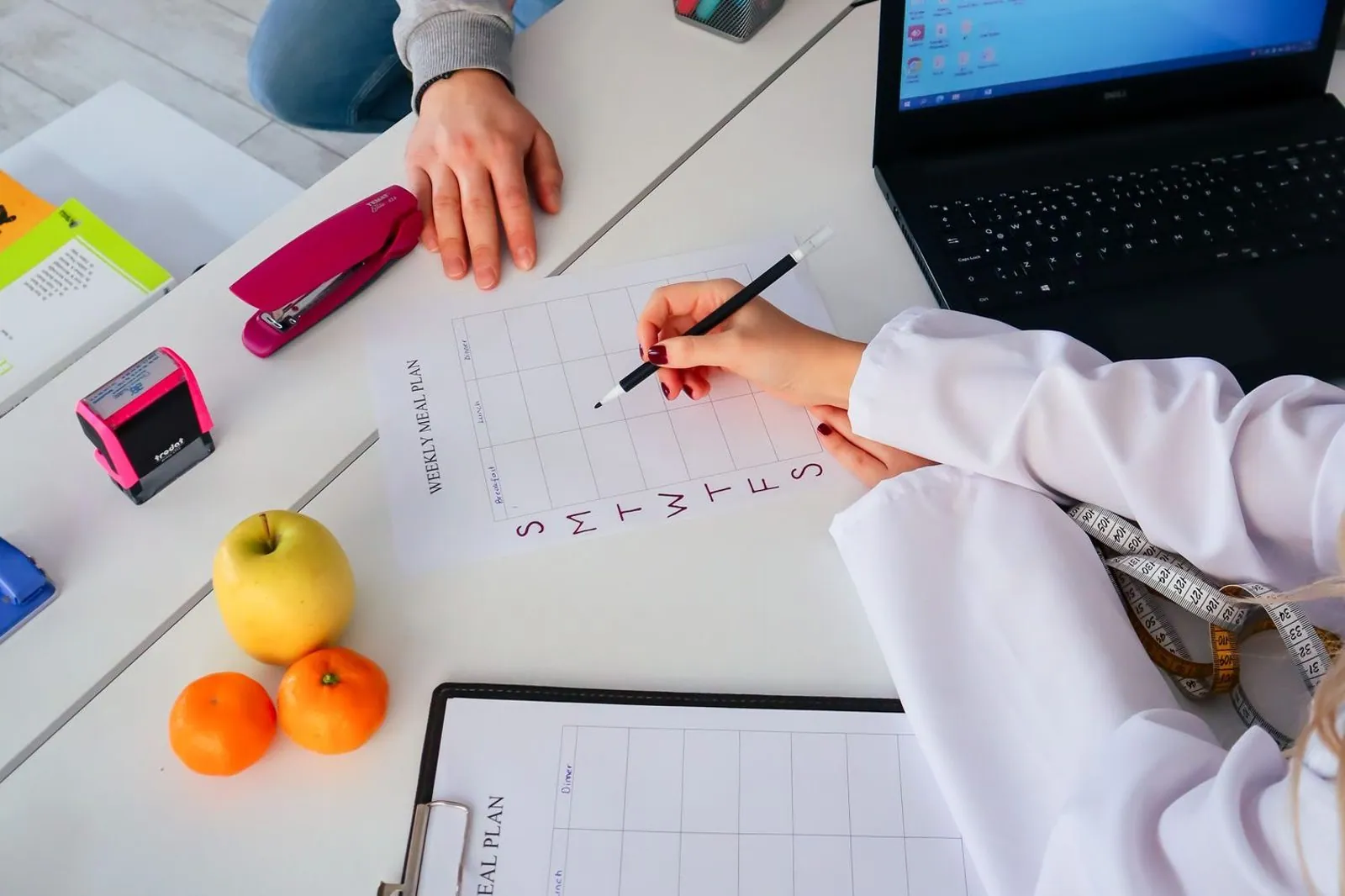
After treatment and for everyone else: a plain healthy-eating plate
Once treatment ends, appetite and taste can take weeks to settle, so return to everyday habits at the pace your dietitian suggests. The same general habits suit the whole family.
- Fill half your plate with vegetables and a little fruit. Add dal, rajma, chana or sprouts as one quarter, and whole grains such as roti, millets or brown rice as the other. Our guide to fibre-rich foods shows how to raise intake gradually.
- Keep protein regular. The protein and nutrition guide explains how needs change with age and health conditions.
- Limit alcohol, ideally to none, and go easy on processed meats like sausages and salami. Alcohol also strains the liver; see liver and nutrition.
- Watch blood sugar and weight. If you also live with diabetes, diabetes and nutrition covers how to balance both.
- Check for tiredness that seems out of proportion. Low iron is common and treatable; nutritional anemia explains the signs to raise with your doctor.
- Move gently, with permission. Short walks and beginner-level online yoga classes are popular for fatigue, but ask your oncologist what is safe at your stage.
When to see your oncologist or dietitian
Do not wait for the next scheduled visit. Contact your oncology team or registered dietitian promptly if:
- your weight is dropping without trying, or clothes are suddenly loose;
- you cannot eat or drink for a day, or vomiting stops you keeping fluids down;
- loose motions, constipation or mouth sores are getting in the way of eating;
- you feel dizzy, very weak or feverish;
- you want to start a new diet, fast, supplement, juice regime or herbal product;
- you have another condition, such as diabetes or kidney disease, that changes what is safe to eat.
Never change or stop any medicine because of something you read online, including this page.
Frequently asked questions
Which foods should I avoid during cancer treatment?
There is no single list, because it depends on your treatment and side effects. Common cautions include undercooked eggs and meat, unpasteurised milk, street food and raw sprouts when immunity is low, and very spicy or oily food if you have nausea or mouth sores. Your dietitian will personalise this.
Can cancer patients eat eggs, milk, paneer and non-vegetarian food?
Usually yes, provided they are fresh, well cooked and pasteurised, and your team has not advised otherwise. These foods supply protein and calories that many people struggle to get during treatment. Avoid raw or runny eggs and undercooked meat or fish when your immunity is low.
Does sugar feed cancer cells?
All cells use glucose, so cutting sugar does not starve a tumour. Very sugary foods add calories without much nutrition and can affect weight and blood sugar, so keep sweets modest. Do not cut out rice, roti or fruit on your own.
Should I take turmeric or other supplements during treatment?
Ask your oncologist first. Turmeric as a cooking spice is fine, but concentrated supplements, herbal powders, antioxidant pills and high-dose vitamins can interact with some treatments. Bring the bottles or a list to your appointment so your team can check each one.
How much protein do I need during treatment?
Healthy adults usually need roughly 0.8 to 1 g of protein per kg of body weight a day, and needs are often higher during treatment. The right target depends on your weight, treatment and blood reports, so ask your oncology dietitian for a number instead of guessing.
Next step: If you want help turning your team’s advice into a daily Indian meal plan, book an online nutritionist consultation and bring your oncologist’s notes with you. It complements, and never replaces, your oncology care.


