
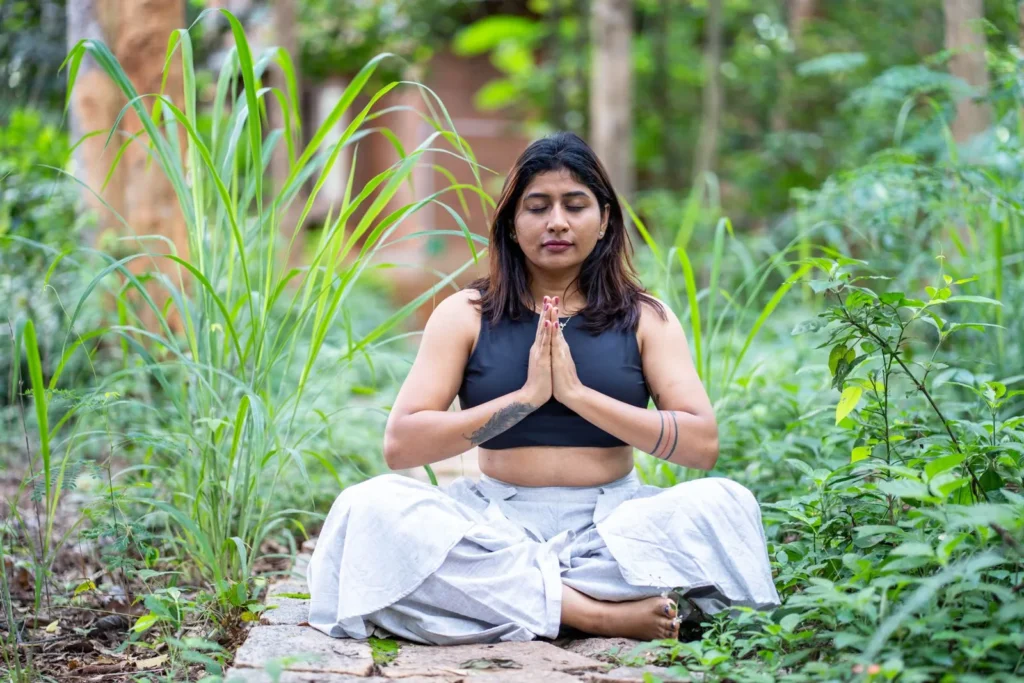
You can see the importance of yoga on an ordinary Tuesday: a long commute, eight hours at a screen, a stiff lower back and a mind that will not switch off at night. Yoga works on movement, breath and attention together, so one short session touches all three problems. This guide explains what regular practice can realistically do, who gains the most, and what the first month should look like, without promising miracles.
Why Does Yoga Matter More in Modern Life Than Before?
Yoga matters in modern life because most of us sit for long hours, breathe shallowly under pressure and rarely pause. A practice of 15 to 20 minutes combines gentle movement, slow breathing and focused attention, which gives the body a deliberate way to slow down. It works as a daily reset rather than a cure for anything.
Picture a typical day for an urban Indian professional or student: early start, traffic, a laptop, a phone in hand until midnight. The body adapts by tightening the neck, shoulders and hips, and the breath turns quick and shallow. Yoga does not remove the workload, but it trains you to notice that tension and release it before it piles up. Over weeks, many people find they recognise stress earlier and recover from it a little faster, and a breath-led session such as online yoga for stress relief is a good place to begin on heavy days.
The value is quiet: less about an impressive pose, more about one reliable habit that interrupts the day’s momentum. If you want the full catalogue of physical and mental gains, our guide to the benefits of yoga lists them in detail; this page stays focused on why they matter and how to set realistic expectations.
What Can Yoga Realistically Do, and What Can It Not?
Regular yoga, practised three to four times a week, can improve flexibility within about 3 to 6 weeks, ease everyday stiffness and help you wind down in the evening. It cannot replace medical treatment, build large muscle mass or deliver fast weight loss. Treat it as a supportive habit with honest limits.
The table below sets out what to expect, roughly when, and where the limits sit. Timeframes are typical ranges for beginners and vary from person to person.
| Area | What regular practice can do | Typical timeframe | Honest limit |
|---|---|---|---|
| Flexibility | Easier forward folds, looser hips and shoulders | 3 to 6 weeks at 3+ sessions a week | Tissue changes slowly; forcing it causes strain |
| Stress and mood | Calmer breathing, a way to settle after a hard day | Often noticeable within the first few sessions | Supports, but does not replace, professional help for anxiety or low mood |
| Sleep | Easier wind-down when done 30 to 45 minutes before bed | 2 to 4 weeks | Will not fix sleep problems with a medical cause |
| Strength | Better bodyweight strength in core, legs and shoulders | 4 to 8 weeks | Not enough alone for big muscle gain |
| Desk stiffness | Less tightness in neck, upper back and hips | 2 to 4 weeks | Persistent or radiating pain needs a doctor first |
| Body weight | Small contribution to energy burn, plus more mindful eating for some | Slow and gradual | Food and overall activity drive weight, not gentle yoga alone |
Notice what the table does not claim: that yoga lowers blood pressure, balances hormones or treats a condition. If you live with a health condition, treat yoga as an addition to your doctor’s plan, never a substitute.
Who Benefits Most From Yoga?
People who sit for long periods, feel mentally stretched, are returning to exercise or want a joint-friendly routine tend to benefit most from yoga. Poses can be scaled with props and a smaller range of motion, so the practice suits beginners, older adults and busy professionals alike.
| Who you are | Why yoga fits | Good starting style | Watch out for |
|---|---|---|---|
| Desk worker | Counters hours of sitting and shallow breathing | Gentle hatha yoga, 15 minutes | Deep backbends if your lower back is sore |
| Student | A short break from screens, a breathing reset before exams | Five minutes of slow breathing plus easy stretches | Treating it as one more thing to be perfect at |
| Adult over 50 | Builds balance and joint mobility at a low impact | Chair or wall-supported hatha | Balance poses without a wall or chair nearby |
| Gym-goer or runner | Better hip and hamstring mobility, calmer recovery days | Yin yoga or restorative sessions | Pushing deep stretches on tired, sore muscles |
| Beginner returning after a long gap | Easy to scale up slowly | Beginner online class with live feedback | Doing too much in week one |
| Anyone with an injury, pregnancy or medical condition | Adaptable with the right guidance | Teacher-led, modified sessions | Starting without clearance from your doctor |
Desk workers with a sore lower back can start with our guide to yoga for back pain, while those who feel more mentally wound up than physically stiff may prefer online yoga for mental wellness.
Is Yoga Not a Real Workout? Three Myths Corrected
Yoga is a real workout when the style matches your goal: vinyasa and ashtanga raise the heart rate and build stamina, while yin and restorative classes focus on mobility and calm. The myth is that all yoga is gentle stretching. The reality is that intensity depends on the style and the pace.
Myth 1: you must be flexible to begin. Flexibility is an outcome of practice, not an entry ticket. Blocks, straps and bent knees let every body take a pose at its own depth.
Myth 2: yoga is only for relaxation. Holding a plank, a chair pose or a long warrior sequence demands real muscular effort. Faster styles such as vinyasa yoga link poses with breath and keep you moving, and ashtanga yoga follows a fixed, demanding sequence that builds stamina over months.
Myth 3: yoga replaces all other exercise. Yoga is excellent for mobility, balance and nervous system calm, but if your goal is significant muscle gain or sustained cardio fitness, pair it with resistance training and brisk walking, cycling or dance. They complement each other.
How Much Yoga Is Enough to Notice a Difference?
Most beginners notice small changes with 15 to 20 minutes of yoga, three to four days a week, over roughly 3 to 4 weeks. Short, regular sessions usually beat one long weekend class because the body adapts through repetition.
Here is a simple four-week starter plan. Adjust the pace if anything feels sharp or painful; stop and rest rather than pushing through.
| Week | Sessions | Length | Focus | What to include |
|---|---|---|---|---|
| 1 | 3 | 15 min | Breath and basics | Mountain pose, cat-cow, child’s pose, 3 to 5 minutes of slow nose breathing |
| 2 | 3 to 4 | 20 min | Standing foundations | Add warrior one, warrior two and downward dog; hold each for 5 slow breaths |
| 3 | 4 | 20 to 25 min | Balance and gentle twists | Add tree pose near a wall, seated twist and standing forward fold |
| 4 | 4 | 25 to 30 min | Flow and wind-down | Link poses slowly, finish with legs-up-the-wall and 5 minutes of stillness |
Practise in the morning if stiffness is your main problem, or in the evening to unwind; the best time is the one you will repeat. A mat and a quiet corner are enough, and online yoga classes can replace a studio visit.
Why Am I Not Feeling Any Benefit? Troubleshooting Common Problems
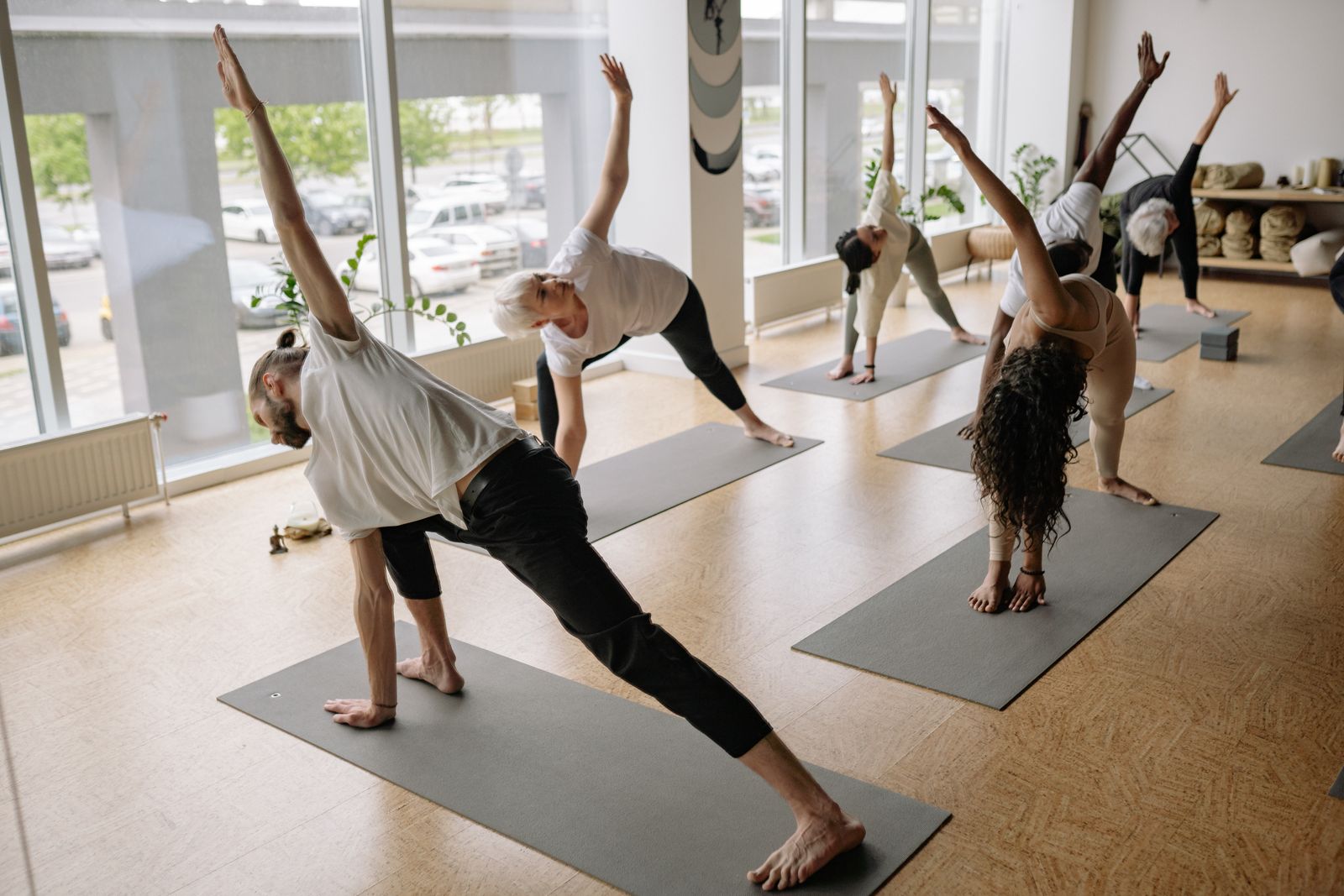
If yoga is not helping after three to four weeks, the usual causes are inconsistent practice, too much intensity, rushing through poses or holding the breath. Fix frequency first, then slow down and breathe through each pose. Most beginners improve once they practise three times a week and stop chasing deep shapes.
- You practise once a week. A single weekly session rarely changes stiffness. Move to three shorter sessions, even if each is only 12 to 15 minutes.
- You stretch to the edge of pain. A good stretch feels like mild tension, not sharp or burning pain. Back off by a third and breathe.
- You hold your breath. If you cannot breathe smoothly in a pose, it is too deep. The breath is what separates yoga from plain stretching.
- You expect instant results. Calmer evenings may show up in week one; flexibility and strength take longer. Rate how you feel from 1 to 5 after each session.
- You picked the wrong style. A fast class on a stressful day can add stress. Go slower when tired and faster when energetic.
- Pain that lingers or spreads. Numbness, tingling or pain travelling down a limb means pause and see a doctor.
What Is the Importance of Yoga Asanas Within the Whole Practice?
Asanas, the physical postures, matter because they prepare the body and settle the mind for breathing and meditation practices. They are one part of a wider system, not the whole of yoga. Strong, supple hips and a steady spine make longer seated stillness comfortable, which is why postures usually come first.
In classical yoga, asana sits beside ethical guidelines, breath control and meditation as one limb of a broader path. That wider picture explains why a class can feel mental as much as physical. If you want to understand the roots of the word and how the traditional definitions differ, read our explainers on yoga meaning and yoga definition, and the beginner overview what is yoga.
How Do You Write About the Importance of Yoga in an Essay or Speech?
For an essay or speech on the importance of yoga, open with a one-line definition, give two or three clear benefits with everyday examples, mention International Yoga Day, and close with a call to practise. For a 150-word version, limit yourself to three points: physical health, mental calm and easy access.
A letter to a friend works the same way: a warm opening, one personal example such as feeling less stiff after desk work, two benefits in plain language, and an invitation to try a beginner class together. A single honest example persuades more than ten generic benefits.
International Day of Yoga is observed on June 21 each year. The United Nations General Assembly adopted a resolution proposed by India on December 11, 2014, and the first observance took place on June 21, 2015. June 21 is the summer solstice in the northern hemisphere, a date with symbolic weight in Indian tradition. It is used for free community classes, school programmes and workplace drives.
When Should You Check With a Doctor Before Starting Yoga?
Check with a doctor before starting yoga if you are pregnant, recovering from surgery or injury, or living with conditions such as high blood pressure, heart problems, glaucoma or severe osteoporosis. Some poses and breathing practices may need modification or avoidance, and a qualified teacher can adapt a class once they know your situation.
Tell your instructor about any pain or medical history before class, and stop if a pose causes sharp pain, light-headedness or breathlessness.
Frequently Asked Questions About the Importance of Yoga
What is the main importance of yoga?
The main importance of yoga is that it trains body, breath and attention together in one low-impact routine. Regular practice can improve flexibility and everyday strength while giving you a dependable way to slow down and manage stress, using little more than a mat and 15 to 20 minutes.
How many minutes of yoga per day are enough?
For most beginners, 15 to 20 minutes, three to four days a week, is enough to start noticing changes in stiffness and calm within about 3 to 4 weeks. Regular short sessions usually work better than an occasional long one. Build up to 30 minutes only if it feels comfortable.
Can yoga replace gym workouts or running?
Yoga can cover flexibility, balance, core control and relaxation, but it is not a full substitute for resistance training or sustained cardio if you want large muscle gain or endurance. Most people do best combining two or three yoga sessions with other exercise through the week.
Do I need to be flexible to start yoga?
No. Flexibility is something yoga develops over time, not a requirement for starting. Beginner classes are designed for tight hips and stiff shoulders, and props such as blocks, straps and a chair let you take every pose at a comfortable depth while your range gradually improves.
What is the significance of International Yoga Day?
International Yoga Day, held every June 21 since 2015 after a United Nations resolution proposed by India, raises awareness of yoga worldwide. It is marked with free community classes, school events and workplace sessions, which makes the practice easier to try for people with no prior exposure.
Turn this reading into a habit this week. Book a beginner session with Fitstrot’s online yoga classes and a live instructor will set your pace, check your alignment and plan your first four weeks with you.


