

If you are searching how to lose 2kg in a week, you deserve a straight answer before a meal plan: yes, the scale can drop 2 kg in seven days for most adults above about 70 kg — but only around a quarter to a third of that is body fat. The rest is glycogen, the water bound to it, sodium-driven fluid and food sitting in your gut. This guide gives you the day-by-day numbers, the honest composition split, and the point at which pushing harder stops being a diet and starts being a health risk.
Everything below is built around an Indian kitchen — roti, dal, dahi, sabzi, paneer, rajma — and targets you can hit without imported ingredients or a ₹15,000 supplement stack.
Can you really lose 2 kg in a week, or is that marketing?
You can lose 2 kg of scale weight in a week with a 600–750 kcal daily deficit, a carbohydrate drop and lower sodium — but only about 0.5–0.7 kg of that is fat. The CDC recommends losing 1–2 pounds (0.45–0.9 kg) weekly, and Mayo Clinic puts the safe range at 0.5–1 kg per week from a 500–750 kcal daily deficit. A 2 kg scale drop is therefore normal in week one and not repeatable in week four.
The reason week one looks dramatic is chemistry, not fat oxidation. Whole-body glycogen is roughly 600 g — about 500 g in muscle and 80 g in the liver — and each gram of glycogen is stored with at least 3 g of water. Cut your carbohydrate intake by half for five days and you will shed a few hundred grams of glycogen plus close to a kilogram of the water it was holding. That water comes straight back the day you eat a normal biryani. It is not failure — it is just not fat.
So the honest framing is this: a 2 kg week is achievable, useful as a psychological starting push, and completely unsustainable as a weekly average. The CDC’s own guidance notes that people who lose weight at a gradual, steady pace are more likely to keep it off than people who lose it faster.
The 2 kg breakdown: what is water, what is glycogen, what is actually fat
This is the table most “lose 2 kg in a week” articles refuse to publish, because it makes the number look smaller. It is also the table that stops you panicking in week two when 1 kg reappears overnight.
| Component | Typical amount | Share of the 2 kg | Comes back when you stop? |
|---|---|---|---|
| Muscle and liver glycogen plus its bound water | 0.8–1.2 kg | 40–55% | Yes — within 2–4 days of normal carbs |
| Extra fluid released by lower sodium and lower food volume | 0.3–0.5 kg | 15–25% | Yes — within 24–48 hours |
| Undigested food and waste in the digestive tract | 0.2–0.4 kg | 10–20% | Yes — same day |
| Actual body fat | 0.5–0.7 kg | 25–35% | No — this is the part you keep |
The fat figure is not a guess. Roughly 7,700 kcal sit in a kilogram of body fat. A 650 kcal daily deficit for seven days accumulates about 4,550 kcal — around 0.59 kg of fat. Every honest 7-day plan lands in that 0.5–0.7 kg window. Anything claiming “2 kg of pure fat in 7 days” is either using a 2,000 kcal daily deficit, which is unsafe for almost everyone, or is simply lying.

Day-to-day noise matters too. Cleveland Clinic notes that normal daily body-weight fluctuation is about 2–3 lb (roughly 1–1.4 kg) in either direction — nearly the size of your entire weekly goal. Weigh at random times and you simply cannot see progress through the noise, which is why the plan below fixes a weighing protocol.
The 7-day plan: calories, protein, steps and expected scale movement by day
This is the operational core. The numbers assume a 75 kg adult with a maintenance requirement of roughly 2,200 kcal — a moderately active desk worker who trains three or four times a week. Adjustments for other body weights follow the table.
| Day | Calories (kcal) | Protein (g) | Carbs (g) | Steps | Training | Expected cumulative scale change |
|---|---|---|---|---|---|---|
| Day 1 (Mon) | 1,600 | 120 | 150 | 8,000 | 30-min brisk walk | −0.3 kg |
| Day 2 (Tue) | 1,550 | 120 | 130 | 9,000 | Full-body strength, 40 min | −0.7 kg |
| Day 3 (Wed) | 1,500 | 125 | 110 | 10,000 | Zumba or cardio, 45 min | −1.1 kg |
| Day 4 (Thu) | 1,550 | 120 | 120 | 10,000 | Yoga and mobility, 30 min | −1.4 kg |
| Day 5 (Fri) | 1,500 | 125 | 110 | 11,000 | Full-body strength, 40 min | −1.6 kg |
| Day 6 (Sat) | 1,550 | 120 | 120 | 11,000 | Brisk walk or cycle, 45 min | −1.8 kg |
| Day 7 (Sun) | 1,600 | 120 | 140 | 8,000 | Light yoga or full rest | −2.0 kg |
Read the last column carefully. The drop is front-loaded: roughly 1.1 kg is gone by Wednesday, and the final four days produce only 0.9 kg between them. That shape is the signature of water leaving first and fat leaving slowly — it is exactly what the composition table predicts, and it is why Thursday and Friday feel like the plan has “stopped working” when it has not.
Average intake across the week is about 1,550 kcal, a deficit of roughly 650 kcal per day. That sits inside Mayo Clinic’s recommended 500–750 kcal daily deficit for losing 0.5–1 kg a week, and close to the NHS position that cutting around 600 kcal a day from a 2,000 kcal (women) or 2,500 kcal (men) baseline is a safe and sustainable approach.
Adjusting the numbers for your own body weight
- Under 60 kg: do not copy these calories. Use 1,300–1,400 kcal and expect 1.2–1.5 kg, not 2 kg. Lighter bodies hold less glycogen, so the water component is smaller.
- 60–75 kg: follow the table as written.
- 75–90 kg: add 150–200 kcal per day and 1,000 steps. A 2–2.4 kg week is realistic.
- Above 90 kg: add 300 kcal per day. Week-one drops of 2.5–3 kg are common and still mostly water. See our breakdown of a longer runway in 10 kg weight loss in 1 month.
The protein column never drops below 120 g — that is deliberate. A systematic review of protein intake and muscle mass found that intakes of 1.6 g per kg of body weight per day or higher, combined with resistance training, produced significant gains in lean mass in adults under 65. In a deficit, that same intake is what protects the muscle you already have. For a 75 kg adult, 1.6 g/kg is 120 g — hence the floor.

The step targets are doing real work. Going from 5,000 to 10,000 steps a day adds roughly 250–350 kcal of expenditure for a 75 kg adult — a third of your deficit, without touching a single meal. WHO recommends at least 150 minutes of moderate-intensity physical activity per week, and this plan comfortably clears that through walking alone.
How to lose 2kg in a week diet plan: the Indian food-by-food numbers
A 1,500–1,600 kcal Indian day with 120 g of protein is tight but doable. The constraint is not calories — it is protein density. Standard home food runs high in carbohydrate and fat and low in protein, so build each meal around a protein anchor first, then fit roti or rice around it.
| Food (household portion) | Portion size | Protein (g) | Calories (kcal) |
|---|---|---|---|
| Grilled chicken breast | 150 g cooked | 46 | 250 |
| Whey protein (optional) | 1 scoop, 30 g | 24 | 120 |
| Paneer, low-fat | 100 g | 18 | 180 |
| Soya chunks, cooked | 30 g dry weight | 15 | 105 |
| Eggs, whole | 2 large | 12 | 155 |
| Rajma curry | 1 katori, 150 g | 9 | 180 |
| Toor dal, cooked | 1 katori, 150 g | 7 | 120 |
| Roti, whole wheat, no ghee | 2 rotis, 60 g atta | 7 | 200 |
| Sprouted moong | 1 katori, 100 g | 7 | 100 |
| Curd (dahi), low-fat | 1 katori, 150 g | 5 | 90 |
| Mixed sabzi, minimal oil | 1 katori, 150 g | 3 | 80 |
| Rice, cooked | 1 katori, 150 g | 4 | 200 |
A worked vegetarian day at ~1,550 kcal and 122 g protein: two eggs and a katori of sprouted moong at breakfast (19 g); 100 g paneer, two rotis and sabzi at lunch (28 g); curd plus 30 g whey mid-afternoon (29 g); rajma, one roti and salad at dinner (16 g); a second paneer serving closes the gap. If you eat chicken, one breast alone covers 46 g.
For context on what a balanced Indian plate looks like outside a deficit, ICMR-NIN’s Dietary Guidelines for Indians (2024) builds its reference around a 2,000 kcal day supplying about 72 g of protein — roughly 15% of energy. Notice the gap: 72 g is a general-population adequacy figure, not a fat-loss figure. In a deficit you need substantially more, which is why our number is 120 g.
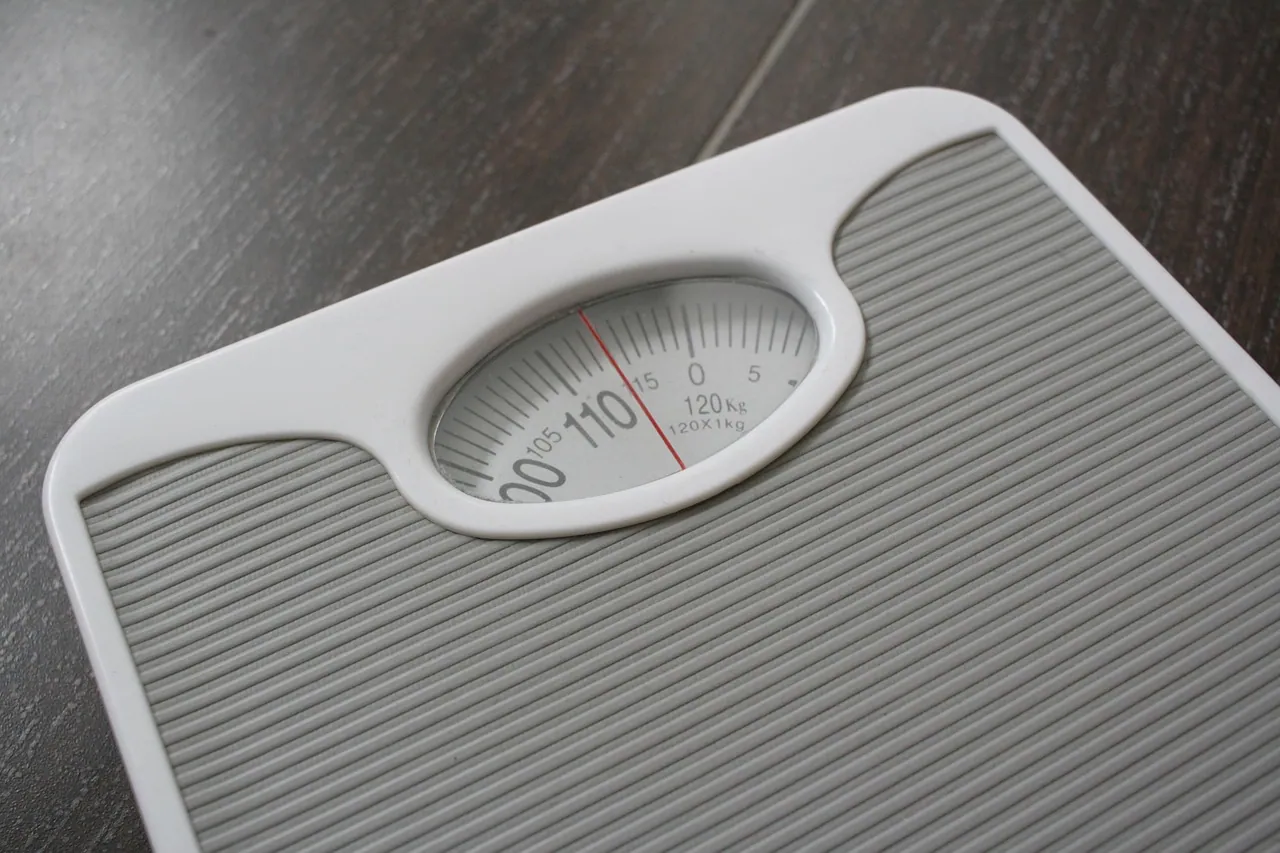
The sodium lever nobody mentions
A meaningful slice of your week-one drop is fluid you release when sodium falls. WHO recommends adults consume less than 2,000 mg of sodium per day — about 5 g of salt — against a global mean intake of 4,278 mg in 2021. Indian diets, with pickles, papad, namkeen, packaged masalas and restaurant food, sit well above the recommendation. Cutting packaged snacks and restaurant meals for seven days typically halves sodium intake and releases 300–500 g of retained fluid on its own.
Myth correction: “2kg weight loss in 7 days means I lost 2 kg of fat”
No. Losing 2 kg of pure fat in 7 days would require a deficit of roughly 15,400 kcal — about 2,200 kcal per day below maintenance. For most Indian adults that means eating almost nothing while training for hours, which is not a diet, it is starvation with extra steps.
Three more claims worth retiring:
- “Detox water burns fat.” Water helps with satiety and normal kidney function. It does not oxidise triglycerides. Lemon, jeera and ajwain water are fine drinks and useless fat burners.
- “Skipping dinner is the fastest way.” It reduces calories, which works — but it also usually slashes protein at the meal where most Indians eat their dal and paneer, which costs you muscle. Shift calories, keep protein.
- “Sweating more means burning more fat.” Sweat is thermoregulation. A hot session that drops 1 kg on the scale has dropped 1 litre of water you replace by dinner.
The sleep myth is the expensive one. In a controlled trial, adults on the same calorie-restricted diet lost the same total weight under two sleep conditions, but the composition diverged sharply: on 8.5 hours in bed they lost 1.4 kg of fat (56% of weight lost), versus only 0.6 kg of fat (25%) on 5.5 hours in bed — with fat-free mass loss rising from 1.5 kg to 2.4 kg. Short sleep did not stop the scale moving. It changed what came off, and not in your favour. If you sleep five hours during this week, you will still hit 2 kg — and a larger share of it will be muscle.

Troubleshooting: the scale has not moved by Day 4
This is the most common point of abandonment, and it is almost always one of five things. Work down this table in order before changing your calories.
| Symptom | Most likely cause | How to check | Fix |
|---|---|---|---|
| Weight flat or up 0.3–0.5 kg despite compliance | Sodium spike or a restaurant meal 24–36 hours ago | Look back two days in your food log, not one | Do nothing. Hold the plan; it clears in 48 hours |
| Weight up after starting strength training | Muscle glycogen and repair-related fluid | Started resistance work this week for the first time? | Do nothing. Expect it on Days 2–4 |
| Steady loss for 3 days, then nothing | Glycogen depletion has finished; you are now seeing fat loss only | Daily loss dropped from ~0.4 kg to ~0.2 kg | Nothing is wrong. 0.15–0.25 kg/day is the real rate |
| Constant hunger, poor sleep, irritability | Deficit too aggressive for your body weight | Are you under 60 kg eating 1,500 kcal? | Add 200 kcal as protein; accept 1.5 kg instead of 2 kg |
| No movement at all in 5 days | Under-logging — usually oil, ghee, chai sugar and “tastes” | Weigh cooking oil for two days | Measure oil with a spoon; 1 tbsp is 120 kcal |
Weighing protocol matters as much as the diet. Weigh every morning after the toilet, before food or water, in the same clothing. Average Days 1–3 and compare to Days 5–7 — comparing two single days inside a 1–1.4 kg fluctuation window tells you nothing.
Who should not attempt a 2 kg week
This plan is written for healthy adults above roughly 60 kg who are not managing a medical condition. It is the wrong plan — and in some cases an unsafe one — for several groups.
- Anyone pregnant or breastfeeding. ICMR-NIN’s 2024 guidelines specify an additional 350 kcal from the second trimester and an additional 600 kcal in the first six months of lactation. A deficit is contraindicated.
- People on insulin or sulfonylureas for diabetes. A sudden 650 kcal deficit plus a carbohydrate cut can cause hypoglycaemia. Medication needs to be adjusted by your doctor first, not after.
- Anyone with a BMI under 21, or with a history of disordered eating. Skip the 7-day framing entirely.
- People with chronic kidney disease. The 120 g protein target is inappropriate without nephrology input.
- Teenagers and adults over 65. Both groups lose a disproportionate amount of lean mass in fast deficits.
If you sit in any of these groups, the useful version of this article is the calorie and protein logic, applied at maintenance or a 250 kcal deficit over a longer runway. An online dietitian consultation is the right first step there — a plan built around your medication and bloodwork, not around a seven-day number.

What happens in week two — and how to keep the 0.6 kg that mattered
On Day 8, most people eat normally and watch 0.8–1.2 kg reappear within 72 hours as glycogen refills and pulls water back with it. Nothing has been undone — the 0.5–0.7 kg of fat you lost is still gone. But if you do not expect this, it reads as failure and you quit.
The productive move is to shift from a 650 kcal deficit to a 400–500 kcal one and hold it for six to eight weeks. That produces 0.4–0.5 kg of fat loss per week with less hunger, better training quality and no glycogen whiplash — 3–4 kg of genuine fat over eight weeks, more than repeated one-week sprints deliver, because sprints are not repeatable.
Carry three things forward permanently: the 1.6 g/kg protein target, the 10,000-step floor, and two or three strength sessions a week. Our guides to a high protein diet for weight loss and a practical Indian diet for weight loss go deeper on building them into regular home cooking.

Frequently asked questions
Is losing 2 kg in a week safe?
For a healthy adult above about 70 kg, a one-off 2 kg week from a 600–750 kcal daily deficit is generally safe, because most of it is water rather than tissue. It becomes unsafe when repeated week after week, or attempted below 60 kg. CDC and Mayo Clinic both place the sustainable range at 0.5–1 kg per week.
How many calories should I eat to lose 2 kg in a week?
Around 1,500–1,600 kcal per day for a 75 kg adult with a 2,200 kcal maintenance requirement — a deficit of roughly 650 kcal daily. Below 60 kg, use 1,300–1,400 kcal and target 1.2–1.5 kg instead. Never drop below 1,200 kcal without medical supervision, because protein and micronutrient adequacy fails at that level.
How much of a 2 kg weekly loss is actually fat?
About 0.5–0.7 kg, or 25–35%. A kilogram of body fat holds roughly 7,700 kcal, so a 4,550 kcal weekly deficit can only produce around 0.59 kg of fat loss. The remaining 1.3–1.5 kg is glycogen, its bound water, released sodium-driven fluid and gut contents.
Will I regain the 2 kg immediately after the week ends?
You will typically regain 0.8–1.2 kg within 72 hours of eating normal carbohydrates again, because glycogen refills and each gram of it binds at least 3 g of water. The 0.5–0.7 kg of fat loss is permanent unless you return to a calorie surplus. Expect the bounce and do not treat it as failure.
Can I lose 2 kg in a week without exercise?
Yes, through diet alone, but it requires a larger food deficit — closer to 900 kcal per day — and you will lose more muscle. Walking 10,000 steps daily contributes roughly 250–350 kcal for a 75 kg adult, which lets you eat 250–350 kcal more while losing the same weight. Exercise improves the composition of the loss, not just its speed.
What should I eat for dinner on a 2 kg-in-a-week plan?
Anchor dinner to 25–30 g of protein and two katoris of low-starch vegetables, then add one roti. A practical Indian option is 100 g low-fat paneer or 150 g grilled chicken, a mixed sabzi, salad and a single roti — roughly 400–450 kcal. Skipping dinner usually costs you protein, not fat.
Why has my weight gone up even though I followed the plan?
Normal daily body-weight fluctuation is about 1–1.4 kg in either direction, driven by sodium, carbohydrate intake, hydration, hormonal cycles and undigested food. A single high-sodium restaurant meal can show up 24–36 hours later. Compare a three-day average against another three-day average rather than reacting to any single morning reading.
How do I lose 2 kg in a week as a vegetarian?
Hit 120 g of protein using paneer (18 g per 100 g), soya chunks (15 g per 30 g dry), curd, rajma, chana, sprouted moong and optionally whey. A vegetarian day at 1,550 kcal with 120 g protein is achievable but needs deliberate planning — protein must be chosen first at every meal, with roti and rice fitted around it.
Your next seven days
Pick a start date, write the seven rows of the day-by-day table on paper, weigh yourself on Day 1 morning, and commit to the protein number above everything else. If you want the targets recalculated for your weight, medications and training history rather than a 75 kg average, book a session with a Fitstrot online weight loss trainer and get the plan built around your numbers.


