
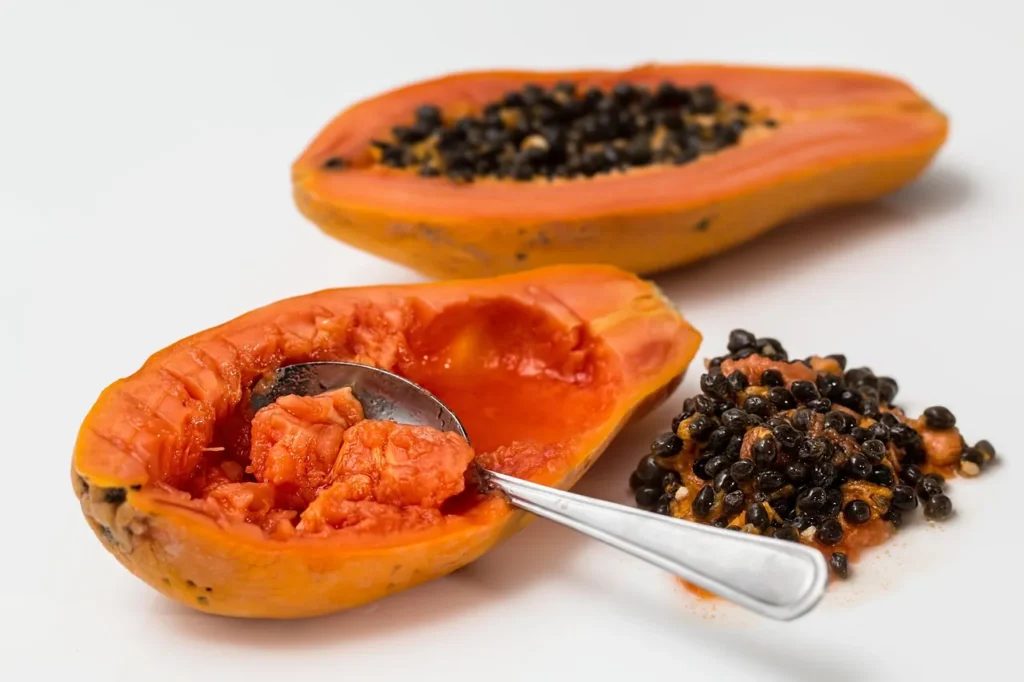
The best fruits for weight loss are not rare superfoods. They are the everyday Indian fruits that give you a lot of food, a lot of fibre and not many calories: guava, papaya, amla, pear, oranges, mosambi and melons. Any fruit can fit into a weight-loss diet, and no fruit melts fat on its own. What matters is its calories, how full it keeps you and what it replaces on your plate. This guide ranks common Indian fruits by kcal, fibre and glycaemic index per 100 g using India’s own food composition data, then shows how to use them without the “fruit only” crash-diet trap. Fruit helps by making a calorie deficit easier to stick to. It does not “detox” you or burn belly fat.
Which fruits are best for weight loss?
The best fruits for weight loss are high in fibre and water and low in calories. In India that means guava (32 kcal and 8.6 g fibre per 100 g), papaya (24 kcal), amla (24 kcal), pear (38 kcal), orange (37 kcal) and watermelon (17 kcal), according to ICMR-NIN’s Indian Food Composition Tables 2017. Whole fruit beats juice every time.
The evidence is fairly consistent. A Harvard analysis of 133,468 US adults followed from 1986 to 2010 found that each extra daily serving of fruit was linked to 0.53 lb less weight gain over four years. Apples and pears were linked to 1.24 lb less and berries to 1.11 lb less (Bertoia et al., PLoS Medicine, 2015). The study was observational and the effect is modest. Fruit supports a deficit. It does not replace one.
Judge a fruit on three things: energy density (lower kcal per 100 g means a bigger portion), fibre per 100 kcal (fibre slows digestion and adds bulk; the WHO recommends at least 25 g of naturally occurring fibre a day for everyone over 10, per its healthy diet fact sheet) and form (whole fruit fills you more than juice or dried fruit with the same calories).
Best fruits for weight loss in India, ranked per 100 g
Values come from the ICMR-NIN Indian Food Composition Tables (IFCT 2017), which analysed fruit samples collected across India. GI values come from the International Tables of Glycemic Index (Atkinson et al., Diabetes Care, 2008). A dash means that table’s summary does not list the fruit, so we haven’t guessed.
| Fruit | kcal / 100 g | Fibre g / 100 g | Fibre per 100 kcal | GI | Weight-loss verdict |
|---|---|---|---|---|---|
| Amla (Indian gooseberry) | 24 | 7.8 | 32 g | – | Excellent, though too sour to eat much at once |
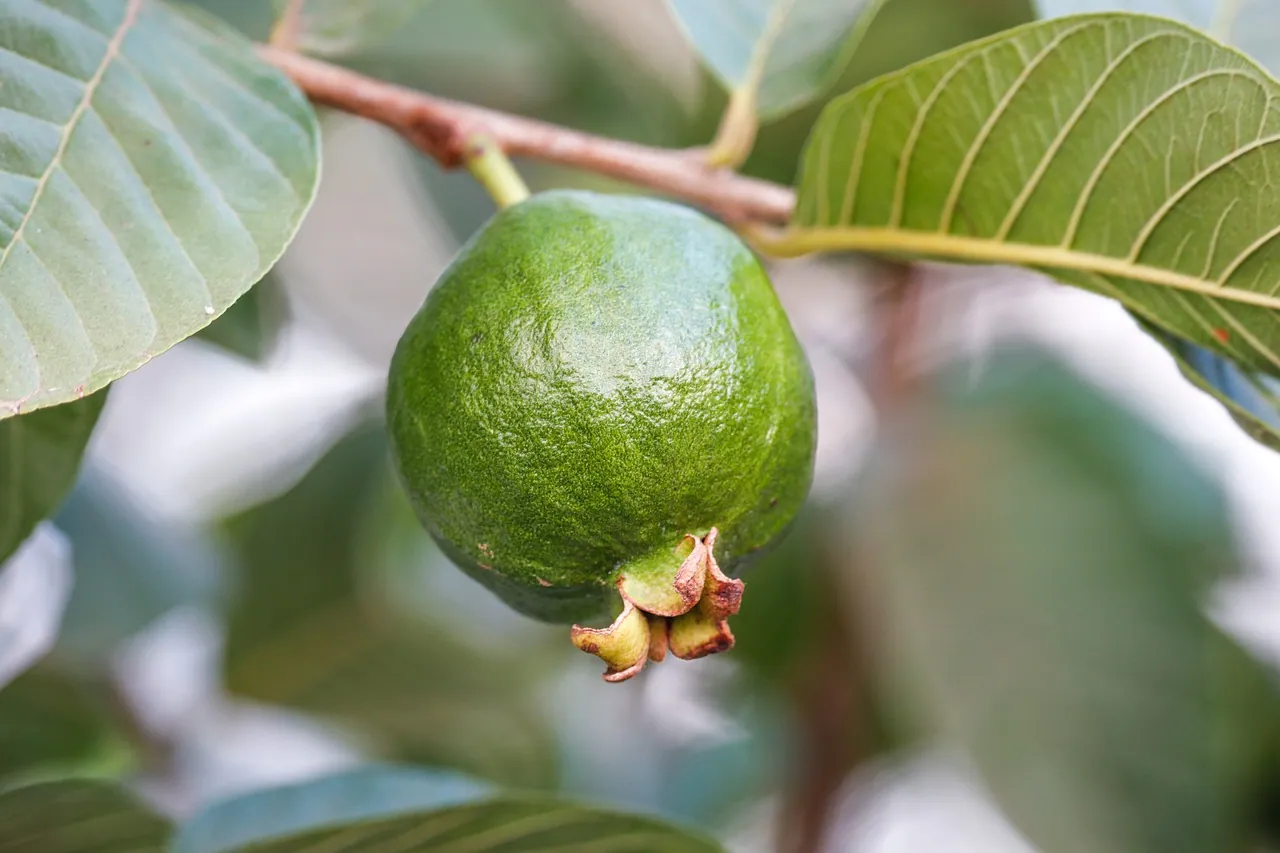
| Guava, white flesh | 32 | 8.6 | 27 g | – | Top pick: very filling, cheap, available all year |
| Sapota (chikoo) | 73 | 9.6 | 13 g | – | High fibre but calorie-dense; keep to one fruit |
| Papaya, ripe | 24 | 2.8 | 12 g | – | Excellent: large portions for few calories |
| Pear | 38 | 4.5 | 12 g | – | Excellent |
| Pineapple | 43 | 3.5 | 8 g | 59 | Good |
| Mosambi (sweet lime), pulp | 27 | 2.1 | 8 g | – | Good, if you eat the segments rather than juice them |
| Muskmelon, orange flesh | 23 | 1.5 | 7 g | – | Good, very low calorie |
| Pomegranate | 55 | 2.8 | 5 g | – | Fine in measured portions |
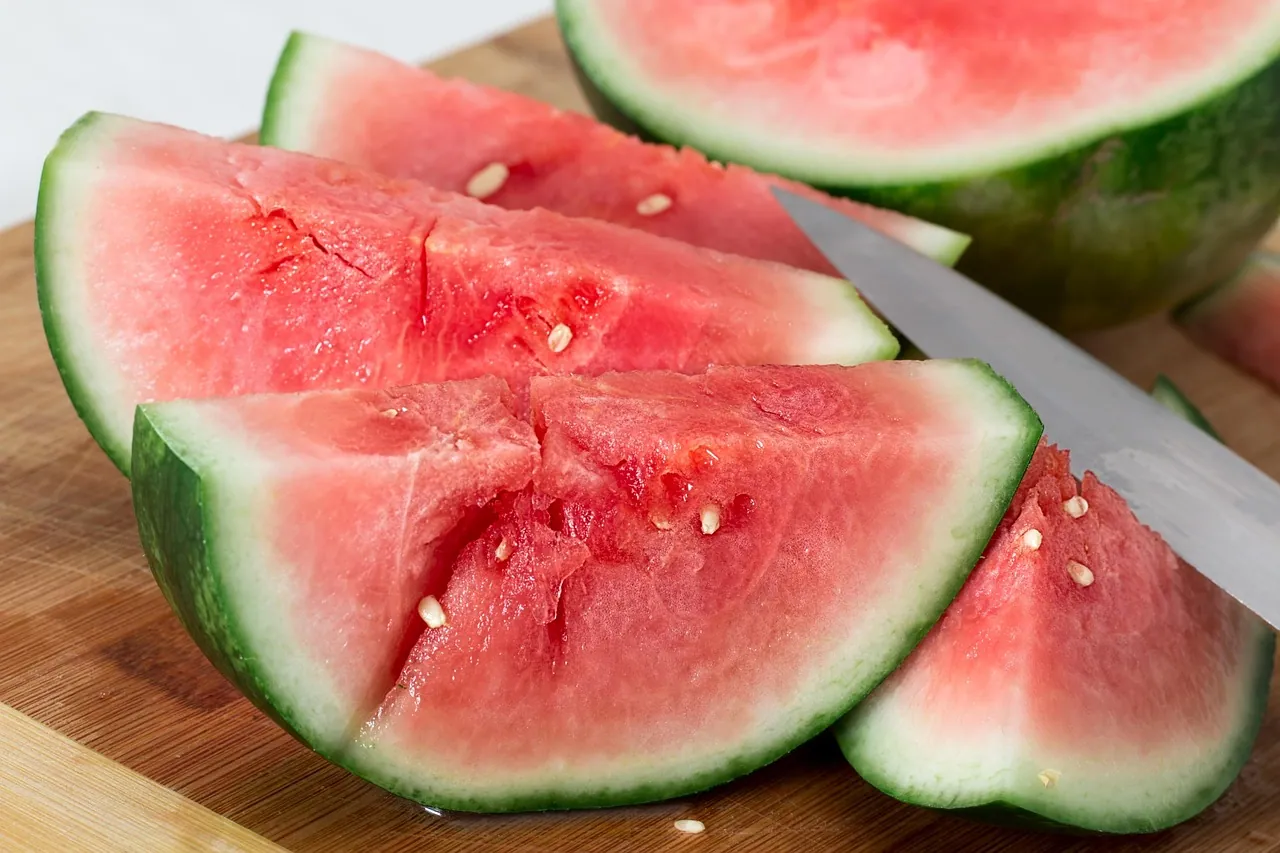
| Watermelon, pale green | 17 | 0.8 | 5 g | 76 | High GI, but a normal slice has little sugar |
| Apple, big | 62 | 2.6 | 4 g | 36 | Good: low GI, very filling when eaten whole |
| Mango, ripe (Kesar) | 55 | 2.0 | 3.7 g | 51 | Fine: 100–150 g, not a whole Alphonso after lunch |
| Orange, pulp | 37 | 1.3 | 3.5 g | 43 | Good, low GI |
| Grapes, green seedless | 54 | 1.3 | 2.4 g | – | Easy to overeat; count them out |
| Banana, ripe (Robusta) | 105 | 1.9 | 1.8 g | 51 | Useful before a workout; one a day, not three |
Read the “fibre per 100 kcal” column first: it shows how much fullness each calorie buys. Guava and amla lead, then papaya and pear. Banana and grapes are not “bad”. They just need smaller portions.
High fiber fruits for weight loss
If you change one thing, add one high-fibre fruit a day. By IFCT 2017 figures, a 150 g white guava supplies about 13 g of fibre, roughly half the WHO’s 25 g daily minimum, for about 48 kcal. A 150 g pear adds about 6.7 g and two amlas (about 50 g) about 4 g. Sapota has 9.6 g per 100 g, but at 73 kcal it belongs in the “one at a time” group. Raise fibre slowly and drink more water, or expect some bloating for a week or two.
Does the sugar in fruit stop weight loss?
No. Natural sugar in whole fruit does not stall weight loss. Harvard’s Nutrition Source notes that eating at least two servings a week of whole fruits like apples, grapes and blueberries was linked to up to 23% lower type 2 diabetes risk, while one or more daily servings of fruit juice was linked to up to 21% higher risk.
The difference is the form, not the fruit (Harvard T.H. Chan School of Public Health, The Nutrition Source). In a whole orange, the sugar sits inside intact cells and fibre you have to chew. Juice delivers three oranges’ worth in 20 seconds. That is why the ICMR-NIN Dietary Guidelines for Indians (2024) tell people to “prefer fresh fruits (avoid juices)”. They also list fruit juices alongside sugar and processed foods as things to avoid when managing weight and waist size.
A well-known feeding experiment shows the effect. Researchers at Penn State gave 58 adults 266 g of apple in different forms (125 kcal each) 15 minutes before lunch. Eating the whole apple cut total lunch intake by 15%, about 187 kcal, compared with no preload. It also filled people up more than applesauce or apple juice with the same calories (Flood-Obbagy & Rolls, Appetite, 2009).
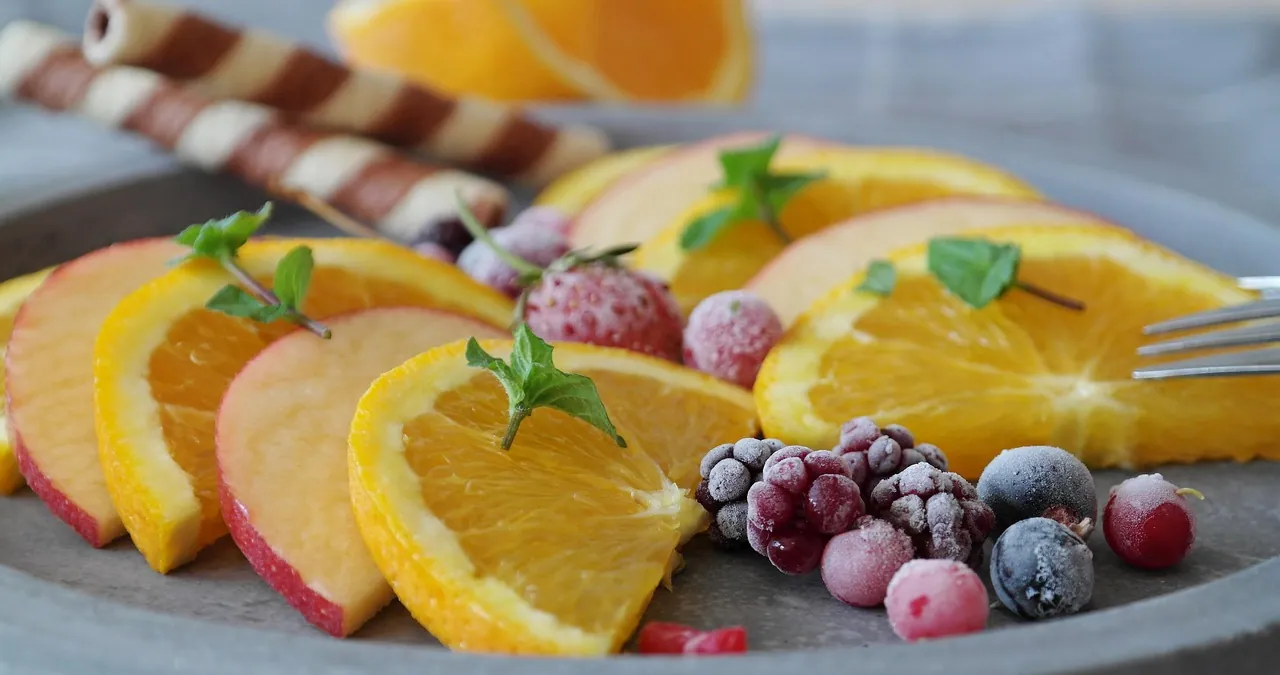
The grain of truth: fruit still has calories. ICMR-NIN’s 2,000 kcal “My Plate for the Day” budgets about 100 g of fruit, roughly 56 kcal. Four bananas and a mango “because fruit is healthy” can add 600 kcal. The problem is the extra calories, not the sugar.
Worst fruits for weight loss: it is the portion, not the fruit
People searching for the worst fruits for weight loss expect a banned list. There isn’t one, only fruits that pack more calories into each bite: dried fruit, bananas, sapota, custard apple (about 99 kcal per 100 g) and ripe jackfruit (about 72 kcal). ICMR-NIN makes the same point. Fruits such as banana, avocado and mahua supply 70–100 kcal or more per 100 g and “should be consumed in moderate amounts”, not dropped. If you want a closer look at the five fruits people most often cut, and why, see our separate guide on fruits to avoid for weight loss.
The fairest comparison is to fix the calories and see how much food you get:
| Fruit | Grams for 100 kcal | Roughly equals | Fullness |
|---|---|---|---|
| Watermelon | ≈ 590 g | 2–3 large wedges | High while it lasts, but it digests fast |
| Muskmelon | ≈ 435 g | Half a medium melon | High |
| Papaya | ≈ 415 g | 2 heaped bowls | Very high |
| Guava | ≈ 310 g | 2 medium guavas | Very high (lots of fibre) |
| Orange | ≈ 270 g | 2 medium oranges (edible part) | High |
| Pear | ≈ 260 g | 1 large + 1 small pear | High |
| Grapes, green seedless | ≈ 185 g | About 1¼ cups | Low: very easy to keep eating |
| Pomegranate | ≈ 180 g | About ¾ cup of arils | Moderate |
| Apple | ≈ 160 g | 1 medium-large apple | High |
| Sapota (chikoo) | ≈ 135 g | 1–2 small chikoos | Moderate |
| Banana (Robusta) | ≈ 95 g | 1 small banana, peeled | Moderate |
| Black raisins | ≈ 33 g | About 2 tablespoons | Low |
| Dried dates | ≈ 32 g | 3–4 dates | Low |
Two bowls of papaya or three dates: same calories, very different fullness. That is the whole “avoid list” in one table. You can still eat mango in May: weigh 150 g once, and skip the second helping of rice instead.
Low sugar fruits for weight loss, and why GI can mislead
Watermelon’s GI of 76 often gets it banned. But GI measures how fast a fixed amount of carbohydrate raises blood sugar, not how much carbohydrate your portion holds, and watermelon is about 95% water. Harvard’s Nutrition Source notes that its glycaemic load, which accounts for portion size, is low. For fruits genuinely low in sugar per portion, pick guava, papaya, muskmelon, strawberries and mosambi segments: all under 10 g of carbohydrate per 100 g in IFCT 2017.
Dry fruits for weight loss: the 30 g rule
Dried fruit is fruit with the water removed, so calories are concentrated five to six times. By IFCT 2017, dried dates have 311–320 kcal and black raisins 306 kcal per 100 g, compared with 54–61 kcal for fresh grapes. The NHS 5 A Day guidance sets one adult portion of dried fruit at about 30 g, against 80 g for fresh fruit. It also suggests eating dried fruit with a meal rather than grazing on it between meals.
- Keep it to about 30 g a day: 2–3 dates or a heaped tablespoon of raisins.
- Soaking raisins or figs overnight may make them easier to digest. It does not remove calories.
- Almonds and walnuts are called “dry fruits” in India, but they are nuts: high in fat, fine in 20–30 g portions.
- Use dates as the sweetener in a dessert, not as a snack on top of your usual sweets.
How to build a fruit diet for weight loss that doesn’t backfire
A “fruit diet for weight loss” can mean two things. The sensible one uses fruit to replace higher-calorie snacks and desserts inside a balanced Indian diet. The other is eating only fruit for 3 to 7 days, which we don’t recommend: it is low in protein, so you lose muscle along with water, and it usually drops below the ICMR-NIN rule that weight-reduction diets “should not be less than 1000 Kcal/day”. The weight returns with normal meals. ICMR-NIN considers about 0.5 kg a week a safe rate of loss.
The sensible version works by swapping, not adding:
| Time slot | Instead of | Try | Approx. kcal saved |
|---|---|---|---|
| Breakfast | 2 slices of bread with jam | Besan chilla + 150 g papaya | Similar kcal, but more protein and fibre |
| Mid-morning (11 am) | 2 Marie biscuits + sweet chai | 1 guava with chaat masala + unsweetened chai | ≈ 60–90 kcal |
| 15 min before lunch | Nothing, then a second helping of rice | 1 medium apple or pear, then a normal plate | Varies (the 2009 apple study saw ≈ 187 kcal less) |
| Evening snack (5 pm) | Samosa or namkeen (≈ 250 kcal) | 2 oranges or a bowl of watermelon + 1 small handful of roasted chana | ≈ 120–150 kcal |
| After dinner | Gulab jamun or ice cream | ¾ cup pomegranate or 2 dates with curd | ≈ 100–150 kcal |
The savings are estimates, but three swaps a day can realistically remove 300–400 kcal without making you hungrier, close to the deficit needed for 0.5 kg a week. For a full-day structure built around dal, sabzi and roti, see our Indian diet for weight loss guide.

High protein fruits for weight loss: a reality check
No common fruit is a meaningful protein source. In IFCT 2017, most everyday Indian fruits have under 1.5 g of protein per 100 g. Guava has about 1.4 g and ripe jackfruit, one of the higher ones, about 2.7 g. Protein keeps you full and protects muscle while you lose fat, so pair fruit with it: papaya with hung curd, apple with paneer, guava with roasted chana.
Best time to eat fruits for weight loss
No time of day burns more fat. The best time to eat fruits for weight loss is when a fruit replaces something higher in calories: a mid-morning or 5 pm snack, or 10–15 minutes before a main meal. In a 2009 Penn State study, eating a whole apple 15 minutes before lunch cut total meal intake by 15%.
Rules like “only on an empty stomach” or “never after 4 pm” lack good evidence. Fruit digests fine with food, and ICMR-NIN notes that vitamin C-rich fruit such as guava or orange improves iron absorption from plant foods.
Best fruits for weight loss at night
Fruit at night causes no more weight gain than fruit at noon. The problem is usually that it comes on top of dinner rather than instead of dessert. Pick light, filling options such as papaya, a pear or a few strawberries, and save banana shakes, mango and dates for earlier. If you get acid reflux at night, skip citrus and pineapple.
Eating more fruit but the scale isn’t moving?
If you eat more fruit and the scale won’t move, the fruit is usually being added on top of your meals instead of replacing higher-calorie foods, or juice and oversized portions are creeping in. Fibre-related water weight can also hide real fat loss for 1–2 weeks. Check these in order:
- You added fruit instead of swapping. Harvard’s Nutrition Source notes that adding produce “won’t necessarily help with weight loss unless it replaces another food” (Vegetables and Fruits, The Nutrition Source).
- Juice and smoothies are sneaking in. A 400 ml mango smoothie with milk and honey can go over 300 kcal. The NHS caps combined juice and smoothies at 150 ml a day.
- Portions have grown. Weigh fruit for one week to see what you really eat.
- Fruit chaat extras. Chaat masala is fine. Sugar, honey, cream and sweetened condensed milk are not.
- Water weight. More fibre means more gut content, so the scale can stall for a week. Track the weekly average. For realistic monthly numbers, read how much weight you can lose in a month.
Fruit choices if you have diabetes, PCOS or thyroid issues
If you have diabetes, prediabetes, PCOS or kidney disease, or take medicines that affect blood sugar or potassium, talk to your doctor or a registered dietitian before big diet changes, and never change medication on your own. General pointers:
- Diabetes or prediabetes: whole fruit is generally recommended, not banned. Choose low-GI options such as apple (36) and orange (43), eat fruit with protein, keep to one 100–150 g portion at a time and skip juice. Check your glucose after new fruits to learn your own response.
- PCOS: insulin resistance is common, so the same low-GI, whole-fruit approach helps. See our PCOS weight loss diet for the wider plan.
- Kidney disease: high-potassium fruits like banana, orange and sapota may need limiting. Your nephrologist should decide.
- Hypothyroidism: no fruit needs avoiding. The same calorie principles apply alongside your prescribed treatment.
Frequently asked questions
Which fruit burns the most belly fat?
No fruit burns belly fat directly, and you cannot spot-reduce fat from one area. Filling, low-calorie fruits such as guava, papaya, pear and apple make a calorie deficit easier, and belly fat drops as part of overall fat loss.
How much fruit should I eat a day to lose weight?
For most adults, 2–3 portions (about 200–300 g of fresh fruit) a day works well. The WHO recommends at least 400 g of fruits and vegetables combined daily, and ICMR-NIN’s 2,000 kcal plate includes 100 g of fruit plus 400 g of vegetables.
Can I eat banana while trying to lose weight?
Yes. A ripe banana has about 105 kcal per 100 g (IFCT 2017), so one a day fits easily, especially before a workout. The problem is several a day on top of normal meals.
Is a fruit-only diet good for fast weight loss?
No. It lacks protein, often falls below ICMR-NIN’s 1,000 kcal minimum for weight-reduction diets, and causes mostly water and muscle loss that returns quickly. A safe rate is about 0.5 kg a week.
Is fruit juice as good as whole fruit for weight loss?
No. In a 2009 study, a whole apple before lunch cut total intake by 15%, while the same calories as apple juice were less filling. Harvard reports that one or more daily servings of juice was linked to up to 21% higher type 2 diabetes risk.
Are dry fruits good for weight loss?
In small amounts. Dried dates and raisins have over 300 kcal per 100 g, so the NHS portion is about 30 g, roughly 2–3 dates. Eat them with a meal or instead of dessert, not as an all-day snack.
Can I eat fruit at night if I am trying to lose weight?
Yes. Total daily calories matter more than timing. At night, choose light fruits like papaya or pear in place of dessert, not on top of a full dinner.
Want a fruit plan built around your own meals, budget and blood reports? A Fitstrot online nutritionist consultation turns this table into a weekly plan you can follow, with check-ins to adjust portions as you go.


