

If you are searching for fruits to avoid for weight loss, here is the honest answer first: no whole fruit needs to be banned. Mango, banana, grapes and chikoo can all fit into a calorie deficit. What quietly stalls weight loss is the form fruit comes in: juice, dried fruit eaten by the handful, canned fruit in syrup, and shakes made with full-cream milk and sugar. A mango milkshake can carry five times the calories of the mango slices that went into it.
Below are the five fruit forms most worth watching in an Indian diet, with kcal per serving and a smarter swap for each. For the fruits that help most, read our fruit diet for weight loss guide.
Which fruits should you avoid for weight loss?
You do not need to avoid any whole fresh fruit to lose weight. Limit the forms instead: fruit and sugarcane juice, dried fruit eaten freely, canned fruit in syrup, and shakes with milk, sugar or ice cream. ICMR-NIN’s 2024 guidelines prefer whole fruit and cap even fresh juice at 100–150 g of fruit.
The research backs this up. A Harvard analysis of three cohorts covering 133,468 US adults, tracked from 1986 to 2010, found that each extra daily serving of fruit was linked to 0.53 lb (about 240 g) less weight gain over four years (Bertoia et al., PLoS Medicine, 2015).
The problem starts when fruit stops looking like fruit. The ICMR-NIN Dietary Guidelines for Indians (2024) say fresh juice “cannot be equated to whole fresh fruits”, that packaged fruit drinks can contain as little as 7% fruit pulp, and that sugarcane juice, at 13–15 g of sugar per 100 ml, should be minimised. The same guidelines cap sugar at 20–25 g a day for adults. The useful question is not “which fruit is bad?” but “what was done to this fruit?”
5 fruits to avoid for weight loss: the Indian forms that add up fastest
Fruit calories come from ICMR-NIN’s Indian Food Composition Tables 2017 (for example, Kesar mango 55 kcal, Robusta banana 105 kcal and dry dates 320 kcal per 100 g). Milk, sugar and ice cream use typical pack-label values, so treat totals as estimates.
| # | Fruit form to watch | Typical Indian serving | Approx. kcal | Smarter swap | Approx. kcal |
|---|---|---|---|---|---|
| 1 | Mango milkshake / aamras with sugar | Café-style shake: 200 g mango + 250 ml full-cream milk + 4 tsp sugar + 1 scoop ice cream | ≈ 530 | 150 g Kesar mango slices, eaten after a protein-rich lunch | ≈ 83 |
| 2 | Dried fruit by the handful (kishmish, khajoor, dried apricot) | A 50 g “small bowl” of raisins or dates while watching TV | ≈ 155–160 | 30 g (1 heaped tbsp raisins or 3–4 small dates), with a meal | ≈ 92–96 |
| 3 | Fruit juice and sugarcane juice | 300 ml glass of ganne ka ras | ≈ 156–180 (39–45 g sugar) | Whole orange or 2 mosambi, segments not juice (≈ 250 g edible) | ≈ 70–95 |
| 4 | Canned fruit in syrup / fruit cocktail | 1 bowl from a tin with syrup, often with custard | Varies: check “added sugars” on the label | Fresh cut fruit, or tins packed in juice or water with no added sugar | Fruit only |
| 5 | Banana or chikoo shake, or 3 bananas a day | 1 banana + 250 ml full-cream milk + 2 tsp sugar | ≈ 375 | 1 banana (≈ 110 g edible) before a workout, with plain tea or water | ≈ 115 |
The swap column still contains every fruit. The win comes from dropping the sugar, cream and “one more handful”, not the mango.
1. Mango milkshake and aamras

Is mango good for weight loss?
Yes, in whole-fruit portions. Ripe Kesar mango has 55 kcal per 100 g and Banganapalli about 42 kcal (IFCT 2017), so 150 g of slices is roughly 65–85 kcal. Trouble starts when mango becomes a shake with full-cream milk, sugar and ice cream: over 500 kcal a glass.
In season, “a mango” can quietly become two or three Alphonsos. The NHS counts 2 slices (5 cm each) as one fruit portion (NHS 5 A Day portion sizes). A practical rule: one medium mango’s slices, or one katori of unsweetened aamras. Skip the sugar; each teaspoon adds about 20 kcal.
2. Dried fruit eaten by the handful
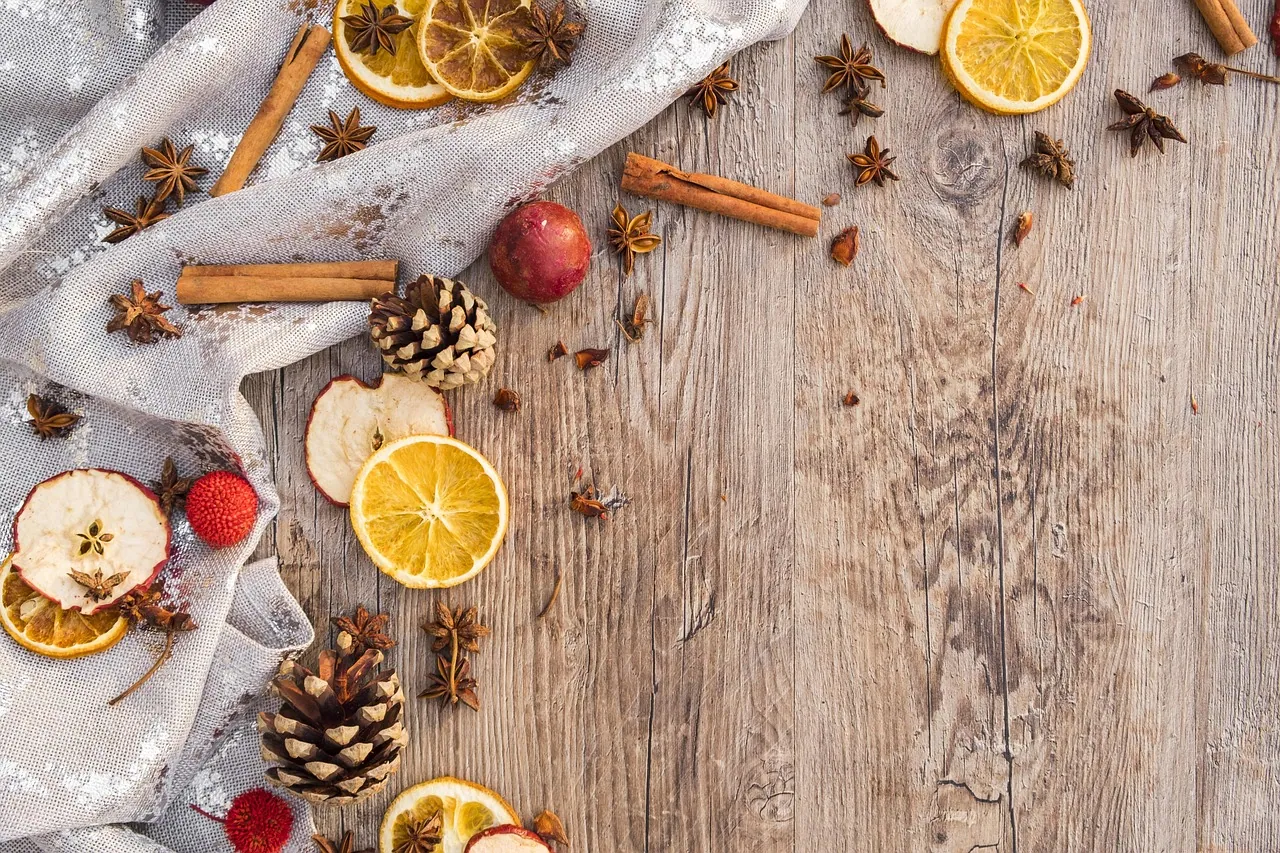
Drying removes water, packing the same calories into a smaller bite. IFCT 2017 lists black raisins at 306 kcal per 100 g against 54–89 kcal for fresh seedless grapes, and dry dates at about 320 kcal per 100 g. Mayo Clinic gives the same comparison in cups: roughly 480 calories in a cup of raisins against about 104 in a cup of grapes (Mayo Clinic, energy density and weight loss).
The NHS counts 30 g of dried fruit, about one heaped tablespoon of raisins, as one portion, equal to around 80 g of fresh fruit. It also advises eating dried fruit at mealtimes rather than as a between-meal snack (NHS, 5 A Day: what counts?). A measured 30 g stirred into oats or curd is far harder to overeat than an open dabba on the desk.
Are dates good for weight loss?
Dates can fit into weight loss, but only in small numbers. Dry dates carry about 320 kcal per 100 g (IFCT 2017), so 3–4 small dates (about 30 g) come to roughly 95 kcal. They work well as a pre-workout bite or a sweet after dinner, not as an all-day snack.
3. Fruit juice, fresh or packaged
Is fruit juice good for weight loss?
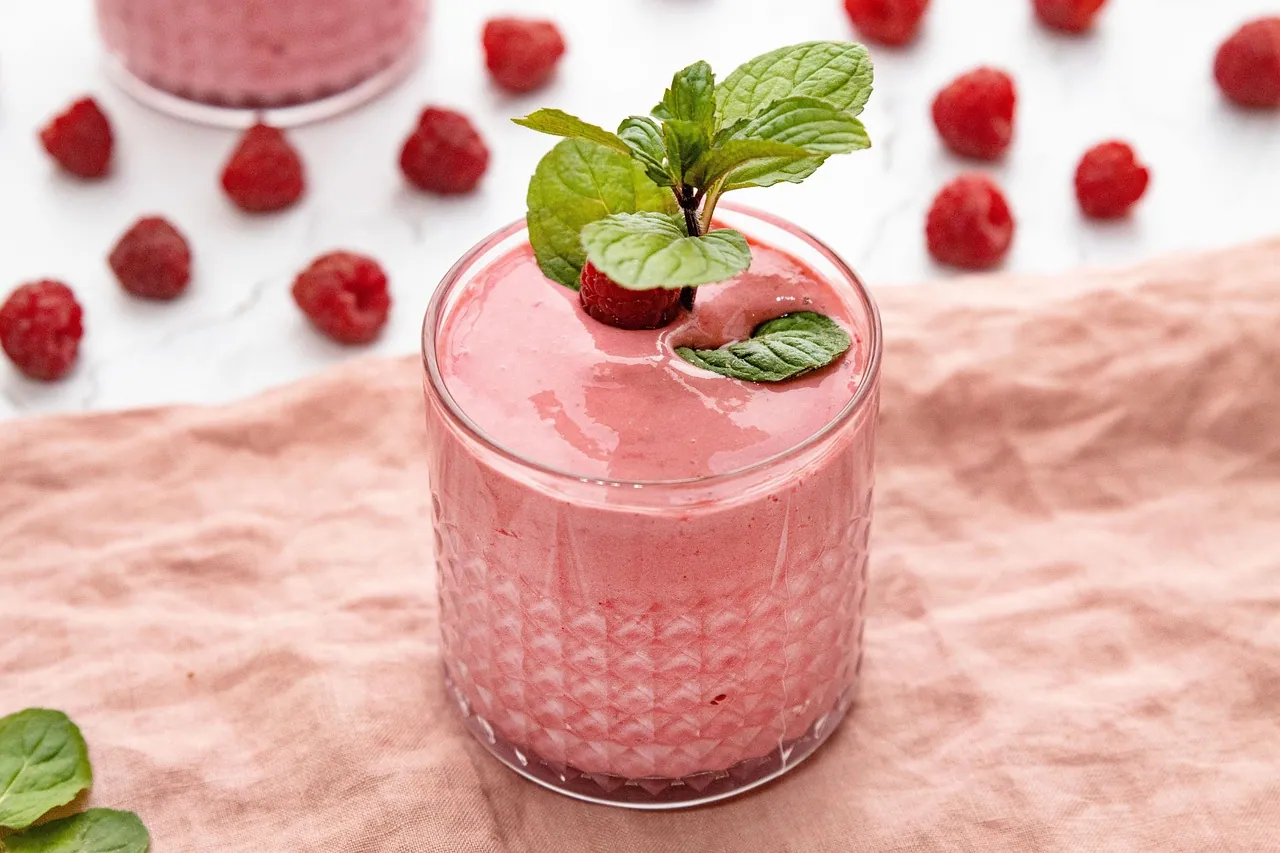
Not really. Juice gives you the fruit’s sugar without most of its fibre and fullness. The WHO’s 2015 sugars guideline classes fruit juice sugar as “free sugar”, to be kept under 10% of daily energy, while whole fresh fruit is excluded. ICMR-NIN (2024) limits even fresh juice to 100–150 g of fruit, occasionally.
The WHO definition matters. Free sugars include sugar added by the manufacturer or cook, plus the sugars naturally present in honey, syrups, fruit juices and fruit juice concentrates. Sugars inside whole fresh fruit are not counted (WHO Guideline: Sugars Intake for Adults and Children, 2015). On a 1,600 kcal diet, 10% is 40 g of sugar; one 300 ml glass of sugarcane juice can use all of it.
Fullness is the other half. In a Penn State experiment with 58 adults, eating a whole apple before lunch cut total lunch intake (apple plus meal) by 15%, about 187 kcal, compared with no starter. Calorie-matched apple juice did not, even with fibre added back (Flood-Obbagy & Rolls, Appetite, 2009).
In a BMJ analysis of 187,382 US health professionals, every three servings a week of fruit juice was linked to an 8% higher risk of type 2 diabetes. Whole fruits such as blueberries, grapes and apples were linked to lower risk (Muraki et al., BMJ, 2013). This is observational data, a link rather than proof.
If you love your morning glass, make it smaller, dilute it with water and drink it with a meal. For better options, see our guide to quick weight-loss drinks.
4. Canned fruit in syrup and fruit cocktail
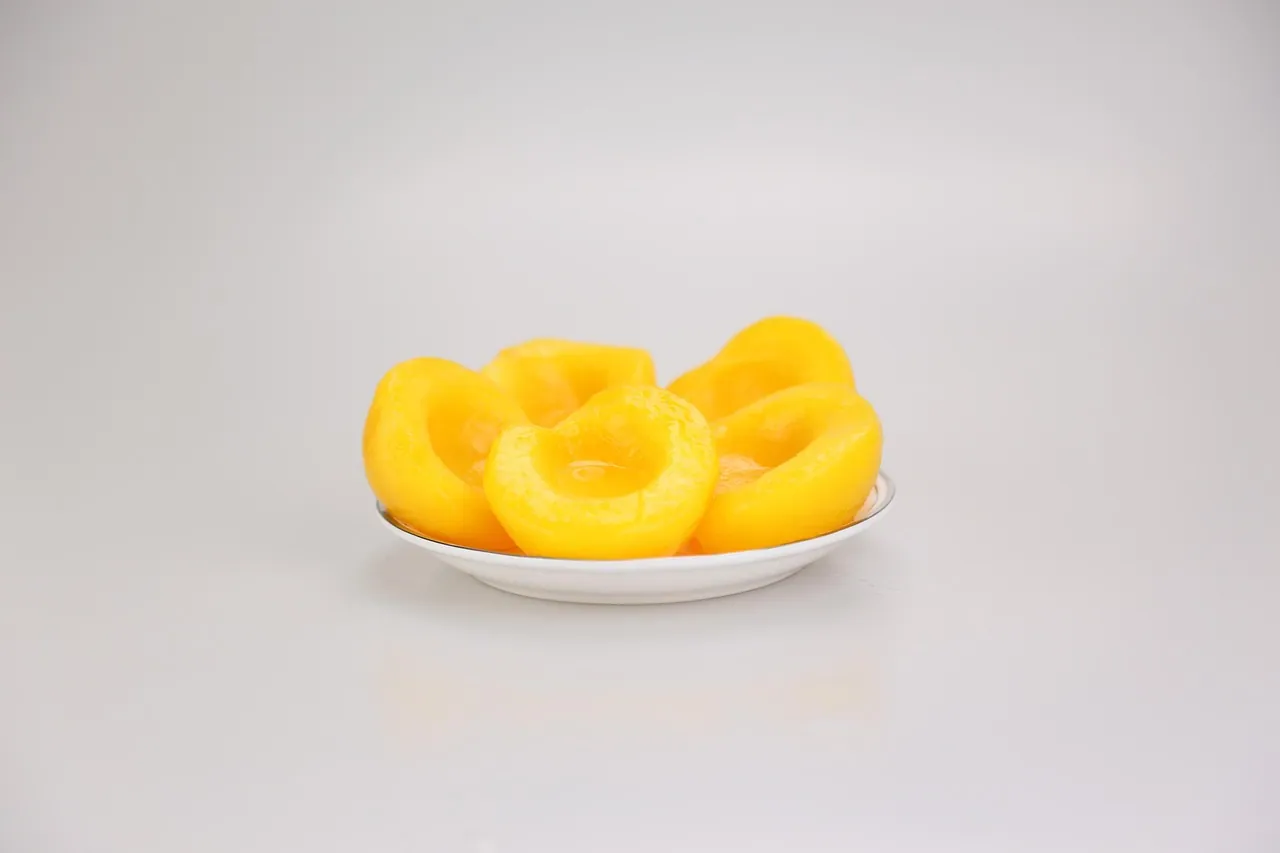
Tinned fruit cocktail with custard is a party staple, but the syrup is added sugar. Mayo Clinic lists fresh, frozen and canned fruits without syrup as good weight-loss options, and the NHS advises buying fruit “tinned in natural juice or water, with no added sugar”. Read the ingredient list on an Indian can: if sugar or “sugar syrup” is the second ingredient, it is a dessert, not a fruit serving.
Smarter version: fresh papaya, apple and pomegranate with a spoon of hung curd instead of custard. If only tinned fruit is available, pick “in juice” or “in water” and leave the liquid in the tin.
5. Banana and chikoo, in shakes and multiples
Is banana good for weight loss?
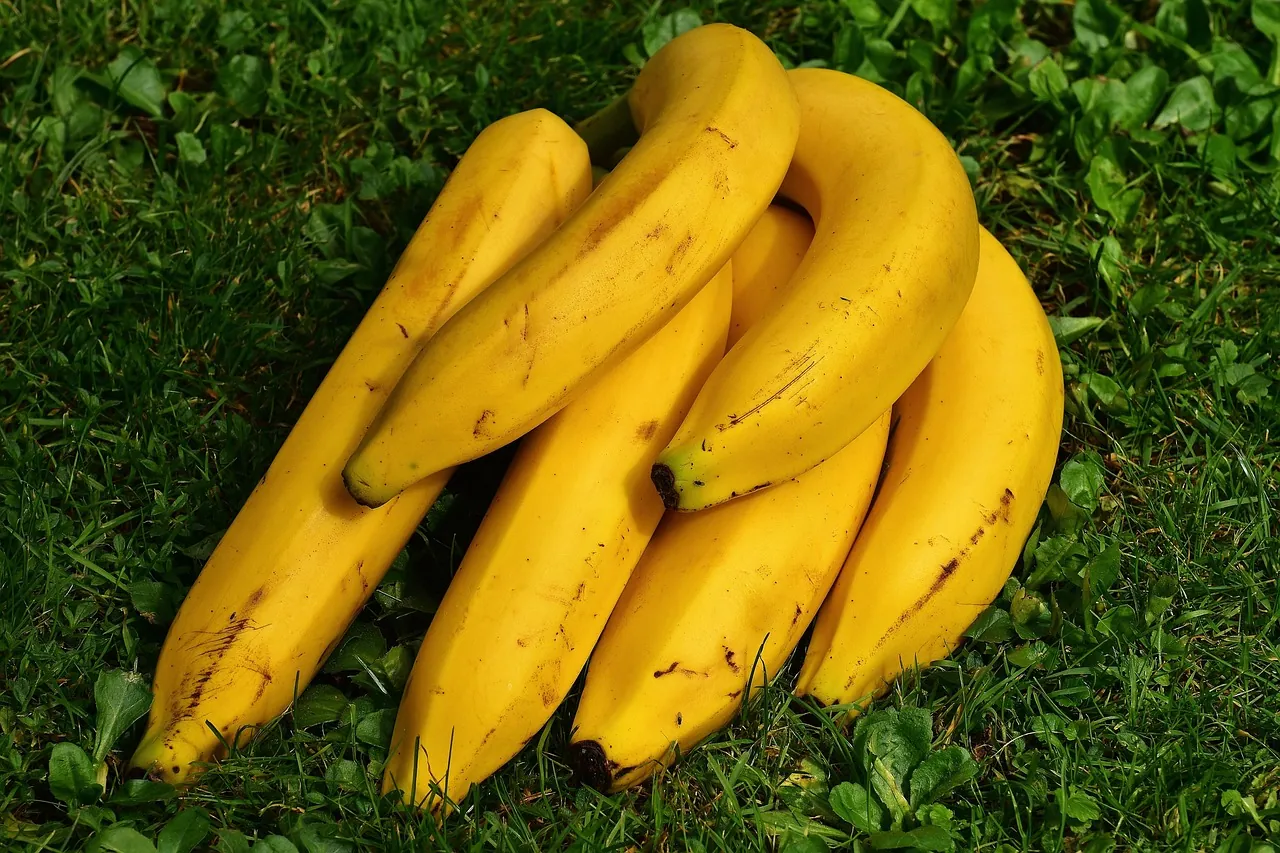
Yes, one a day is fine for most people. A ripe Robusta banana has about 105 kcal per 100 g (IFCT 2017), so a medium one is roughly 110–125 kcal, about twice a similar weight of apple. It makes good pre-workout fuel. Blending it with 250 ml full-cream milk and sugar triples the calories.
Bananas are not “fattening”; ICMR-NIN simply notes that banana is rich in starch and provides energy “in good amount”. The issue is stacking: a banana at breakfast, a shake after the gym and two elaichi bananas after dinner can add over 600 kcal. Keep it to one, replacing a biscuit rather than joining it.
Is chikoo good for weight loss?
Chikoo (sapota) fits weight loss if you stop at one. IFCT 2017 lists it at about 73 kcal and 9.6 g of fibre per 100 g, so one medium chikoo is roughly 60–75 kcal. It is easy to eat three in a row, and a sweetened chikoo shake passes 350 kcal.
High calorie fruits to avoid for weight loss? Kcal per 100 g, ranked
“High calorie” is relative. The most calorie-dense fresh fruits here sit around 90–105 kcal per 100 g; dried fruit is in a separate league at three times that. This table shows where common Indian fruits sit, with a sensible single serving.
| Fruit | kcal / 100 g | Sensible serving | Approx. kcal per serving | Verdict |
|---|---|---|---|---|
| Dates, dry | 320 | 3–4 small (30 g) | 96 | Count them; best with a meal or pre-workout |
| Raisins, black | 306 | 1 heaped tbsp (30 g) | 92 | Stir into oats or curd, don’t graze |
| Banana, ripe (Robusta) | 105 | 1 medium (≈ 110 g edible) | 115 | One a day; good before exercise |
| Custard apple (sitaphal) | 99 | ½ fruit (≈ 100 g pulp) | 99 | Seasonal treat; share one |
| Grapes, seedless black | 89 | Counted 15–20 grapes (≈ 100 g) | 89 | Easy to overeat; put a portion in a katori |
| Sapota (chikoo) | 73 | 1 medium (≈ 90 g edible) | 66 | High fibre, but stop at one |
| Mango, ripe (Kesar) | 55 | 150 g slices | 83 | Slices yes, shakes no |
| Orange, pulp | 37 | 1 large (≈ 150 g edible) | 56 | Eat the segments, skip the juice |
| Guava, white flesh | 32 | 1 large (≈ 200 g) | 65 | Top pick: 8.6 g fibre per 100 g |
| Papaya, ripe | 24 | 1 bowl (≈ 200 g) | 48 | Large portion, few calories |
| Watermelon | 17 | 2 wedges (≈ 300 g) | 50 | Very low calorie, but not very filling |
Values are IFCT 2017 energy converted from kJ (÷ 4.184) and rounded; edible weights vary with size.
None of these servings is a problem by itself. A 1,500–1,800 kcal weight-loss day has room for two fruit servings, and ICMR-NIN’s basic plate already includes about 100 g of fruit daily.
Worst fruits for weight loss? The myth that fruit sugar makes you fat
Many “worst fruits for weight loss” lists warn that fruit sugar (fructose) turns straight into belly fat. That misreads the evidence. Concerns about fructose mostly relate to large amounts of added sugar and syrups, not a banana a day. 100 g of Kesar mango has about 11 g of carbohydrate, packaged with water and fibre.
Cohort data point the other way. In the 2015 Harvard analysis, berries were linked to 1.11 lb less gain and apples or pears to 1.24 lb less gain per extra daily serving over four years.
The honest rule: whole fruit that replaces biscuits, namkeen or mithai helps weight loss. Fruit calories added to an unchanged diet, especially liquid ones, do not. As a rough guide, one extra 250 kcal shake a day is about 7,500 kcal a month, close to the commonly quoted estimate of 7,700 kcal in 1 kg of body fat. Real results vary.
Same fruit, different form: a mango walkthrough
Follow one mango through five Indian preparations. Numbers use IFCT 2017 for Kesar mango (55 kcal per 100 g), 4 kcal per gram of sugar, and typical label values of about 58 kcal per 100 ml for toned milk, 88 kcal per 100 ml for full-cream milk, and about 120 kcal for a 60 g scoop of vanilla ice cream.
| Preparation | What goes in | Approx. kcal | Fullness |
|---|---|---|---|
| Mango slices | 150 g Kesar mango | ≈ 83 | Good: you chew it, and it takes time |
| Unsweetened aamras | 150 g pulp, 1 katori | ≈ 83 | Moderate: puréed fruit fills you less than whole fruit |
| Home aamras with sugar | 150 g pulp + 1 tbsp sugar (12 g) | ≈ 131 | Moderate |
| Home mango milkshake | 150 g mango + 200 ml toned milk + 2 tsp sugar | ≈ 240 | Low for the calories |
| Café mango shake | 200 g mango + 250 ml full-cream milk + 4 tsp sugar + 1 scoop ice cream | ≈ 530 | Low: a dessert in a glass |
Fruit chaat is similar: a teaspoon of sugar (about 20 kcal), a tablespoon of honey (about 60 kcal) and sweet chutney add calories without adding fullness.
Does eating fruit at night stop weight loss?
No. There is no evidence that fruit eaten after sunset turns into fat; your body does not switch fruit sugar to fat storage at a set hour. Total daily calories drive weight change. Evening fruit only becomes a problem as an extra dessert on top of a full dinner, or a large screen-time portion.
The grain of truth: for many people, blood sugar control is somewhat better earlier in the day, which matters more with diabetes. It does not make 100 g of papaya at 9 pm fattening. Timing tips that help:
- Eat fruit with or right after a meal that has protein (dal, paneer, eggs, curd). to slow sugar absorption.
- Use a banana or 3–4 dates before a workout, when quick energy is actually useful.
- Make fruit your dessert after dinner instead of mithai, not in addition to it.
Eating “healthy” fruit but the scale won’t move? Troubleshooting
Switched sweets for fruit but weight is flat after three or four weeks? Usually one of these:
- The portion grew. “A mango” in May can mean two large Alphonsos. Weigh a typical portion once.
- The fruit is liquid. A daily juice, smoothie or shake is the most common hidden source. Swap it for whole fruit for two weeks.
- Dried fruit crept in as “healthy snacking”. An open box of kishmish at your desk can be 50–100 g, or 150–300 kcal, a day.
- Fruit was added, not swapped. If biscuits and namkeen are still there and fruit sits on top, your total went up.
- The fruit arrives with extras. Honey, sugar, sweet chutney and custard add sugar, not fruit.
- Protein is low. Without enough dal, curd, paneer, eggs or chicken, hunger wins by evening.
No scale? Use one fist of cut fruit, one medium whole fruit, or one cupped palm (never a heap) of dried fruit. And keep expectations realistic: about 0.5–1 kg a week is a sustainable pace for most adults.
If you have diabetes, PCOS or a medical diet: extra caution
Fruit is still recommended with diabetes or PCOS, but portions and forms matter more. If you have diabetes, prediabetes, PCOS, kidney disease or take medicine that affects blood sugar, ask your doctor or a registered dietitian how many fruit servings suit you. Do not change medication on your own because of diet changes.
- Diabetes or prediabetes: juices, sugarcane juice and dried fruit tend to cause bigger blood sugar rises than whole fruit. Spread fruit out and pair it with protein.
- PCOS: the same whole-fruit-first rule applies. Our PCOS weight loss diet guide shows how fruit fits into a PCOS-friendly Indian plate.
- Kidney disease: banana, chikoo and dried fruit are high in potassium; your nephrologist’s limits come first.
- Very low-calorie plans (under 1,200 kcal): these should only be followed under medical supervision. Crash diets are not a safe shortcut.
Frequently asked questions
Which fruit is the worst for weight loss?
No whole fresh fruit is “worst”. By calories, dried fruits such as dates and raisins (about 300–320 kcal per 100 g) are the easiest to overeat, followed by sugary fruit drinks and shakes. Among fresh fruits, banana, custard apple and black seedless grapes are the most calorie-dense, at roughly 90–105 kcal per 100 g.
Can I eat a banana every day while losing weight?
Yes. One medium banana, about 110–125 kcal, fits easily into most weight-loss diets and works well before exercise. Problems start with two or three bananas a day, or banana shakes made with full-cream milk and sugar, which can reach 375 kcal or more.
How much mango can I eat when trying to lose weight?
About 150 g of slices, roughly one small to medium mango’s flesh, on days you eat it. That is 65–85 kcal depending on variety. Avoid adding sugar to aamras and treat mango milkshakes as an occasional dessert, not a daily drink.
How many dry fruits can I eat a day for weight loss?
Keep dried fruit to about 30 g a day, around one heaped tablespoon of raisins or 3–4 small dates, which is about 90–95 kcal. Eat them with a meal or before a workout rather than grazing from an open box.
Is fresh homemade juice better than packaged juice?
Fresh juice without added sugar is better than packaged fruit drinks, which ICMR-NIN notes can contain as little as 7% fruit pulp. But it is still less filling than whole fruit. ICMR-NIN suggests juicing no more than 100–150 g of fruit, occasionally.
Should I stop eating fruit at night to lose weight?
No. Fruit eaten at night does not turn into fat because of the hour; total daily calories matter. Make evening fruit your dessert instead of mithai, keep it to one portion, and have it with dinner rather than as a late extra snack.
How much fruit should I eat per day to lose weight?
Two servings of whole fruit a day, about 150–250 g in total, suits most weight-loss plans. ICMR-NIN’s 2024 guidelines include roughly 100 g of fruit in a basic daily diet. Choose guava, papaya and orange for bigger portions.
Want fruit portions set to your own calorie target? A Fitstrot online nutritionist consultation turns this list into a weekly Indian meal plan, with your mangoes, bananas and chai included. If you would like coaching and workouts too, start with our online weight loss trainer.


