
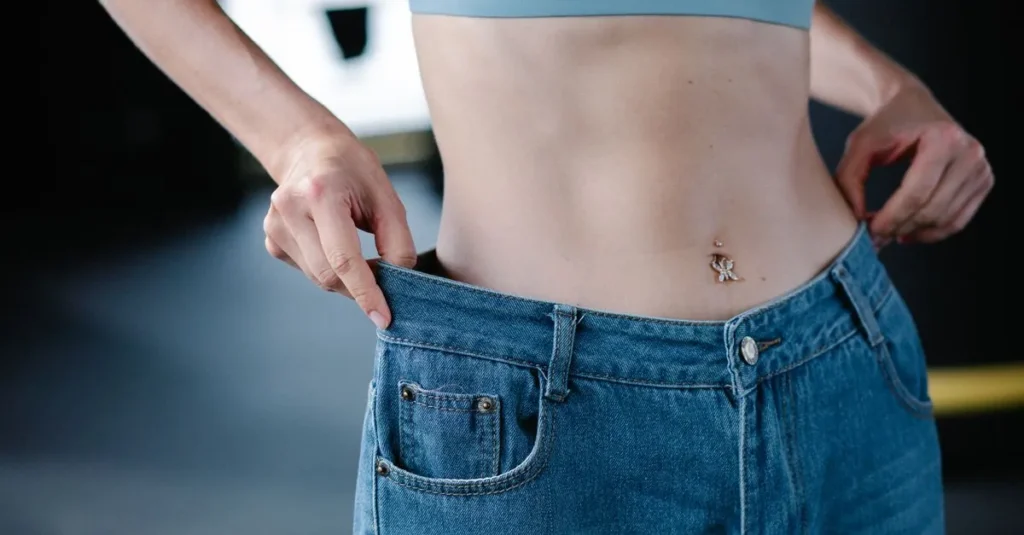
A fat to fit transformation is not a 30-day event. For most people in India it is a 9 to 12 month project with three distinct phases: a reset, a build and a maintenance stretch. The photos online skip the boring middle. This guide lays out the whole roadmap, with realistic numbers, so you know what to do each month and what not to expect.
One honest note first: nobody can promise a specific result, because age, sleep, medical history and starting weight all change the pace. This is a framework, not a guarantee.
How long does a fat to fit transformation take?
For most adults, a genuine fat to fit change takes roughly 9 to 12 months: about 2 months to reset habits, 4 to 6 months to build strength and fitness, then ongoing maintenance. Safe fat loss is usually around 0.25 to 0.75 kg per week, so bigger goals simply take longer.
That can feel slow next to a 21-day challenge, but faster plans tend to cost muscle, energy and mood, and they usually end in regain. If you want the honest picture of what changes at each stage, our guide on before and after weight loss goes deeper into what a real timeline looks like.
The three phases at a glance
Think of the journey as three jobs done in order. Trying to do all three in week one is the most common reason people burn out by week six.
| Phase | Typical duration | Main job | What you will notice | Biggest trap |
|---|---|---|---|---|
| 1. Reset | Weeks 1 to 8 | Fix food structure, sleep, daily steps; learn basic movements | Less bloating, better energy, first drop on the scale, clothes slightly looser | Crash dieting and training six days a week from day one |
| 2. Build | Months 3 to 8 | Progressive strength training, steady moderate calorie deficit, enough protein | Lifting heavier weights, better stamina, visible waist and shape change | Cutting calories further when the scale stalls |
| 3. Maintain | Month 9 onwards | Hold the new weight, keep training, pick new performance goals | Stable weight within about 2 kg, routine feels automatic | Treating the goal weight as the finish line and dropping all structure |
Phase 1: the reset (weeks 1 to 8)
The reset is about making your day predictable, not perfect. A practical order of operations works better than a long list of rules.
- Walk first. Start with whatever step count you do now and add about 1,000 steps every week until you reach 6,000 to 8,000 a day.
- Anchor three meals. Regular breakfast, lunch and dinner with a protein source in each, and one planned snack instead of grazing.
- Protect sleep. Aim for 7 to 8 hours. Poor sleep raises hunger and makes training feel twice as hard.
- Move three times a week. Two short full-body strength sessions and one easier cardio or dance session is plenty to begin with.
- Set a moderate deficit. Usually roughly 300 to 500 kcal below what you maintain on, not a dramatic cut.
Expect the scale to move quickest in the first two to three weeks. Part of that is water, not fat, so do not let a fast start set a false standard for the months ahead.
What does a fat to fit week of training look like?
A beginner fat to fit week works well with three strength sessions of 30 to 40 minutes, plus daily walking and one optional light cardio or dance session. Each strength move uses 2 to 3 sets of 8 to 12 reps with 60 to 90 seconds rest, adding weight only when form stays clean.
| Move | Sets x reps | Rest | Form cue |
|---|---|---|---|
| Squat to a chair or bench | 3 x 8 to 12 | 60 to 90 sec | Knees track over toes, chest tall, push through the whole foot |
| Incline push-up (hands on a table or wall) | 2 to 3 x 8 to 12 | 60 sec | Body in one straight line, elbows about 45 degrees from the ribs |
| Glute bridge | 3 x 10 to 15 | 60 sec | Squeeze at the top, ribs down, do not arch the lower back |
| Dumbbell or water-bottle row | 3 x 10 per side | 60 sec | Flat back, pull the elbow toward the hip, no shrugging |
| Plank | 3 x 20 to 40 sec | 45 to 60 sec | Shoulders over elbows, stop when the hips sag |
| Brisk walk or easy Zumba-style dance | 20 to 30 min | None | Breathing fast but still able to speak a short sentence |
If you carry a lot of extra weight, begin with lower-impact versions and skip jumping until your joints catch up. Sharp joint pain is a signal to stop and get advice. If a coach to watch your form helps, 1-on-1 personal training online lets someone correct the small errors you cannot see yourself.
Phase 2: the build (months 3 to 8)
This is where “fit” gets added to “fat loss”. Strength training becomes the centre of the plan, and the aim is simple progressive overload: a little more weight, an extra rep or a slower tempo each week or two. Cardio supports it, but it does not replace it.
Protein matters more now. Most active adults do well with roughly 1.2 to 1.6 g of protein per kg of body weight each day, spread across meals. For an 80 kg person that is about 95 to 130 g. If you have kidney disease or any condition that affects protein handling, get your doctor or dietitian to set the number instead.
Protein on an Indian plate
| Food | Typical portion | Approx. protein | Approx. kcal |
|---|---|---|---|
| Whole egg | 1 large egg | 6 g | 70 to 75 |
| Paneer | 100 g | 18 to 20 g | about 265 |
| Cooked dal | 1 katori, about 150 g | 7 to 10 g | 150 to 180 |
| Curd (dahi), plain | 200 g | 6 to 8 g | 120 to 130 |
| Soya chunks, dry weight | 30 g | about 15 g | about 100 |
| Cooked chicken breast | 100 g | about 30 g | about 165 |
| Roasted chana | 30 g | 5 to 6 g | about 110 |
These are rounded values and they shift with cooking oil, brand and portion, so treat them as a guide. For a plan built around your own food preferences, budget and any health conditions, an online nutritionist consultation is the better route. Our deeper read on nutrition and fat loss explains how the pieces fit together.
Myth: you have to give up rice, roti and everything you love
You do not. Fat loss comes from a sustained energy deficit, not from banning a food. Rice, roti, idli and poha can all sit in a fat to fit plan if portions are sensible and protein and vegetables sit alongside them. A rule you can follow at a family dinner beats a perfect rule you break every weekend.
Another myth is that you can choose where fat leaves your body. Crunches do not shrink the belly on their own; whole-body fat loss does. If belly fat is your main concern, yoga for belly fat and Zumba for belly fat are good supporting activities, not shortcuts.
Troubleshooting: what to do when progress stalls
A stall in weeks 7 to 10 is normal. Before you change anything, check these in order:
- Measure, do not guess. Take waist, hip and thigh measurements every 2 weeks. The tape often moves while the scale does not.
- Audit the weekend. Two loose days can cancel a five-day deficit without you noticing. Log honestly for one week.
- Check sleep and stress. Under 6 hours of sleep for a week is enough to blunt progress.
- Look at training. If you have lifted the same weights for six weeks, progress has stalled too.
- Wait 2 to 3 weeks. If measurements and strength are improving, the plan is working. Hold the course.
Cutting calories sharply is almost never the right first response; it costs muscle and mood and sets up a rebound.
Festivals, travel and illness: plan for them
A fat to fit year in India includes Diwali sweets, wedding weeks, Holi, Navratri fasts and business travel. Expect three or four disrupted stretches a year. Enjoy the meal, skip the guilt, and return to your normal plan the next day, not the next Monday. Punishing yourself with extreme restriction afterwards usually backfires.
When travelling, aim for “good enough”: a short bodyweight session, protein from the buffet and a walk. After a fever or stomach bug, pause properly, then restart at reduced intensity for about a week.
When to see your doctor first
Speak to a doctor or a registered dietitian before starting if any of the following applies to you. It is a sensible step, not a barrier.
- You have diabetes, thyroid disease, high blood pressure, heart or kidney disease, or a liver condition
- You take regular medication, as diet and exercise changes can affect how it works; never change a dose on your own
- You are pregnant, breastfeeding, or recently had surgery
- You get chest pain, dizziness, unusual breathlessness or fainting during exercise
- You are over 40 and have been sedentary for years, or have joint problems
- You have a history of disordered eating or feel out of control around food
Constant fatigue, hair thinning, missed periods or feeling cold all the time can signal an over-aggressive deficit. Ease off and get it checked.
Who this roadmap suits: three common starting points
The desk worker, 25 to 40. Time is the limit. Three 35-minute strength sessions, walking calls and a packed lunch with protein usually cover it.
The homemaker or mother of young children. Two 20-minute sessions beat one 60-minute session you never get to. The dance-style sessions in online Zumba classes and the slower pacing of online yoga classes both suit a home setting. Our piece on fat to fit girl covers this story.
The beginner with a lot to lose. If you want to lose 20 kg or more, think in stages of about 5 kg, with a short rest from dieting between stages. The first goal should be consistency for 90 days, not a number on the scale.
Tracking progress beyond the scale
Because you are losing fat and building muscle together, the scale tells only part of the story. Use four checks and review them every two weeks, not daily:
- Waist measurement at the navel, same time of day
- Strength log of weights and reps for each lift
- Photos in the same light and clothing once a month
- Everyday tests such as stairs without stopping, a 2 km walk time, or holding a plank for 60 seconds
Weigh in on the same morning each week and look at the 4-week average, not single readings.
Phase 3: maintain (month 9 onwards)
Maintenance is the least discussed phase and the one that decides whether the change lasts. Raise calories gradually, by roughly 100 to 150 kcal a week, until your weight stops dropping. Keep strength training two to three days a week, keep walking daily and keep the protein habit. Choose a new performance goal, such as a first 5 km, a pull-up or a regular class, so the routine has a purpose beyond the mirror.
Weight drifting by a kilogram or two is normal. Act only if it trends one way for three or four weeks.
Frequently asked questions
How long does a fat to fit transformation take?
Most people need about 9 to 12 months for a visible, lasting change in both body fat and fitness. A larger weight-loss goal takes longer. The first 8 weeks build habits, the next several months build strength, and then maintenance begins.
Can I go from fat to fit in 30 days?
In 30 days you can build habits, improve energy and may lose a few kilograms, but a full fat to fit change is not realistic in that time. Plans promising it usually rely on crash dieting, which costs muscle and tends to end in regain.
How much weight can I safely lose per week?
For most adults, roughly 0.25 to 0.75 kg per week is a sustainable range, and faster early losses are often partly water. If you have a medical condition or take medication, ask your doctor what pace suits you.
Do I need a gym to get fit?
No. Squats, bridges, incline push-ups, rows with water bottles or dumbbells and planks cover the basics at home. A gym or resistance bands become useful later, when bodyweight moves feel too easy.
What should I do if my weight stops dropping?
First check your measurements, sleep, weekend eating and training progress. If waist size and strength are improving, wait 2 to 3 weeks before changing anything. If nothing has changed in a month, adjust food or activity slightly rather than cutting sharply.
Next step: want a phase-by-phase plan matched to your schedule, food habits and health history? Book a session with a FitStrot online weight loss trainer and start with the reset phase this week.


