

The best bollywood zumba songs are not simply this year’s biggest film hits. They are tracks with a steady, countable beat, a clear rise in energy and a rhythm your body can follow without thinking. This guide shows how to choose them, where each type of song belongs in a 45-minute session, and how to fix a playlist that feels flat. It works whether you dance in one of our online classes or in your living room.
What makes a Hindi film track work as a Zumba song?
A track works for Zumba when it has a steady beat you can count in eights, a tempo your heart rate can follow, and a clear shape with an intro, a build and a lift. Hindi songs for Zumba need no lyric knowledge. Rhythm drives the choreography, so a track that keeps changing tempo is hard to teach.
Four qualities matter more than how famous a song is:
- A steady pulse. You should find the “one” of each eight-count within a few seconds. Dhol-led and drum-machine tracks make this easy.
- Clear phrasing. Good tracks change every 8 or 16 counts, which gives you natural points to switch moves.
- An energy arc. A song that starts at full volume and stays flat tires people out. A gentle opening that lifts at the chorus keeps them moving.
- A hook you can move to. Bhangra brings bouncing shoulders and lifted arms. Film dance numbers bring hand gestures and hip sways that people recognise instantly, which keeps beginners engaged.
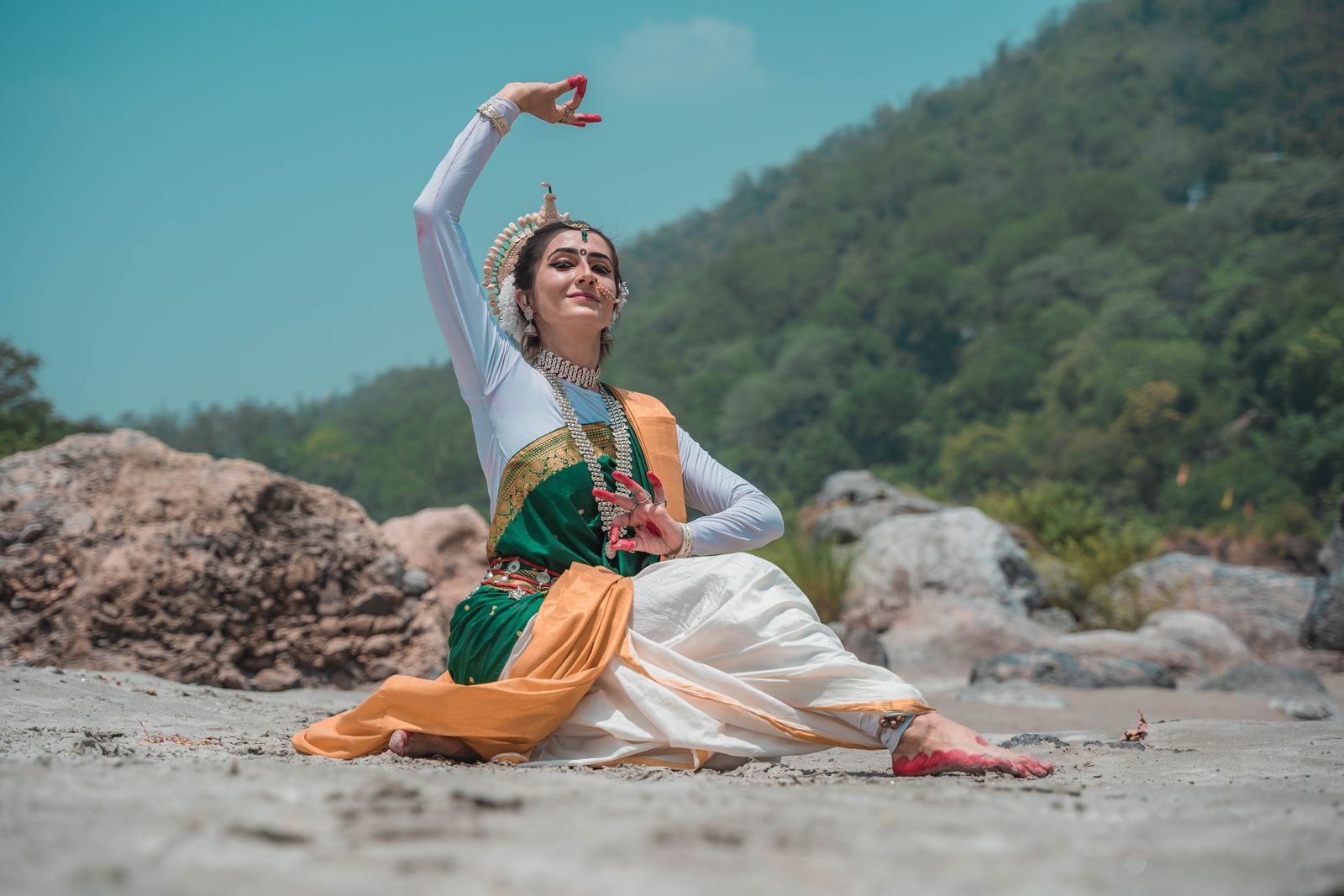
Song types and where they fit in a class
Most Bollywood Zumba playlists are built from six song types. Each has a job. Use the table to decide where a track belongs before you worry about which specific song to pick. Energy scores are our own rough 1 to 10 scale, not a measured figure.
| Song type | How it feels | Energy (1-10) | Best slot | Typical movement |
|---|---|---|---|---|
| Bhangra and dhol-led tracks | Punchy, driving, bouncy | 8-9 | Peak blocks | Shoulder bounces, arm lifts, jumps (or low-impact bounces) |
| Punjabi pop and club remixes | Heavy bass, electronic | 7-9 | Peak blocks | Hops, pumping arms, quick side steps |
| Garba and dandiya-style film tracks | Circular, clapping, steady | 6-8 | Build or breather | Clap-and-turn patterns, circling steps |
| 90s and 2000s film dance numbers | Familiar, melodic, mid-tempo | 5-7 | Warm-up and build | Grapevines, hip sways, hand gestures |
| Classical-tinged film tracks | Rhythmic, footwork-heavy | 4-6 | Skill or breather | Footwork patterns, wrist and hand work |
| Slow romantic or sufi-style tracks | Smooth, sustained | 1-3 | Cooldown | Slow sways, stretches, deep breaths |
If you want the full choreography side of this fusion format, our guide to Bollywood Zumba explains how the moves are built around these musical elements.
Two habits make the table above easier to use. First, label every song with its type and an energy score the moment you add it, so you can reshuffle in seconds. Second, keep one spare track per block. A song that looked perfect on paper sometimes falls flat once the room is warm, and having a swap ready saves the session.
How do you build a bollywood zumba playlist step by step?
Plan 10 to 14 songs for a 45-minute class, since most film tracks run about 3 to 4 minutes. Use two warm-up songs, three build songs, two or three peak songs, one breather, another peak block and two cooldown songs. Put your strongest Bhangra or remix track about two-thirds of the way through, not first.
| Block | Minutes | Tracks | Energy (1-10) | What you do |
|---|---|---|---|---|
| Warm-up | 0-6 | 2 | 3-5 | Marching, shoulder rolls, easy side steps |
| Build | 6-16 | 3 | 5-7 | Add arm patterns, turns and grapevines |
| Peak 1 | 16-26 | 2-3 | 8-9 | Bhangra bounces, jumps or their low-impact swaps |
| Breather | 26-30 | 1 | 4-5 | Garba-style clap steps, sip of water |
| Peak 2 | 30-39 | 2-3 | 8-9 | Repeat your best moves, then add speed |
| Cooldown | 39-45 | 2 | 1-3 | Slow sways, stretches, easy breathing |
Reading tempo without chasing numbers
Tempo is easier to judge by feel than by figures. A warm-up track should feel like a brisk walk, a peak track like a jog you can still dance to, and a cooldown track like a slow stroll. If you do want numbers, warm-ups sit at about 90 to 110 beats per minute and peaks at about 120 to 140, but treat those as rough guides. A dhol-heavy track can feel very fast yet be easy to dance at half the pace, which is useful for beginners.
The ten-second test for any track
- Play ten seconds and tap along. If you cannot find the “one” of the eight-count, skip it.
- Listen for the first change. Good tracks shift every 8 or 16 counts.
- Check the version. Radio edits suit tight classes, while long remixes need extra moves to avoid repetition.
- Check the length. Anything beyond 5 minutes tends to drag unless it has a real second wind.
- Check the vocals. If the singing is so loud you cannot hear an instructor’s cues, lower the volume or choose another version.
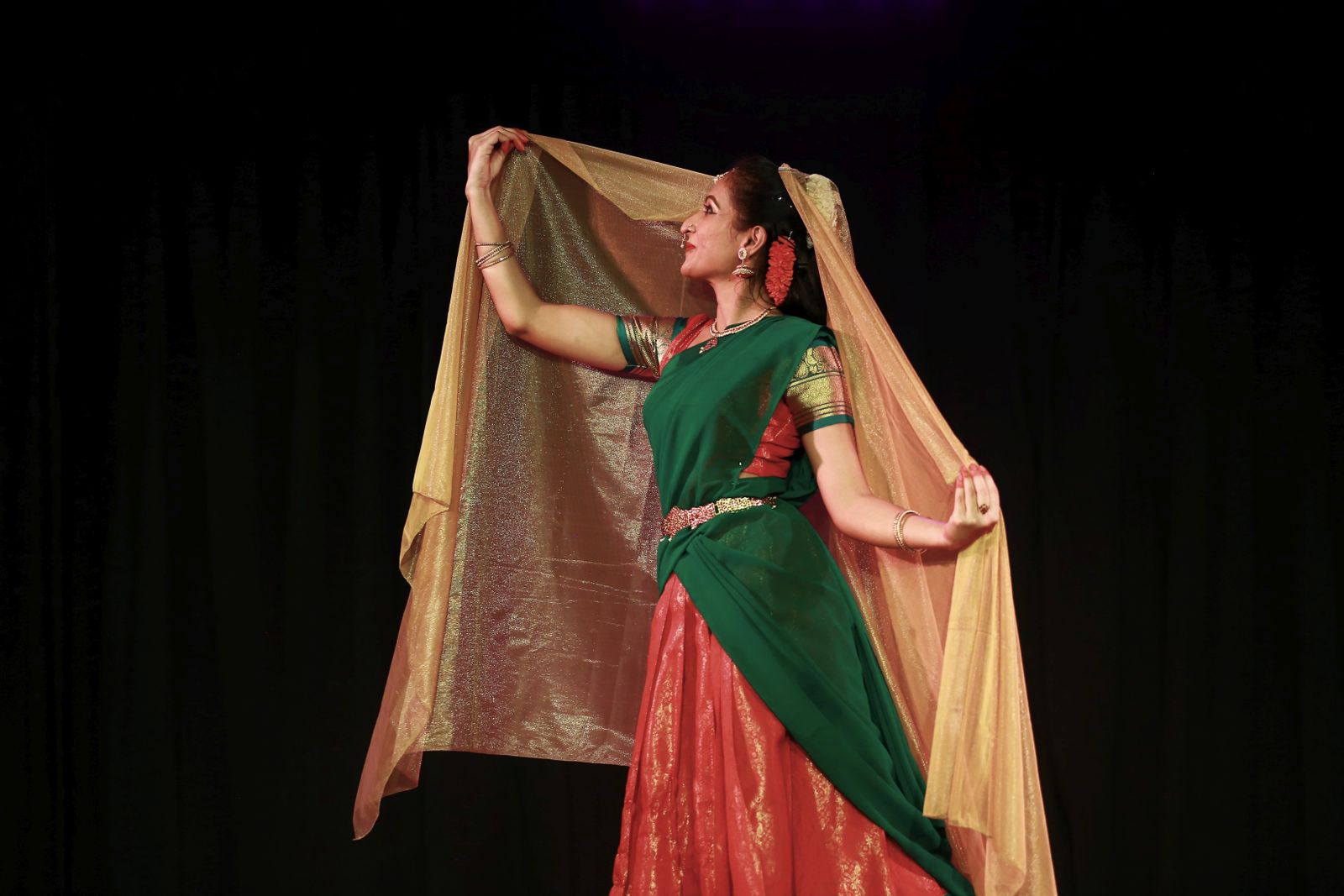
Myth check: any popular Bollywood song makes a good Zumba track
Myth 1: popular means danceable. Some of the most loved film songs are slow, tempo-shifting or built around a melody rather than a beat. They are lovely to listen to and poor for a cardio block. Save them for the cooldown, where a gentle pace helps.
Myth 2: you must understand Hindi. You do not. The class runs on rhythm and movement cues, and most people follow the counts rather than the words. Knowing the song helps with enjoyment, not with technique.
Myth 3: a faster song is a harder workout. Intensity comes from how big, how low and how often you move. A mid-tempo track danced with full arm and leg range can feel tougher than a fast one danced with small steps.
Myth 4: this style is only for people who grew up with Bollywood. Not so. Newcomers pick it up quickly because the counts are simple. It does help to treat the music with respect for its film and folk roots rather than as a random list of songs, and members who love the genre tend to notice the care.
Troubleshooting a playlist that is not working
Most playlist problems come from order, not song choice. If a session feels off, find the symptom in the table and make one change at a time.
| What you notice | Likely cause | Fix |
|---|---|---|
| Energy fades around minute 25 | Too many mid-tempo tracks in a row | Place a Bhangra or remix track here, then a short dip |
| Beginners keep losing the beat | Tempo changes or heavy filler beats | Choose steady four-beat tracks and cue the counts out loud |
| Knees or ankles feel sore after peaks | Too many jumps back to back | Switch every other jump to a low-impact bounce and add a breather |
| People stand still during slow songs | Cooldown tracks arrive too early | Move slow songs to the final 6 minutes |
| Every song feels the same | Playlist uses one song type only | Mix at least three types from the first table |
| You cannot hear the cues | Vocal-heavy mix at high volume | Lower the volume and pick versions with instrumental breaks |
On effort, a session like this burns about 250 to 450 kcal for most adults, depending on body weight and how hard you move. That is an estimate, not a promise. If you have knee, back or heart concerns, or you are pregnant, check with your doctor before adding jumps or high-impact peaks.
Playlists for beginners, members over 40 and office groups
Beginners. Lean on 90s and 2000s film numbers and garba-style tracks. They are familiar, steady and forgiving. Keep the peak blocks to two songs and offer a low-impact version of every jump. Our guide to how to do Zumba at home covers the space, shoes and warm-up you need before you start.
Members over 40 or returning after a break. Choose mid-tempo tracks with clear counts, and spend more of the class in the 5 to 7 energy range. Keep a longer cooldown of 8 minutes and bring in some stretch time. If you want a calmer finish, pairing a session with Zumba and yoga is a natural fit.
Office and corporate groups. Short sessions of 30 minutes work best with one peak block, plenty of familiar numbers and no steps that need floor space beyond a chair’s length. Familiar songs get colleagues moving faster than unknown tracks.
If your goal is shaping rather than stamina, build the peaks around bigger, lower movements and see Zumba toning for how that changes the choreography.
Setting up the music for an online session
Online classes add a few practical points. Play the music through a speaker rather than laptop speakers, because bass-heavy Bhangra tracks sound thin and tinny otherwise. Set the volume so you can still hear cues, and keep the screen at a height where you can see the instructor without craning your neck. Clear a space about two arm-lengths wide in every direction, wear supportive trainers and keep water within reach. If neighbours are close, choose lower-bass versions of your peak tracks and use low-impact bounces so you stay quiet on the floor.
Where can you find bollywood zumba songs and playlists?
Search your music app for “Bollywood Zumba”, “Bhangra workout” or “Hindi dance workout” to find pre-built playlists, then copy the tracks you like into your own list. Treat them as raw material, not a finished class: reorder by energy, trim long intros and test each track for ten seconds before you commit.
Once you have a pool of 25 to 30 songs, sort them into the six types in the first table. You can then build several 45-minute sessions without repeating the same order twice. Many instructors also mix in a Latin track or two, such as salsa or reggaeton, to add variety. Our list of the best Zumba songs covers that wider mix.
Fitstrot’s online Zumba classes are led by Yash Pathak, our lead Zumba trainer (ZIN Licensed, ACE Certified, Strong Nation Certified). If you would rather not build playlists yourself, a trained instructor handles song order and cueing for you. You can compare formats in our guide to online Zumba classes.
Questions people ask about bollywood zumba songs
How many songs do I need for a 45-minute Bollywood Zumba class?
Plan 10 to 14 songs, because most film tracks last about 3 to 4 minutes. Keep two for the warm-up, three for the build, four to six for the two peak blocks, one breather and two for the cooldown.
Do I need to know Hindi to dance to Hindi songs for Zumba?
No. Classes run on rhythm, counts and movement cues rather than lyrics. Knowing a song can make it more fun, but it is not needed to follow the choreography.
Can I mix Bollywood songs with Latin Zumba tracks in one session?
Yes. Many instructors blend both. Alternate by energy rather than by genre, for example a Bhangra peak followed by a slower Latin breather, so the intensity keeps rising and dipping.
Is a Bollywood Zumba playlist different from a normal Zumba playlist?
The structure is the same, with a warm-up, peaks, a breather and a cooldown. The difference is the music: Hindi film, Bhangra and garba-style tracks replace much of the Latin base, which changes the arm patterns and footwork.
How do I choose Bollywood songs for a Zumba cooldown?
Pick slow, smooth tracks you can sway to, ideally with a quiet instrumental section. Aim for two songs and about 6 minutes in total, and pair them with gentle stretching of the calves, hips, shoulders and chest.
If you would like a trained instructor to handle the playlist and the counts, join an online Zumba class with Fitstrot and dance through a full Bollywood-style session this week.


