
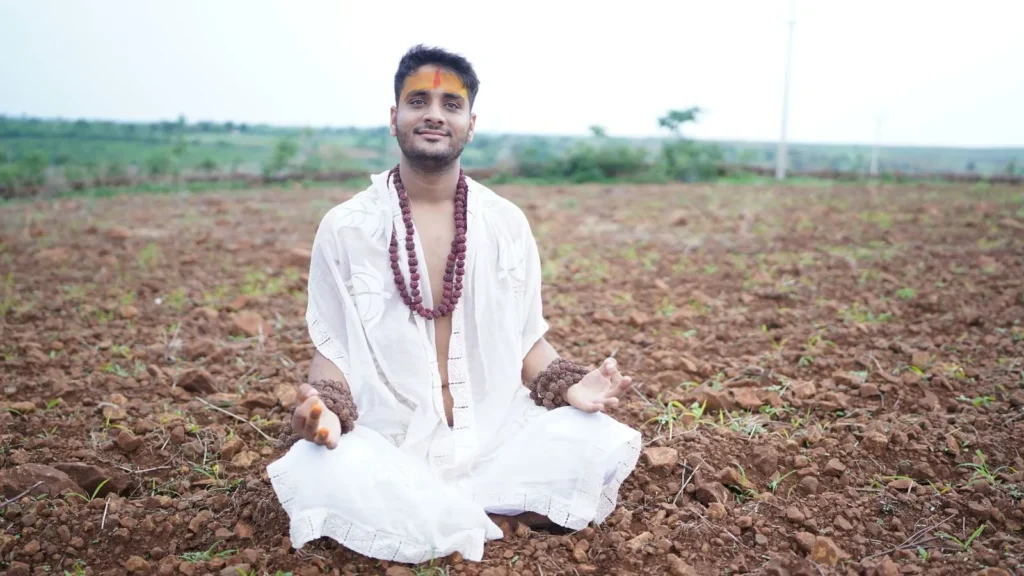
The 8 limbs of yoga are the eight-step path set out by the sage Patanjali in the Yoga Sutras of Patanjali: yama, niyama, asana, pranayama, pratyahara, dharana, dhyana and samadhi. Most people meet only the third limb, posture, in a class. This guide shows what each limb actually asks of you and how to practise all eight in an ordinary Indian day, with a 20-minute routine you can start tonight.
What are the 8 limbs of yoga, in order?
The eight limbs of yoga, in Patanjali’s order, are yama (ethical restraints), niyama (personal observances), asana (steady posture), pranayama (breath regulation), pratyahara (turning the senses inward), dharana (concentration), dhyana (meditation) and samadhi (absorption). The Sanskrit “ashtanga” simply means “eight limbs”, and the list appears in the second chapter of the Sutras.
Think of the sequence as a ladder that moves inward. The first two limbs shape how you behave with others and with yourself. The next two train the body and breath. The last three train the mind. Teachers often call the first five the “outer” limbs and the last three the “inner” limbs, with pratyahara as the hinge between the two groups.
Patanjali compiled these ideas in the Sutras, which are a set of close to 200 short aphorisms. Scholars still debate the exact date, but a common estimate is somewhere between 1,600 and 2,200 years ago. He was organising older teachings rather than inventing something new. If you want the wider text first, our guide to the Yoga Sutra covers its four chapters, and what yoga is gives the big picture.
Which limb does what? A quick-reference table
Each of the eight limbs maps to one small daily action: yama to honest, non-harming behaviour, niyama to a self-care habit, asana to 10 to 15 minutes of steady posture, pranayama to 3 to 5 minutes of slow breathing, pratyahara to a short phone-free pause, then 5 minutes each of focus and open meditation as skills grow.
| Limb | Plain meaning | A daily action you can do | Time needed |
|---|---|---|---|
| 1. Yama | Ethical restraints | Speak truthfully in one tough conversation; skip one needless purchase | Built into the day |
| 2. Niyama | Personal observances | Fixed wake time, clean workspace, 5 lines of journaling | 5 minutes |
| 3. Asana | Steady, comfortable posture | Gentle stretches, then a seated hold for 2 to 3 minutes | 10 to 15 minutes |
| 4. Pranayama | Breath regulation | Slow breathing with a longer exhale, counted 4 in and 6 out | 3 to 5 minutes |
| 5. Pratyahara | Withdrawing the senses | Eyes closed, phone in another room, ignore passing sounds | 2 to 3 minutes |
| 6. Dharana | Concentration | Rest attention on the breath at the nostrils, return when it drifts | 5 minutes |
| 7. Dhyana | Meditation | Let the same focus run without effort, as it settles | 5 minutes, over weeks |
| 8. Samadhi | Absorption | Not practised directly; it is a result, not a task | None |
The five yamas and five niyamas: the ethics layer
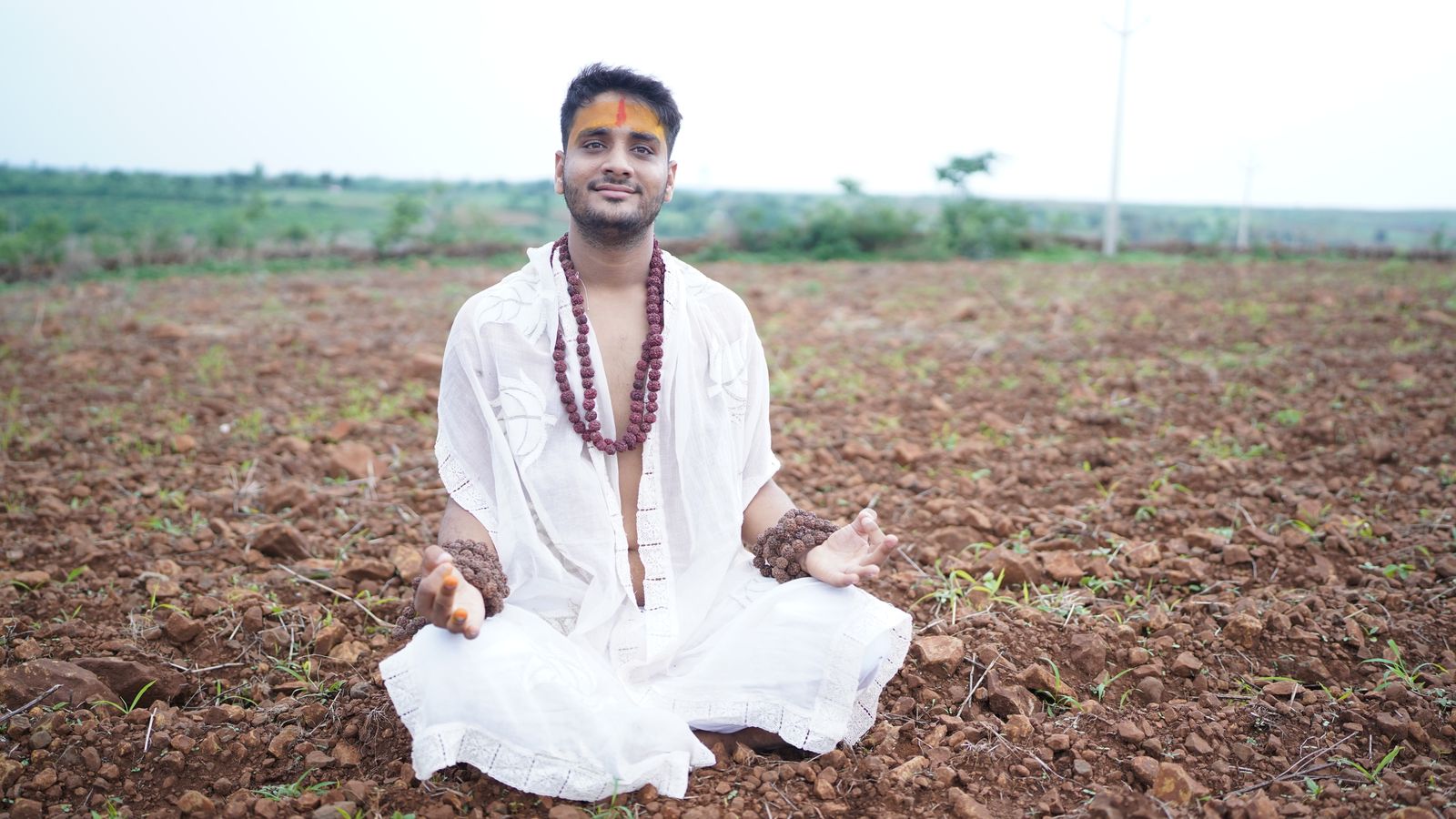
The yamas are five restraints: ahimsa (non-harming), satya (truthfulness), asteya (non-stealing), brahmacharya (wise use of energy) and aparigraha (non-grasping). The niyamas are five observances: saucha (cleanliness), santosha (contentment), tapas (disciplined effort), svadhyaya (self-study) and ishvara pranidhana (surrender to something larger than yourself).
These two limbs are the part most modern classes skip, and they are the most practical. Ahimsa can mean not sending the sarcastic reply, or not punishing yourself with a brutal workout after a heavy meal. Satya can mean telling your manager you need an extension instead of promising something impossible. Aparigraha can be as small as clearing the clothes you have not worn in a year.
On the niyama side, tapas is the one gym-goers recognise: showing up when motivation is low. Santosha is the counterweight, a reminder to be content with today’s effort instead of comparing your body to a stranger’s feed. For a deeper walk through all ten, read our guide to yamas and niyamas.
Asana and pranayama: the body and breath limbs
In the Sutras, asana is defined as “sthira sukham asanam”, a posture that is steady and comfortable. It originally meant a stable seat for meditation. Pranayama is the deliberate lengthening and regulation of breath, practised after the body is settled. Together they prepare the nervous system for the inner limbs.
The huge range of standing poses, twists and inversions seen today grew mostly out of later hatha traditions and modern schools. That is not a flaw. A body that is stiff or restless makes sitting still miserable, so movement is a sensible on-ramp. You can explore the styles in our types of yoga overview, or compare Hatha yoga and Vinyasa yoga to see which suits your pace.
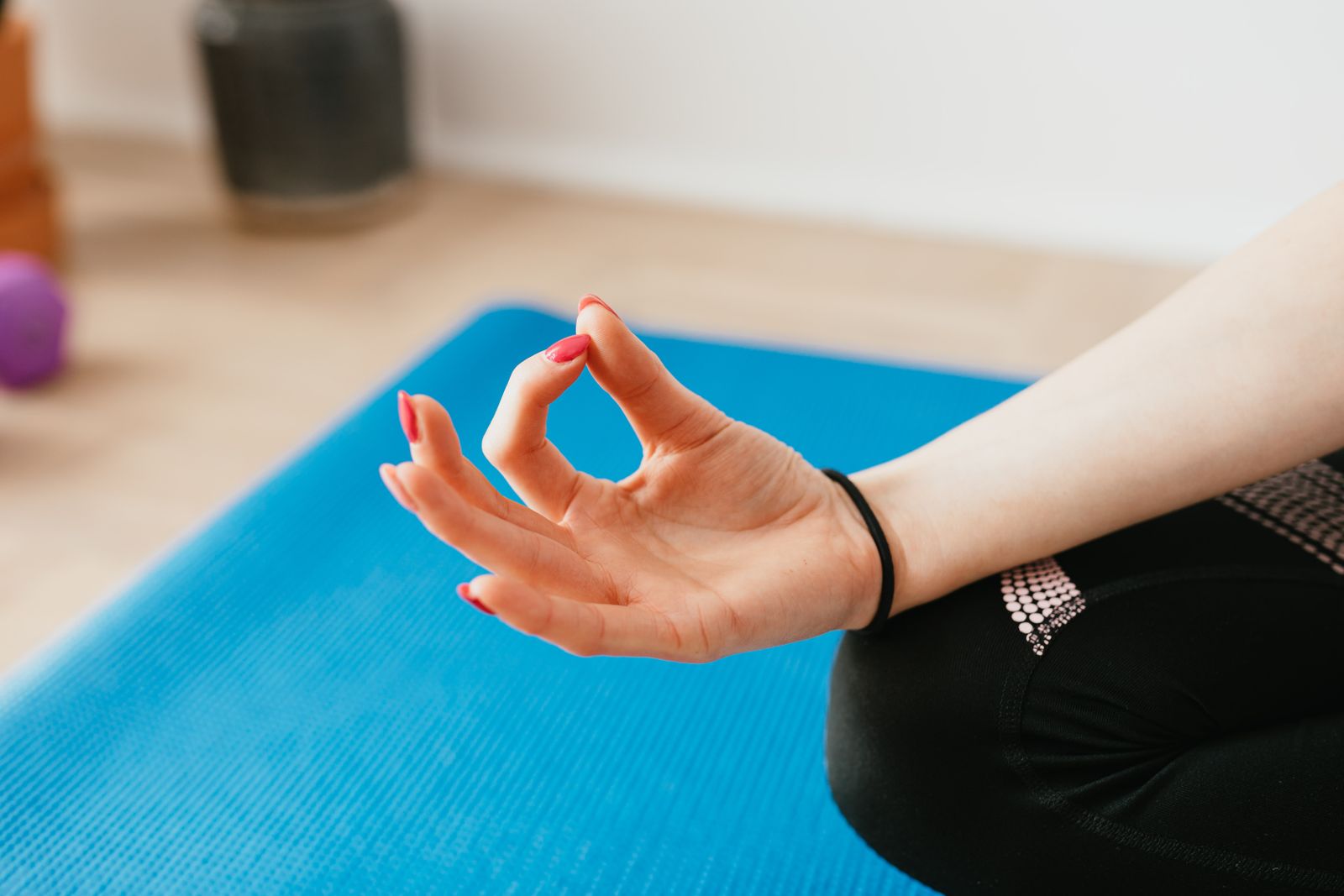
For pranayama, start gentle: slow breathing through the nose, a longer exhale than inhale, no strain and no breath-holding. Forceful techniques such as kapalabhati are better learned with a teacher. Skip them and speak to your doctor first if you are pregnant, have high blood pressure, a heart condition, hernia or recent surgery, or if you feel dizzy at any point.
Pratyahara, dharana, dhyana and samadhi: the inner four
Pratyahara is withdrawing attention from external noise so the mind can look inward. Dharana is holding attention on one point, such as the breath, for a few minutes. Dhyana is that same attention flowing without effort. Samadhi is complete absorption, a state Patanjali describes as the end result of the earlier limbs, not a technique.
A useful way to tell dharana and dhyana apart: in dharana you are still “trying” and gently pulling the mind back. In dhyana the trying fades and attention rests on its own. Do not expect dhyana in week one. Most beginners spend months in dharana, and that is normal, not failure.
Samadhi deserves honesty. It is described as a rare, advanced state, and nobody can promise it from an app or a 30-day course. Treat it as the direction of travel and put your energy into the limbs you can practise today. Our meditation for beginners guide is a good next step for building the dharana habit.
Is Ashtanga yoga the same as the eight limbs? A myth worth correcting
No. “Ashtanga” in Patanjali’s text means eight-limbed and describes the whole path. “Ashtanga Vinyasa” is a modern, physically demanding posture system that follows a fixed sequence. It claims the eight limbs as its philosophy, but the two are not the same thing, and doing a vigorous class does not mean you have practised all eight.
Two more myths come up often. First, that the limbs are a strict ladder you must finish before moving on. In real life most people work on several together: you can practise asana and ahimsa in the same week. Second, that yoga is only exercise. Physical practice has real value for flexibility, strength and stress, but Patanjali treats it as one limb of eight, not the whole system.
You may also see a six-limbed list in some later hatha texts, which drop yama and niyama and add techniques of their own. That is a different tradition with different priorities, so a mismatch in numbers usually reflects the source, not an error. If a source matters to you, check it against a reliable translation.
A 20-minute daily routine that touches all eight limbs
A simple 20-minute sequence can cover every practicable limb: 2 minutes setting one ethical intention, 8 minutes of gentle asana, 4 minutes of slow breathing, then 6 minutes of seated quiet with focus on the breath. Samadhi stays a distant direction, not a daily target.
| Minutes | What you do | Limb covered | Form cue |
|---|---|---|---|
| 0 to 2 | Sit, choose one intention: “No harsh words today” or “Honest about my limits” | Yama, niyama | Keep it to one sentence |
| 2 to 10 | Neck and shoulder rolls, cat-cow, forward fold, easy twist, then a seated hold | Asana | Stop before pain; spine tall, shoulders soft |
| 10 to 14 | Breathe in for 4 counts, out for 6, through the nose | Pranayama | No strain, no breath-holding |
| 14 to 16 | Eyes closed, let outside sounds pass without following them | Pratyahara | Phone out of reach |
| 16 to 20 | Rest attention at the nostrils; return gently each time you drift | Dharana, then dhyana | Count drifts as practice, not failure |
Practise it five or six days a week for a month before judging it. If 20 minutes feels like too much, begin with 10 and keep the proportions. Consistency matters more than length. A few minutes done daily builds the habit that long, irregular weekend sessions do not. Our yoga at home guide shows how to set up a quiet, safe corner for it.
Where practice goes wrong: common sticking points
People usually stall because they skip the ethics, rush pranayama, expect quick results from meditation or force posture past comfort. Fixes are practical: pick one yama to work on per week, keep breathing gentle, treat a wandering mind as normal, and let steady and comfortable guide every pose.
- “My mind will not stop.” A busy mind is the starting condition, not a sign you are bad at it. Count each return to the breath as a repetition.
- “I only have time for asana.” Then add 3 minutes of slow breathing after it. That alone brings in a second limb.
- “I feel sleepy when I sit.” Meditate earlier in the day, sit upright on a cushion rather than leaning on a wall, and keep your eyes softly closed.
- “Yamas feel preachy.” Treat them as experiments. Pick one for a week and notice what changes in your mood and relationships.
- “My knees hurt in a cross-legged seat.” Sit on a folded blanket or a chair. The Sutras ask for comfort, not a lotus.
If pain, dizziness, anxiety or low mood persists, or you live with a medical condition, speak to your doctor before changing your practice. Yoga is a supportive habit, not a replacement for medical care.
The eight limbs for office workers, students and beginners in India
For a nine-to-six worker, the easiest wins are a two-minute breathing pause between meetings and a phone-free walk after dinner. Students can use dharana as a study aid: five minutes of focus on the breath before a revision block. Beginners should start with asana, 10 minutes a day, and add one limb every two weeks.
A realistic first month could look like this. Week one is a short asana session and one yama intention. Week two adds three minutes of slow breathing. Week three adds a short phone-free sit. Week four lengthens that sit to five minutes. Notice the pattern: you add, you do not overhaul. Festival weeks, travel and exam stress will disrupt it, and the answer is to drop back to the five-minute version instead of quitting.
For a broader view of what regular practice offers, see the benefits of yoga, and for guided structure from certified teachers, FitStrot’s online yoga classes are built for exactly this progression.
Frequently asked questions about the 8 limbs of yoga
What are the 8 limbs of yoga?
They are yama, niyama, asana, pranayama, pratyahara, dharana, dhyana and samadhi, as taught by Patanjali in the Yoga Sutras. Together they form a path that moves from ethical conduct through body and breath practices into concentration, meditation and absorption.
How many limbs of yoga are there?
Patanjali’s classical system has eight limbs, which is the most widely cited answer. Some later hatha texts describe a six-limbed path with a different set of practices, so the number can vary with the source text, but eight is the standard reference.
Do I have to practise the limbs in order?
No. The order shows a natural progression, but in daily life most people work on several limbs at once. A sensible approach is to begin with asana and one yama, then add breathing and short meditation as your comfort grows.
Is Ashtanga yoga the same as the eight limbs of yoga?
No. “Ashtanga” in the Sutras means eight-limbed and refers to the whole path. Ashtanga Vinyasa is a modern, fixed-sequence posture style that draws on that philosophy, so a posture class alone does not cover all eight limbs.
Can beginners practise all eight limbs?
Yes, in a simple form. A beginner can pair one honest daily intention, 10 minutes of gentle posture, 3 minutes of slow breathing and a few minutes of quiet focus. Samadhi is not a beginner goal and is not something to chase.
Next step: try the 20-minute routine above for seven days, then book a session with a FitStrot teacher via our online yoga classes to refine your posture and breathing.


