

A 5 day split workout trains five days a week and rests two, giving each major muscle group enough weekly sets to grow without cramming everything into one marathon session. This page gives you a complete 5 day workout plan built on an upper/lower plus push/pull/legs structure, with sets, reps, rest times and a form cue for every exercise.
It also covers adjusting the week for muscle gain or fat loss, building up to five days as a beginner, and who should train fewer days. Still choosing between split styles in general? Start with our guide to the best workout split.
Is a 5 day split workout the right frequency for you?
A 5 day split suits lifters with roughly six months or more of consistent training who can reliably reach the gym five times a week and sleep at least 7 hours a night. The American College of Sports Medicine’s 2009 position stand recommends 2–3 days for novices, 3–4 for intermediates and 4–5 for advanced lifters.
That recommendation comes from the ACSM progression models position stand (2009), which defines an intermediate trainee as someone with about six months of consistent resistance training. The point is not that five days is “better” than three. It is that five sessions spread 10–16 hard sets per muscle across the week while keeping each workout to 60–75 minutes.
Five days is also comfortably above the public-health floor. The NHS adult guidelines ask for strengthening work on all major muscle groups on at least 2 days a week plus 150 minutes of moderate aerobic activity. A 5 day plan covers the strength side several times over, so the question becomes recovery, not whether you are doing enough.
5 day gym split options compared
Four common layouts fit five training days. They differ mainly in how often each muscle is trained and how long sessions run.
| Split | Weekly layout | Times each muscle is trained | Typical session length | Best for |
|---|---|---|---|---|
| Upper / Lower + Push / Pull / Legs (used below) | Upper, Lower, rest, Push, Pull, Legs, rest | 2x per week | 60–75 min | Intermediate lifters wanting strength and size |
| Classic “bro split” | Chest, Back, Shoulders, Legs, Arms | 1x per week (arms get indirect work) | 60–90 min | Advanced lifters who enjoy very high per-session volume |
| Push / Pull / Legs / Upper / Lower | Push, Pull, Legs, rest, Upper, Lower, rest | 2x per week | 60–75 min | Same goals as the hybrid, different order |
| Full body x5 | Five short full-body sessions | 4–5x per week, low volume each time | 35–50 min | Busy schedules, athletes, home gyms |
If you already run a pure push/pull/legs rotation, our push pull legs workout guide covers that layout in depth. The hybrid here adds two heavier “upper” and “lower” days so each muscle gets one strength-focused exposure and one higher-rep exposure every week.
The 5 day gym workout plan: full week with sets, reps and rest
Use Monday–Tuesday and Thursday–Saturday as training days, with Wednesday and Sunday off. If your week is different, keep the order and just make sure no more than three training days run back to back. Every working set should end 1–3 reps short of failure: hard, but with clean form.

| Day | Exercise | Sets x reps | Rest | Form cue |
|---|---|---|---|---|
| Day 1 – Upper (strength) | Barbell bench press | 4 x 5–7 | 2–3 min | Shoulder blades pinched, feet planted, bar to lower chest |
| Barbell bent-over row | 4 x 6–8 | 2–3 min | Hinge to about 45°, pull the bar to your navel | |
| Standing overhead press | 3 x 6–8 | 2 min | Squeeze glutes so the lower back does not arch | |
| Lat pulldown | 3 x 8–10 | 90 s | Drive elbows down to your ribs, no swinging | |
| Dumbbell curl + triceps pushdown (superset) | 2 x 10–12 each | 60 s | Elbows stay pinned at your sides | |
| Day 2 – Lower (strength) | Barbell back squat | 4 x 5–7 | 3 min | Brace before descending, knees track over toes |
| Romanian deadlift | 3 x 6–8 | 2–3 min | Push hips back, bar stays close to thighs | |
| Walking lunge | 3 x 10 per leg | 90 s | Long stride, torso upright, back knee near floor | |
| Lying leg curl | 3 x 10–12 | 90 s | Control the lowering for 2 seconds | |
| Standing calf raise | 3 x 10–15 | 60 s | Pause 1 second at the bottom stretch | |
| Plank | 3 x 30–45 s | 60 s | Ribs down, glutes tight, straight line head to heel | |
| Day 3 – Rest or 30–40 min brisk walk, yoga or mobility | ||||
| Day 4 – Push (hypertrophy) | Incline dumbbell press | 3 x 8–12 | 2 min | Bench at 30°, lower until a deep chest stretch |
| Flat dumbbell or machine press | 3 x 10–12 | 90 s | Wrists stacked over elbows | |
| Seated dumbbell shoulder press | 3 x 8–12 | 90 s | Back against pad, press slightly in front of the head | |
| Dumbbell lateral raise | 3 x 12–15 | 60 s | Lead with elbows, stop at shoulder height | |
| Cable fly | 2 x 12–15 | 60 s | Soft elbows, hug a wide tree | |
| Overhead cable triceps extension | 3 x 10–12 | 60 s | Elbows point forward, full stretch behind the head | |
| Day 5 – Pull (hypertrophy) | Pull-up or assisted pull-up | 3 x 6–10 | 2 min | Start from a dead hang, chest to the bar |
| Seated cable row | 3 x 10–12 | 90 s | Sit tall, pull handle to lower ribs | |
| Single-arm dumbbell row | 3 x 10–12 per side | 90 s | Pull elbow toward hip, not straight up | |
| Face pull | 3 x 12–15 | 60 s | Rope to forehead, thumbs point back | |
| Incline dumbbell curl | 3 x 10–12 | 60 s | Arms hang behind the torso for a full stretch | |
| Hammer curl | 2 x 12 | 60 s | Neutral grip, no shoulder shrug | |
| Day 6 – Legs (hypertrophy) | Trap-bar or conventional deadlift | 3 x 4–6 | 3 min | Push the floor away, lockout with glutes not lower back |
| Leg press | 3 x 10–12 | 2 min | Lower until hips start to tuck, then stop | |
| Bulgarian split squat | 3 x 8–10 per leg | 90 s | Front foot far enough that the heel stays down | |
| Leg extension | 2 x 12–15 | 60 s | Pause 1 second at the top | |
| Seated calf raise | 3 x 12–15 | 60 s | Full range, no bouncing | |
| Hanging knee raise | 3 x 10–15 | 60 s | Curl the pelvis up, do not just lift the legs | |
| Day 7 – Full rest | ||||
Added up across the week, chest gets about 12 hard sets, back about 16, quads about 15 and hamstrings about 9 (plus indirect work from deadlifts). That lands in the “10+ sets per muscle per week” range that a 2017 meta-analysis of 15 studies by Schoenfeld and colleagues linked with the largest muscle gains; each extra weekly set was associated with roughly 0.37% more growth in that analysis.
Rest periods: why the heavy days get 2–3 minutes
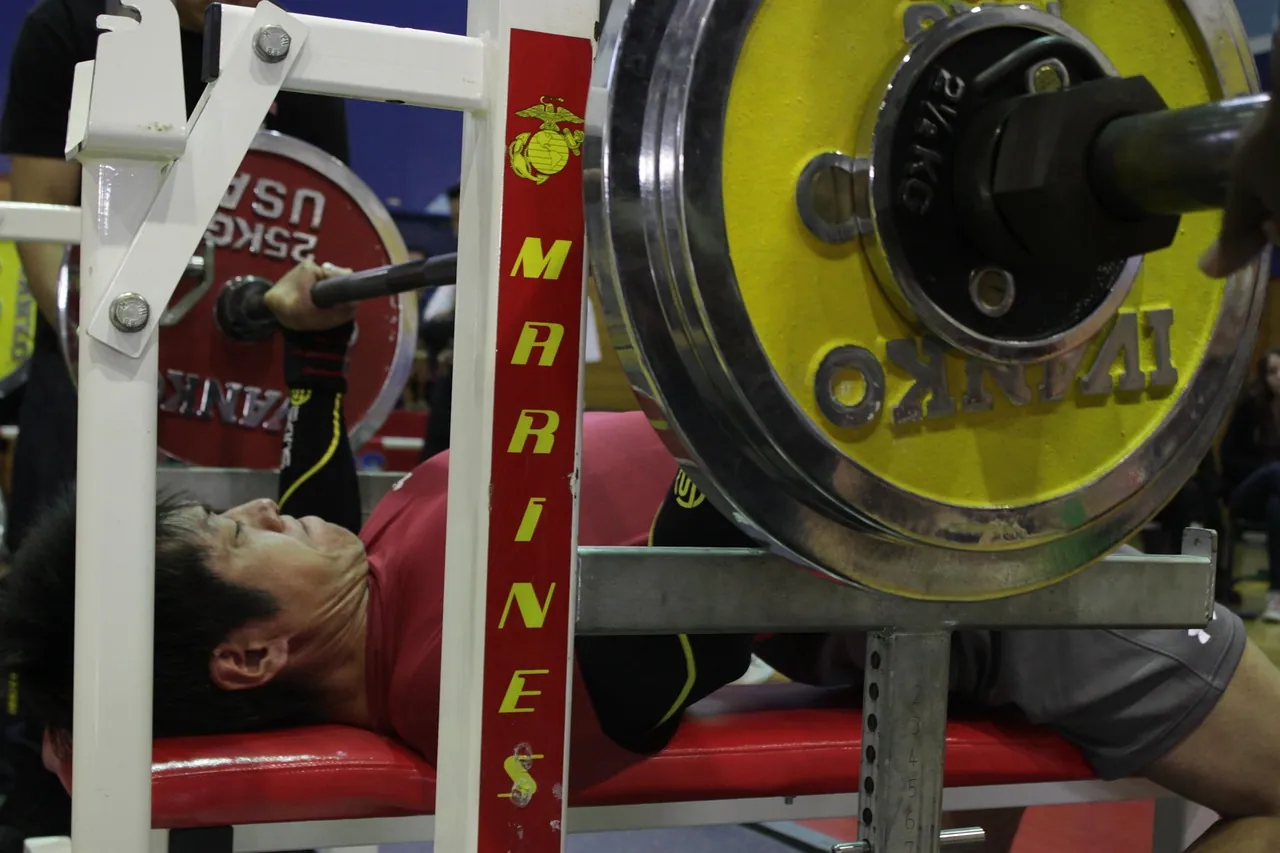
Short rest feels productive, but it usually costs you reps on the next set. In an 8-week trial of 21 trained men, a 2016 study in the Journal of Strength and Conditioning Research found that 3-minute rests produced greater strength and thigh muscle thickness than 1-minute rests. The ACSM suggests 3–5 minutes for heavy 1–6 rep work and 1–2 minutes for 6–12 rep hypertrophy work, which is exactly how the table is set up.
Walkthrough: running one session from warm-up to last set
Here is how a typical 70-minute session should flow, using Day 2 (Lower) as the example.
- Minutes 0–8, general warm-up: 5 minutes on a bike or brisk incline walk, then leg swings, bodyweight squats and hip hinges.
- Minutes 8–15, ramp-up sets: empty bar x 10, then 3–4 progressively heavier sets of 3–5 reps until you reach your working weight. These do not count toward your working sets.
- Minutes 15–35, main lift: 4 working sets of squats with a full 3 minutes between them. Log the weight and reps.
- Minutes 35–60, secondary and accessory lifts: Romanian deadlift, lunges and leg curls. Rest drops to 90 seconds to 2 minutes.
- Minutes 60–70, finishers and cool-down: calves, planks, then 5 minutes of easy stretching.
The progression rule that makes the plan work
Use a rep range, not a fixed rep number. When you can complete every set at the top of the range (for example 4 x 7 on bench), add weight next session. The ACSM position stand suggests a 2–10% load increase once you can do one or two reps beyond the target. In practice that means about 2.5 kg on upper-body barbell lifts and 5 kg on squats and deadlifts, then working back up through the range.
Myth: “Each muscle only needs one brutal session a week”
The classic bro split is still the default in many Indian gyms, and it can work. But the idea that one 15–20 set session per muscle is superior does not hold up.
A 2016 meta-analysis in Sports Medicine of ten studies found that training a muscle twice a week produced a larger hypertrophy effect size than once a week (0.49 vs 0.30). A later 2019 meta-analysis of 25 studies refined this: when total weekly volume is equal, frequency makes little difference. The practical takeaway is that frequency is a tool for spreading volume. Splitting 12 chest sets into two sessions of six keeps each set higher quality than grinding out twelve in one day, when fatigue has already set in.
That is why the plan above trains everything twice: the same weekly volume, fresher sets.

5 day workout plan for muscle gain vs fat loss
You do not need two different programs. The lifting stays almost the same; what changes is food, cardio and how hard you push volume.
| Variable | Muscle gain phase | Fat loss phase |
|---|---|---|
| Calories | Small surplus; aim for slow, steady scale increase | Moderate deficit; avoid crash diets that wreck training |
| Protein | About 1.6 g per kg body weight per day | 1.6 g per kg or slightly higher to protect muscle |
| Lifting volume | Full plan; add 1 set to lagging muscles after 4–6 weeks | Keep heavy sets; drop the last accessory set if recovery suffers |
| Rep ranges | As written (5–7 heavy, 8–15 accessory) | Unchanged; do not switch to light “toning” weights |
| Cardio | 2–3 x 20–30 min easy sessions for heart health | 150+ min moderate per week, plus daily step target |
| Rest days | Light walking | Longer walk, yoga or a dance class |
| Progress check | Strength log and monthly arm/thigh measurements | Waist measurement and whether strength is holding |
The 1.6 g/kg figure comes from a 2018 meta-analysis of 49 studies and 1,863 participants in the British Journal of Sports Medicine, which found that gains in fat-free mass plateaued beyond about 1.62 g of protein per kg per day. For a 70 kg person that is roughly 110 g a day, which is hard to hit on a typical Indian plate of rice, roti and a small katori of dal. Spread it across 3–4 meals with paneer, curd, eggs, chicken, fish, soy chunks, sprouts and extra dal. If you want a meal plan built around your food preferences and budget, our online nutritionist consultation can map it out.
For cardio, the WHO physical activity fact sheet recommends at least 150 minutes of moderate activity a week and notes that 31% of the world’s adults (1.8 billion people) were insufficiently active in 2022. Lifting five days does not replace that aerobic work; it sits alongside it.
5 day workout plan for men — and why women can run the same week
Most searches for a 5 day workout plan for men are really asking for a muscle-building template, and the plan above is exactly that. There is no separate “male” set-and-rep scheme. Men and women respond to resistance training through the same mechanisms, and the ACSM guidelines make no sex-based distinction in frequency or rep ranges.
5 day workout routine for men: common adjustments
- Want bigger arms? Add one extra set of curls and triceps work on Days 1, 4 and 5. Do not add a sixth “arms day” on top.
- Chasing a heavier bench or squat? Keep Days 1 and 2 in the 3–6 rep range and add a fifth set to the main lift.
- Office job with tight hips and rounded shoulders? Keep the face pulls and lunges; they are there for posture as much as muscle.
For women following the same plan
Women can run this plan unchanged. Many prefer to shift a little volume from chest to glutes and hamstrings, for example swapping the cable fly for hip thrusts on Day 4 or Day 6. Heavy 5–8 rep sets will not make you “bulky”; significant muscle takes years of deliberate surplus eating.
5 day workout plan for beginners: should you start with five?
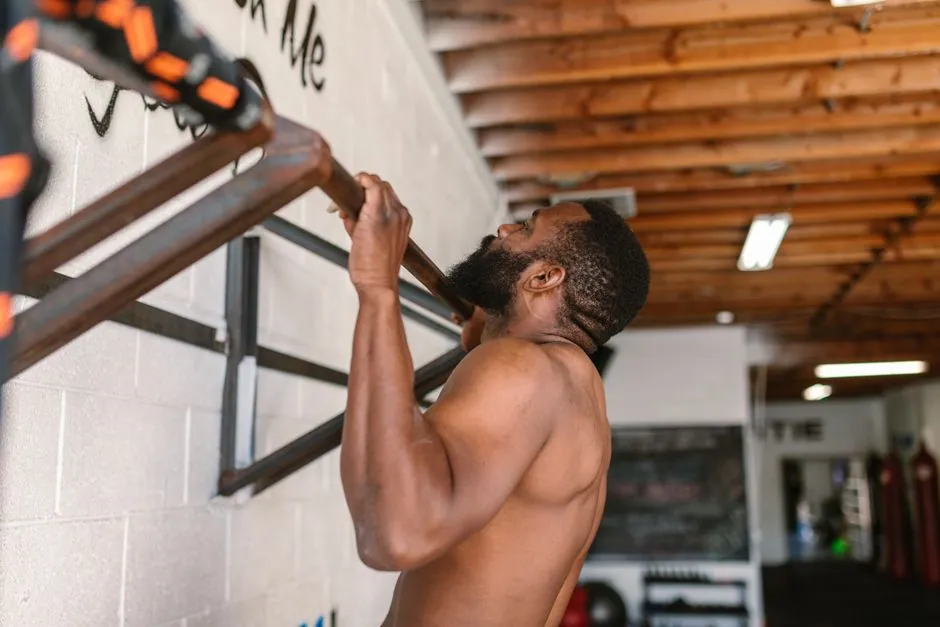
Most beginners should not start on five days. Training 2–3 full-body sessions a week for the first few months builds technique and work capacity faster, with less injury risk. Move to four days after about 3 months and to a 5 day split once you have roughly 6 months of consistent lifting behind you.
Beginners progress on almost any sensible plan, so extra days mostly add fatigue. This ramp follows the ACSM’s frequency guidance.
| Phase | Days per week | Structure | Reps and effort | Move on when |
|---|---|---|---|---|
| Weeks 1–4 | 3 | Full body (squat, press, row, hinge, carry) | 2–3 sets of 8–12, stop 3 reps short of failure | You can perform each lift with consistent form |
| Weeks 5–12 | 3–4 | Full body or upper/lower | 3 sets of 8–12, adding weight weekly | Weekly weight jumps start to stall |
| Months 4–6 | 4 | Upper/lower x2 | Main lifts 5–8 reps, accessories 8–15 | Sessions exceed 75 min or you want more volume |
| Month 6+ | 5 | The hybrid plan in this article | As written, 1–3 reps in reserve | Keep progressing; deload every 6–8 weeks |
Our beginner workout plan covers weeks 1–12 in detail.
Full body 5 day workout routine: an alternative for busy weeks
A full body 5 day workout routine uses five short 35–50 minute sessions, each with one squat or hinge, one push, one pull and one core exercise at 2–3 sets. It suits people who can train most days but never for long. Keep total weekly sets per muscle similar to the split above; the 2019 frequency meta-analysis suggests results will be comparable when volume is equal.
Stalled, sore or exhausted? Troubleshooting your 5 days
Most problems on a 5 day plan come from recovery, not the exercise list. Work through these before changing the program.
- Strength has not gone up in 3 weeks. Check sleep first. The CDC recommends 7 or more hours for adults aged 18–60. Then check protein intake, and whether you are logging weights or guessing.
- Joints ache, especially shoulders or knees. Swap the barbell version for dumbbells for 2–3 weeks, and make sure you are not adding weight faster than 2.5–5 kg at a time.
- Every session feels flat. Take a deload week: same exercises, half the sets, weights around 10% lighter. Plan one every 6–8 weeks.
- Soreness lasts more than 72 hours. Drop one accessory set per exercise and rebuild over 3–4 weeks.
- You keep missing Day 5 or 6. The plan does not fit your week. Switch to 4 days (Upper, Lower, Upper, Lower); 4 days you actually do beat 5 days you half do.
- Festival season, travel or fasting. During Navratri fasts, Ramadan or wedding season, cut to the two heaviest sessions plus walks. You will keep your strength, and you can resume the full plan afterwards.
Who should not follow a 5 day plan
Five days is a tool for a specific person. It is the wrong choice if any of these apply:
- You have under 6 months of consistent lifting (use the beginner ramp above).
- You regularly sleep under 6 hours, work rotating night shifts or have a 3-hour daily commute.
- You are recovering from an injury or surgery, are pregnant or postpartum, or have heart disease, uncontrolled blood pressure or diabetes. Get clearance from your doctor first and follow any limits they set.
- You play a sport 2–3 times a week already; two or three lifting sessions will complement it better.
- You are over about 60 and new to lifting. Start at 2–3 days and progress with supervision.
Frequently asked questions
What is the best 5 day split workout?
For most intermediate lifters, an upper/lower + push/pull/legs hybrid works best because it trains each muscle twice a week with sessions of 60–75 minutes. A 2016 meta-analysis found twice-weekly training produced greater muscle growth than once-weekly training.
Is a 5 day workout plan good for beginners?
Usually not at first. The ACSM recommends 2–3 days a week for novices. Start with full-body training, move to 4 days after about 3 months, and switch to 5 days once you have around 6 months of consistent lifting.
How long should each workout in a 5 day plan take?
About 60–75 minutes including a 10–15 minute warm-up. If sessions regularly run past 90 minutes, reduce accessory sets or shorten rest on isolation exercises to 60 seconds.
Can I lose fat on a 5 day gym workout plan?
Yes, if you eat in a moderate calorie deficit, keep protein around 1.6 g per kg of body weight and add 150 minutes or more of moderate cardio per week. The lifting protects muscle; the diet drives fat loss.
Which days should be rest days on a 5 day split?
Rest on day 3 and day 7, for example Wednesday and Sunday. This keeps you from training more than three days in a row and puts a rest day between heavy squats and heavy deadlifts.
How many sets per muscle should a 5 day plan include?
Aim for roughly 10–16 hard sets per major muscle group per week. A 2017 meta-analysis of 15 studies found that 10 or more weekly sets per muscle was linked to the greatest gains in muscle size.
Do I need supplements to follow a 5 day workout routine?
No. Enough protein, calories and at least 7 hours of sleep matter far more. Protein powder is simply a convenient way to reach about 1.6 g per kg if food alone falls short.
If you want someone to check your squat depth, adjust this week to your equipment and progress it with you, book a session with our 1-on-1 online personal training coaches and send them your first week’s training log.


