

A 10 kg weight loss in 15 days diet plan sounds exciting, but it cannot deliver 10 kg of fat, and any plan that promises it is selling water loss, muscle loss and a rebound. This guide shows the maths, what a safe 15-day reset can realistically achieve, a phase-by-phase Indian meal plan, and who should talk to a doctor before starting at all.
Can you lose 10 kg in 15 days? The maths says no
No, not 10 kg of fat. One kg of body fat holds roughly 7,700 kcal, so 10 kg needs about 77,000 kcal of deficit, or over 5,000 kcal every day for 15 days. That is far beyond what food restriction can safely create. Scale drops that big are mostly water, gut contents and muscle.
For comparison, a sensible deficit of 300 to 500 kcal a day over 15 days adds up to about 4,500 to 7,500 kcal, which is roughly 0.6 to 1 kg of fat. Add the water that normally leaves when you cut salt, packaged food and sugar, and the scale may drop by more. But the fat part is the real change, and it is smaller than the headline.
If you have seen “10 kg in 15 days” promised, treat it as a warning sign. Rapid weight loss can bring fatigue, hair shedding, constipation, dizziness and a higher chance of gallstones, and most of it tends to return once normal eating resumes. This page is general information, not medical advice.
What is realistic in 15 days? A table by starting weight
Most people can expect roughly 2 to 4 kg of total scale change in 15 days with a moderate deficit and daily walking, of which only about 1 to 1.5 kg is fat. Heavier people may see a bit more because they carry more stored water and burn more energy at rest. These are rough ranges, not promises.
| Starting weight | Typical total scale change in 15 days | Rough share that is fat | Notes |
|---|---|---|---|
| 55 to 70 kg | about 1.5 to 2.5 kg | about 0.7 to 1 kg | Mostly water and bloating at first |
| 70 to 85 kg | about 2 to 3.5 kg | about 1 to 1.3 kg | Steady walking matters most |
| 85 to 100 kg | about 2.5 to 4 kg | about 1 to 1.5 kg | Early drop is usually larger |
| Above 100 kg | about 3 to 5 kg | about 1.2 to 2 kg | Best done with medical guidance |
A handy rule: a sustainable pace is around 0.5 to 1 percent of body weight per week. For a 75 kg person that is roughly 0.4 to 0.75 kg a week, or about 0.8 to 1.5 kg of fat in a fortnight. It looks small, but it is the part that stays off.
Looking for something shorter? Our guide to losing weight fast in 5 days explains why even smaller crash targets are mostly water.
Where does a “10 kg in 15 days” result actually come from?
A big claimed drop is usually several things added together: glycogen and the water stored with it, lower food volume in the gut, salt-related water shifts, a little fat and often some muscle. Only the fat part reflects a real energy deficit, and losing muscle is a cost, not a win.
| Part of the claimed loss | What it really is | Does it come back? |
|---|---|---|
| Glycogen and bound water | Stored carbohydrate, held with about 3 g of water per gram | Yes, within days of eating normally |
| Gut and stool content | Less food volume sitting in the digestive tract | Yes, quickly |
| Salt-related water | Water held by a high-sodium diet, released when you cut salt | Yes, if salty food returns |
| Body fat | The only part that reflects a real deficit | Not if habits hold |
| Muscle | Lost when protein and movement are too low | Hard to rebuild; avoid losing it |
This is why the scale can also jump up by 1 to 2 kg after one salty meal, a period or a poor night of sleep, with no fat gained. Weigh yourself no more than two or three times a week, in the morning after the toilet, and read the weekly trend, not a single day.
A safe 15-day reset plan, phase by phase
A safe 15-day reset has three phases: days 1 to 3 remove processed food, sugar and extra salt; days 4 to 12 add a modest deficit with protein at every meal and daily walking; days 13 to 15 plan the transition. It uses real Indian meals, no skipped meals and no juice cleanses.
- Days 1 to 3, reset: cut sweets, cold drinks, fried snacks, packaged namkeen and alcohol. Drink 2 to 3 litres of water through the day. Expect less bloating.
- Days 4 to 12, structured deficit: eat protein at each meal, fill half your plate with sabzi or salad, and keep rotis or rice to measured portions. Walk 30 to 45 minutes daily. Add two short strength sessions a week, such as squats, push-ups and rows.
- Days 13 to 15, transition: do not cut harder if the scale stalls. Keep the same meals, then decide what your normal eating will look like from day 16.
Here is a sample day for an average adult. Portions are approximate and should be adjusted to your size, activity and doctor’s advice. Taller, more active or male readers usually need more food.
| Meal | Vegetarian option | Approx. protein |
|---|---|---|
| Breakfast | 2 moong dal chillas (about 40 g dry dal), 100 g curd | about 15 g |
| Mid-morning | 1 fruit (apple or guava), water or buttermilk | about 2 to 5 g |
| Lunch | 2 rotis (30 g atta each), 1 katori (150 g) dal, 1 katori sabzi, large salad, 100 g curd | about 20 g |
| Evening | 30 g roasted chana or 1 katori sprouts, tea with little sugar | about 6 to 8 g |
| Dinner | 100 g paneer or tofu bhurji, 1 roti, 1 katori sabzi, soup or salad | about 20 to 25 g |
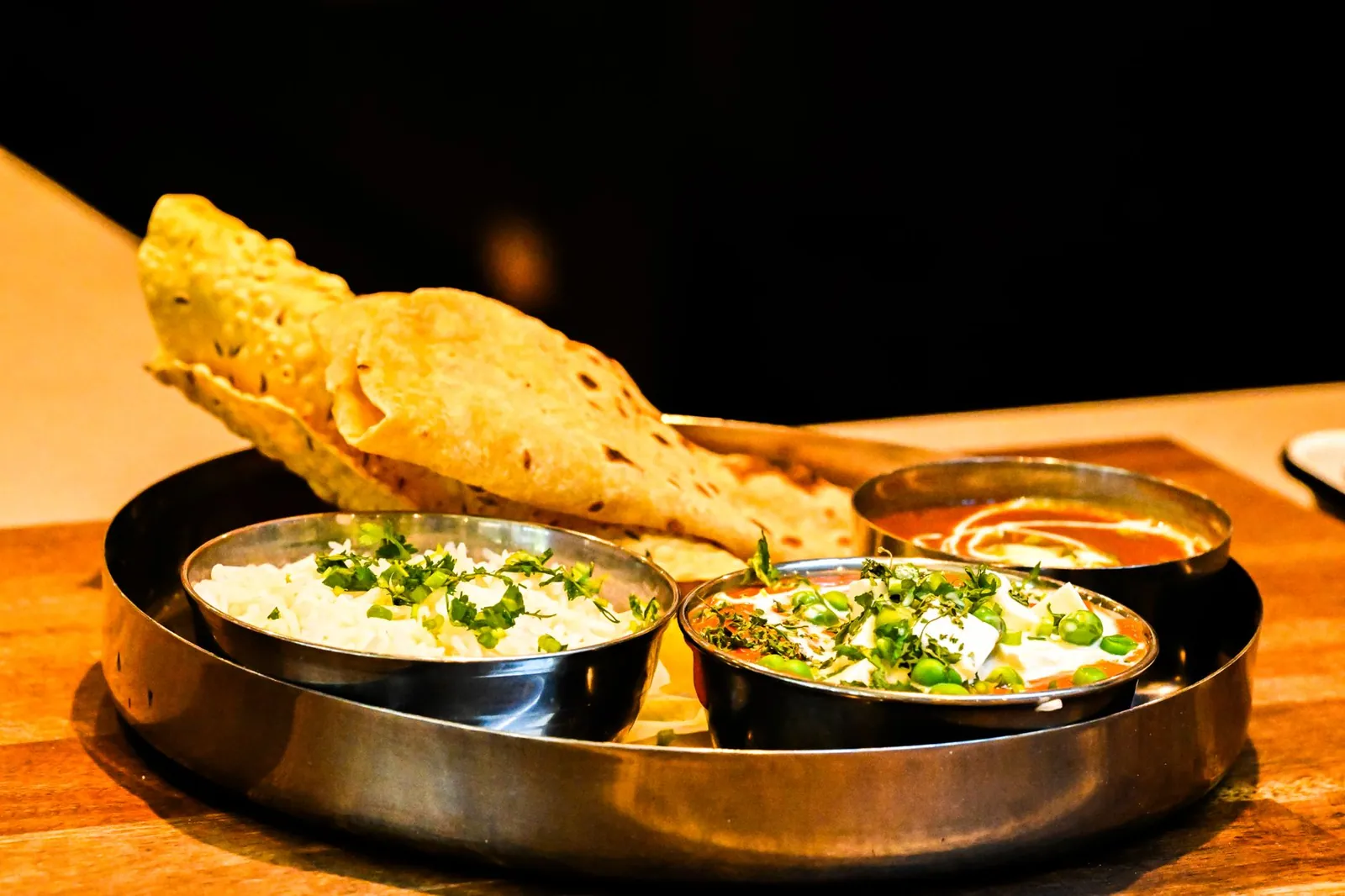
Non-vegetarians can swap in eggs (about 6 g protein each), chicken or fish at lunch and dinner. For more structure, see our Indian diet for weight loss and the wider diet plan for weight loss, or the vegetarian diet plan for weight loss if you eat no meat. Women can also read the diet plan for weight loss for girl, which suits younger readers who need a gentler approach.
Do detox teas and fat-burner capsules speed this up?
No. Detox teas and fat-burner products mainly work as laxatives, diuretics or stimulants, so the scale drops through water and stool, not fat. Contents can be hard to verify, and stimulant-heavy products may affect heart rate, sleep and blood pressure. They are not part of a safe 15-day plan.

The same goes for juice-only days, skipped dinners and “one meal a day” crash plans. They make the first week look dramatic and the second week miserable, and they usually push you toward overeating once the plan ends. If a product is the only thing standing between you and your goal, that is the clearest sign to be cautious.
Troubleshooting: why the scale stalls or jumps
If the scale stalls, check the usual suspects before cutting more food: hidden sugar in chai and sauces, large portions of healthy foods like nuts and ghee, too little protein, short sleep and fewer steps than you think. Most plateaus are normal and settle with small tweaks.
- Stuck after day 7: the early water drop has finished. Fat loss is slower and shows in the waist before the scale. Measure your waist weekly.
- Constant hunger: add 10 to 15 g more protein, more sabzi and fibre, and check you are drinking enough water.
- Low energy or dizziness: eat a bit more and stop hard exercise. If it continues, see a doctor.
- Weekend slip: one off day does not undo 15 days. Go back to your next meal as planned, without skipping.
- Period week: water retention can hide 1 to 2 kg for several days. Judge the plan after the cycle, not during it.
Protein of roughly 1.2 to 1.6 g per kg of body weight is a reasonable target for many healthy adults. If you have kidney disease or any long-term condition, confirm your target with your doctor first.
Who should not try a 15-day reset, and when to see a doctor
Please see your doctor or a registered dietitian before starting if you are pregnant or breastfeeding, under 18, over 60, or have diabetes, thyroid disease, PCOS, kidney, liver or heart problems, gallstones, an eating disorder history, or take regular medication. Do not change any medicine on your own because you are dieting.
Stop and seek medical help if you feel faint, have chest pain, a racing heartbeat, persistent vomiting, severe weakness or missed periods. Unplanned weight loss or a dramatic scale drop with no clear reason also deserves a check-up. If a thyroid condition is part of your picture, start with our thyroid diet plan for weight loss and your doctor’s guidance.
After day 15: keeping what you lost
After day 15, move to maintenance-style eating for one to two weeks before deciding on another deficit. Keep protein, walking and strength work, and let calories rise slightly. The plan that matters is the one that works on day 16 and day 60.
Most fast diets skip this stage, which is why the weight returns. Decide in advance what your normal week will look like, then repeat a moderate deficit in blocks of 4 to 8 weeks if you still have fat to lose. A more detailed path is covered in our weight loss diet plan for women. If you want personal numbers instead of ranges, an online nutritionist consultation can size portions to your body and health history.
Frequently asked questions about a 10 kg weight loss in 15 days diet plan
Is 10 kg weight loss in 15 days possible?
Not as fat. It would need a deficit of over 5,000 kcal a day. A 10 kg scale drop in 15 days is possible only through water, gut contents and muscle loss, and most of it returns.
Is a 10 kg weight loss in 15 days diet plan safe?
A plan that actually targets 10 kg in 15 days is not safe, because it relies on extreme restriction. A moderate reset with protein, vegetables and walking is far safer, and anyone with a health condition should check with a doctor first.
How much weight can I lose in 15 days safely?
Most healthy adults can expect about 2 to 4 kg on the scale, with roughly 1 to 1.5 kg of that being fat. Heavier people may lose a little more, and results vary with sleep, stress and activity.
Can detox drinks help me lose weight in 15 days?
No. Detox teas and drinks mostly act as laxatives or diuretics, so any drop is water and stool weight that returns quickly. A calorie deficit from real meals, plus movement, is what removes fat.
What should I do after the 15-day plan?
Keep the same habits and ease into maintenance for one to two weeks, with slightly more food but the same protein and walking. Then plan your next 4 to 8 week block instead of returning to old eating.
Next step: if you want a safe, personal plan with a clear day-16 strategy, get matched with an online weight loss trainer at FitStrot.


