

Walk down any Indian supermarket aisle and you will find natural sweeteners sold as health food: organic jaggery, raw forest honey, coconut sugar, date syrup, stevia sachets, monk fruit blends. The label says “no refined sugar” and the price is three times a kilo of cheeni. The uncomfortable part is that most of these sugar substitutes are still sugar. India’s own dietary guidelines list jaggery and honey as added sugars, alongside table sugar, glucose and fructose — and recommend keeping the total under 20–25 g a day for adults, which is about five level teaspoons.
That does not make every swap pointless. Some genuinely cut calories to near zero; a few come with trade-offs nobody prints on the pouch. This guide sorts the shelf into three honest categories, gives you swap ratios that work in Indian cooking, and marks where the evidence stops and the marketing begins.
Are natural sweeteners actually better than sugar, or just better marketed?
Mostly better marketed. Jaggery, honey, coconut sugar and date syrup all deliver roughly 4 kcal per gram, the same as table sugar, which the ICMR-National Institute of Nutrition lists at 400 kcal per 100 g. Their trace minerals arrive in quantities too small to matter at one teaspoon. The real difference is speed of absorption, not nutrition: honey’s glycaemic index is 61 versus 103 for pure glucose.
The ICMR-NIN Dietary Guidelines for Indians (2024) is blunt about this. It defines added sugars as “sugars and sugar syrups added to foods and drinks during processing and preparation,” and the list it gives includes sucrose, jaggery, honey, glucose, fructose and dextrose. It adds that sugar “should be less than 5% of the total energy per day” and that added sugar should be avoided entirely for children under two.
So the useful question is not “is this natural?” It is “how many teaspoons am I actually using, and does this one raise my blood glucose more slowly or not at all?” If you want the physiology behind why that matters, our explainer on how sugar affects the body covers the insulin and liver side in detail.
Natural sweeteners list: what each one actually does to blood sugar
Every sweetener on an Indian shelf falls into one of three buckets, and the bucket decides almost everything. Caloric sweeteners (sugar, jaggery, honey, dates, coconut sugar) supply about 4 kcal per gram and raise blood glucose. Sugar alcohols or polyols (erythritol, xylitol, sorbitol, maltitol) supply 0–2 kcal per gram and are poorly absorbed. Non-sugar sweeteners (stevia, monk fruit, sucralose, aspartame) supply essentially no calories and no glucose response.
| Sweetener | Category | Approx. kcal per tsp | Raises blood glucose? | Honest verdict |
|---|---|---|---|---|
| White sugar (cheeni) | Added sugar | ~20 kcal | Yes, fast | The benchmark everything else is measured against. |
| Jaggery / gur | Added sugar (ICMR-NIN 2024) | ~19–20 kcal | Yes | Traces of iron and potassium, but not in teaspoon quantities. |
| Honey | Added sugar (ICMR-NIN 2024) | ~21 kcal per tsp | Yes — GI 61 ± 3 | Slightly slower than glucose. Still sugar. Never for infants under 12 months. |
| Dates (dried) | Whole food, 317 kcal/100 g | ~1 date = 20–25 kcal | Yes, but with fibre | Best of the caloric group because the fibre and bulk come attached. |
| Coconut sugar | Added sugar | ~18–20 kcal | Yes | Mostly sucrose. Premium price, ordinary behaviour. |
| Erythritol | Sugar alcohol | 0–2 kcal/g (near zero) | Negligible | Bakes well, but see the 2023 cardiovascular signal below. |
| Xylitol | Sugar alcohol | ~2 kcal/g | Minimal | Causes the most bloating and diarrhoea of the group. Fatal to dogs. |
| Stevia (steviol glycosides) | Non-sugar sweetener | 0 kcal | No | FSSAI-permitted. Bitter aftertaste for some palates. |
| Monk fruit (luo han guo) | Non-sugar sweetener | 0 kcal | No | Cleaner taste than stevia; usually blended with erythritol. |
| Sucralose | Non-sugar sweetener | 0 kcal | No | Heat-stable, so it survives chai and baking. |
Glycaemic index values for honey (61 ± 3) and glucose (103 ± 3) are from the ICMR-NIN Dietary Guidelines for Indians manual, which also lists dried dates at 317 kcal per 100 g. For a wider set of Indian staples, see our glycemic index chart of common Indian foods.
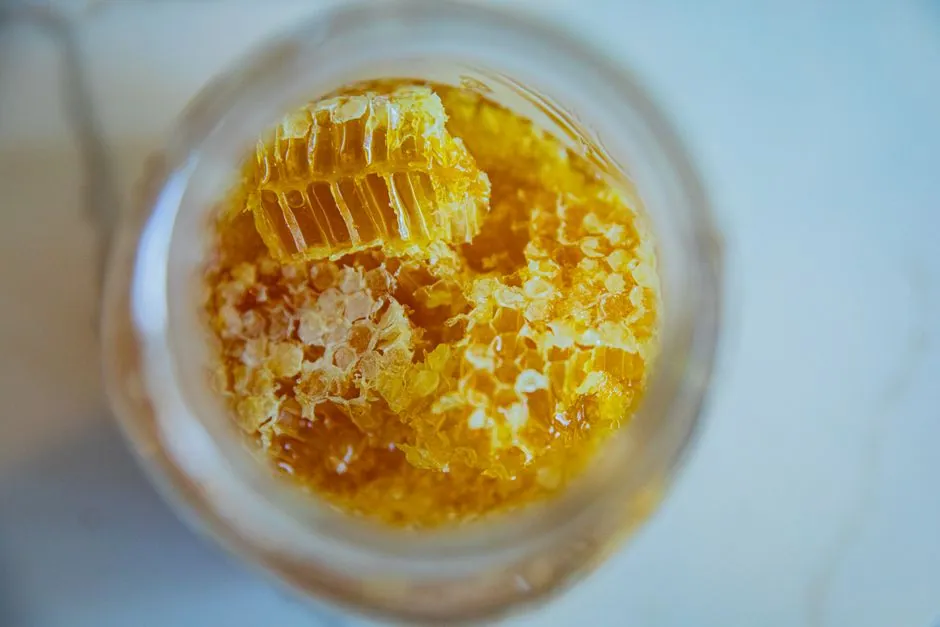
How many teaspoons are you actually allowed in a day?
The World Health Organization puts free sugars at under 10% of total daily energy — “equivalent to 50 g (or about 12 level teaspoons) for a person of healthy body weight consuming about 2000 calories per day” — and says dropping below 5% brings additional benefits. ICMR-NIN goes further for Indians, recommending 20–25 g a day. Here is what that looks like at real Indian calorie levels.
| Daily energy intake | WHO <10% limit | WHO <5% target | ICMR-NIN 2024 advice | What that buys you |
|---|---|---|---|---|
| 1600 kcal (small-built adult, sedentary) | 40 g / ~10 tsp | 20 g / ~5 tsp | 20–25 g / 4–5 tsp | Two sweet chais and nothing else |
| 1800 kcal (average Indian woman, light work) | 45 g / ~11 tsp | 22 g / ~5.5 tsp | 20–25 g / 4–5 tsp | One gulab jamun (~25 g sugar) uses the whole day |
| 2000 kcal (reference adult) | 50 g / 12 tsp | 25 g / 6 tsp | 20–25 g / 4–5 tsp | One 250 ml cola (~26 g) is a full day’s budget |
| 2400 kcal (active adult male) | 60 g / 15 tsp | 30 g / ~7 tsp | 20–25 g / 4–5 tsp | Three chais at 2 tsp each, plus a biscuit |
Two things become obvious once it is written down. First, most Indian households blow past the ICMR-NIN number before lunch, because chai alone is often four to six teaspoons a day. Second, swapping which sugar goes into those cups does nothing if the count stays the same. Reduce the count first, then pick the substitute.
Myth check: “it’s jaggery, so it doesn’t count”
This is the single most expensive belief in Indian kitchens. Jaggery is genuinely less processed than white sugar and retains some molasses, which is where its iron and potassium come from. But at one to two teaspoons a day, the mineral contribution is a rounding error next to a bowl of dal or a handful of curry leaves. Meanwhile the calories and the glucose response are effectively unchanged.
The same applies to the “raw honey is medicine” framing. Honey has real antibacterial properties in wound care and cough suppression, and ICMR-NIN still puts it in the added-sugar column. If you are using three teaspoons of honey in warm lemon water every morning believing it is fat-loss support, you are drinking roughly 60 kcal of sugar before breakfast. The same logic applies to the idea that sweeteners are cholesterol-neutral — see does sugar raise cholesterol for that link.
The honest hierarchy inside the caloric group: whole dates and figs beat jaggery, and jaggery ties with honey, coconut sugar and white sugar on calories. Dates win only because you eat them whole, with fibre and chewing time attached, which makes overshooting harder.

Zero calorie sugar substitutes: what WHO actually said in 2023
In May 2023, WHO released a guideline that “recommends against the use of NSS to control body weight or reduce the risk of noncommunicable diseases.” It named acesulfame K, aspartame, advantame, cyclamates, neotame, saccharin, sucralose and stevia. The stated reason: non-sugar sweeteners do not “confer any long-term benefit in reducing body fat in adults or children.”
Read the rest carefully. The WHO guideline was conditional, based on low-certainty observational evidence, and it flagged “potential undesirable effects from long-term use of NSS, such as an increased risk of type 2 diabetes, cardiovascular diseases, and mortality in adults.” WHO did not say these sweeteners are unsafe at permitted doses. It said they are not a weight-loss tool.
India’s regulator reached a similar landing. The FSSAI scientific note on non-sugar sweeteners lists the ones permitted here — erythritol, steviol glycosides, thaumatin, aspartame, sucralose, neotame, acesulfame potassium and saccharins among the non-caloric group — while quoting WHO’s line that “replacing free sugars with NSS does not help with weight control in the long term.”
On aspartame specifically: in July 2023, IARC classified it as “possibly carcinogenic to humans (Group 2B)” while JECFA reaffirmed an acceptable daily intake of 0–40 mg per kg of body weight. WHO’s own worked example is that a 70 kg adult “would need to consume more than 9–14 cans per day to exceed the acceptable daily intake.” Group 2B is a statement about evidence strength, not about risk magnitude.
Sugar substitutes erythritol, xylitol and the polyol problem
Sugar alcohols sit awkwardly between the other two groups. They carry 0 to 2 calories per gram, taste close to sugar, and behave well in baking — but your small intestine absorbs them poorly, so they ferment further down. Cleveland Clinic notes that studies suggest “10 to 15 grams a day of sugar alcohols are safe,” while processed foods routinely contain far more than that per serving.
Two specific cautions are worth knowing before you buy a kilo of erythritol for your keto baking. First, tolerance: Cleveland Clinic reports xylitol causing “bloating, gas, upset stomach and diarrhea,” with erythritol milder but still causing nausea and gas at high doses. The UK’s NHS similarly flags the laxative effect of polyols in large amounts.
Second, the cardiovascular signal. A 2023 Nature Medicine study by Witkowski and colleagues found that among patients undergoing cardiac evaluation, those in the highest quartile of circulating erythritol had an adjusted hazard ratio of 1.80 (95% CI 1.18–2.77) for major adverse cardiovascular events in a US cohort of 2,149, and 2.21 (1.20–4.07) in a European cohort of 833. The study also showed erythritol enhanced platelet reactivity, and the authors concluded that long-term safety studies “are warranted.” This is an association, not proof of causation, and regulators have not withdrawn approval. But it is a reasonable argument for treating erythritol as an occasional baking tool rather than a daily habit.
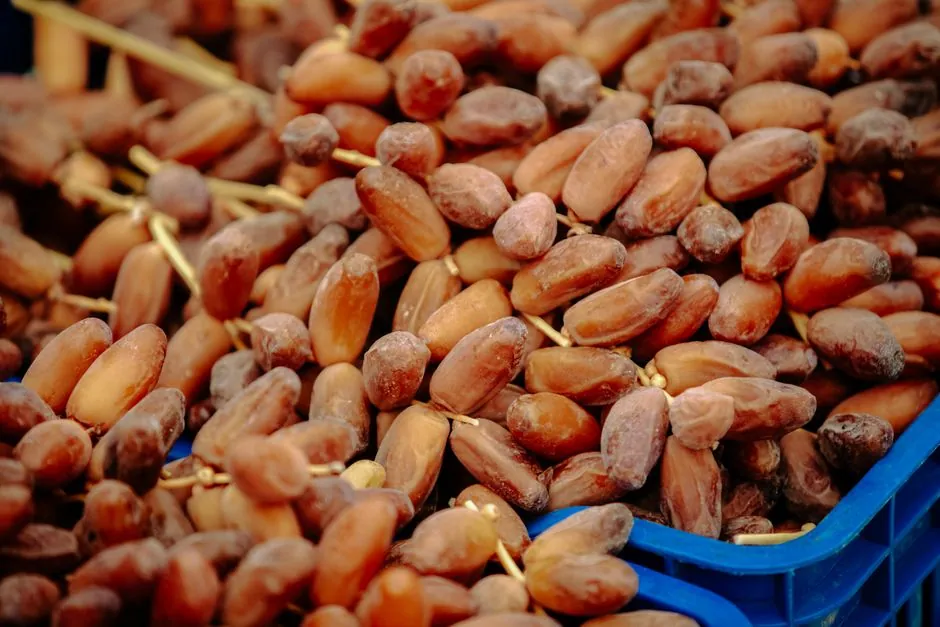
Natural sweeteners to replace sugar in Indian cooking: the swap chart
Ratios matter more than intentions. Jaggery is roughly as sweet as sugar by weight, so it swaps one-for-one but adds moisture and a molasses note. Stevia and sucralose are hundreds of times sweeter, so they swap by a pinch — and add no bulk, which is why cakes made purely with them collapse.
| Instead of 100 g sugar | Use | Works well in | Fails in | Adjustment needed |
|---|---|---|---|---|
| Jaggery (grated) | 100 g | Chikki, payasam, til ladoo, kheer | Anything pale-coloured | Dissolve in warm liquid first; expect a darker colour |
| Date paste | 130–150 g soaked, blended | Ladoos, energy bars, smoothies, banana bread | Clear syrups, chai | Cut other liquids by 2–3 tbsp |
| Honey | 75 ml | Salad dressings, marinades, cold drinks | High-heat baking (burns fast) | Reduce liquid by 25 ml, drop oven temp by 15 °C |
| Coconut sugar | 100 g | Cookies, crumbles, coffee | Delicate custards | Grind finer; it is coarser than sugar |
| Erythritol | 130 g | Sugar-free cakes, mithai bases | Anything served cold | Blend with monk fruit to kill the cooling aftertaste |
| Stevia (pure extract) | ~0.5–1 g (a pinch) | Chai, coffee, buttermilk, lassi | Baking alone — no bulk | Add 80 g apple purée or yoghurt to replace bulk |
| Sucralose (granulated blend) | Per pack instructions, usually 100 g | Chai, baking, sweets | Caramelisation | Will not brown; add a spoon of jaggery for colour |
Sugar substitutes for tea and coffee that survive 90 °C chai
Chai is where most Indian sugar actually goes, and it is a harsh test. Heat-stable options that hold up in boiling chai are sucralose, steviol glycosides and erythritol; aspartame degrades and loses sweetness when boiled, which is why it belongs in cold drinks rather than a saucepan. Sugar substitutes for coffee behave the same way, with one extra note: bitterness amplifies stevia’s aftertaste.
A practical sequence that works better than a hard switch:
- Weeks 1–2: cut from 2 tsp to 1.5 tsp per cup. Most people do not notice after four days.
- Weeks 3–4: drop to 1 tsp and add 2–3 crushed cardamom pods or a slice of ginger. Aromatics read as sweetness.
- Weeks 5–6: replace the last teaspoon with a stevia or sucralose tablet, or drop it entirely if the palate has adjusted.
- Ongoing: keep one genuinely sweet chai a day if you want one. Restriction that feels like punishment rarely survives a month.
Do not sweeten cold coffee with jaggery expecting a health win — it dissolves poorly and still lands as added sugar.

Natural sweeteners, diabetes and pregnancy: talk to your doctor first
If you have type 1 or type 2 diabetes, gestational diabetes, PCOS with insulin resistance, IBS, kidney disease or phenylketonuria, treat this article as background reading and your doctor or dietitian as the decision-maker. Sweetener choice interacts with medication doses, and nothing here is a reason to change a prescription.
Three evidence-based points worth raising at that appointment. First, non-sugar sweeteners do not raise blood glucose, which Mayo Clinic confirms, but Mayo also states plainly that honey and molasses are “forms of added sugar” with no advantage over table sugar. Second, ICMR-NIN 2024 advises that “pregnant and lactating women and children should avoid sugar substitutes” — a stricter line than most Western guidance, and worth discussing if you are pregnant. Third, honey must never be given to infants under 12 months because of botulism risk; ICMR-NIN’s infant-feeding guidance says to avoid feeding honey, glucose or water in early infancy.
People on insulin or sulfonylureas should also know that “sugar-free” sweets are frequently not carbohydrate-free — maltitol-based mithai still carries meaningful carbs. Read the panel for total carbohydrate, not the front-of-pack claim. If you want that read done against your medication and labs, an online nutritionist consultation beats trial and error.
Five things that go wrong when people switch
1. The portion creeps back. Zero-calorie sweetener in the chai, then two extra biscuits because the chai “saved” calories. Track the whole day, not the cup.
2. Gut symptoms get blamed on gluten. If bloating started the week you bought sugar-free chocolate, suspect maltitol or xylitol first. Polyols are a known FODMAP trigger.
3. The “natural” premium buys nothing. Paying ₹600 a kilo for coconut sugar over ₹50 for white sugar buys no metabolic difference. Spend it on protein instead.
4. Baking collapses. Sugar is structure, moisture and browning, not just sweetness. Pure stevia removes all three. Keep 20–30% of the original sugar, or add purée for bulk.
5. The sweet tooth never resets. Swapping sugar for an intensely sweet substitute keeps the threshold high. If the goal is to stop craving sweetness, the chai taper beats a substitute.
Which sugar substitutes are healthy for your specific situation?
There is no universal winner, so match the tool to the problem:
- Cutting calories for fat loss: stevia or monk fruit in drinks; keep total added sugar under 25 g. Pair it with a calorie deficit — a sweetener alone changes nothing, as WHO’s 2023 review found.
- Managing blood glucose: non-sugar sweeteners in drinks, whole dates over jaggery in food, and portion control over product swaps. Confirm with your physician.
- Sensitive gut or IBS: avoid polyols entirely. Stevia and monk fruit are better tolerated.
- Pregnant or breastfeeding: follow ICMR-NIN’s advice to avoid sugar substitutes, reduce total sugar instead, and ask your obstetrician.
- Children over two: whole fruit and dates, not sachets. No added sugar at all under two.
- Athletes and heavy trainers: a teaspoon of honey or jaggery around training is genuinely fine; the glucose has a job. Structured support is available through an online weight loss trainer.
Frequently asked questions
Which natural sweetener is the healthiest for daily use?
For daily use, whole dried dates are the best of the caloric natural sweeteners because their fibre and bulk limit overshoot, at roughly 20–25 kcal per date. For zero-calorie use, steviol glycosides and monk fruit are the cleanest choices. But ICMR-NIN 2024 is clear that reducing total added sugar to 20–25 g a day matters more than which sweetener you choose.
Is jaggery better than white sugar for weight loss?
No. ICMR-NIN’s 2024 guidelines classify jaggery as an added sugar alongside table sugar, and both deliver about 4 kcal per gram. Jaggery retains traces of iron and potassium, but not in quantities that matter at one or two teaspoons. For weight loss, the teaspoon count is what moves the number, not the colour of the sugar.
Are zero calorie sugar substitutes safe to use every day?
Regulators including FSSAI and the NHS consider approved sweeteners safe within their acceptable daily intake limits. WHO’s 2023 guideline, however, advises against using them for weight control and flags possible long-term associations with type 2 diabetes and cardiovascular disease, based on low-certainty evidence. Occasional use is reasonable; daily reliance is not a proven strategy.
Can people with diabetes use stevia and monk fruit in chai?
Stevia and monk fruit do not raise blood glucose and are commonly used by people with diabetes, and both are heat-stable enough for chai. That said, sweetener choice can interact with medication timing and overall carbohydrate load, so confirm the plan with your treating doctor or dietitian before changing anything.
Is erythritol still safe after the 2023 heart study?
Erythritol remains approved by FSSAI and international regulators. The 2023 Nature Medicine study found higher circulating erythritol associated with major adverse cardiovascular events — adjusted hazard ratio 1.80 in a US cohort of 2,149 — and increased platelet reactivity. That is an association, not proof of harm, but it is a fair reason to use erythritol occasionally rather than daily.
How much honey can I have in a day?
Honey counts fully towards your added-sugar budget. At the ICMR-NIN limit of 20–25 g of total added sugar per day, roughly one tablespoon of honey (about 21 g) would use almost the entire allowance. Its glycaemic index of 61 is lower than glucose at 103, but the calories are the same as sugar. Never give honey to infants under 12 months.
Do sugar substitutes actually help you lose weight?
Not on their own. WHO’s 2023 review concluded that non-sugar sweeteners do not “confer any long-term benefit in reducing body fat in adults or children.” They can help as a short-term bridge while you cut sugar-sweetened drinks, but weight change still depends on total energy intake, protein, sleep and training consistency.
Pick one swap this week — usually the chai taper — and hold it for fourteen days before changing anything else. If you would rather have the whole sugar audit done against your labs and your actual kitchen, book a session with a Fitstrot dietitian and bring a three-day food photo log.


