
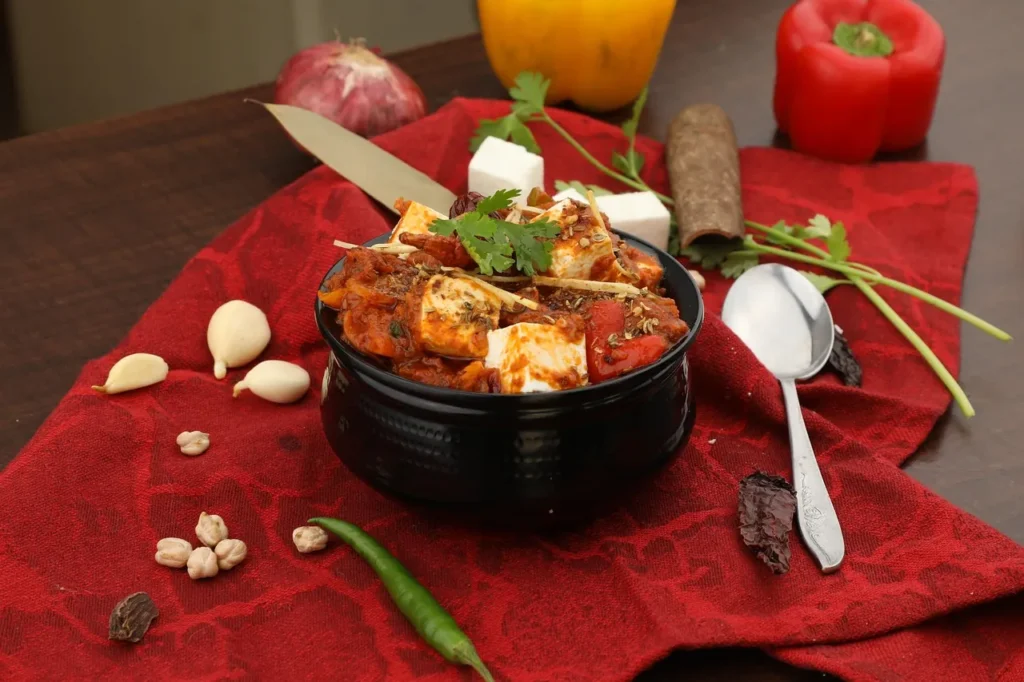
The best high protein vegetarian foods in an Indian kitchen are soy chunks, dals and whole pulses, paneer, tofu, peanuts, seeds and thick curd. Gram for gram, dry soy products lead with about 50 g of protein per 100 g, dals sit at 21–24 g, and paneer at roughly 19 g. The catch is that a label per 100 g is not what lands on your plate, so this guide gives you both numbers: protein per 100 g and protein per realistic Indian serving.
Every figure for Indian foods below comes from the Indian Food Composition Tables 2017 published by ICMR-National Institute of Nutrition, Hyderabad, which analysed 528 key foods from across the country. Where IFCT has no entry (tofu, soy chunks, Greek yogurt, chia and pumpkin seeds), we used the USDA FoodData Central database and say so in the table. If your goal is specifically fat loss, our high protein diet for weight loss covers that plan; this page is the reference list behind it.
What are high protein vegetarian foods?
High protein vegetarian foods are plant or dairy foods that supply at least 15–20 g of protein per 100 g as bought, or roughly 6 g or more per 100 kcal. In India that means pulses (21–24 g/100 g raw, IFCT 2017), soy (36–52 g), paneer (18.9 g), peanuts (23.7 g), seeds (18–30 g), plus lower-density everyday sources like curd and milk.
Two measurements matter: protein per 100 g (how concentrated a food is) and protein per 100 kcal (how much energy you spend to get it). Peanuts score well on the first and poorly on the second; soy chunks, tofu and hung curd score well on both.
High protein vegetarian foods per 100g: the complete chart
The table below lists raw or as-purchased values. Dals are given dry, as IFCT measures them; 30 g dry becomes roughly one katori cooked. Energy was converted from kilojoules (1 kcal = 4.184 kJ).
| Food | Protein per 100 g | kcal per 100 g | Typical serving | Protein per serving |
|---|---|---|---|---|
| Soy chunks / defatted soy flour (USDA) | 51.5 g | 327 | 30 g dry (1 cup soaked) | 15.5 g |
| Soybeans, dry (USDA) | 36.5 g | 447 | 30 g dry | 11.0 g |
| Pumpkin seeds (USDA) | 30.2 g | 559 | 15 g (1 heaped tbsp) | 4.5 g |
| Masoor dal (lentil dal) | 24.4 g | 322 | 30 g dry (1 katori cooked) | 7.3 g |
| Moong dal (green gram dal) | 23.9 g | 326 | 30 g dry | 7.2 g |
| Groundnut / peanuts | 23.7 g | 520 | 30 g (small handful) | 7.1 g |
| Sunflower seeds | 23.5 g | 586 | 15 g | 3.5 g |
| Urad dal (black gram dal) | 23.1 g | 324 | 30 g dry | 6.9 g |
| Whole moong (green gram) | 22.5 g | 294 | 30 g dry | 6.8 g |
| Horse gram (kulthi) | 21.7 g | 330 | 30 g dry | 6.5 g |
| Toor dal (red gram dal) | 21.7 g | 331 | 30 g dry | 6.5 g |
| Chana dal (Bengal gram dal) | 21.6 g | 329 | 30 g dry | 6.5 g |
| Rajma, red | 19.9 g | 299 | 30 g dry | 6.0 g |
| Paneer | 18.9 g | 305 | 100 g | 18.9 g |
| Kala chana (Bengal gram, whole) | 18.8 g | 287 | 30 g dry | 5.6 g |
| Flaxseeds (linseeds) | 18.6 g | 444 | 10 g (1 tbsp) | 1.9 g |
| Almonds | 18.4 g | 609 | 15 g (about 10–12) | 2.8 g |
| Tofu, firm (USDA) | 17.3 g | 144 | 100 g | 17.3 g |
| Chia seeds (USDA) | 16.5 g | 486 | 10 g (1 tbsp) | 1.7 g |
| Quinoa | 13.1 g | 328 | 40 g dry | 5.2 g |
| Greek yogurt, plain nonfat (USDA) | 10.2 g | 59 | 150 g | 15.3 g |
| Green peas, fresh | 7.3 g | 81 | 100 g | 7.3 g |
| Plain curd, whole milk (USDA yogurt) | 3.5 g | 61 | 200 g (1 bowl) | 6.9 g |
| Cow milk, whole | 3.3 g | 73 | 250 ml (1 glass) | 8.2 g |
Note that IFCT’s paneer value (18.9 g) is lower than the 22–25 g many websites quote, so check your pack. And a 30 g dry portion of any dal gives only 6–7 g of protein, which is why “I eat dal every day” rarely adds up to enough on its own.
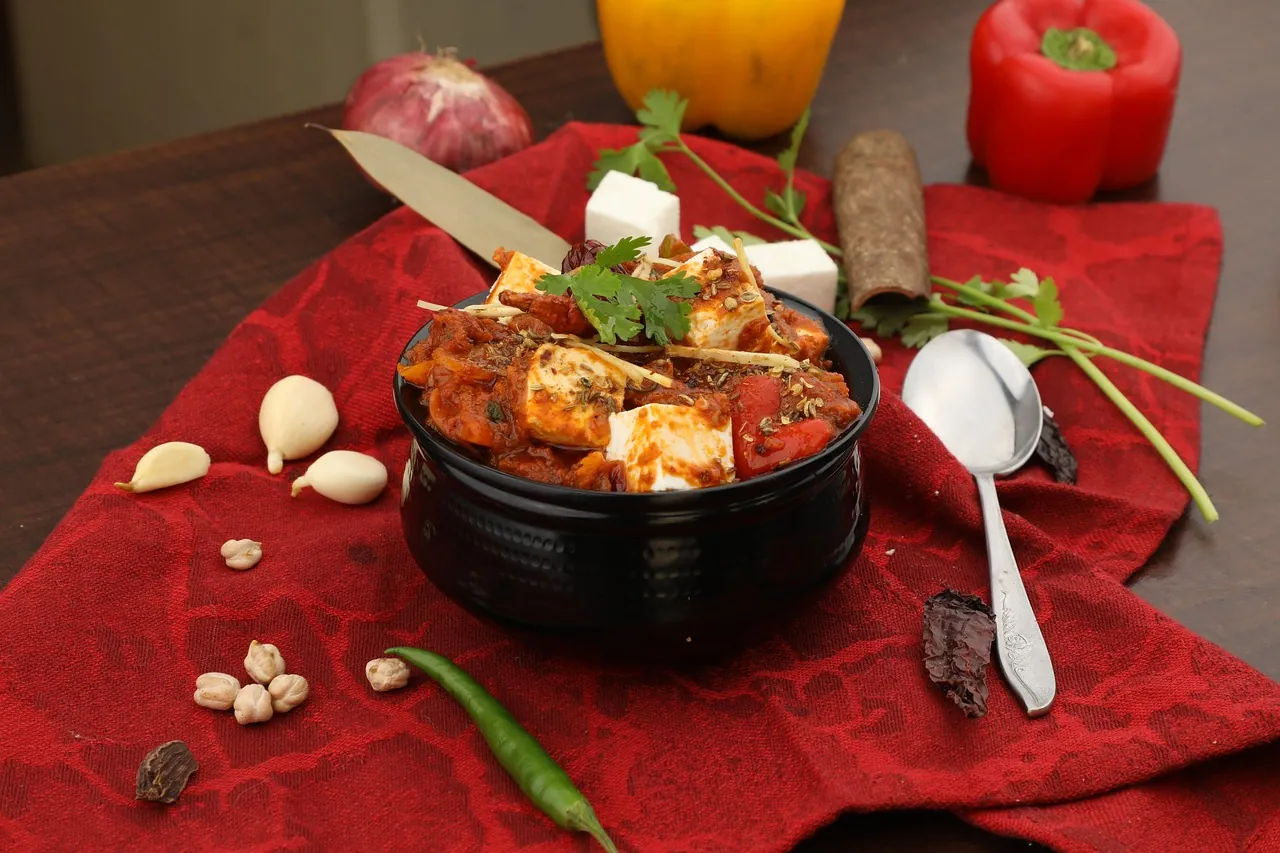
List of high protein vegetarian foods in India, by food group
Indian vegetarian protein comes from five groups: pulses, soy, dairy, nuts and seeds, and cereals. The smartest plates mix at least two.
Dals and whole pulses
Masoor, moong, urad, toor and chana dal all land between 21.6 and 24.4 g of protein per 100 g dry. Masoor is the highest and cooks fastest; moong is the easiest to digest and works for chilla, cheela, dosa batter and khichdi. Whole pulses like sabut moong and horse gram have slightly less protein than their split versions but more fibre, which helps with fullness. The simplest upgrade is portion size: 45–50 g of dry dal per meal instead of 30 g moves you from about 7 g to about 11 g of protein.
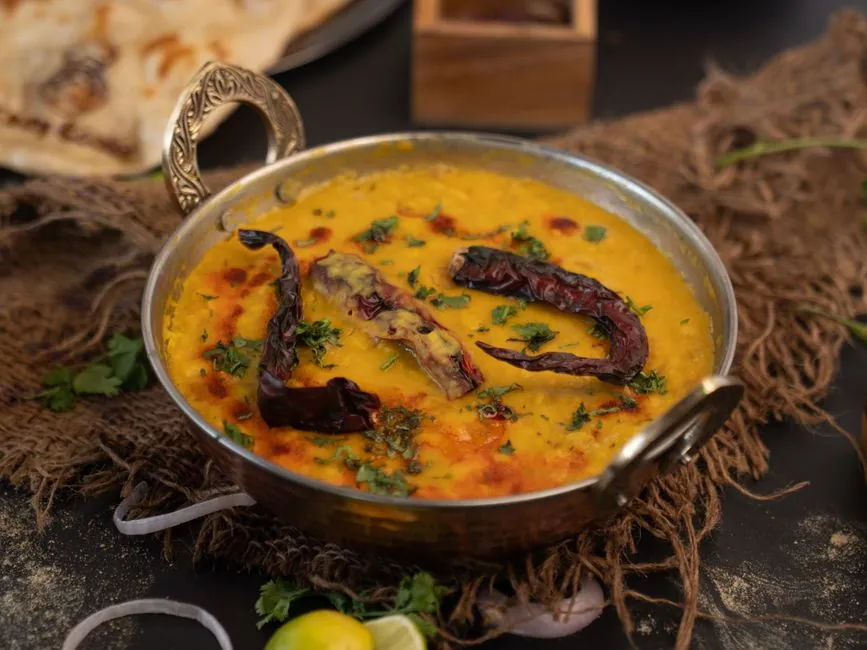
Chana, rajma and other beans
Kala chana, kabuli chana, rajma and lobia (cowpea, 20.4 g per 100 g) carry slightly less protein than split dals, but they hold their shape, so they work in salads, chaat and sundal.
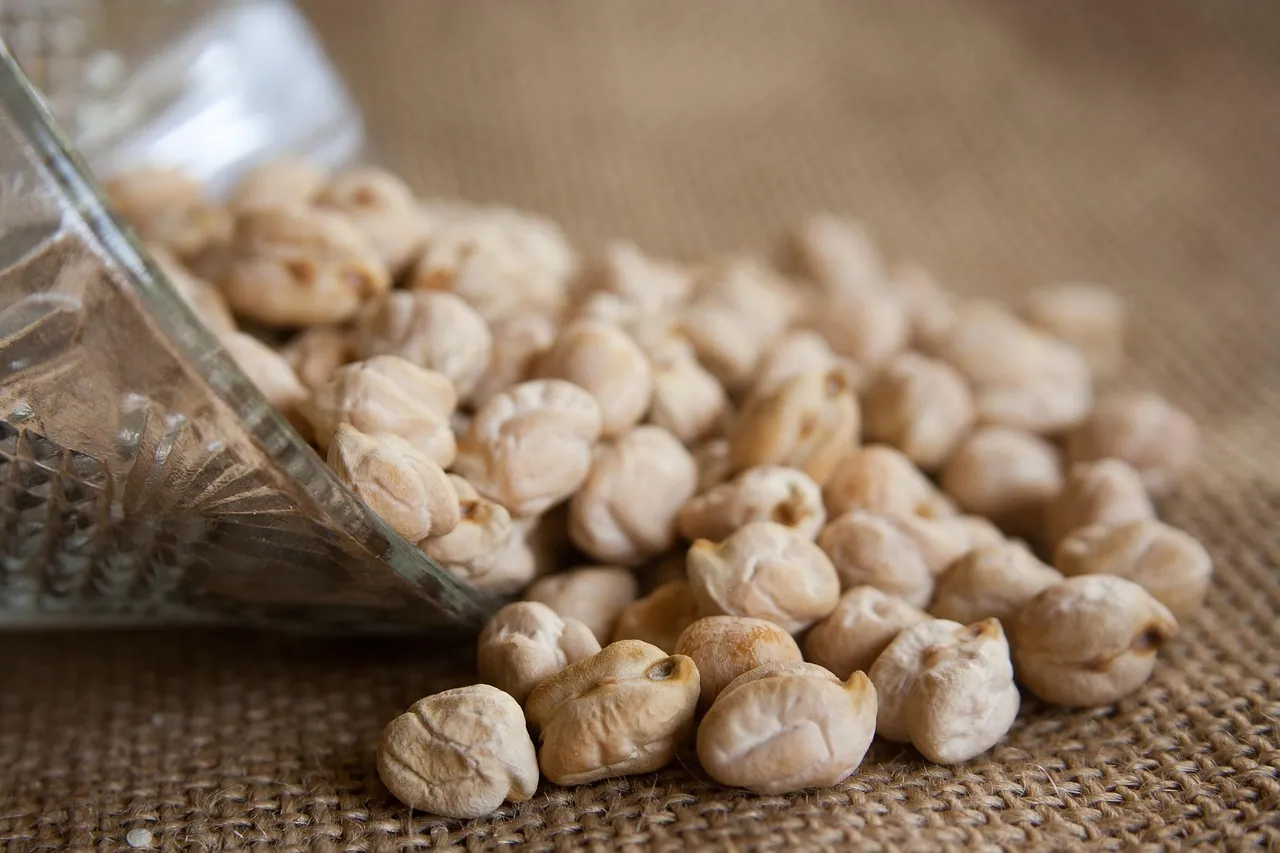
Soy: chunks, tofu and whole soybeans
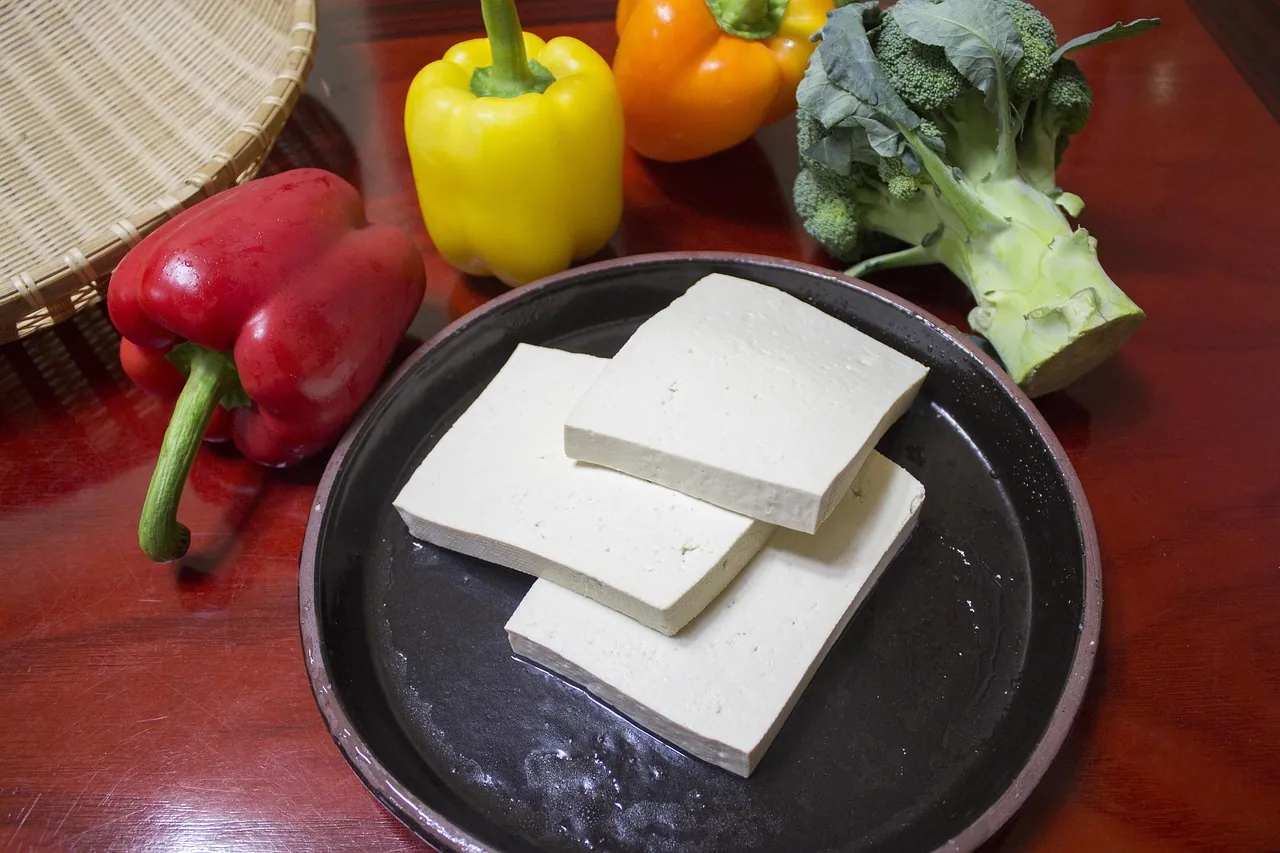
Soy is the most concentrated vegetarian protein you can buy. Dry soy chunks are made from defatted soy flour, which USDA lists at 51.5 g per 100 g and just 327 kcal. Firm tofu gives 17.3 g per 100 g for only 144 kcal, making it the leanest high-protein swap for paneer in bhurji, tikka or stir-fries.
Dairy: paneer, curd, hung curd and milk
Dairy gives complete, easily digested protein. Paneer is the densest at 18.9 g per 100 g but also carries 24.8 g of fat. Regular curd and milk are only 3–3.5 g per 100 g, so they matter because of volume: a 250 ml glass of milk plus a 200 g bowl of curd adds about 15 g. Straining curd overnight into hung curd removes whey water and concentrates the protein, taking it close to the 10 g per 100 g of plain Greek yogurt.
Nuts and seeds
Peanuts (23.7 g), sunflower seeds (23.5 g) and pumpkin seeds (30.2 g) are genuinely protein-rich per 100 g, but a realistic portion is 15–30 g, which gives 3–7 g of protein alongside 90–175 kcal. Use them to top up meals, not to carry them.
Grains and millets
Whole wheat atta has 10.6 g of protein per 100 g, bajra 11 g, amaranth (rajgira) 14.6 g and quinoa 13.1 g, per IFCT 2017. That is modest per 100 g, but because Indians eat grains in large amounts, two or three rotis can supply 6–10 g of protein a meal, and they pair with dal to balance amino acids (more on that below).
Best high protein vegetarian foods for protein per calorie
If you are watching calories, rank foods by how much protein each 100 kcal delivers. The last column shows how many calories you need to eat from that food alone to get 20 g of protein, roughly one solid meal’s worth.
| Rank | Food | Protein per 100 kcal | kcal needed for 20 g protein | Best used as |
|---|---|---|---|---|
| 1 | Greek yogurt / hung curd (nonfat) | 17.3 g | 116 | Breakfast bowl, raita, dip |
| 2 | Soy chunks (dry) | 15.7 g | 127 | Pulao, curry, cutlet |
| 3 | Tofu, firm | 12.0 g | 166 | Bhurji, tikka, stir-fry |
| 4 | Green peas, fresh | 9.0 g | 223 | Upma, poha, matar sabzi |
| 5 | Soybeans, dry | 8.2 g | 245 | Curry, roasted snack |
| 6 | Whole moong | 7.7 g | 261 | Sprouts, chilla, dal |
| 7 | Masoor dal | 7.6 g | 264 | Everyday dal, soup |
| 8 | Rajma | 6.7 g | 300 | Rajma-chawal, salad |
| 9 | Kala chana | 6.5 g | 306 | Sundal, chaat |
| 10 | Paneer | 6.2 g | 323 | Bhurji, stuffing, tikka |
| 11 | Plain curd, whole milk | 5.7 g | 352 | With every meal |
| 12 | Peanuts | 4.5 g | 440 | Chikki, chutney, topping |
| 13 | Almonds | 3.0 g | 662 | Small snack only |
Foods with little fat (hung curd, tofu, peas) or with the fat removed (soy chunks) win. Nuts sit at the bottom because 20 g of protein from almonds alone costs over 650 kcal.
Low carb high protein vegetarian foods
If you are cutting carbohydrates, dals and beans are not your best tool: masoor dal carries 52.5 g of available carbohydrate per 100 g dry (IFCT 2017). Paneer (2.4 g carbs per 100 g), tofu, hung curd, peanuts (17.3 g) and almonds (3 g) are the lowest-carb vegetarian protein options. Anyone with diabetes should plan carb changes with a doctor or dietitian, especially if they take glucose-lowering medicines.
How much protein do you need in a day?
ICMR-NIN’s 2020 guidelines set the protein RDA for healthy Indian adults at 0.83 g per kg of body weight per day, which is 54 g for a 65 kg man and 46 g for a 55 kg woman. For people eating mostly cereal-based diets with lower-quality protein, ICMR-NIN suggests 1 g per kg. Active people who lift weights benefit from more.
These numbers come from the ICMR-NIN 2020 note on nutrient requirements for Indians, which also recommends a cereal-legume-milk ratio of 3:1:2.5 in the diet for good protein quality. Globally, the Harvard T.H. Chan School of Public Health cites the US National Academy of Medicine minimum of 0.8 g per kg per day. Use the table to find your own number.
| Body weight | 0.83 g/kg (ICMR RDA, healthy adult) | 1.0 g/kg (cereal-heavy diet, ICMR) | 1.2 g/kg (adults over 65, active) | 1.6 g/kg (strength training) |
|---|---|---|---|---|
| 50 kg | 42 g | 50 g | 60 g | 80 g |
| 60 kg | 50 g | 60 g | 72 g | 96 g |
| 70 kg | 58 g | 70 g | 84 g | 112 g |
| 80 kg | 66 g | 80 g | 96 g | 128 g |
The 1.2 g/kg column follows the 2013 PROT-AGE Study Group position paper, which recommends at least 1.0–1.2 g per kg daily for adults over 65, and 1.2 g or more for those who exercise. Pregnancy and breastfeeding add to the RDA: ICMR-NIN lists an extra 9.5 g a day in the second trimester and 22 g in the third. Children’s needs are set per age group, so follow a paediatrician’s advice there.
Myth check: “vegetarian protein is incomplete”
The short version: individual plant foods are low in one or two essential amino acids, but a normal Indian vegetarian diet fixes that without any special effort. Cereals are low in lysine, pulses are low in methionine, and eating both across the day covers the gap. Dairy covers it on its own.
A 2019 review by Mariotti and Gardner in the journal Nutrients concluded that legumes, nuts and seeds are enough to reach full protein adequacy in adults on vegetarian and vegan diets, and that worries about amino acid deficiency have been “substantially overstated”. You do not have to combine foods in the same bite or even the same meal. Classic Indian pairings already do the job:
- Dal-chawal or dal-roti: cereal plus pulse, the textbook complementary pair.
- Rajma-chawal and chole-bhature: bean plus grain.
- Idli, dosa and pesarattu: rice plus urad or moong in the batter itself.
- Khichdi with curd: rice, moong and dairy together.
- Curd rice or a glass of milk with any meal: dairy protein fills any gap.
Where vegetarian diets actually fall short is quantity, not quality. The fix is more dal, a paneer or tofu side, or curd, not a combining rule.
Walkthrough: a 78 g protein vegetarian day, meal by meal
Here is how the numbers add up in an ordinary Indian day. It meets 1.2 g/kg for a 65 kg adult and 1.6 g/kg for a 49 kg adult, using no supplements. Quantities are raw weights; calories exclude cooking oil and vegetables.
| Meal | What to eat | Key protein sources (raw weight) | Protein | Approx. kcal |
|---|---|---|---|---|
| Breakfast | 2 moong dal chillas stuffed with paneer | 50 g moong dal + 50 g paneer | 21.4 g | 316 |
| Mid-morning | 1 bowl plain curd with fruit | 200 g curd | 6.9 g | 122 |
| Lunch | 2 rotis, rajma, salad | 60 g atta + 40 g dry rajma | 14.3 g | 312 |
| Evening | Roasted peanuts + a glass of milk | 30 g peanuts + 200 ml milk | 13.6 g | 302 |
| Dinner | Soya chunk sabzi with 2 rotis | 30 g dry soy chunks + 60 g atta | 21.8 g | 290 |
| Total | 78.0 g | about 1,340 + oil and vegetables |
Notice how the protein is spread across the day, with 20 g or more at breakfast and dinner. Swap freely: 100 g firm tofu (17.3 g) replaces the soy chunks, 150 g hung curd (about 15 g) replaces plain curd and milk, and sprouted moong chaat can stand in for peanuts. For more snack swaps, see our high protein snacks list.
High protein vegetarian foods for muscle building
For muscle gain, aim for about 1.6 g of protein per kg of body weight daily, spread over 3–4 meals of 20–40 g each, alongside progressive strength training. A 2018 meta-analysis of 49 trials found no extra muscle gain above about 1.62 g/kg/day, so eating far beyond that adds cost, not muscle.
That meta-analysis, by Morton and colleagues in the British Journal of Sports Medicine, pooled 1,863 participants doing resistance training for at least six weeks. The International Society of Sports Nutrition 2017 position stand suggests 1.4–2.0 g/kg/day for most exercising people, with each meal delivering about 0.25 g per kg, or 20–40 g, every 3–4 hours.
For a 70 kg vegetarian lifter, that means around 110 g a day, or roughly 28 g at each of four meals. Practically, that looks like:
- Anchor every main meal with a dense source: 100 g paneer or tofu, or 40–50 g dry soy chunks, gives 17–26 g on its own.
- Add a pulse on top: a 45 g dry dal portion adds about 10 g.
- Use dairy after training: 200 g hung curd or a large glass of milk is quick, cheap and complete.
- Consider whey or soy protein powder only as a convenience if food alone keeps falling short; it is not required.
For weight gain on a vegetarian diet
If you are underweight, the low-ranked foods on the per-calorie table help: peanuts, full-fat paneer, whole milk and chikki add protein and calories together. Pair them with training; a coach in our 1-on-1 personal training programme can set your lifting progression and weekly targets.
Troubleshooting: when you still can’t hit your protein number
“Dal gives me gas.” Soak whole pulses overnight, discard the water and pressure-cook well. Start with split moong and masoor, and increase portions over two to three weeks.
“The label says 24 g but my dal only has a few grams.” Both are right. The 24 g is per 100 g of dry dal; cooking roughly triples the weight with water, so 100 g of cooked dal holds about a third of that. Always calculate from the dry weight you put in the cooker.
“Protein foods are expensive.” Compare price per gram of protein, not price per kg: divide the pack price in ₹ by the grams of protein in the pack.
“I’m vegetarian and have kidney disease.” Do not raise protein on your own. The PROT-AGE group specifically excludes people with severe kidney disease (eGFR below 30) not on dialysis from higher-protein advice. Talk to your nephrologist or a registered dietitian before changing intake.
“I don’t know where my current intake stands.” Log three normal days in grams using the tables above. Most people find they eat 40–55 g and that breakfast is the weakest meal. If you want someone to build and adjust a plan around your routine, our online nutritionist consultation starts with exactly that audit.
Frequently asked questions
Which vegetarian food has the highest protein?
Dry soy chunks, made from defatted soy flour, have the highest protein of common vegetarian foods at about 51.5 g per 100 g (USDA). Among traditional Indian foods analysed in IFCT 2017, masoor dal (24.4 g), moong dal (23.9 g) and peanuts (23.7 g) lead, followed by urad and toor dal.
Is paneer or tofu better for protein?
Per 100 g they are close: paneer has 18.9 g (IFCT 2017) and firm tofu 17.3 g (USDA). Tofu has far fewer calories, 144 kcal versus 305 kcal, because paneer carries about 25 g of fat. Choose tofu for protein per calorie and paneer when you also want extra energy.
How much protein is in one katori of dal?
One katori of cooked dal made from about 30 g of dry dal contains roughly 6.5–7.3 g of protein, depending on the dal. Masoor gives the most and toor or chana dal slightly less. Using 45–50 g of dry dal per serving raises that to about 10–12 g.
Can vegetarians get enough protein without supplements?
Yes. A varied vegetarian diet with pulses, soy, dairy, nuts and grains can meet the ICMR-NIN RDA of 0.83 g/kg and even muscle-building targets of 1.6 g/kg. The sample day above reaches about 78 g from ordinary Indian foods. Supplements are a convenience, not a requirement.
Do vegetarians need to combine proteins in every meal?
No. Amino acids from different foods eaten across the day complement each other, so you do not need to pair foods at every meal. Everyday Indian combinations such as dal-roti, rajma-chawal, idli-sambar and curd rice already balance cereal and pulse proteins naturally.
What is a good high protein vegetarian breakfast in India?
Moong dal chilla with paneer stuffing gives about 21 g of protein. Tofu or paneer bhurji with roti and a bowl of hung curd with seeds are other strong options.
Are sprouts higher in protein than dry pulses?
Not per 100 g as weighed. Sprouting adds water, so sprouts show less protein per 100 g than the dry seed, but the total protein in the handful you started with changes little. Sprouting mainly makes pulses quicker to cook and easier to eat raw.
Want your protein target turned into a weekly Indian vegetarian menu? Book a session with a Fitstrot dietitian through our online nutritionist consultation and get a plan built around the foods you already cook.


