
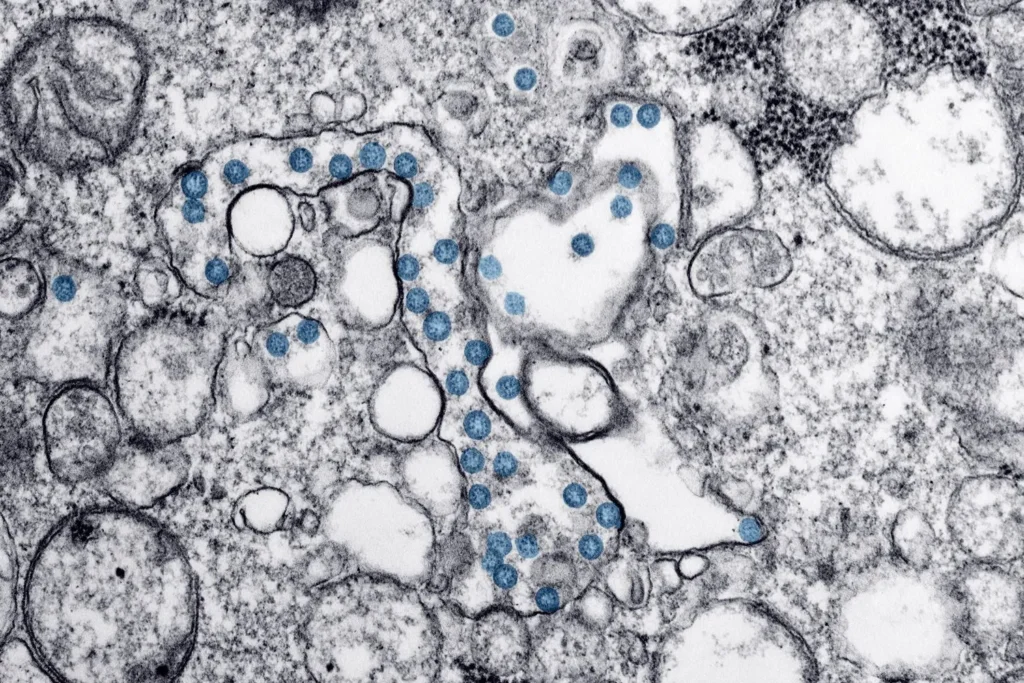
Nutritional immunity is a real term from immunology, and it does not mean what most wellness posts claim. Scientists use it for the way your body hides iron, zinc and other trace minerals from invading microbes during an infection. Wellness marketing uses it loosely for “foods that boost immunity”, which is a different and much weaker idea. This guide separates the two meanings, then shows what your immune system genuinely needs from an ordinary Indian diet, where gaps are most likely, and when a blood test or a doctor is the right next step.
What does nutritional immunity mean?
Nutritional immunity is the body’s habit of hiding iron, zinc and manganese from invading microbes during an infection, so bacteria and fungi find it harder to multiply. It is an automatic defence, not a diet plan. Everyday wellness writing uses the same phrase loosely for eating well to support immunity, which is a separate idea.
The idea was first described in the 1970s. When an infection starts, proteins in your blood and tissues bind up iron, and others lock away zinc and manganese. Blood iron can fall quickly during infection. That drop is a deliberate defence, not a sign that you suddenly need more iron.
This is why the phrase is easy to misuse. You cannot “switch on” this mechanism with a spoonful of anything. It runs by itself, using minerals already in circulation. Some microbes have even evolved ways to steal metals back from the host, so pushing extra iron into a body that does not need it can backfire.
| Question | Immunology meaning | Wellness-marketing meaning |
|---|---|---|
| What is it? | The body withholds iron, zinc and manganese from microbes | “Eat these foods to power up immunity” |
| Who controls it? | Your body, automatically, during infection and inflammation | You, through a food or supplement choice |
| Can a food trigger it? | No | Claimed, but not supported |
| What helps you in daily life? | Nothing to do; just avoid unneeded iron pills | Meeting your normal nutrient needs, every day |
Does any food really boost your immune system?
No single food has been shown to push a healthy, well-fed person’s immune system above its normal level. Foods such as amla, garlic or haldi doodh are nutritious and fit well into a diet, but they are not switches. A deficiency weakens immunity, and correcting it restores normal function. That is the realistic ceiling.
“Immunity boosting foods” is a marketing phrase, not a scientific category. It also is not even a sensible goal: an overactive immune system causes problems of its own, such as allergies and autoimmune flare-ups. The aim is a system that works normally, and for that, steady everyday nutrition matters far more than any single ingredient.
It helps to be equally clear about what food cannot do. Eating well supports your body’s normal defences, but it does not prevent or cure any infection, and it is never a substitute for vaccination, prescribed medicine or your doctor’s advice. Think of diet as the foundation, not the treatment.
Which nutrients does your immune system rely on?
Immune cells rely on protein, iron, zinc, vitamin A, vitamin C, vitamin D and selenium, among others. Most adults meet these needs through dal, roti, vegetables, curd, eggs and fruit. A common adult protein target is roughly 0.8 to 1 g per kg of body weight daily, and iron and zinc needs vary by age and sex.
| Nutrient | Why immune cells need it | Everyday Indian sources | Rough food figures |
|---|---|---|---|
| Protein | Antibodies and signalling molecules are built from amino acids | Dal, paneer, curd, eggs, soya chunks, chicken, fish | Paneer about 18-20 g per 100 g; cooked dal about 7-9 g per 100 g; one egg about 6 g |
| Iron | Immune cells need it to multiply and to make pathogen-killing enzymes | Rajma, chana, lentils, ragi, palak, meat, fish | Cooked rajma or chana about 2-3 mg per 100 g; plant iron absorbs less well than meat iron |
| Zinc | Involved in the development and working of most immune cell types | Pumpkin seeds, til, cashews, chana, paneer, eggs, chicken | Pumpkin seeds about 7-8 mg per 100 g; cashews about 5-6 mg; paneer about 2-3 mg |
| Vitamin C | Supports defence cells and skin barriers; helps absorb plant iron | Amla, guava, lemon, orange, capsicum | Amla roughly 250-600 mg per 100 g; guava about 200 mg; orange about 50 mg |
| Vitamin A | Keeps skin and the linings of gut and airways, your first barrier, healthy | Carrot, papaya, pumpkin, palak, eggs, milk, ghee | No counting needed; a few orange or dark green servings a day is enough for most people |
| Vitamin D | Helps regulate immune responses | Mainly sunlight; small amounts from egg yolk, fortified milk, fish | Food gives little; a blood test is a better guide than guessing |
Each of these has a fuller guide on our blog if you want depth: protein and nutrition, zinc nutrition and vitamin nutrition. For a bigger picture of how these nutrients feed energy, hormones and recovery, see advanced nutrition and human metabolism.
Iron and zinc: why more is not better
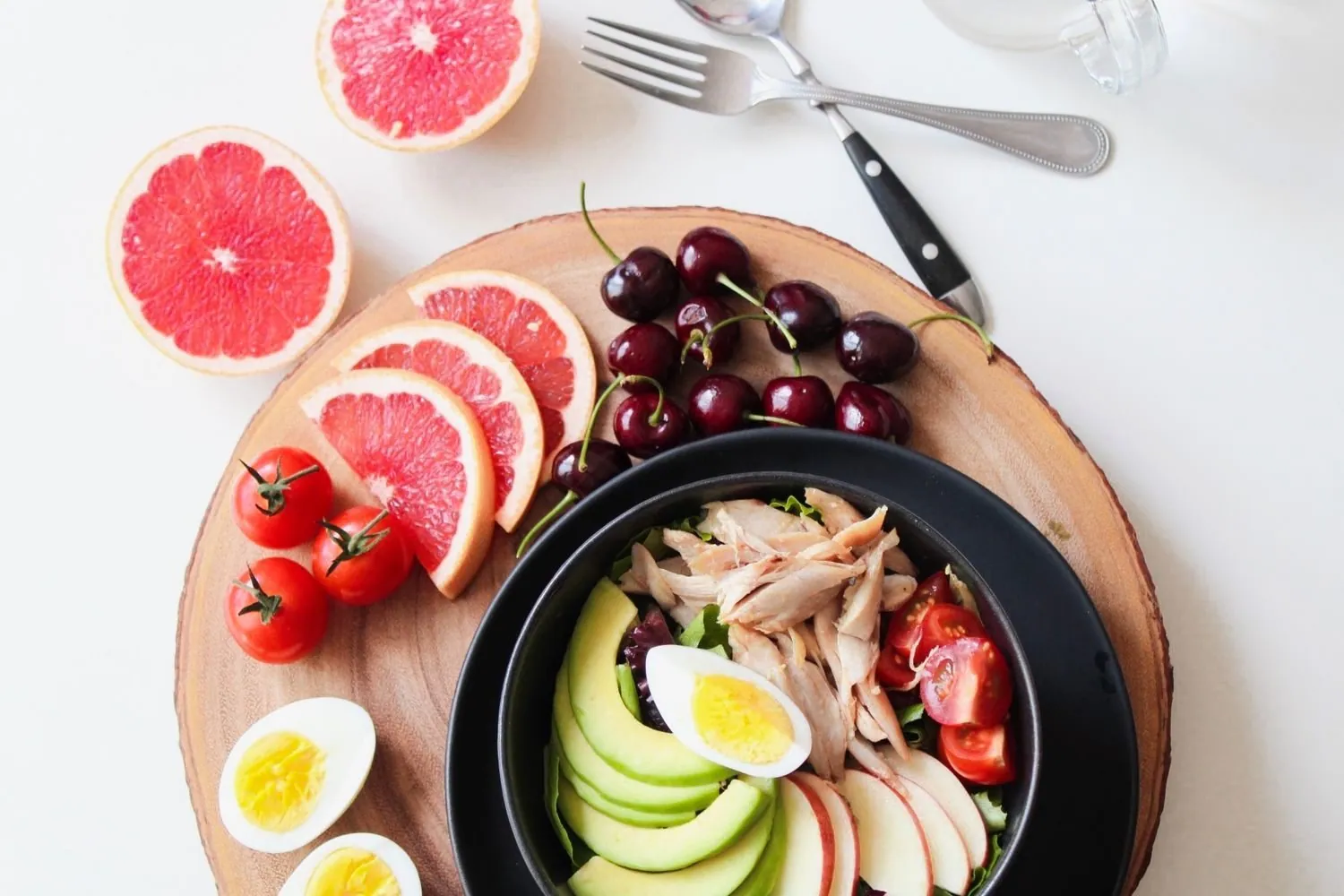
Iron and zinc are the two minerals closest to nutritional immunity, so they attract the most supplement marketing. Resist it. Both are needed in modest amounts, and both can cause harm when taken in excess or without a reason. Unlike vitamin C, which the body flushes out, extra iron accumulates and can strain organs.
Iron. Deficiency and excess both impair immune function, and excess iron may even feed certain microbes. Never start iron tablets on a hunch. Your doctor can check haemoglobin and ferritin, and decide whether you need iron at all, and in what amount.
Zinc. Heavy or long-term zinc intake can interfere with copper absorption. Food sources are safe for nearly everyone; supplement amounts should come from a clinician, not from a label that promises faster recovery.
If you are eating well and want to get more from your food, small kitchen habits help far more than pills:
- Add vitamin C to iron-rich meals. A squeeze of lemon over dal, or a guava after rajma chawal, improves absorption of plant iron.
- Keep chai away from the meal. Tea and coffee within about an hour of a meal can reduce iron absorption, so leave a gap.
- Soak, sprout or ferment. Soaking dals and chana, sprouting moong, and fermenting idli or dosa batter reduce compounds that block zinc and iron uptake.
- Use the iron kadhai if you already do. Cooking acidic dishes in iron cookware adds a little iron, but it is a small bonus, not a treatment.
For signs of a long-running gap, read our guide on nutritional deficiency and, for the most common mineral gap among Indian women, nutritional anemia.
What does a day of immune-supportive Indian eating look like?
A practical day covers protein at every meal, two or three colours of vegetables, one vitamin C fruit and a handful of nuts or seeds. The sample below gives roughly 55 to 70 g of protein, which suits many adults at 0.8 to 1 g per kg. Treat it as a template, not a prescription.
| Meal | Example | Nutrients it contributes | Protein (about) |
|---|---|---|---|
| Breakfast | 2 besan chillas with mint chutney, 100 g curd, 1 guava | Protein, iron, zinc, vitamin C | 15 g |
| Mid-morning | Small handful of roasted chana and pumpkin seeds (about 30 g) | Zinc, iron, protein | 6-8 g |
| Lunch | 2 rotis, 1 katori dal, mixed sabzi, cucumber and carrot salad with lemon, small bowl of curd | Protein, iron, vitamin A, vitamin C | 18-22 g |
| Evening | Orange or papaya bowl, plus a boiled egg or a small glass of milk | Vitamin C, vitamin A, protein | 6-8 g |
| Dinner | Palak paneer (about 80 g paneer), 1-2 rotis, kachumber | Protein, iron, zinc, vitamin A | 18-22 g |
Vegetarians can keep the same structure and rely on dal, paneer, curd, soya and sprouts. Non-vegetarians can swap in eggs, chicken or fish a few times a week. Our guide to nutritional needs explains how those targets shift with age and activity.

Who is more likely to run short of immune-relevant nutrients?
Most people eating a varied diet are fine. The groups below have a higher chance of a gap, which is why testing beats guessing for them.
- Vegetarians and vegans. Vitamin B12 is the big one, with iron and zinc next, because plant sources are absorbed less well.
- Women with heavy periods, teenage girls and pregnant women. Iron needs are higher, and anaemia is common in India.
- Older adults. Appetite, chewing and absorption can all decline, so protein quietly falls short.
- People who work indoors and cover up outdoors. Low sun exposure makes vitamin D deficiency common despite India’s sunshine.
- People with digestive conditions, or anyone eating a very restrictive diet. Absorption problems and crash diets both create gaps.
If you fit one of these groups, ask for specific blood tests rather than a general “immunity pack”. Our vitamin guide explains which markers to ask about.
Beyond food: what else keeps immune function steady?
Nutrition is one input among several. Regular sleep, moderate activity, stress control, not smoking and limiting alcohol all affect how well your body defends itself. Over-training with poor sleep and low food intake can leave you more run down, not less.
A steady routine works better than extremes. Gentle, regular movement such as yoga fits well, and our post on yoga for immunity covers sequences and breathing that suit beginners. If you prefer guided practice, try online yoga classes at a pace that suits your current health.
When to see your doctor or a registered dietitian
Food supports normal immune function. It does not prevent or cure infections, and it must never replace vaccines, prescribed medicines or your doctor’s plan. Please do not stop or change any medicine because of something you read here, including this article.
See a doctor or registered dietitian if you notice any of these:
- Infections that keep coming back, or that take unusually long to clear
- Wounds that heal slowly
- Persistent tiredness, breathlessness, dizziness, pale skin or hair fall
- Unexplained weight loss or loss of appetite
- A fever lasting more than two or three days
Also check in first if you are pregnant, breastfeeding, over 60, managing diabetes, kidney or liver disease, an autoimmune condition, or taking regular medication. Ask a clinician before using any supplement; the right type and amount depend on your test results and health status.
Frequently asked questions
Is nutritional immunity a real scientific term?
Yes. In immunology it describes how the body withholds iron, zinc and manganese from microbes during infection. Wellness marketing often stretches it to mean “foods that boost immunity”, which is a different, weaker claim that clinical evidence does not support.
Can eating more zinc or vitamin C raise immunity above normal?
Not in people who already get enough. Both nutrients are needed for normal immune function, and fixing a shortfall helps. Going beyond adequate intake has not been shown to make a healthy immune system perform better, and extra zinc in particular can cause problems.
Which Indian foods help support normal immune function?
No food works alone, but a varied plate covers the basics: dal and chana for protein and iron, curd and paneer for protein and zinc, amla, guava and lemon for vitamin C, carrots, papaya and palak for vitamin A, and a few seeds or nuts daily.
Should I take a multivitamin for immunity?
If your diet already covers your needs, a multivitamin adds little for immunity. It may help people with restrictive diets, higher needs or confirmed deficiencies. Let your blood tests and a clinician guide the choice, rather than a blanket “immunity” label.
When should I get tested for iron, zinc or vitamin D?
Consider testing if you have repeated infections, slow wound healing, constant fatigue, heavy periods, a vegetarian or vegan diet, or very little sun. Your doctor can choose the right tests and interpret them. Self-treating with iron or zinc tablets is the step to avoid.
If you would like to know where your own diet stands, an online nutritionist consultation can turn your blood reports and eating habits into a simple Indian meal plan, with no immunity-hype products involved.


