
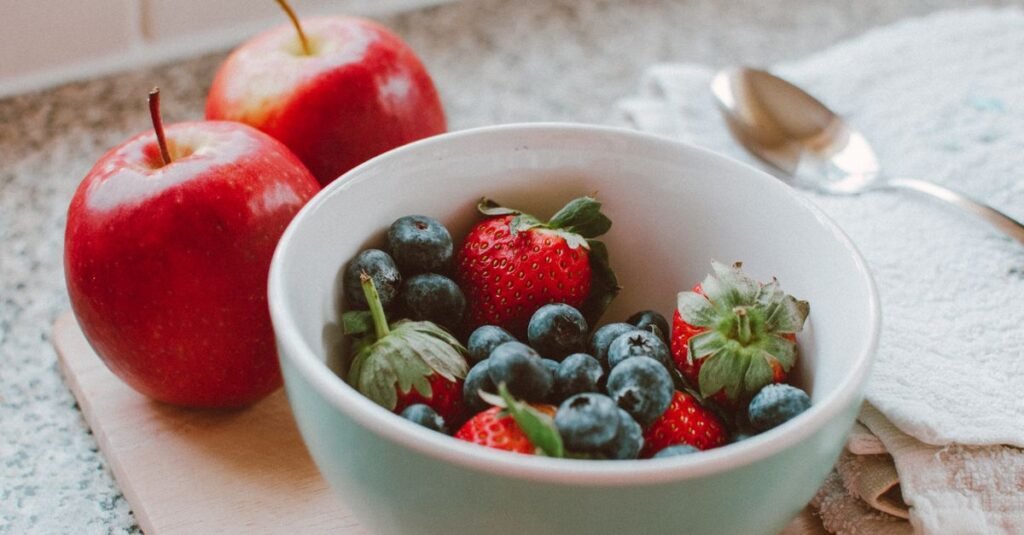
A good yoga diet is mostly about timing and digestibility, not exotic superfoods. Yoga burns less energy than most people assume, so you do not need an athlete’s calorie load. What you do need is a stomach that is comfortable in twists and inversions, steady energy for 45 to 90 minutes, and enough protein, iron, magnesium and vitamin B12 across the week. That last part is where many Indian vegetarian practitioners fall short.
This guide takes two approaches side by side. One is the traditional yogic diet built on sattvic principles. The other is what sports nutrition research says about eating around exercise. They agree more often than you might expect, and where they disagree we say so.
What is a yoga diet, and does yoga need special food?
A yoga diet is an eating pattern built around light, minimally processed, mostly plant-based meals timed so the stomach is near-empty during practice. Yoga is usually light-intensity exercise: a 2016 systematic review in Medicine & Science in Sports & Exercise found full sessions average about 3.3 METs, so ordinary balanced meals are enough for most practitioners.
That review, by D. Enette Larson-Meyer, pooled 17 studies that measured yoga’s energy cost directly with indirect calorimetry. Individual asanas averaged 2.2 METs and pranayama only 1.3 METs. Sun salutations were the outlier at up to 7.4 METs, which is moderate-to-vigorous work (Larson-Meyer, Med Sci Sports Exerc, 2016). In practical terms, a gentle hatha or yin class does not call for a recovery shake. A fast vinyasa or 20 rounds of Surya Namaskar behaves more like a moderate cardio session, and your post-class meal should reflect that.
So “special food” is the wrong frame. The useful questions are: when did you last eat, how heavy was it, and is your overall week covering the nutrients that a vegetarian Indian diet tends to miss? A sensible baseline is the Harvard Healthy Eating Plate: half the plate vegetables and fruit, a quarter whole grains and a quarter protein, with plant oils in moderation and water as the main drink (Harvard T.H. Chan School of Public Health, Healthy Eating Plate). On an Indian thali that means two katoris of sabzi and salad, one or two phulkas or a small mound of rice, and a full katori of dal, paneer, curd or chana.
What to eat before yoga, and how long to wait
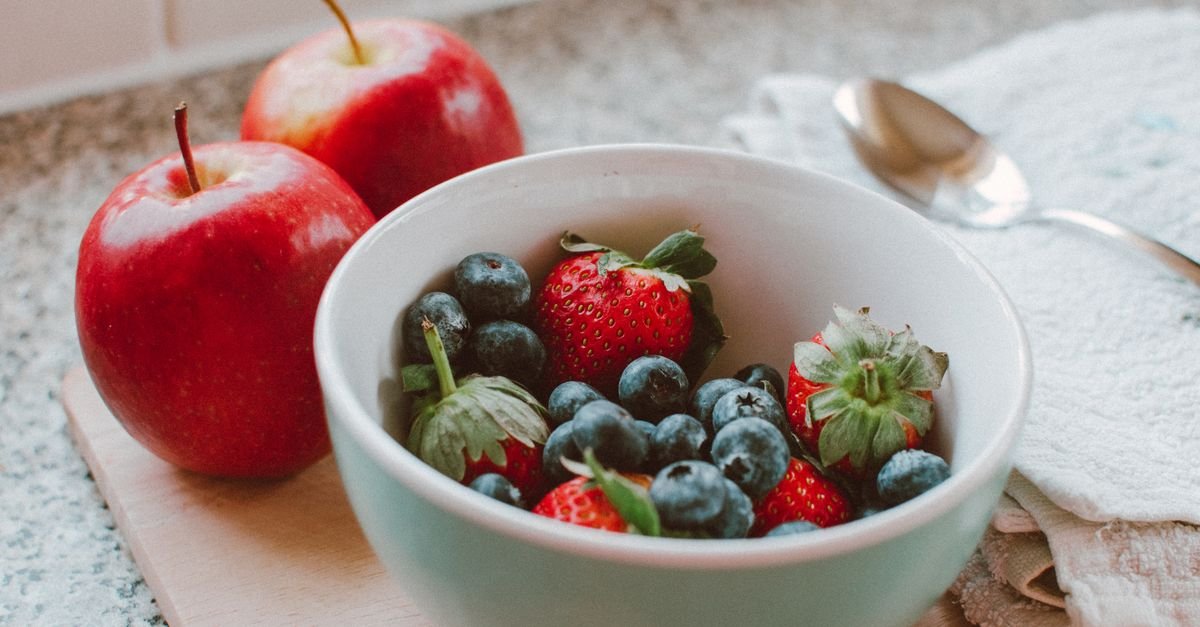
Finish a full meal 3 to 4 hours before yoga and a small snack 1 to 3 hours before, the windows Mayo Clinic gives for exercise generally. If you practise within the hour, keep it to something tiny and low in fibre and fat, such as half a banana or two or three dates, or simply water.
Those windows come from Mayo Clinic’s guidance on eating and exercise (Mayo Clinic, Eating and exercise). Yoga adds a twist, literally. Forward folds, deep twists, plough pose and anything inverted press on a full stomach in a way running does not.
Gut trouble during exercise is common. A 2014 review in Sports Medicine estimated that 30 to 50% of athletes report gastrointestinal complaints, and it recommended food choices that empty from the stomach quickly (de Oliveira, Burini & Jeukendrup, Sports Med, 2014). Fat, fibre and large portions slow gastric emptying, so the closer you are to class, the simpler the food should be.
| Time before class | What fits | Indian examples | Avoid in this window |
|---|---|---|---|
| 3-4 hours | Full balanced meal | 2 phulkas + dal + sabzi + curd; or rice + sambar + poriyal | Deep-fried food, very large portions |
| 1.5-3 hours | Small meal, moderate fibre | Vegetable poha or upma (1 bowl); 2 idlis with a little sambar; besan chilla | Rajma, chole, heavy paneer gravies |
| 45-90 minutes | Light carbohydrate snack | 1 banana; 1 small apple; 1 cup buttermilk; 3-4 soaked almonds with 2 dates | Raw salads, sprouts, nuts by the handful |
| Under 30 minutes | Almost nothing | A few sips of water; half a banana if light-headed | Milk, tea with biscuits, anything fried |
| Early-morning class (5-7 am) | Empty or near-empty | Water on waking; 2-3 dates or a few raisins if you feel faint | Full breakfast before practice |
If you practise pranayama such as kapalbhati, keep the stomach emptier still. Forceful abdominal breathing on a recent meal is uncomfortable and can bring on reflux.

What to eat after yoga: does the style change the answer?
After a gentle hatha, yin or restorative class, your normal next meal is enough. After a hard vinyasa, power yoga or long Surya Namaskar set, eat a meal with carbohydrate and protein within about two hours, as Mayo Clinic advises. Aim for roughly 20 to 40 g of protein, the dose the ISSN (2017) links with maximal muscle protein synthesis.
The International Society of Sports Nutrition’s position stand on nutrient timing gives the numbers. A protein dose of 0.25 to 0.40 g per kg of body weight (about 20 to 40 g), repeated every 3 to 4 hours, best supports muscle protein synthesis. High-quality protein taken immediately to 2 hours after exercise produces “robust increases” in it (Kerksick et al., J Int Soc Sports Nutr, 2017). For a 60 kg practitioner, 0.25 to 0.40 g/kg works out to 15 to 24 g per meal.
Keep this in proportion. The ISSN paper is written for exercising adults and trained athletes, and most yoga sessions are far lighter. Its most useful lesson for yoga is to spread protein across the day rather than loading it into dinner.
Post-class meals that work well:
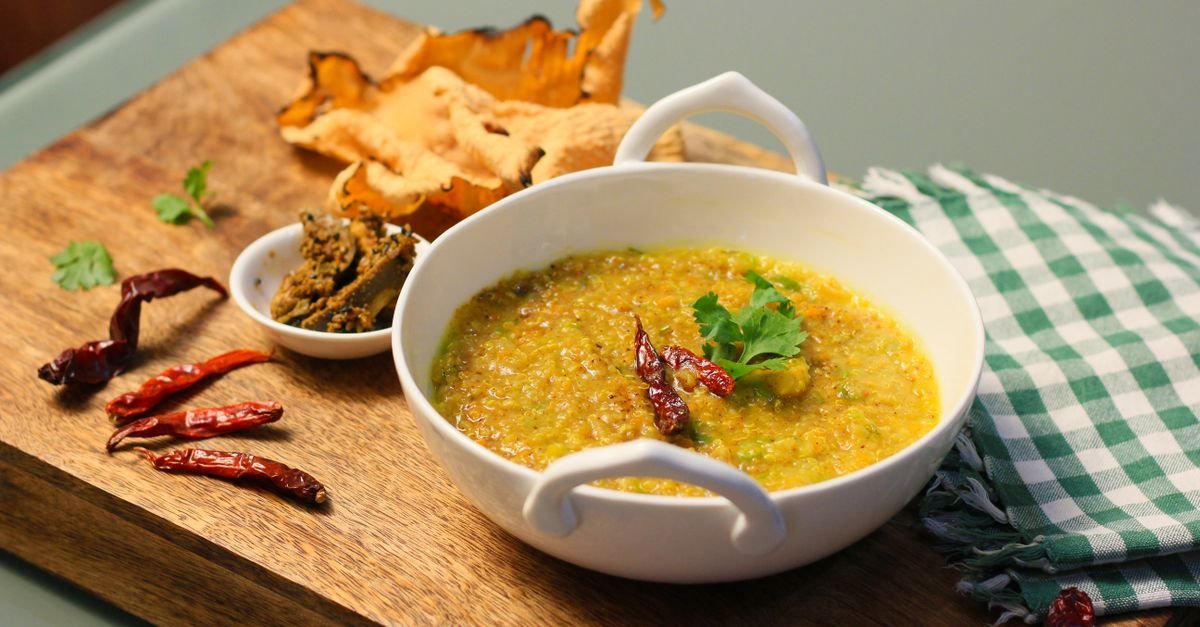
- Moong dal khichdi with curd: easy on the stomach, carbohydrate and protein together, and a traditional yogic staple.
- Besan or moong chilla with mint chutney and a glass of chaas: fast to make after a morning class.
- Paneer or tofu bhurji with two phulkas: the most protein-dense option for hard sessions.
- Curd with fruit and a spoon of seeds: fine after a gentle class when you are not hungry for a full meal.
Best food for yoga: Indian staples ranked by magnesium and iron
Magnesium and iron deserve the most attention on a vegetarian food-for-yoga list. Magnesium is involved in muscle and nerve function, and the US RDA is 310 to 320 mg a day for women and 400 to 420 mg for men aged 19 to 50 (NIH Office of Dietary Supplements, Magnesium). Iron needs are 18 mg a day for women and 8 mg for men aged 19 to 50. The same fact sheet notes that the RDA for vegetarians is 1.8 times higher, because plant (non-heme) iron is absorbed less well (NIH Office of Dietary Supplements, Iron).
The values below are taken directly from those NIH fact sheets. A dash means the sheet does not list that nutrient for that food, not that the food has none.
| Food | Serving | Magnesium (mg) | Iron (mg) | Best slot around practice |
|---|---|---|---|---|
| Pumpkin seeds, roasted | 1 oz (~28 g) | 156 | – | Post-class, on curd or poha |
| Chia seeds | 1 oz (~28 g) | 111 | – | Soaked, evening before a morning class |
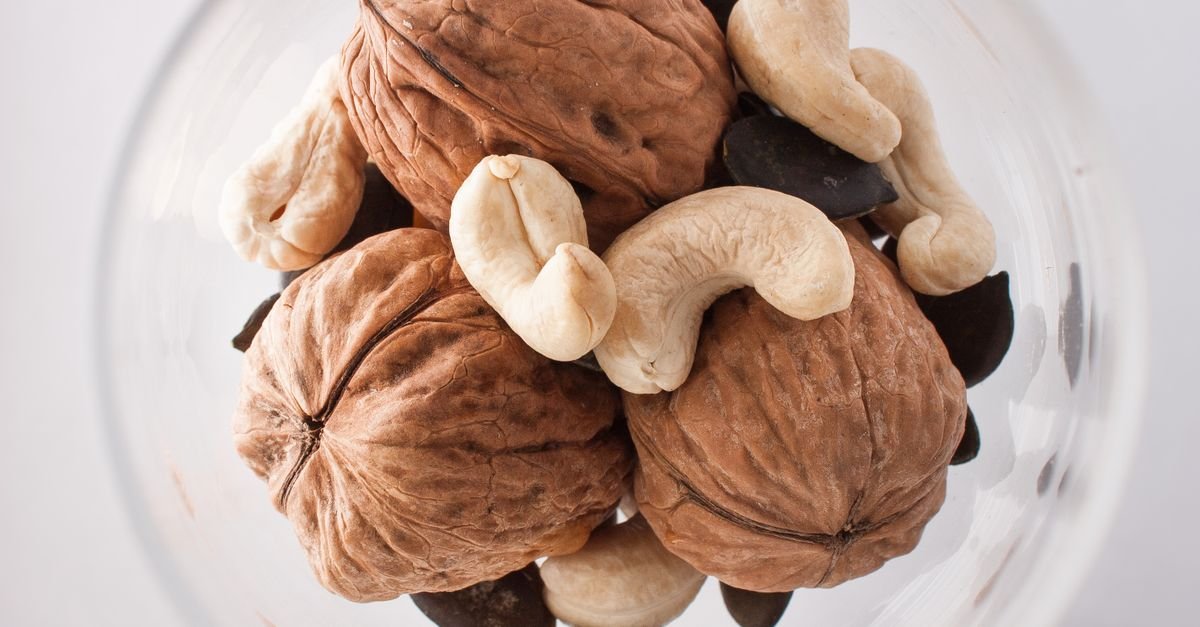
| Almonds, dry roasted | 1 oz (~23 nuts) | 80 | – | 3-4 soaked, 1 hour before class |
| Spinach (palak), boiled | ½ cup | 78 | 3 | Lunch or dinner, not right before class |
| Cashews, dry roasted | 1 oz (~28 g) | 74 | – | Snack, 2+ hours before class |
| Peanuts, roasted | ¼ cup | 63 | – | Chikki or in poha, away from class |
| Soymilk, plain | 1 cup | 61 | – | Post-class |
| Edamame, cooked | ½ cup | 50 | – | Post-class |
| Peanut butter | 2 tbsp | 49 | – | On toast, 2+ hours before class |
| Brown rice, cooked | ½ cup | 42 | – | Lunch, 3+ hours before class |
| Plain low-fat yogurt (dahi) | 8 oz (~225 g) | 42 | – | Post-class with fruit |
| Banana | 1 medium | 32 | – | 30-60 minutes before class |
| Lentils, boiled | ½ cup | – | 3 | Dal at lunch or dinner |
| Tofu, firm | ½ cup | – | 3 | Post-class bhurji |
| Chickpeas (chana), boiled | ½ cup | – | 2 | Lunch, well before class |
Two caveats. First, NIH notes that spinach has low iron bioavailability because it contains absorption inhibitors such as polyphenols, so palak paneer alone will not fix low iron. Pair plant iron with vitamin C (lemon on dal, amla, guava, tomato) and keep tea and coffee away from iron-rich meals. Second, nuts and seeds are calorie-dense. A 1 oz serving is a small palmful, not a bowl. For more options, see our guides to magnesium-rich foods and high-protein vegetarian foods.
Sattvic diet food list vs nutrition science: myths worth correcting
The yogic diet tradition, drawn from texts such as the Bhagavad Gita and the Hatha Yoga Pradipika, sorts food into three gunas. Sattvic foods are fresh, light and calming. Rajasic foods are stimulating (spicy, sour, very salty, caffeine). Tamasic foods are stale, heavy or intoxicating. Many Indian yoga schools still teach the sattvic diet, and much of it lines up with modern advice: fresh produce, whole grains, pulses, little processed food and no alcohol.
Some sattvic rules are about spiritual practice, though, not physiology. It helps to know which is which.
| Traditional claim | Category | What nutrition evidence says | Practical takeaway |
|---|---|---|---|
| Fresh fruit, vegetables, whole grains, pulses are ideal | Sattvic | Consistent with Harvard’s plate model: half the plate produce, a quarter whole grains | Keep. This is the core of any yoga diet. |
| Fresh milk, curd, ghee in moderation | Sattvic | Useful protein and calcium; Harvard suggests limiting dairy to 1-2 servings a day | Keep, in moderate amounts. |
| Onion and garlic disturb the mind | Rajasic/tamasic | No evidence they harm practice or health; both are nutritious vegetables | Optional. Avoid only if your tradition asks or they cause bloating. |
| Tea and coffee are rajasic | Rajasic | Moderate caffeine is safe for most adults; tea also reduces non-heme iron absorption | Keep tea away from iron-rich meals; skip it right before class if it upsets your stomach. |
| Leftover or reheated food is tamasic | Tamasic | Safety depends on storage, not on age alone; refrigerated food reheated properly is safe | Refrigerate promptly. Leftover dal is fine. |
| Eggs, fish and meat block spiritual progress | Tamasic | A personal or religious choice; these foods supply B12 and high-quality protein | If you avoid them, plan B12 and protein deliberately. |
| Fried and very heavy food dulls the body | Tamasic | Fat slows gastric emptying, so heavy meals before class cause discomfort | Agreed, especially in the 3 hours before practice. |
The biggest myth is that a strict sattvic diet is automatically complete. A diet of fruit, milk, rice and vegetables with little dal can easily run short on protein and iron. And because natural sources of vitamin B12 are limited to animal foods, a dairy-light vegetarian diet is short on B12 by design.
Yoga diet chart: one sample day for morning and evening practitioners
This is a sample yoga diet plan to adapt, not a prescription. Portions suit a moderately active adult of around 55 to 70 kg. Scale grain portions up if you are larger, train hard on other days or are losing weight unintentionally.
| Slot | Morning practitioner (class 6-7 am) | Evening practitioner (class 6:30-7:30 pm) |
|---|---|---|
| On waking | 1-2 glasses water; 2 dates only if light-headed | Water; 4-5 soaked almonds |
| Before class | Nothing, or half a banana 30 min before | – |
| Breakfast | After class: 2 moong chillas + curd + 1 fruit | Vegetable poha with peanuts + 1 glass milk or soymilk |
| Mid-morning | 1 guava or orange (vitamin C) | 1 fruit + 1 cup chaas |
| Lunch | 2 phulkas + 1 katori dal + 1 katori sabzi + salad with lemon | Rice + rajma or chole + sabzi + salad (finish by 2 pm) |
| Afternoon | Roasted chana (small handful) + green tea, away from lunch | 4-5 pm: 1 banana or 2 dates + water |
| Before class | – | Nothing in the last 60 minutes beyond sips of water |
| Dinner | Paneer or tofu bhurji + 2 phulkas + sabzi | After class: moong dal khichdi + curd + sauteed greens |
| Weekly checks | Pulses or soy at 2 meals daily; dairy or fortified foods daily for B12; seeds 3-4 times a week | |
The 4 to 5 pm snack is there so evening practitioners do not arrive at class hungry or dizzy.
Is a vegetarian yoga diet missing anything?
Often, yes: vitamin B12, iron and protein are the three usual gaps. The adult RDA for B12 is 2.4 mcg a day, and NIH says vegetarians and vegans have a higher risk of deficiency because natural B12 comes only from animal foods. Fortified foods or supplements can substantially reduce that risk.
That B12 guidance comes from the NIH Office of Dietary Supplements B12 fact sheet, which also lists higher needs in pregnancy (2.6 mcg) and lactation (2.8 mcg). Low B12 can show up as tiredness, tingling, or poor balance in standing poses, and it is easy to blame on your practice. If you are a lifelong vegetarian, a blood test is cheap and worth asking your doctor about. Do not start high-dose supplements without one.
For iron, menstruating women carry the biggest risk: an 18 mg RDA, multiplied by 1.8 for vegetarians, is about 32 mg a day. That is hard to reach from food alone. Lean on dal, chana, rajma, tofu and seeds with vitamin C at the same meal, and get tested rather than guessing. For protein, the simplest fix is to put a protein source in every meal: dal, curd, paneer, tofu, sprouts, chana or soymilk.
Hydration: water before, during and after class
The American College of Sports Medicine’s position stand on fluid replacement advises starting exercise well hydrated, drinking several hours ahead so urine output can return to normal, and preventing a fluid loss of more than 2% of body weight during exercise. Beyond that point, performance suffers (ACSM Position Stand, Med Sci Sports Exerc, 2007). For a 60 kg person, 2% is 1.2 kg. That is unlikely in a 60-minute hatha class but realistic in hot yoga or a sweaty vinyasa class on a Chennai or Delhi summer evening.
Small sips during class are fine. Gulping half a litre just before inversions is not. Coconut water or chaas with a pinch of salt is a sensible way to replace electrolytes after very sweaty sessions. For the question of whether to drink during practice at all, see our detailed guide to drinking water around yoga.
Troubleshooting: when food is the problem on your mat
Bloating or burping in twists and forward folds
The usual culprits are raw salads, sprouts, rajma, chole or cauliflower within 3 hours of class, or fizzy drinks. Move these foods to the meal after class, and let the last pre-class food be low-fibre, like a banana or a few dates.
Acid reflux in downward dog or shoulder stand
Inversions put the stomach above the oesophagus. Avoid tea, coffee, citrus, spicy pickles and fried snacks for 3 hours beforehand, and skip inversions that day if reflux persists. Frequent reflux should be checked by a doctor.
Dizziness in a 6 am class
This is common if dinner was early and light. Try 2 to 3 dates or half a banana with water 20 to 30 minutes before class, and stand up slowly from forward folds. Recurring fainting or blackouts need a medical check, not a snack.
Cramps in the calves or feet
Cramps are often linked to sweat loss, unfamiliar positions or fatigue. Check your hydration and your overall intake of magnesium and potassium foods (seeds, dal, banana, curd). Get magnesium from food first, and do not self-prescribe supplements; if cramps are frequent or severe, see a doctor.
Who should adjust these guidelines
- Pregnant practitioners: needs for iron (27 mg), B12 (2.6 mcg) and calories rise. Work with your obstetrician, and choose prenatal yoga, not hot or power yoga.
- People with diabetes: the “empty stomach” morning advice can be risky if you take insulin or certain tablets. Ask your doctor how to time food and medication around class. Never change medication on your own.
- Those combining yoga with gym or running: your total energy and protein needs are set by the harder training. Treat yoga as a light day and eat for the heavier sessions.
- Anyone with a history of disordered eating: strict food rules, including rigid sattvic ones, can be unhelpful. Speak to a qualified professional before restricting.
If you want a plan built around your own schedule, weight and lab results, an online nutritionist consultation is the fastest route. A dietitian can read your B12, ferritin and HbA1c reports in a way a generic chart cannot.
Frequently asked questions
What is the best food to eat before yoga?
Within an hour of class, a banana, 2 to 3 dates, a small apple or a few soaked almonds work best because they digest quickly. If class is 3 to 4 hours away, eat a normal balanced meal like dal, sabzi and phulkas.
Can I do yoga on an empty stomach?
Yes. Most traditions recommend it, especially for early-morning practice and pranayama. If you feel dizzy or weak, add a small snack such as half a banana 20 to 30 minutes before class.
How long after eating can I do yoga?
Wait 3 to 4 hours after a large meal and 1 to 3 hours after a small meal or snack, in line with Mayo Clinic’s exercise guidance. Allow longer if the class includes deep twists or inversions.
What should I eat after yoga?
After gentle yoga, eat your normal next meal. After an intense vinyasa or power class, eat carbohydrate plus protein within about two hours, for example moong dal khichdi with curd or paneer bhurji with phulkas.
Do I have to follow a sattvic diet to practise yoga?
No. The sattvic diet is a traditional framework, and its emphasis on fresh, whole, plant-based food is sound. Rules such as avoiding onion and garlic are spiritual choices, not physical requirements for practice.
Is a yoga diet good for weight loss?
It can help, because it favours whole, minimally processed food. But yoga burns relatively little energy (about 3.3 METs on average), so weight loss still depends on your overall calorie balance and activity across the day.
Should yoga practitioners take supplements?
Only when a blood test or a doctor shows a need. Vegetarians commonly need vitamin B12 from fortified foods or supplements, and some women need iron, but get tested before supplementing.
Practise with a plan. Join Fitstrot’s live online yoga classes at a time that fits your meals. Morning or evening batches let you build the eating rhythm above around a fixed practice slot.


