

Zumba vs yoga is one of the questions we hear most at Fitstrot, and since we teach both, we have no reason to push you either way. The short version: Zumba is a dance-based cardio workout that burns more calories per hour, while yoga is a slower practice that builds flexibility, balance, controlled strength and calm. Neither wins outright. The better pick depends on your goal, your joints, your schedule and, honestly, which one you will still be doing in three months.
Which burns more calories, zumba or yoga?
Zumba burns more. A 60-minute Zumba class typically burns about 400 to 600 kcal for an adult weighing 60 to 70 kg, while a gentle hatha yoga class burns roughly 150 to 250 kcal. Faster, flowing styles such as vinyasa or power yoga land in between, at about 250 to 400 kcal.
Those are rough ranges, not promises. Your weight, effort and rest between songs or poses all move the number. Use the figures to compare formats, not to eat back every calorie.
| Class style | Intensity | About kcal per 60 min (60-70 kg adult) | Best at |
|---|---|---|---|
| Standard Zumba | Moderate to high | 400-600 | Cardio, stamina, mood |
| Low-impact Zumba (Gold style) | Low to moderate | 250-400 | Gentle cardio, joint-friendly movement |
| Vinyasa or power yoga | Moderate | 250-400 | Strength, flexibility, some cardio |
| Hatha or gentle yoga | Low | 150-250 | Flexibility, balance, body awareness |
| Restorative yoga | Very low | 100-150 | Recovery, sleep, winding down |
Zumba vs yoga at a glance
Here is the whole comparison in one place. Read it as a map of what each format is built to do, not a scoreboard.
| Factor | Zumba | Yoga |
|---|---|---|
| Core idea | Dance fitness set to Latin and Bollywood-style music | Postures, breathing and attention, rooted in India |
| Cardio fitness | Strong, continuous aerobic work | Mild, except in fast flowing styles |
| Calories per hour | About 400-600 kcal | About 150-400 kcal depending on style |
| Flexibility | Modest, comes from big movements | Strong, the main strength of the format |
| Muscle strength | Legs and core endurance | Bodyweight strength: arms, shoulders, core, legs |
| Balance | Some, through footwork and turns | Strong, through standing and single-leg poses |
| Joint impact | Higher (jumps, pivots), lower in Gold-style classes | Low, but deep stretches can strain wrists, knees and back |
| Mood and stress | Music, movement and group energy | Slow breathing, focus and relaxation |
| Equipment | Cushioned shoes and space to move | A mat, optionally a block and strap |
What does each one actually feel like in a class?
A Zumba class is about 45 to 60 minutes of choreographed dancing, usually in songs of three to four minutes. A yoga class is about 45 to 60 minutes of held and flowing postures linked by breathing, ending with rest. Zumba leaves you sweaty and energised, yoga leaves you stretched and calmer.
In a typical Zumba session you warm up for a song or two, then move through salsa, merengue, cumbia, reggaeton and often Bollywood tracks, with the pace rising and falling so you get short recovery windows. The last songs cool the body down. Our Zumba classes are led by Yash Pathak, Fitstrot’s lead Zumba trainer, who is ZIN Licensed, ACE Certified and Strong Nation Certified. If you can march in time and repeat a step you have just been shown, you can follow along.
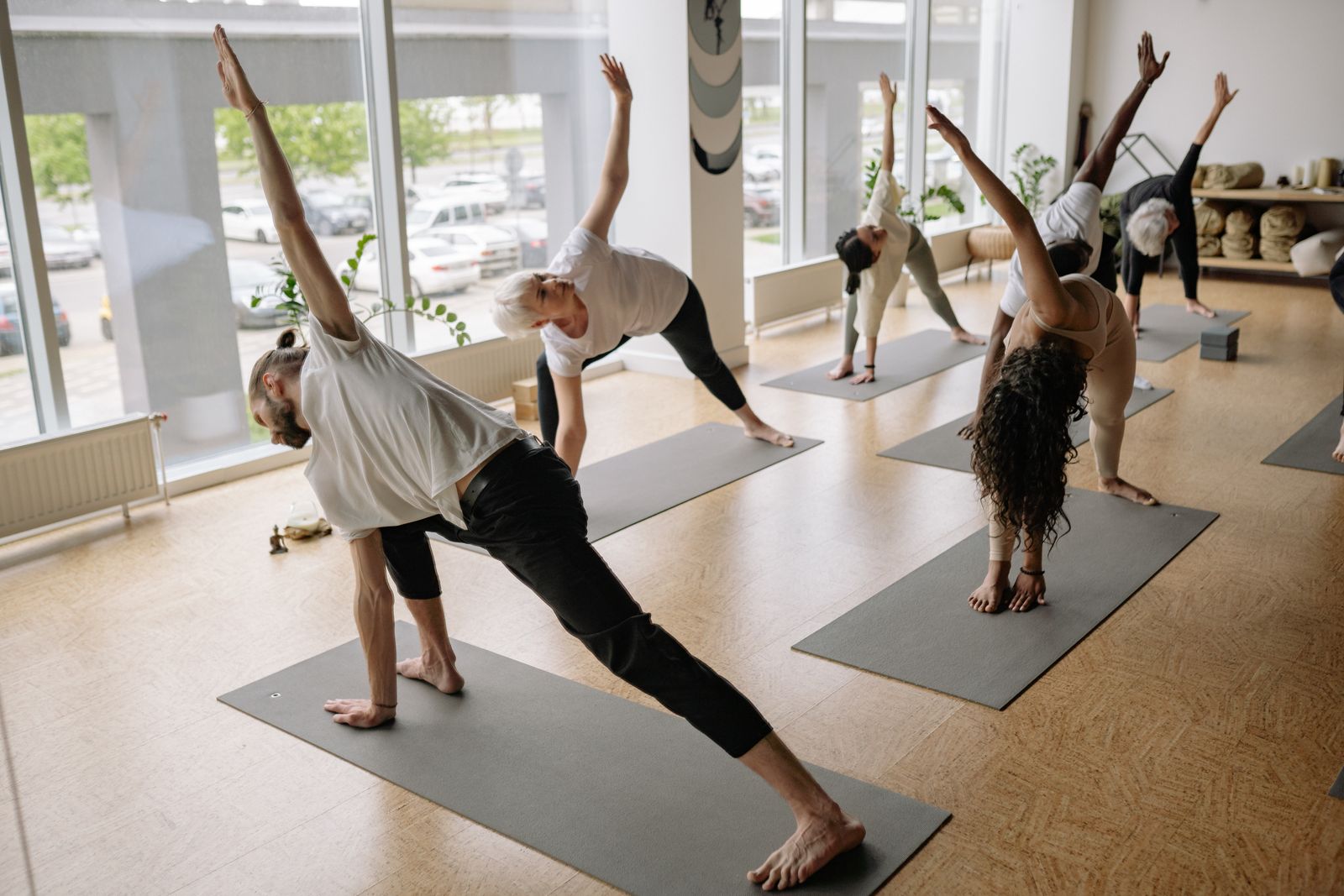
A typical yoga session starts with a few minutes of breathing, moves through warm-up stretches, standing poses and balances, then floor poses, and finishes with a few minutes lying still. In a gentle class you might hold a pose for five slow breaths. In a power class you flow between poses and breathe harder.
Myth check: five things people get wrong
Myth 1: “Yoga is not real exercise.” Holding a plank, a chair pose or a warrior pose works your muscles hard, even though you are barely moving.
Myth 2: “Zumba is only for people who can dance.” Beginners follow by copying the instructor, and if you lose a step, you keep moving and rejoin on the next beat.
Myth 3: “Yoga burns no calories.” It burns fewer than Zumba, but not zero. Twelve rounds of Surya Namaskar at a steady pace is real work.
Myth 4: “You must be flexible to start yoga.” Flexibility is the result of yoga, not the entry fee. Blocks, straps and bent knees exist for this reason.
Myth 5: “Whichever burns more calories is the better workout.” If a class leaves you injured or bored, it is a poor workout for you, whatever the calorie number says.
Which should you choose for your goal?
Choose Zumba if your goals are cardio fitness, higher calorie burn, energy and a social, upbeat session. Choose yoga if your goals are flexibility, balance, posture, calm and gentler movement. Choose both if you want all of those. This split holds for most adults who are otherwise healthy and starting from low activity.
Some specifics by situation:
- Weight loss: Zumba gives you a bigger calorie burn per hour, but fat loss still depends mostly on food and consistency. Yoga helps indirectly through better sleep, lower stress and more awareness of eating. For a plan built around your numbers, see our online weight loss trainer service.
- Desk job and stiff back or hips: Yoga is a natural fit because it opens the hips, hamstrings and chest. Add a short Zumba session or brisk walk for the cardio side.
- Low motivation: Zumba tends to hold attention because the music does the work.
- Racing mind and poor sleep: Slow evening yoga gives you a defined wind-down, while a late, high-energy dance class may leave some people wired.
- Joint concerns: Speak to a doctor first (see below).
If you are comparing against other options, our guides on zumba vs pilates, zumba vs gym and yoga vs gym cover those head-to-heads.
Which is better for stress, zumba or yoga?
Both help, through different routes. Zumba lifts mood through music, vigorous movement and the company of a group, which many people feel within a single class. Yoga calms through slow breathing and focused attention, which can lower tension and make it easier to wind down. Neither replaces professional care for anxiety or depression.
If stress makes you restless, a dance class burns off that energy. If it makes your mind loop at night, slow yoga gives you something to anchor on. For the dance side, read our guide to Zumba for mental health.
Can you do zumba and yoga in the same week?
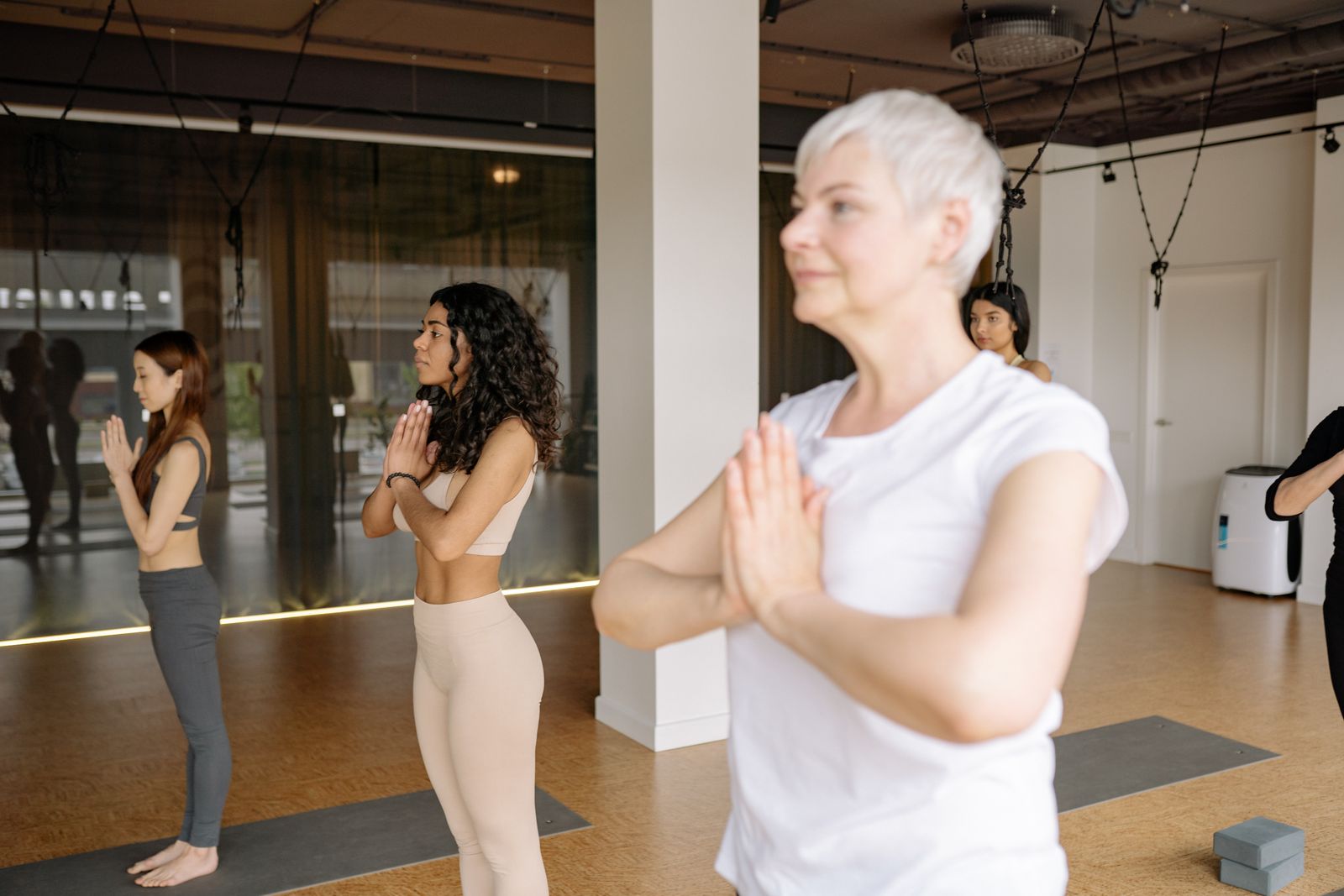
Yes, and many people do. A sensible week is two to three Zumba sessions of 45 minutes and two yoga sessions of 30 to 45 minutes, with at least one lighter or rest day. Zumba covers cardio and calories, yoga covers flexibility, balance and recovery, so each fills gaps the other leaves.
Here is a sample week for a beginner who wants both. Adjust the days to your schedule and drop a session if you feel run down.
| Day | Session | Length | Purpose |
|---|---|---|---|
| Monday | Zumba | 45 min | Cardio and an energetic start to the week |
| Tuesday | Hatha or gentle yoga | 30-40 min | Flexibility and recovery from Monday |
| Wednesday | Walk or rest | 20-30 min | Light movement, no pressure |
| Thursday | Zumba | 45 min | Cardio and calorie burn |
| Friday | Vinyasa yoga | 45 min | Strength, balance, stress release |
| Saturday | Zumba (optional) | 45 min | Extra cardio, or swap for a long walk |
| Sunday | Restorative yoga or full rest | 20-30 min | Reset before the new week |
If you want a deeper plan for combining the two, we wrote a full guide on Zumba and yoga together. You can also compare how yoga stacks up against general workouts in our post on yoga vs exercise.
Zumba or yoga for beginners: troubleshooting the first month
Most people who quit in the first month quit for one of a few fixable reasons. Here is what usually goes wrong in each format and what to do about it.
- “I cannot follow the Zumba steps.” Do the basic step on the beat and add arms later. Expect to feel lost for the first three or four classes. The routines repeat, and you improve fast.
- “My knees or ankles hurt after Zumba.” Check your shoes first (cushioned, with grip, not bare feet on a hard floor), step instead of hopping, and try a low-impact class. If pain persists, stop and get it checked.
- “I am so stiff in yoga I feel useless.” Bend your knees, use a folded blanket or a block, and treat the pose as a direction, not a shape to match. A slightly shorter stretch held calmly beats a deep one forced.
- “Yoga feels boring.” Try a flowing vinyasa class instead of slow hatha. Many people who think they dislike yoga actually dislike slow yoga.
- “My wrists hurt in yoga.” Spread your fingers wide, press through the whole palm, or come down to your forearms. Fists or a folded mat can also relieve pressure.
- “I am doing it and nothing is changing.” Give it four to six weeks of regular attendance before judging, and look at stamina, sleep, mood and how your clothes fit, not just the scale.
- “I do it for a week, then vanish.” Book fixed class slots and start with two a week. A small routine you keep beats an ambitious one you drop.
When to see your doctor first
Most healthy adults can start either format at a beginner level, but see your doctor before starting if you have a heart condition, high blood pressure, diabetes, recent surgery or injury, ongoing knee, hip, back or neck pain, or are pregnant. Tell your instructor about any condition before class, and stop if you feel chest pain, dizziness or sharp pain.
Standard Zumba is fairly high impact, so ask about low-impact versions if your joints complain. Yoga looks gentle, but deep twists, forward bends and inversions are not right for everyone, particularly with back problems or high blood pressure. This article is general information, not medical advice, and no class promises a specific weight or health result.
Do you need online or in-person classes?
Online classes work well for both formats if you have a clear patch of floor and a screen you can see. Zumba needs about two to three metres of free space, and yoga needs a mat-sized area. The big gain of online is consistency: no commute, so fewer skipped sessions.
You can look at our online Zumba classes and online yoga classes, or read more about getting started in our guide to online Zumba classes. If you have an injury, a medical condition or a specific target, our 1-on-1 personal training lets a coach adjust everything to you.
Zumba vs yoga FAQs
Is zumba or yoga better for weight loss?
Zumba burns more calories per session, about 400 to 600 kcal an hour against roughly 150 to 250 for gentle yoga, so it is usually the faster route. Yoga supports weight loss indirectly through better sleep, lower stress and mindful eating. In both cases, what you eat and how regularly you show up matter most.
Which is easier for beginners, zumba or yoga?
Both suit complete beginners. Zumba is easy to start, since you copy the instructor, but the pace can feel tiring at first. Yoga is gentler on fitness, but balance and flexibility can feel awkward early on. Choose a beginner-level or low-impact class in either format and expect two to four weeks to settle in.
Can I do zumba and yoga on the same day?
Yes, if you feel fine doing it. Many people do Zumba in the morning and a calm 20 to 30 minute yoga session in the evening. If you only have one slot, do Zumba first and stretch or do gentle yoga afterwards, rather than hard cardio after deep stretching.
Is zumba or yoga better for people with knee or back problems?
It depends on the problem, and your doctor should decide. Low-impact Zumba and gentle, modified yoga are often used by people with mild joint stiffness, but standard Zumba jumps and deep yoga bends can aggravate some conditions. Do not start either with pain or a diagnosis without medical advice.
How many times a week should I do zumba and yoga?
For most beginners, two Zumba sessions and two yoga sessions a week is a comfortable start, with at least one rest day. Build up to three Zumba sessions if you want more cardio, and keep yoga short and regular, even 15 to 20 minutes on lighter days.
Your next step: book one Zumba class and one yoga class this week, then note which one you look forward to more. Start with our online Zumba classes or online yoga classes and let your own experience settle the question.


