
So, does zumba teach you to dance? Partly, and the part it teaches is more useful than most people expect. A regular Zumba class trains your sense of beat, your coordination and a small set of Latin and Bollywood-style steps. What it does not train is partner work, clean technique or the confidence to freestyle at a party. This guide separates the two, so you know what you are getting and how to push it further.
Does Zumba teach you to dance? The short answer
Yes, Zumba teaches basic dance skills: keeping time to a beat, counting in eights, copying choreography and moving through salsa, merengue, cumbia and reggaeton-style steps. It does not teach partner lead and follow, turn technique or refined posture. Think of it as dance fitness that builds a foundation, not a full dance education.
Zumba started in Colombia in the 1990s as an instructor’s improvised class to Latin music, and it has always been built around fitness first. That design choice explains everything below. Classes are built to keep a mixed room of beginners moving for about an hour, not to correct your elbow angle. If you have ever wondered whether Zumba is real dancing, the honest answer is that it is real dance movement, taught at a pace and level of detail meant for exercise.
One honest caveat: nobody can promise you will dance well after a set number of classes. Progress depends on how often you attend, how much you practise and how much dance exposure you had before. What follows is a realistic picture, not a guarantee.
Dance skills Zumba builds and skills it leaves out
The table below shows where Zumba helps most and where you will need something extra. “Strong” means a regular attender will clearly improve; “limited” means you will pick up fragments but not a reliable skill.
| Dance skill | Does Zumba build it? | What you actually practise |
|---|---|---|
| Feeling the beat | Strong | Stepping on the count across dozens of songs a month, from slow reggaeton to fast merengue |
| Counting 8-counts | Strong | Instructors cue “5, 6, 7, 8” before each move, which trains phrase awareness |
| Coordination of arms and legs | Strong | Layering arm patterns over a repeated step |
| Memorising choreography | Good | Learning a routine of 4-6 repeated moves per song |
| Hip and shoulder isolation | Moderate | Repeated hip circles, shimmies and rolls, usually without detailed correction |
| Basic steps (merengue march, salsa basic, cumbia step) | Good | Simple versions done at fitness pace |
| Partner lead and follow | None | Classes are solo and face the instructor |
| Turns, spotting and balance technique | Limited | A few simple turns, rarely drilled |
| Posture, lines and styling | Limited | General cues only; little individual feedback |
| Freestyle and improvisation | Limited | Occasional free-dance moments at the end of a song |
Notice the pattern. Everything that comes from repetition in a group, such as rhythm, stamina and memory for sequences, is strong. Everything that needs a teacher watching you closely, such as technique and posture, is thin. That is useful to know before you set your expectations.
Myth: “Zumba is not real dancing”
Zumba is real dancing in the sense that matters for most people: you move your whole body in time with music, using steps borrowed from actual dance traditions. The myth is half right, because it is not formal training. Calling it “not real” confuses a different goal with a lower one.
A few points worth correcting:
- “You only jump around.” Good classes use genuine rhythm patterns. Our guide to Zumba rhythms explained shows how each style has its own count and feel.
- “You cannot learn salsa from it.” You cannot become a social salsa dancer from it, but the basic step and the sense of timing carry over directly.
- “It is only for people who can already dance.” The opposite is true. Beginners with no dance background are exactly who the format is built for.
If you want a deeper side-by-side, Zumba vs dance covers the comparison in more detail, and what is Zumba dance explains the format from scratch.
How is a Zumba class different from a proper dance class?
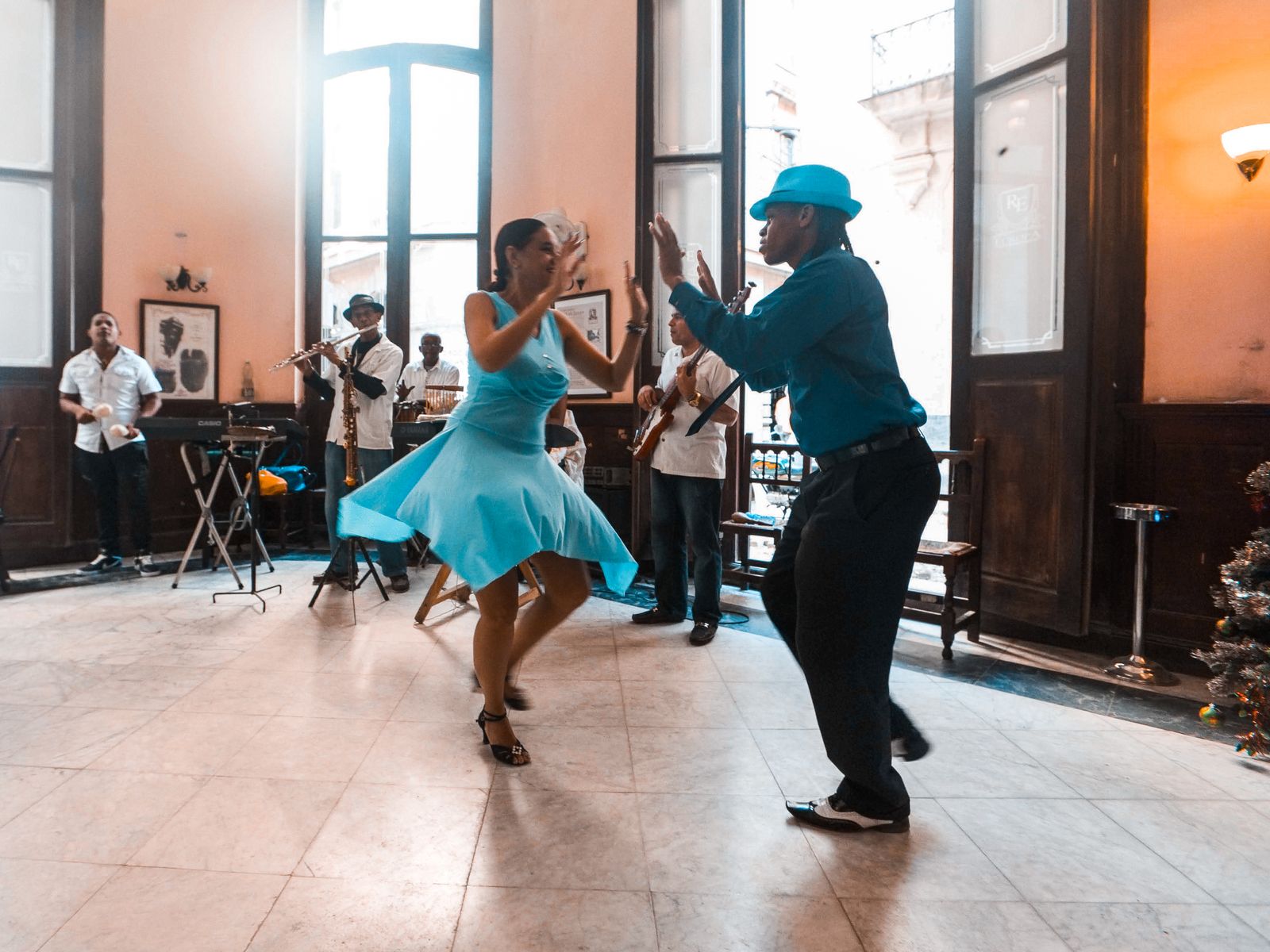
A Zumba class aims to keep your heart rate up for about 45-60 minutes using simple, repeated moves, and it burns roughly 300-500 kcal an hour depending on your weight and effort. A dance class aims to improve technique in one style, with detailed correction, drills and often a partner. The first targets fitness; the second targets skill.
| Feature | Zumba class | Technique-focused dance class (salsa, Bollywood, etc.) |
|---|---|---|
| Main goal | Fitness and enjoyment | Skill in one dance style |
| Styles per session | Several rhythms mixed | Usually one |
| Feedback on your form | General cues to the whole group | Individual correction and drills |
| Partner work | None | Common in salsa, bachata, ballroom |
| Pace of new material | Same routine repeated, so you catch up by the second pass | Step-by-step breakdown, slower per move |
| Entry barrier | None; no dance background needed | Often assumes some basics |
| Best for | Rhythm, stamina, confidence moving | Performing, social dancing, precision |
Neither is better in the abstract. If you want to sweat, laugh and build a regular habit, Zumba wins. If you want to be invited to dance at a wedding sangeet and lead a partner, a style class wins. Plenty of people do both, using Zumba as the weekly habit and a style class as the skill builder.
Walkthrough: turn your Zumba classes into real dance progress
Most people attend, enjoy and plateau. A small amount of deliberate practice changes that. The plan below assumes three Zumba sessions a week plus about 10 minutes of practice on two other days, and it is a sensible target, not a promise of a particular result.
| Weeks | Focus | What to do in and between classes |
|---|---|---|
| 1-2 | Find the beat | Ignore the arms. Clap or tap the beat for a full song, then step only on counts 1 and 5 |
| 3-4 | Count the phrase | Whisper-count 1-8 through each move. Learn the merengue march and salsa basic cold, without looking at the screen |
| 5-6 | Add arms and hips | Pick one song and repeat its full routine after class. Add one styling detail, such as a hip sway on the hold beat |
| 7-8 | Own one song | Dance one routine start to finish without the instructor. Record yourself and compare it to the class |
| 9 onward | Choose a direction | Keep Zumba for fitness and add a salsa, bachata or Bollywood technique class if you want precision |
For extra tactics on picking up routines quickly, our guide to how to learn Zumba fast pairs well with this plan, and Zumba dance moves breaks down the common steps one at a time.
Troubleshooting: why you may feel you are not learning to dance
If you have been attending for a few weeks and still feel clumsy, one of these is usually the reason.
- You lose the beat after a few seconds. You are probably watching the instructor’s arms instead of listening to the music. Close your eyes for eight counts and step in place to the kick drum.
- You are always one move behind. This is normal on the first pass of a song. Zumba routines repeat, so use the first run to watch and the second and third to join in.
- You feel stiff or self-conscious. Shrink your moves. A small, on-beat step looks better than a big, late one. Confidence follows consistency.
- Your steps look sloppy. That is the missing feedback gap. Record yourself or ask the instructor for one correction at the end of class.
- Your knees or ankles ache. Lower the impact, keep your knees soft and wear cushioned shoes with a smooth sole that lets you pivot. Pain that continues for more than a few days is a reason to see a doctor or physiotherapist, not to push through.
Who gets the most dance value from Zumba?
Zumba teaches beginners the most because the gap between “no dance experience” and “comfortable on the beat” is where it adds the most. Experienced dancers gain mainly fitness and fun, while complete beginners gain rhythm, coordination and the nerve to move in front of others.
- Complete beginners: the biggest gains, particularly in timing and body awareness. Start with the Zumba dance workout format if you want an easy entry point.
- Former dancers or Garba and Bollywood regulars: you will find the steps simple, but you get a solid cardio session and exposure to Latin rhythms.
- Men who think dance is not for them: classes are solo and face the instructor, so there is no partner to impress and nobody watching closely.
- Adults preparing for a wedding or family function: eight weeks of regular classes and short practice can give you a few go-to moves and some confidence to use them, though results vary.
- People wanting results beyond dance: if your aim is shape and strength, see does Zumba tone your body for a realistic view.
When to add a dedicated dance class
Add a style class once you can hold the beat comfortably and want something Zumba does not give: partner skills, turns, performance polish or authentic style. A good signal is when you can follow a Zumba routine without watching the instructor, yet still feel your own movement looks unrefined.
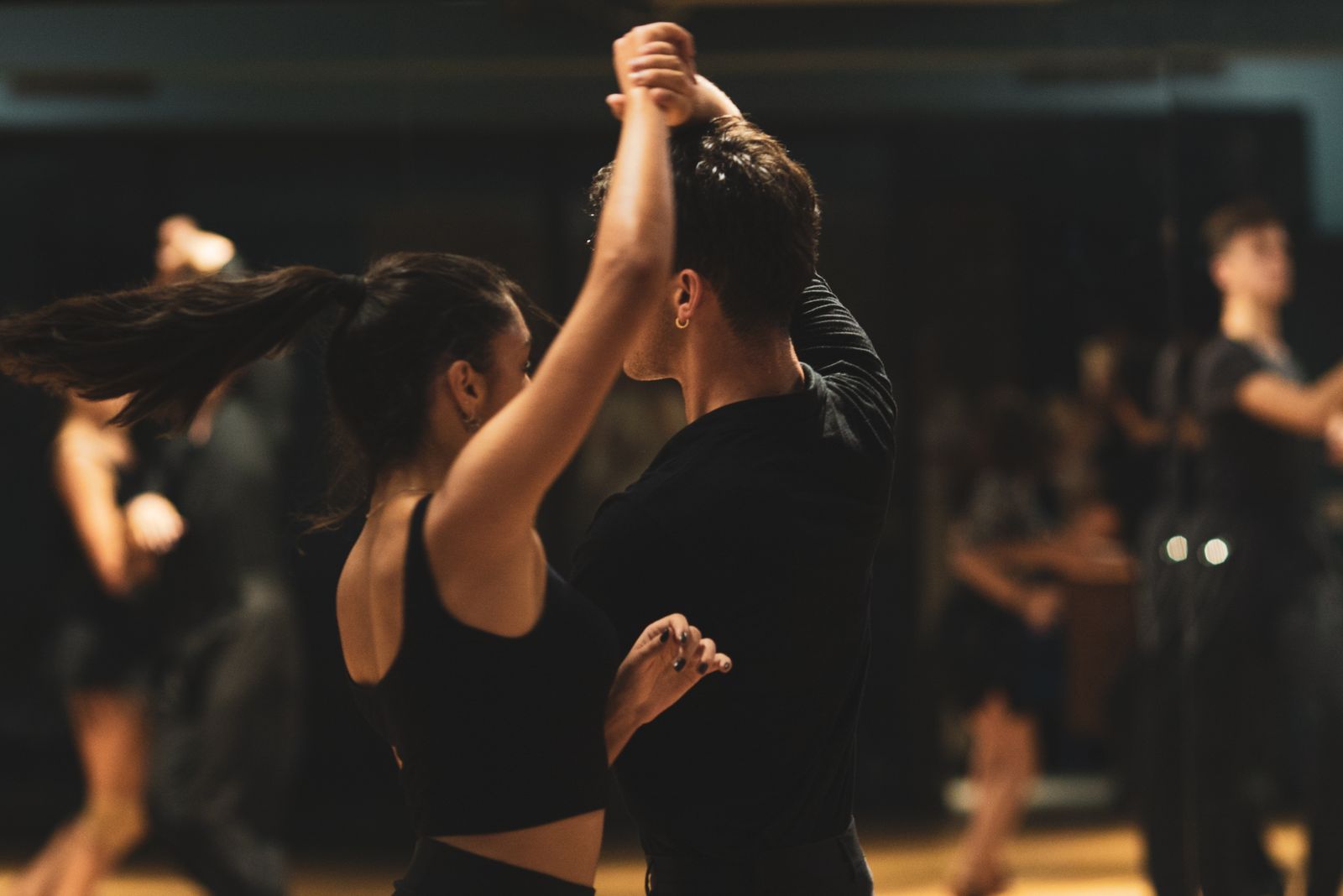
Choose the style by where you want to dance. Salsa and bachata suit social partner dancing, Bollywood or classical forms suit performance and family events, and hip-hop suits freestyle and groove. Zumba then becomes your fitness base while the style class builds precision.
Learning the dance side of Zumba online
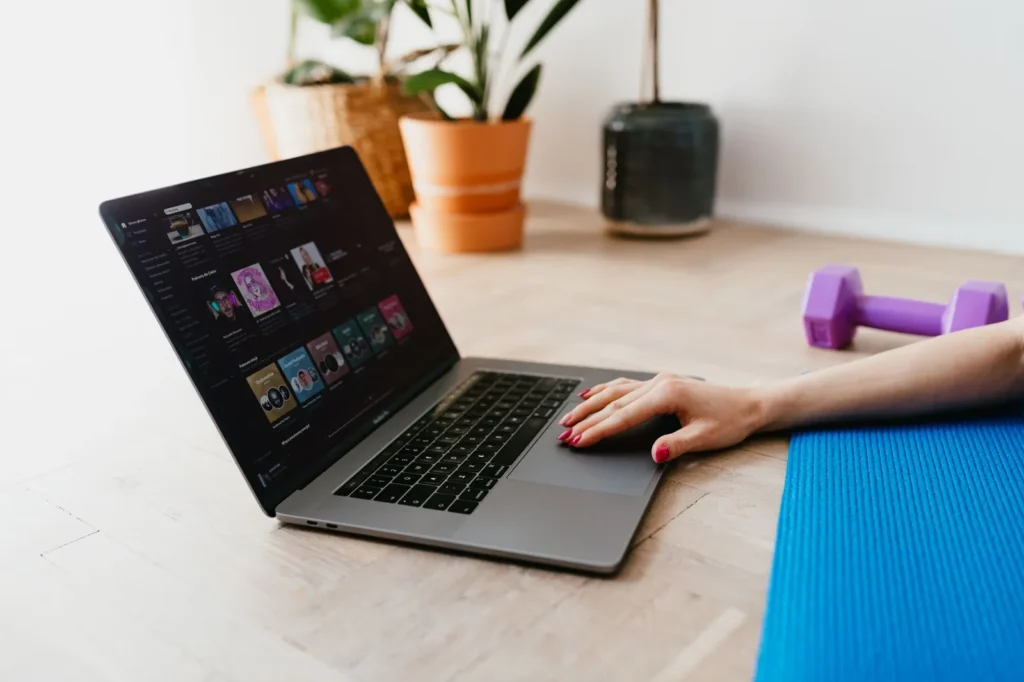
Online classes work well for dance learning because you can repeat a move at home without feeling watched. Fitstrot’s Zumba sessions are taught online by Yash Pathak, our lead Zumba trainer, who is ZIN Licensed, ACE Certified and Strong Nation Certified. Those credentials mean he is trained to teach the format safely and keep classes structured for beginners.
To get the most from an online class:
- Clear about 2 m by 2 m of floor, and keep the screen at eye level so you can watch without craning your neck.
- Listen to the verbal cues as well as watching the screen, and check early on whether the trainer’s left and right are mirrored for you.
- Do the first run of each song at half effort, then go bigger on repeats.
- Note one move per week to practise on your own for 10 minutes.
If you are comparing formats, online Zumba classes explains how remote sessions work and what to expect.
Frequently asked questions about Zumba and dance skill
Can I become a good dancer just from doing Zumba?
You can become a more rhythmic, coordinated and confident mover, which is a real form of dance skill. Becoming technically polished in one style, or learning partner dancing, normally needs a dedicated class. Many people use Zumba as the base and add a style class after two or three months.
Is Zumba considered real dancing or just exercise with music?
It is both. The movements come from real dance styles such as salsa, merengue, cumbia and reggaeton, and routines are choreographed to the music. The structure, though, is built for a fitness class, so detail and technique are simplified compared with a formal dance lesson.
Will Zumba help me if I want to take salsa classes later?
Yes. Zumba gives you a feel for the beat, the 8-count phrase and the basic salsa step, so you start a salsa class with less to catch up on. You will still need to learn partner lead and follow, which Zumba does not cover.
Why doesn’t Zumba focus more on dance technique?
Zumba is designed to be accessible to anyone, including people with no dance background, and to keep the whole room exercising for the full session. Detailed technique correction would slow the class down and put off beginners, so the format keeps the steps simple and repeats them.
How can I get better at the dance side of Zumba?
Listen for the beat before copying the moves, count in eights, and repeat one song’s routine for 10 minutes on non-class days. Recording yourself once every two weeks shows progress that is hard to see from inside the move. Attending three times a week also builds skill faster than one occasional class.
Start building your rhythm with Fitstrot
Pick one session this week and use it to practise only the beat and the 8-count. Join Fitstrot’s online Zumba classes and try the two-week beat plan above.


