

Zumba calories burned in one hour usually land between 300 and 600 for most adults, and the exact number depends far more on your body weight and effort than on the class name. A 60 kg person in a steady class burns about 390 calories an hour; a 90 kg person pushing hard can pass 700. This guide gives you a table by weight, a formula you can run on your phone, and an honest look at what the number means for fat loss.
How many calories does Zumba burn in an hour?
An hour of Zumba burns roughly 300 to 600 calories for most adults. A 60 kg person at a steady class pace burns about 390 calories, and a 70 kg person about 455. Thirty minutes burns about half of that, so roughly 150 to 300 calories. Lighter people and easy-paced classes sit at the bottom of the range.
Zumba is built from short bursts of salsa, reggaeton, cumbia and merengue, with the heart rate rising and falling through each song. Because of that interval-like shape, a real class never burns at one fixed rate. The averages in this post are planning figures, good enough to compare options and set expectations, not lab readings of your body.
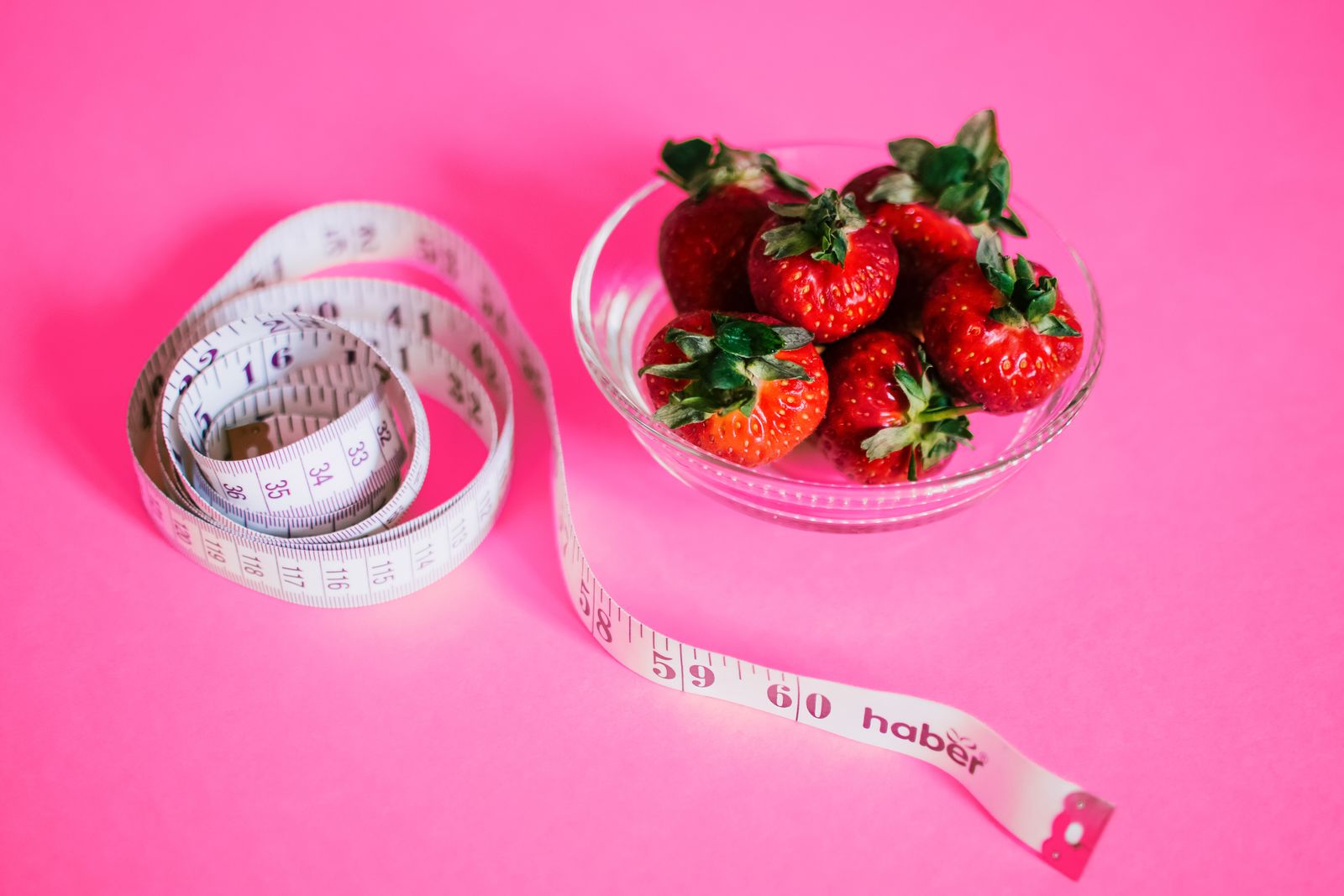
Zumba calories per hour by body weight and intensity
Energy cost scales with body weight, because moving more mass costs more energy. The table uses standard MET values (a MET is a multiple of your resting energy use): about 5 for an easy pace, 6.5 for a steady class and 8 for a high-energy class. All figures are rounded and are for a full 60 minutes.
| Body weight | Easy pace (about 5 METs) | Steady class (about 6.5 METs) | High energy (about 8 METs) |
|---|---|---|---|
| 50 kg | about 250 kcal | about 325 kcal | about 400 kcal |
| 60 kg | about 300 kcal | about 390 kcal | about 480 kcal |
| 70 kg | about 350 kcal | about 455 kcal | about 560 kcal |
| 80 kg | about 400 kcal | about 520 kcal | about 640 kcal |
| 90 kg | about 450 kcal | about 585 kcal | about 720 kcal |
For 30 minutes, halve the figure. For 45 minutes, take three quarters. The numbers are gross calories, meaning they include what you would have burned sitting on the sofa for the same hour. Net burn, the extra caused by dancing, is roughly one MET lower. For a 60 kg person in a steady class that is about 330 kcal net instead of 390.
A quick Zumba calorie calculator you can run yourself
You do not need an app to estimate your Zumba calorie burn. The rule of thumb is calories = MET x body weight in kg x hours. It is accurate enough for planning, and it works for any duration, so it also answers how many calories Zumba burns in 30 minutes for your own weight.
Here is a worked example for a 65 kg person doing a 45-minute class that feels like a hard but steady workout (about 7 METs):
- Convert the time to hours: 45 minutes is 0.75 hours.
- Multiply: 7 x 65 x 0.75 = about 341 calories.
- Subtract the resting share if you want the net figure: 6 x 65 x 0.75 = about 292 calories.
Picking your MET honestly is the hard part. If you could chat in full sentences through most songs, use 5. If you could manage only a few words at a time, use 6.5 to 7. If you were breathless and dripping by song three, use 8. Most people overrate their effort, so when torn between two levels, choose the lower one.
Myth: “Zumba burns 1,000 calories an hour”
This claim travels fast on social media and class posters, and it is not realistic for most people. Reaching 900 or 1,000 calories in an hour would need a body weight of around 100 kg working at a very high effort for the entire session. For a typical 55 to 75 kg adult, 300 to 600 is the honest range.
Two details explain the inflated numbers. First, some wrist trackers and gym machines overestimate during rhythmic arm-and-hip movement. Second, some sources quote the burn of the single hardest song as if it applied to the whole hour. A warm-up and cool-down take up 10 to 15 minutes of a class, and those minutes burn far less than the peak songs.
Zumba vs walking, cycling and yoga: calories compared
Zumba sits comfortably above brisk walking and yoga, and below running and skipping. The table shows rough hourly burn for a 60 kg person. Treat each row as a range, since pace, terrain and technique shift the result.
| Activity (60 minutes, 60 kg person) | Roughly calories burned | Feels like |
|---|---|---|
| Hatha yoga | 150 to 180 | Gentle, no breathlessness |
| Brisk walking (about 5.5 km/h) | about 200 | Light sweat, easy talk |
| Weight training (moderate) | 200 to 270 | Short efforts, long rests |
| Zumba | 300 to 480 | Warm, breathing hard in peaks |
| Cycling (15 to 20 km/h) | 360 to 480 | Steady, legs working |
| Jogging (about 8 km/h) | about 480 | Sustained, hard to chat |
| Skipping rope | 600 to 720 | Very hard, short sessions |
The raw number is not the whole story. Many people hold a Zumba habit for months because it feels like a party, while a jog they dread lasts three weeks. A 400-calorie class you attend four times a week beats a 600-calorie workout you skip. If you want the full fat-loss picture, our Zumba for weight loss guide covers how the dancing fits with food, sleep and timelines.
Which Zumba class burns the most calories?
The higher-energy formats burn the most. For a 60 kg person, Zumba Step and circuit-style classes typically land around 420 to 540 calories an hour, Sentao and Toning around 330 to 450, and Zumba Gold, built for lower-impact movement, around 240 to 330. These are planning estimates based on how hard each format usually feels.
| Class format | Typical intensity | Rough burn per hour (60 kg) | Best suited to |
|---|---|---|---|
| Zumba Gold | Low to moderate, low impact | 240 to 330 kcal | Beginners, seniors, joint concerns |
| Zumba Toning | Moderate, light weights | 330 to 420 kcal | Strength plus cardio |
| Zumba Sentao | Moderate to high, chair work | 360 to 450 kcal | Core and leg strength |
| Zumba Step | High, steps and stepping | 420 to 540 kcal | Fit beginners wanting more burn |
| Zumba in the Circuit | High, interval style | 420 to 540 kcal | Intermediate, short on time |
You can read more on two of these formats in our guides to Zumba Step and Zumba Gold. A format that fits your joints and fitness today will always out-burn a harder one that sends you home injured.
Why your tracker and the class never agree
If your smartwatch says 280 calories and the instructor promises 500, both numbers may be wrong in different ways. Trackers estimate from heart rate, age, weight and movement. Wrist sensors tend to lag in short bursts and can misread sweaty or loose-fitting straps. Instructor claims are generic averages. Here is how to sort it out.
- Check the profile. A wrong weight, age or sex in the app shifts the result by 10 to 20 percent. Update it first.
- Tighten the strap. It should sit snugly above the wrist bone, not slide when you shake your arms.
- Use a chest strap if you can. Chest straps follow heart rate more reliably during fast, arm-heavy choreography.
- Compare trends, not days. Use the same device for weeks. A consistent tracker shows whether your effort is rising, even if the absolute number is off.
- Cross-check with the formula. If the tracker and the MET calculation are within about 20 percent, trust the lower one.
As a simple effort check, a rough maximum heart rate is 220 minus your age. Spending most of the class at about 60 to 80 percent of that number is a solid, sustainable training zone for healthy adults. If you have a heart, blood pressure or joint condition, speak to your doctor before aiming for high-intensity classes.
Calories burned in Zumba for beginners, over-40s and heavier bodies
Your burn depends on who you are, so a single average is a poor guide. Three common situations are worth spelling out.
Complete beginners. In the first two or three weeks you will move less fluidly and may rest between songs. Expect the easy-pace column of the table above, and treat it as a good thing. Your fitness and coordination improve quickly, and so does the effort you can sustain. Fitstrot’s online Zumba classes are led by Yash Pathak, our lead Zumba trainer, who is ZIN Licensed, ACE Certified and Strong Nation Certified, and beginners can follow lower-impact options for any move that feels too much.
Women and men over 40. A slightly lower muscle mass and slower recovery are normal, so calories per hour may sit a little lower. Consistency, joint-friendly footwork and enough protein at meals matter more than chasing a bigger number. Zumba Gold or Toning is a smart starting format.
Heavier bodies. You burn more per hour, but knees, ankles and back carry more load. Keep the jumps small, stay low to the floor when it hurts, and build up from 30-minute sessions. If you have pain that does not ease within a day, rest and see a doctor or physiotherapist.
Does burning 400 calories a day mean you will lose weight?
Burning 400 calories in a Zumba class helps, but weight loss depends on your whole day’s intake and activity. Roughly 7,000 to 7,700 calories of deficit equals about 1 kg of body fat. A steady four-class week that adds around 1,600 calories of burn could mean about 0.2 to 0.3 kg a week, if food stays the same.
That is a sensible, slow pace, and it matches what most people actually see. It is also easy to cancel out. Here is roughly what 400 calories looks like on an Indian plate:
- One samosa: about 250 kcal
- Four rotis, plain, with no ghee: about 400 kcal
- Two small gulab jamuns: about 300 kcal
- One plate of restaurant biryani: often 500 to 700 kcal
- A cup of sweet milk chai: about 80 to 100 kcal
The samosa and chai after class can erase half the burn. That is not a reason to skip treats, only to know the trade. If fat loss is your goal, pair your classes with a realistic eating plan, and consider a personalised eating plan from a registered dietitian so the effort and the plate work together. Do not try to eat so little that you feel faint in class. Under-eating raises injury risk and drains the energy you need to dance.
How to burn more calories in Zumba without overdoing it
- Move your whole body. Full arm movements and bigger steps raise effort without adding impact.
- Stay for the full hour. Skipping the last two songs is common, and they are often the hardest.
- Add a second format. Alternate a Toning or Step class with your usual one for variety.
- Add steps on the off days. A brisk 30-minute walk adds roughly 100 calories and helps recovery.
Hydrate well, especially in a humid Indian summer. A sweaty class can cost 0.5 to 1 litre of fluid, and dehydration makes the same effort feel harder.
Frequently asked questions about Zumba calories burned
How many calories does 30 minutes of Zumba burn?
Thirty minutes of Zumba burns about 150 to 300 calories for most adults. A 60 kg person at a steady pace burns roughly 195 calories, and an 80 kg person roughly 260. Body weight and effort level decide where you land inside that range.
Can Zumba really burn 900 calories in an hour?
Rarely. Reaching 900 calories needs a body weight near 100 kg working at very high effort for the full hour. For a typical adult of 55 to 75 kg, 300 to 600 calories is the realistic range, so treat 900 as the extreme end, not the average.
Is Zumba better than walking for burning calories?
Per hour, yes. A 60 kg person burns about 300 to 480 calories in Zumba against about 200 in brisk walking. Walking is easier to fit into a day and gentler on joints, so many people do both across a week.
How can I track my Zumba calorie burn accurately?
Use a chest-strap heart rate monitor if possible, keep your age and weight updated in the app, and compare weekly trends rather than single sessions. You can also run the formula of MET x kg x hours as a cross-check, then trust the lower number.
Does Zumba burn more calories than yoga?
Yes, usually. Zumba burns roughly 300 to 480 calories an hour for a 60 kg person, while hatha yoga burns about 150 to 180. Faster yoga styles burn more. Yoga adds flexibility and stress relief, so the two work well together, and our Zumba and yoga guide shows how to combine them.
Next step: book a trial of Fitstrot’s online Zumba classes, wear your tracker for the first three sessions, and use the table above to see where your own numbers sit.


