

Yoga for asthma is a gentle, supportive practice, not a treatment. Slow breathing, easy chest-opening poses and a calm pace can help some people feel more in control of their breathing and less tense, but it sits beside your inhaler and your doctor’s plan, never in place of them. Below: gentle poses, safer breathing practices, a 20-minute home session, a four-week build-up and the warning signs that mean stop.
Can yoga help with asthma?
Yoga can be a helpful complement for asthma, not a cure. Slow nasal breathing, longer exhales and relaxation may reduce stress-related tightness and improve breathing habits over several weeks. It does not repair inflamed airways, so prescribed inhalers and medicines stay exactly as your doctor has set them.
Asthma is a long-term condition in which the airways become inflamed and narrow, causing wheeze, cough and chest tightness. Yoga cannot remove inflammation, but it can work on two things around the edges: how you breathe when calm, and how tense you get under stress. Many people breathe fast and shallow through the mouth, which dries the airways. Slow belly breathing and unhurried exhales train a steadier pattern.
Some people notice calmer breathing within a few weeks. Others notice little. Judge yoga by how you feel, never by whether you can cut back treatment.
See your doctor first, and know when to stop
Speak to your doctor before starting yoga for asthma, especially if your asthma is not well controlled, you have been hospitalised for it, or you are unsure what your triggers are. Ask whether your action plan needs adjusting for exercise. Never reduce, skip or change any inhaler or medicine because you have started yoga.
Book a medical review soon if:
- You need your reliever inhaler more often than usual, or it helps less than it used to.
- Symptoms wake you at night.
- You get wheezy or breathless during or after gentle practice.
- You have a new cough lasting more than a couple of weeks.
Stop practising and follow your asthma action plan if you feel chest tightness, wheeze or cough that does not settle within a minute or two of resting. Seek emergency care immediately if you cannot speak a full sentence, your lips or fingertips look blue or grey, your reliever is not helping, or breathlessness is getting worse. Do not try to “breathe through” an attack with yoga.
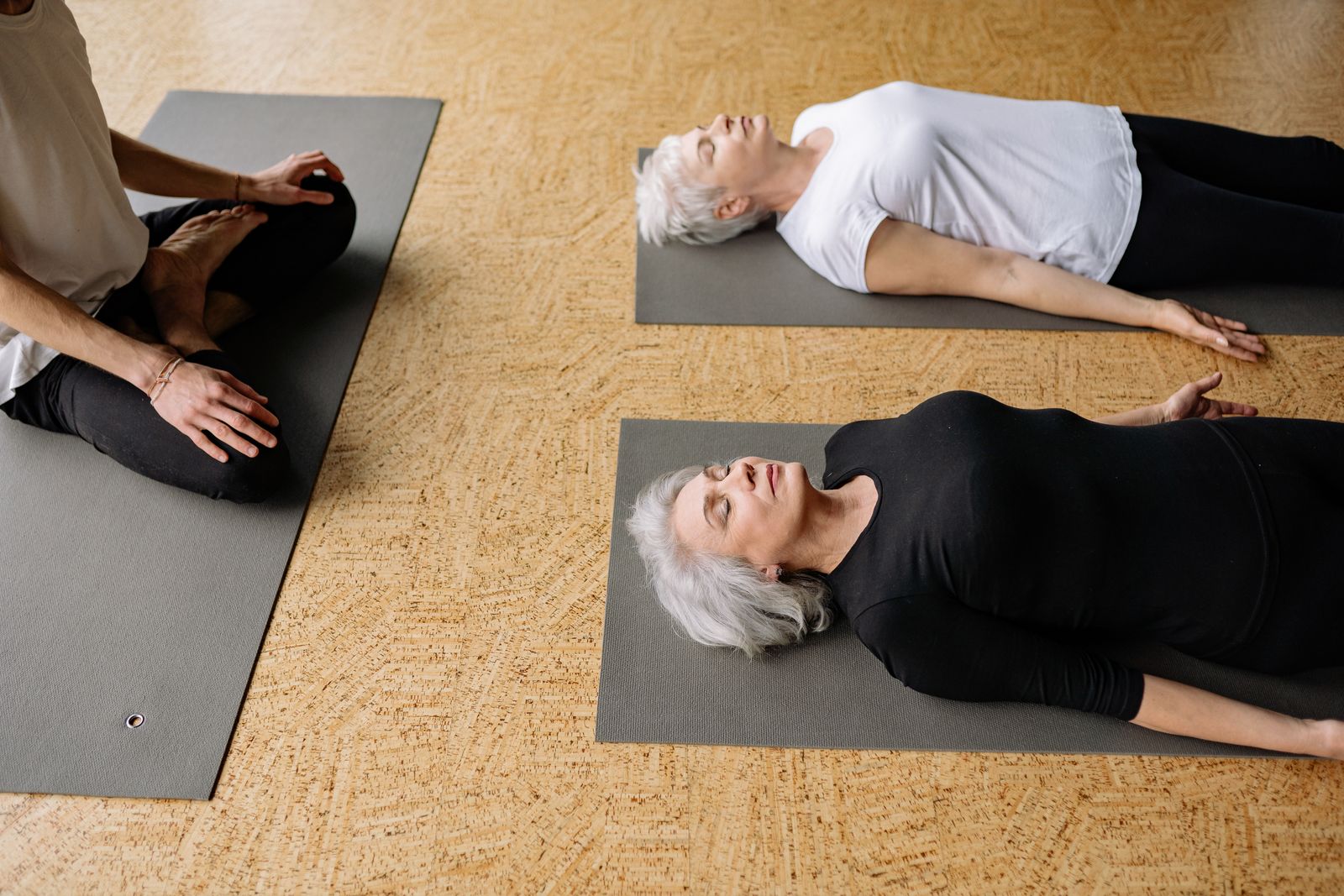
Is “yoga for asthma cure” a real thing?
No. Asthma has no cure through yoga, diet or breathing exercises. It is managed with trigger avoidance, prescribed controller and reliever medicines, and a written action plan. Yoga can be one supportive habit alongside these, but any claim of a yoga “cure” should be treated with caution.
- Myth: yoga lets you stop your inhaler. It does not. Only your doctor can change your treatment.
- Myth: forceful breathing “cleans” the lungs. Rapid forceful breathing can irritate reactive airways and set off coughing.
Realistic gains: a calmer response to stress, better breath awareness and a looser upper back.
Which yoga poses for asthma are gentle enough?
The gentlest yoga poses for asthma open the chest and ribs without strain: supported bridge, low cobra, supported fish, easy seated twists, cat-cow and a resting pose. Hold each for about 3 to 8 slow breaths, stay within comfortable breathing, and skip any pose that makes you hold your breath.
Keep your reliever inhaler within arm’s reach of your mat.
| Pose | How long | Form cue | Go gentler if |
|---|---|---|---|
| Easy seat (Sukhasana) with tall spine | 2-3 minutes | Sit on a folded blanket, shoulders loose, belly soft | Hips ache: sit on a chair instead |
| Cat-cow (Marjaryasana-Bitilasana) | 6-8 slow rounds | Inhale to lift the chest, exhale longer to round the back | Wrists hurt: do it seated, hands on knees |
| Supported bridge (Setu Bandhasana) | 5-8 breaths | Feet hip-width, block under the hips | Neck feels strained: lift less |
| Low cobra or sphinx (Bhujangasana) | 3-5 breaths | Elbows under shoulders, lift the chest gently, keep the neck long | Tight chest: stay lower, forearms down |
| Supported fish (Matsyasana) | 1-2 minutes | Lie back over a rolled blanket under the shoulder blades | Throat or neck discomfort: use a flatter prop |
| Easy seated twist (Ardha Matsyendrasana, softened) | 5 breaths each side | Lengthen on the inhale, twist on the exhale | Breath feels cramped: twist less |
| Resting pose with knees bent (Savasana variation) | 3-5 minutes | Feet flat, one hand on the belly, breathe naturally | Feel dizzy: roll to your side before standing |
Backbends like bridge and cobra rely on the same gentle spinal extension covered in our guide to yoga for back pain, and the seated twist is also a staple in yoga for digestion. Downward dog, deep wheel and headstand are better left until your doctor and a qualified teacher agree they suit you.
Which breathing exercises for asthma are safest to start with?
The safest breathing exercises for asthma are slow belly breathing, a longer exhale (similar to pursed-lip breathing), bhramari humming and a gentle alternate nostril breath with no breath holds. Practise seated or lying down for 3 to 10 minutes, and stop if you feel any tightness. Avoid forceful techniques entirely during symptoms.
Pranayama for asthma should feel easy, never like work. Breathe through the nose, never strain for a bigger breath, make the exhale a little longer (in for 3, out for 4 to 5), and avoid breath holding unless a doctor and an experienced teacher have cleared it.
| Breathing practice | Effort level | Suits asthma beginners? | Note |
|---|---|---|---|
| Belly (diaphragmatic) breathing | Very low | Yes | Lie down, one hand on belly; belly rises, chest stays quiet |
| Long-exhale or pursed-lip breathing | Very low | Yes | In through the nose, out through softly pursed lips |
| Bhramari (bee breath) | Low | Yes, usually | Gentle hum on the exhale; stop if humming feels like a strain |
| Anulom vilom (alternate nostril) | Low | Yes, without holds | Keep a 1:1 or 1:2 ratio and no retention; skip if your nose is blocked |
| Ujjayi (throat-softened breath) | Moderate | Only very mild | Keep the throat sound faint; skip it if it makes you cough |
| Kapalabhati (forceful exhales) | High | No, avoid | Rapid forceful exhales can provoke cough or tightness |
| Bhastrika (bellows breath) | High | No, avoid | Fast, forceful breathing in both directions; not for reactive airways |
Avoid forceful breath work whenever you are wheezy, coughing, have a chest infection or feel your asthma flaring. Many people with asthma never need these techniques.
A 20-minute home session, step by step
Keep your reliever inhaler within reach and practise in a room free of dust, agarbatti smoke, strong sprays and cold AC drafts.
- Minutes 0-3: settle. Sit tall, breathe naturally through the nose, let the shoulders drop.
- Minutes 3-7: belly breathing. Lie on your back, knees bent, one hand on the belly. In for about 3 counts, out for 4 to 5.
- Minutes 7-10: cat-cow. On hands and knees, move with the breath for 6 to 8 slow rounds, longer on the exhale.
- Minutes 10-14: gentle opening. Choose two from the table above. Rest between poses.
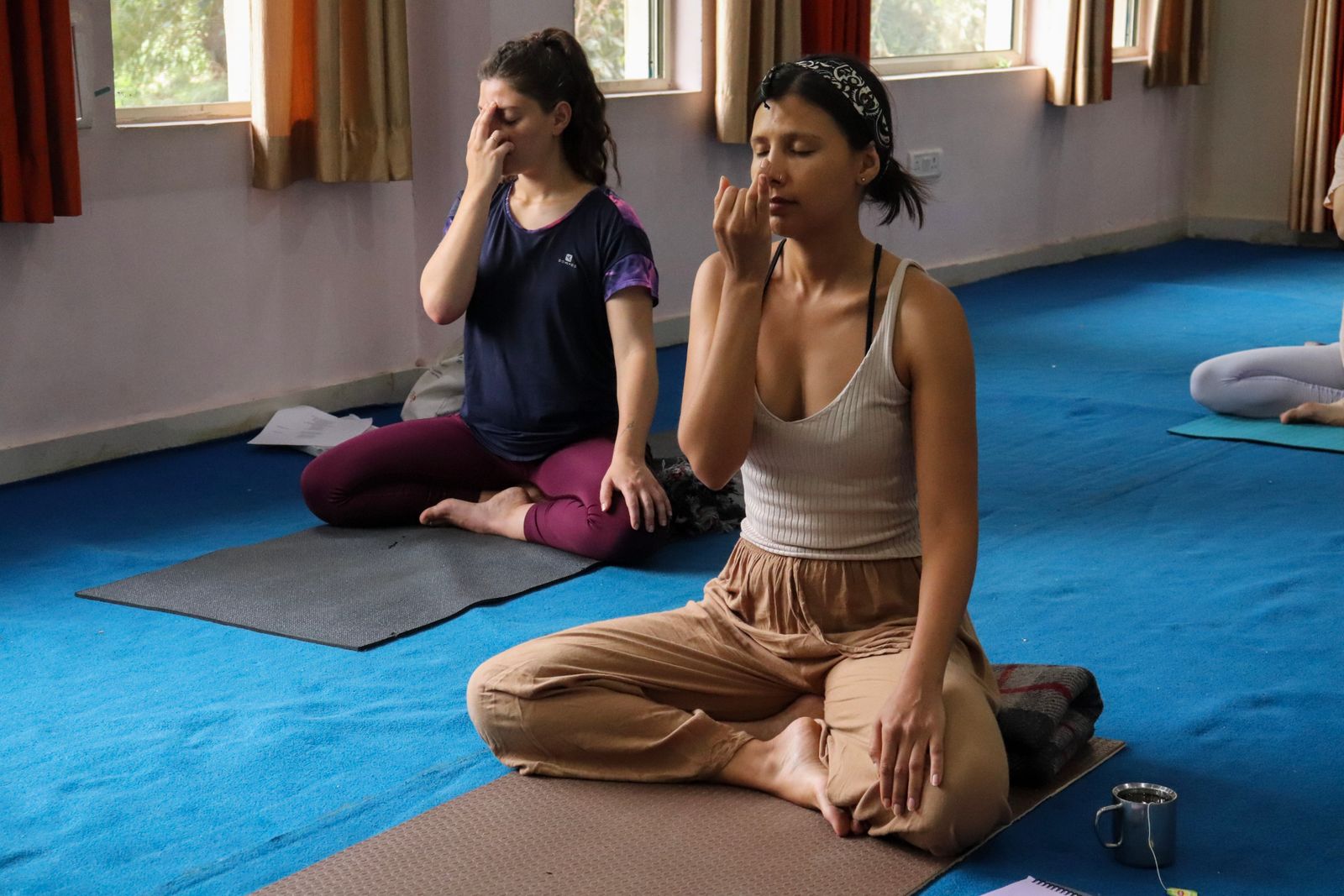
- Minutes 14-17: bhramari or anulom vilom. Seated, do 6 to 10 rounds of bee breath, or alternate nostril breathing with no holds.
- Minutes 17-20: rest. Lie back, breathe naturally, get up slowly.
New to yoga? Learn the basic shapes first with our yoga for beginners guide.
How to build a four-week routine for asthma yoga exercise
This general template builds gradually inside your comfort zone. Repeat a week whenever your symptoms or your doctor suggest it.
| Week | Sessions | Length | What to do | Rule of the week |
|---|---|---|---|---|
| Week 1 | 3 per week | 10-15 minutes | Seated breath awareness, belly breathing, cat-cow | Learn to breathe slowly through the nose |
| Week 2 | 3 per week | 15-20 minutes | Add bhramari and supported bridge | Make the exhale slightly longer than the inhale |
| Week 3 | 3-4 per week | 20-25 minutes | Add low cobra, easy seated twist, rest pose | Never hold a pose that cramps the breath |
| Week 4 | 3-4 per week | 25-30 minutes | Add anulom vilom without holds, supported fish | Note how often you need your reliever and tell your doctor |
Morning suits many people, before dust and pollution build up; evenings can help you unwind. Skip sessions on days your symptoms are worse than usual, and tell your doctor if that becomes a pattern.
What if you cough or feel tight during practice? Troubleshooting
If you cough, wheeze or feel tight while practising, stop, sit upright, breathe slowly and use your reliever inhaler exactly as your asthma action plan says. Do not resume that day. If symptoms do not settle or you feel worse, seek medical help urgently.
- Slightly breathless in a pose: Release it, rest, and next time hold fewer breaths or use a prop.
- Coughing after breathing practice: You probably pushed too hard. Cut the counts and keep the breath soft.
- Dizziness or tingling: Often over-breathing. Stop, breathe normally and rest.
- Blocked nose or chest infection: Skip alternate nostril breathing, or pause practice and follow your doctor’s advice.
Yoga for asthma patients: who needs extra care?
Yoga for asthma patients needs extra caution for children, people whose asthma is triggered by exercise, and anyone with poorly controlled symptoms. Keep sessions short and gentle, check with the treating doctor first, keep the reliever inhaler close, and adapt to seasonal triggers.
- Children: Short, playful sessions of 5 to 10 minutes with an adult present and the inhaler nearby.
- Exercise-induced asthma: Follow your doctor’s guidance on any pre-exercise steps and avoid fast flows until you know how your body responds.
- Seasonal triggers in India: Winter smog, Diwali smoke, pollen, monsoon mould and dusty summer winds can provoke symptoms. On high-pollution days, practise indoors or skip.
- Anxiety alongside asthma: Fear of breathlessness can speed up breathing; see yoga for anxiety for calming options.
Which yoga styles suit people with asthma?
Gentle hatha, restorative and slow beginner-level classes usually suit asthma best, because the pace is unhurried and you can rest whenever you need to. Fast, heated or strongly breath-driven styles are better left until your doctor agrees and your breathing is steady.
Dynamic styles like vinyasa yoga and power yoga link movement to breath at speed, and can raise breathing demand quickly, so they may provoke symptoms in sensitive people. The same goes for ashtanga yoga, which is fast and strongly breath-led, and for hot yoga, where heat and humidity can bother reactive airways. Compare options in our overview of the types of yoga, and always tell the instructor about your asthma before class.
Supporting your lungs beyond the mat
Staying at a healthy weight lowers the load on the diaphragm, and our yoga for weight loss guide offers low-impact options. If you also live with thyroid problems or PCOS, yoga for thyroid and yoga for pcos are useful companions, though neither replaces medical care.
The biggest wins are practical: knowing your triggers, keeping your home dust-light, avoiding smoke, taking controller medicine exactly as prescribed and attending regular reviews.
Frequently asked questions
Can yoga replace my inhaler or asthma medicine?
No. Yoga is a complementary practice that may help with breathing habits and stress, but it does not treat airway inflammation. Never stop or reduce an inhaler or any prescribed medicine because of yoga. Any change to your treatment should come only from your doctor, based on how well your asthma is controlled.
How long does it take to notice any difference from yoga for asthma?
Some people feel calmer and breathe more easily within a few weeks of regular, gentle practice, around three sessions a week. Others notice little. Tell your doctor if your symptoms or reliever use change.
Is kapalabhati or bhastrika safe if I have asthma?
Generally these forceful techniques are best avoided, especially during symptoms, because rapid forceful breathing can trigger coughing and tightness. Gentler options like belly breathing, a long exhale and bhramari are safer starting points. Only consider forceful pranayama with your doctor’s approval and an experienced teacher.
Can children with asthma do yoga?
Often yes, in short, gentle, playful sessions with an adult present and the child’s inhaler nearby. Check with the child’s doctor first and choose a teacher familiar with childhood asthma. Yoga must never replace a child’s prescribed medicine or the asthma action plan.
What should I do if I feel wheezy during a yoga session?
Stop, sit upright, breathe slowly and use your reliever inhaler as your asthma action plan directs. Do not continue practising that day. If you cannot speak in full sentences, your lips look blue or grey, or the reliever is not helping, seek emergency medical care straight away.
Next step: if you would like a teacher to adapt the pace and breathing to your needs, book a trial with Fitstrot’s online yoga classes, and tell the instructor about your asthma before the first session.


