
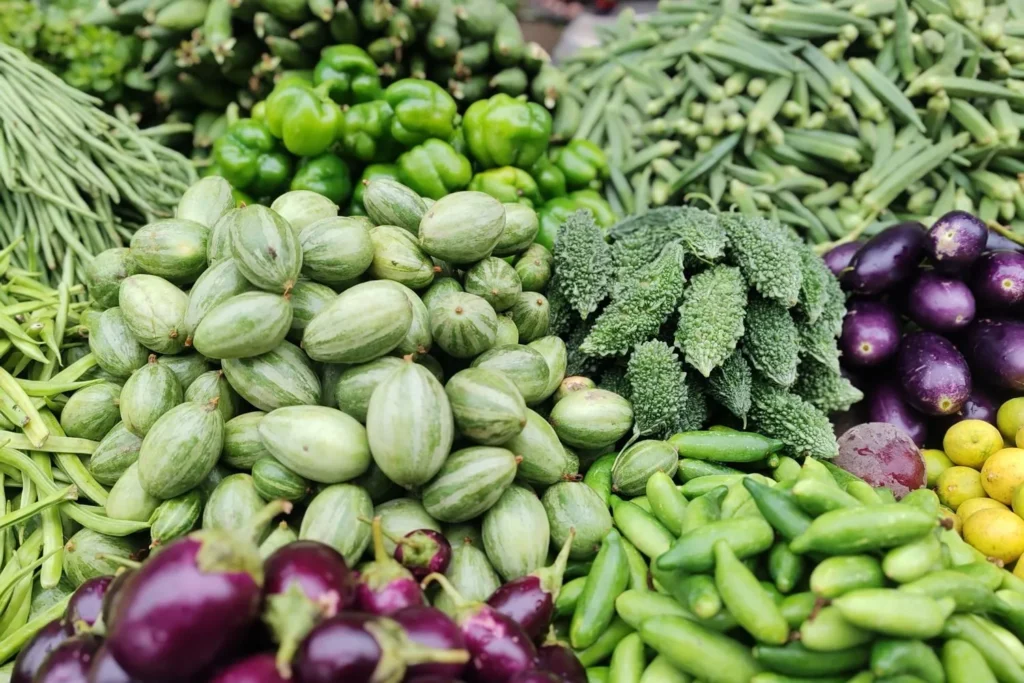
A low carb Indian food list starts with what your kitchen already cooks: leafy greens, gourds, cauliflower, paneer, eggs, chicken, fish, tofu and plain curd. The foods that need shrinking are the usual suspects, rice, roti, potato, sweetened drinks and mithai. Indian meals are built around grains, so going low carb is less about cutting a side dish and more about redesigning the plate. This guide gives you carbs per 100g, smart swaps, a full day of meals and the traps that quietly undo the plan.
What belongs on a low carb Indian food list?
A low carb Indian food list is built on non-starchy vegetables (about 3-7g carbs per 100g), protein foods such as paneer, eggs, chicken, fish and tofu (under 3g), plain curd (3-4g), and small portions of dal. Grains, potato, sugar and sweet drinks are the foods you reduce.
Most Indian sabzis are vegetable-forward, which is the good news. The figures below are approximate total carbs per 100g of raw vegetable, fibre included, so the net carbs your body absorbs are lower still.
| Vegetable | Carbs per 100g (about) | How to use it |
|---|---|---|
| Palak, methi, sarson, amaranth | 2-4g | Saag, palak paneer, methi egg bhurji |
| Lauki (bottle gourd) | 3-4g | Sabzi, raita, soup |
| Turai and tinda | 3-5g | Everyday dry or light-gravy sabzi |
| Cucumber (kheera) | 3-4g | Kachumber, raita, snack sticks |
| Mushroom | about 3g | Masala, tikka, bhurji |
| Capsicum | 4-6g | Stir-fry, paneer tikka skewers |
| Cauliflower (gobi) | about 5g | Cauliflower rice, roast gobi, dry sabzi |
| Cabbage (patta gobi) | 5-6g | Thoran-style stir-fry, slaw, wraps |
| Brinjal (baingan) | 5-6g | Bharta with little oil |
| Bhindi (okra) | about 7g | Dry bhindi in moderate portions |
| Tomato and onion | tomato about 4g, onion 9-10g | Flavour base in small quantities |
These are the indian low carb vegetables that should fill the largest part of the plate. Aim for roughly half the thali in greens and gourds.
Protein, dairy and nuts: the numbers to screenshot
With rice and roti reduced, protein has to do the filling. Nearly every protein common in Indian cooking is close to zero carb, and that is what makes low carb Indian vegetarian food and non-veg eating both workable.
| Food | Serving | Carbs (about) | Protein (about) | Watch out for |
|---|---|---|---|---|
| Paneer, full-fat | 100g | 1-3g | 18-20g | Cashew, besan or cream gravies |
| Eggs | 2 whole | under 2g | about 12g | Bhurji cooked with lots of oil |
| Chicken breast, grilled | 100g cooked | 0g | 25-30g | Sugar or cornflour in marinades |
| Fish (rohu, surmai, pomfret) | 100g cooked | 0g | 20-25g | Batter-fried or sweet gravies |
| Tofu, firm | 100g | about 2g | 8-12g | Bottled sweet sauces |
| Plain dahi | 100g | 3-4g | 3-4g | Flavoured or sweetened curd |
| Hung curd | 100g | about 4g | 8-10g | Sugar in dips |
| Almonds and walnuts | handful, 20-25g | 3-5g | 4-5g | Calories add up fast |
Cook with a measured spoon or two of oil or ghee. Fats do not raise carbs, but a low carb diet is still a calorie diet, and generous tadka adds hundreds of calories without anyone noticing.
Can you eat dal, curd and nuts on a low carb diet?
Yes, in portions. Cooked dal carries roughly 12-20g carbs per 100g, so half a cup (about 100g) of moong or masoor dal fits a low carb day, while a full bowl plus rice does not. Plain curd (3-4g per 100g) and a small handful of nuts also fit comfortably.
Dal is a pulse, so it sits in the middle: not pure starch like rice, but not carb-free like paneer. Its fibre and protein make it far more filling per gram of carbohydrate. If you want a low carb dal, choose moong or masoor, keep it to a katori, and treat chana dal and rajma as occasional rather than daily foods.
Myth check: “healthy” Indian staples are not automatically low carb
Many foods sold as light or healthy are mostly carbohydrate. Brown rice, millets, multigrain atta, oats, poha and idli have more fibre or better reputations than white rice, but they are still grain foods, and a plate of poha can still run roughly 30-40g carbs.
Swapping white rice for brown or jowar roti is a fine upgrade for general health and may keep you fuller. It is not a low carb move, though. A multigrain roti is still about 15g of carbs per piece. If a food is built from flour, rice, sago or potato, count it as a carb source, whatever the packaging says.
Which Indian foods are highest in carbs?
The highest-carb everyday Indian foods are rice dishes (about 40-45g per cooked cup, more for biryani), breads such as naan and paratha (25-50g each), potato, sweets, fruit juices and sweetened lassi. Reducing these first gives the biggest cut in daily carbs in Indian food.
| Food | Typical serving | Carbs (about) | Lower carb move |
|---|---|---|---|
| Cooked white rice | 1 cup, about 150g | 40-45g | Half a cup plus cauliflower rice |
| Chicken or veg biryani | 1 plate | 60-90g | Tandoori chicken with salad |
| Wheat roti | 1 medium | 15-18g | One roti instead of three |
| Plain paratha | 1 piece | 25-30g | Egg or paneer bhurji, no bread |
| Naan | 1 piece | 40-50g | Paneer or chicken tikka |
| Potato sabzi | 100g | 15-17g | Gobi, beans or mushroom |
| Poha | 1 plate | 30-40g | Masala omelette with vegetables |
| Banana | 1 medium | about 25g | Papaya or strawberries |
| Gulab jamun | 1 piece | 15-25g | Small portion, once in a while |
| Sweetened lassi | 1 glass | 30-40g | Plain chaas with jeera |
| Packaged fruit juice | 200 ml | 20-25g | Whole fruit or lemon water |
Papaya, watermelon and strawberries sit around 8-11g per 100g, which makes them the easier fruit choices. Mango, banana, chikoo and grapes are far denser, so keep those to small portions.
How do you swap rice and roti without hating dinner?
Do not remove grains overnight. Start by halving your usual rice or roti and doubling the vegetables and protein. Then rotate in swaps such as cauliflower rice, cabbage wraps and grilled paneer or chicken over sabzi, until grains appear in one meal a day rather than all three.
- Week 1, shrink the portion. Two rotis become one. One cup of rice becomes half a cup. Fill the freed space with sabzi and a protein.
- Week 2, add a rice substitute. Grate cauliflower, sauté it with cumin and mustard seeds for four to five minutes and serve under dal or curry. It will not taste like basmati, but it carries gravy well.
- Week 3, change the format. Wrap paneer bhurji or keema in cabbage or lettuce leaves, or serve tikka over a pile of sautéed vegetables.
- Week 4, keep one flexible meal. Many people settle on grains at one meal and a grain-free plate at the others. That is sustainable, which matters more than being strict.
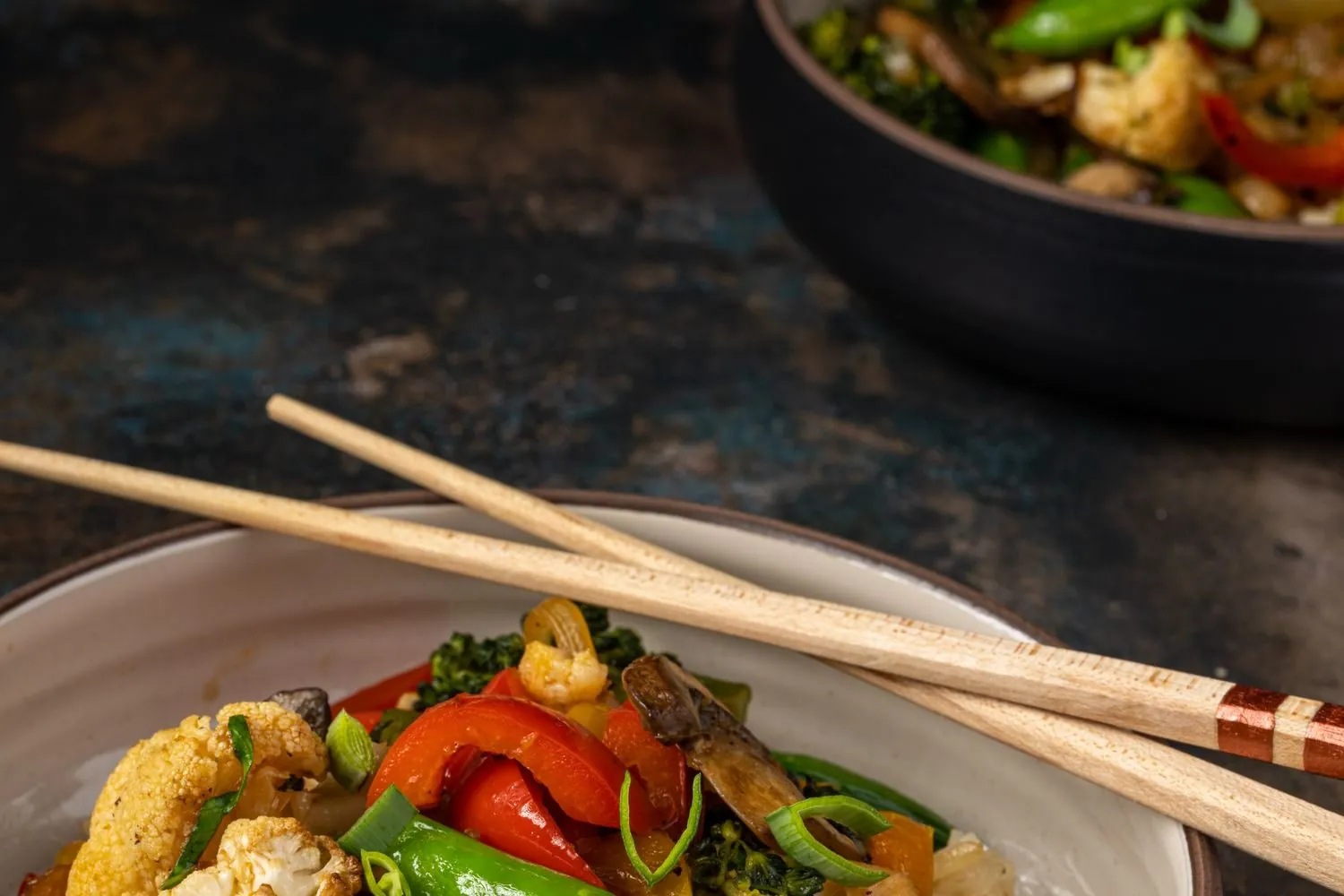
These low carb roti alternatives and rice substitutes do not have to be permanent. Even using them four or five days a week adds up over a month. If you keep struggling with evening urges for something starchy or sweet, our guide on how to control food cravings covers the habits that help.
What does a low carb Indian day look like, meal by meal?
A low carb Indian day of eating can total roughly 80-100g carbs: eggs or paneer bhurji for breakfast, tikka or fish with a large sabzi and a katori of dal for lunch, paneer or nuts as a snack, and grilled protein with vegetables for dinner. The carb figures below are approximate.
- Low carb Indian breakfast (about 10g): two-egg masala omelette with onion, tomato and capsicum, plus 100g plain dahi. Paneer bhurji with spinach works the same way.
- Mid-morning (about 7g): a small handful of almonds and walnuts with cucumber sticks.
- Lunch (about 40g): 150g chicken tikka or fish curry without sugar, 200g palak or lauki sabzi, half a cup of moong dal, 100g cauliflower rice and kachumber salad.
- Evening (about 3g): 100g paneer cubes with chaat masala and black coffee or unsweetened tea.
- Low carb Indian dinner (about 20-25g): 150g grilled fish or paneer, a large mixed sabzi, and half a roti if you want it.
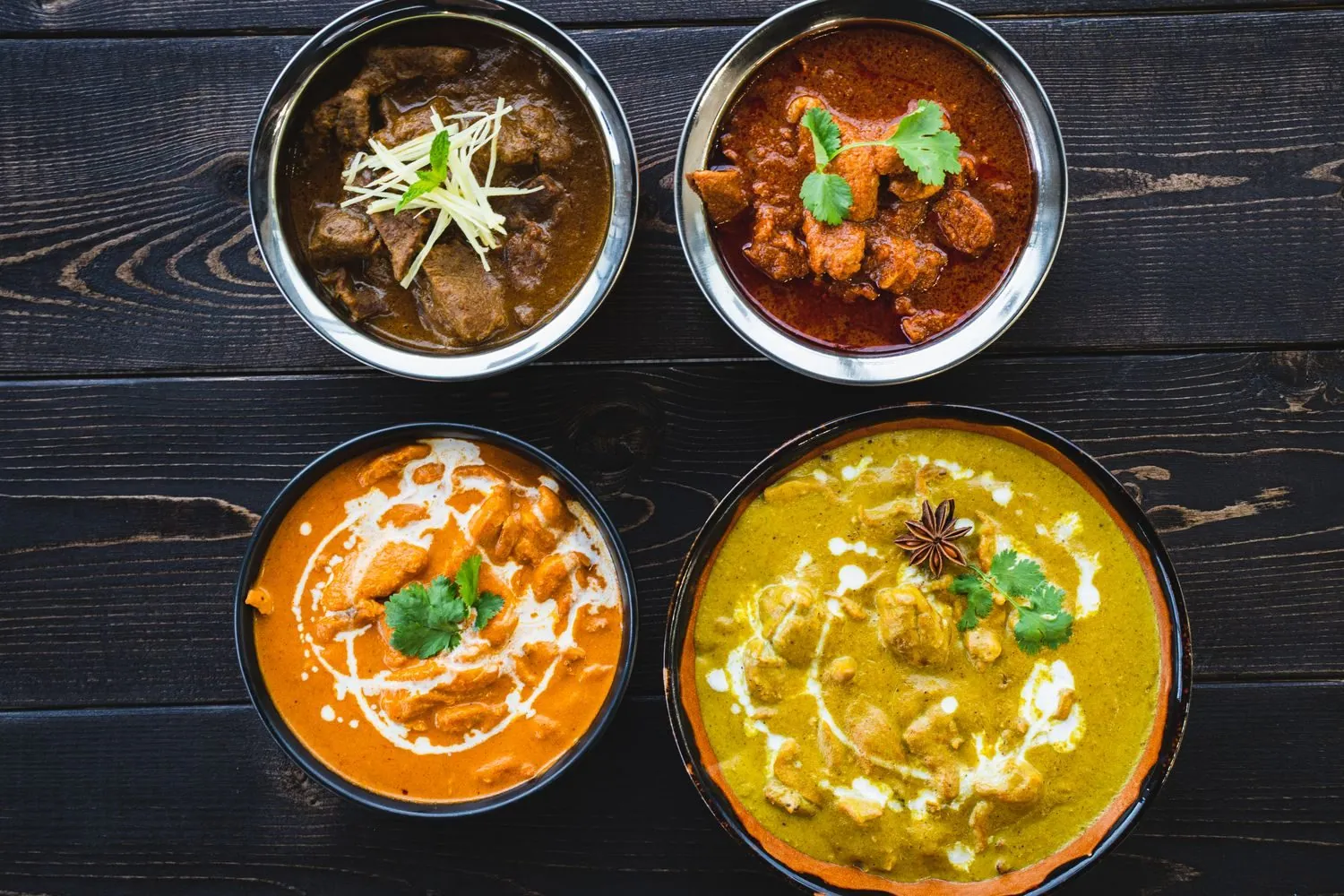
This pattern shifts calories towards protein and fibre, which is why low carb Indian foods for weight loss are often discussed together. Be honest with yourself though: weight only drops if you eat fewer calories than you burn. Cutting carbs makes that easier for some people and harder for others, and it comes with no guaranteed result. For the wider pros and cons, read our breakdown of low carb diet benefits and risks.
Troubleshooting: why your “low carb” thali still adds up
Most stalled low carb plans fail on hidden carbs, not on the main dish. Sugar in chai, besan or cashew thickened gravies, a glass of juice, trail mix and bottled sauces can add 40-60g of carbs a day without a single roti on the plate.
- Chai and coffee: a teaspoon of sugar is about 4g carbs. Three or four sugary cups a day is 12-20g before breakfast is even served.
- Gravy thickeners: cashew paste, besan, khoya and a pinch of jaggery or sugar turn a vegetable curry into a mid-carb dish. Ask for dry or tomato-onion based versions.
- Snack creep: nuts, roasted chana, makhana and “protein” bars are not free foods. Measure a handful, not the packet.
- Fruit and juice: two bananas and a glass of juice can be 70g carbs on their own.
- Restaurant marinades and sauces: tikka and manchurian-style dishes often contain cornflour, sugar or ketchup.
If you feel tired, dizzy or headachy in the first week, you have usually cut carbs too fast. Go back up a notch, keep drinking water, do not skip salt in your food, and eat enough overall.
Low carb for vegetarian, Jain and eggetarian households
Vegetarians can follow a low carb Indian diet with paneer, tofu, curd, nuts, seeds and small portions of dal, but protein needs more planning. Aim for a protein source at every meal, such as 100g paneer or tofu, 150-200g curd, or two eggs for eggetarians, rather than leaning on dal alone.
The challenge for vegetarian and Jain eaters is that dal, rajma and chana do much of the protein work in a standard meal, and they bring a fair number of carbs with them. Keep dal to one katori, add paneer or tofu on the side, and use hung curd for snacks. Jain households that avoid potato and root vegetables already skip two common high-carb items, so lean on gourds, cabbage, cauliflower and leafy greens. Vegans can use tofu, soya chunks in small measured portions, nuts and seeds, though soya chunks are carb-heavier than tofu and need weighing.
When to see your doctor or dietitian first
Talk to your doctor or a registered dietitian before cutting carbs sharply if you have diabetes or take glucose-lowering medication, have kidney or liver disease, are pregnant or breastfeeding, have a history of disordered eating, or are under 18. Never adjust prescribed medication on your own.
Lowering carbs can change blood sugar quickly. People on diabetes medication, in particular, may need their plan reviewed by their doctor rather than adjusting it themselves. This article is general education, not personal medical advice.
Frequently asked questions
Is paneer really low carb, or does the gravy change that?
Plain paneer is low carb at roughly 1-3g per 100g. The preparation is what changes things: cashew paste, besan, cream and added sugar raise the carb count, so grilled, dry-sautéed or bhurji-style paneer stays lower than rich restaurant gravies.
Can I eat roti on a low carb Indian diet?
Yes, in small amounts. One medium roti has about 15-18g carbs, so having one instead of three, or keeping roti to a single meal a day, still reduces your daily total without making the diet impossible to follow.
Which Indian fruits are lowest in carbs?
Papaya, watermelon and strawberries are among the lower options at roughly 8-11g carbs per 100g. Mango, banana, chikoo and grapes are much higher, so keep portions small and avoid fruit juice, which concentrates sugar without the fibre.
How many grams of carbs a day is considered low carb?
There is no single official number. Under roughly 130g a day is commonly called low carb, and very low carb or keto-style plans go down to about 20-50g. Typical Indian diets can sit well above 200g, so even a moderate cut is a real change.
Can vegetarians follow low carb Indian food without eggs?
Yes. Paneer, tofu, plain curd, hung curd, nuts, seeds and small portions of moong or masoor dal cover protein without eggs. Build each meal around one of these and fill the rest of the plate with greens, gourds and cauliflower.
If you want this list turned into a week-by-week plan around your routine, health history and food preferences, book an online nutritionist consultation with Fitstrot, or pair it with an online weight loss trainer if fat loss is the goal.


