

If you have ever stood in front of the kitchen shelf at 4 pm wondering how to control food cravings without a long fight with yourself, you are in good company. Cravings are a normal part of eating, and they respond far better to a few practical changes than to sheer self-control. This guide covers what sits behind a craving, how to tell it apart from hunger, which meals keep it quieter, how sleep and stress feed it, and Indian snack swaps you can actually find in your kitchen.
Why do I get food cravings in the first place?
Cravings usually come from a mix of three things: a meal that did not keep you full (often low in protein or fibre), tiredness or stress that makes your brain look for quick comfort, and habit cues such as the sight of a snack or a certain time of day. Most people have a different blend each day.
A craving at 11 pm after a skipped lunch is mostly physical. A craving while scrolling after a hard meeting is mostly a cue plus a feeling. Working out which one you are dealing with is half the fix. Going five or six hours without food often ends in a pull towards biscuits, namkeen or sweets, while a routine such as chai with something crunchy at 5 pm can become a trigger by itself.
If your pull is mostly towards sweets, how to beat sugar cravings goes deeper on that specific pattern.
Craving or real hunger: a quick comparison
The two can feel alike in the moment, so it helps to compare them side by side. Neither one is wrong or off-limits. The point is simply to know which signal you are answering.
| Question to ask | Usually real hunger | Usually a craving |
|---|---|---|
| How did it start? | Builds slowly over an hour or more | Arrives suddenly and feels urgent |
| What would satisfy it? | Almost any proper food, even plain roti-sabzi or rice-dal | One specific thing, like chocolate or fries |
| What does your body say? | Empty stomach, low energy, hard to focus | Mouth or mind pulling, stomach feels fine |
| Last meal? | Four or more hours ago | Could be just an hour ago |
| After eating | You feel settled and stop | You may keep going or feel unsatisfied |
| Trigger | Time since the last meal | A sight, smell, emotion or routine |
A simple test: ask yourself whether a plain katori of dal-rice or a banana would be welcome. If yes, you are likely hungry and should eat. If only one particular food will do, treat it as a craving and use the steps below.

It also costs nothing to drink a full glass of water first, since thirst can sometimes feel like a snack urge. Wait ten minutes, then decide.
Myth: cravings mean you lack willpower
This is the most unhelpful idea around cravings. A craving is a signal, not a character test. Willpower is a limited resource that runs low when you are tired, stressed, rushed or underfed, which is exactly when cravings are loudest. Relying on it alone is why many people feel they keep “failing”.
A better approach is to change the setup: meals that last, enough sleep, a plan for stressful hours and handy options in sight.
It is also fine to eat the food you are craving sometimes. A samosa or a piece of mithai eaten on purpose, sitting down, is very different from eating it on autopilot. If cravings feel constant and automatic, intuitive eating for beginners offers a gentler framework for rebuilding trust with your hunger and fullness cues.
What to eat so cravings get quieter: protein, fibre and steady meals
Meals that combine protein, fibre and some healthy fat digest more slowly and keep you full for longer, which tends to soften the 4 pm and 11 pm pulls. Many adults do well with roughly 15 to 25 g of protein at a main meal, plus a good share of vegetables, dal or whole grains for fibre.
Adults are commonly advised roughly 25 to 30 g of fibre a day, and many people fall short when meals lean on refined flour and packaged snacks. You do not need to count anything. Just notice whether each main meal has a protein food, a fibre food and something you enjoy.
Here are common Indian foods with approximate values. Exact numbers vary with brand, recipe and cooking, so treat them as rough guides.
| Food | Portion | Protein (about) | Fibre (about) |
|---|---|---|---|
| Cooked moong or toor dal | 1 katori (150 g) | 6 to 9 g | 3 to 5 g |
| Eggs | 2 whole | 12 g | 0 g |
| Paneer | 50 g | 9 g | 0 g |
| Curd (dahi) | 1 katori (150 g) | 5 to 6 g | 0 g |
| Roasted chana | 30 g, a small handful | 6 g | 5 g |
| Peanuts | 30 g | 7 to 8 g | 2 to 3 g |
| Guava | 1 medium (100 g) | 2 to 3 g | 5 g |
A practical way to use this: pair a protein food with a fibre food at breakfast, lunch and your evening snack. Poha with peanuts and curd, a vegetable besan chilla, or dal-rice with a salad all work. If you train or walk regularly and feel hungry soon after, after workout food covers how to refuel so the evening does not turn into a snack hunt.
Do not skip meals to “make up” for a craving you gave in to. Under-eating earlier in the day is one of the most reliable ways to set up a bigger craving later.
Does sleep and stress really change how much you crave?
Yes. When you sleep less than the roughly 7 to 9 hours most adults need, appetite signals shift and many people notice stronger pulls towards sweet, salty or fried foods the next day. Stress works similarly, nudging you towards comfort eating whether or not you are physically hungry.
Small changes that help:
- Protect your sleep window. A fixed bedtime, screens down 30 to 45 minutes earlier, and a lighter dinner can make a visible difference within a week or two.
- Build a stress outlet that is not food. A 10-minute walk or a few rounds of slow breathing can take the edge off. Gentle movement such as online yoga classes or a dance session in online Zumba classes gives your mind somewhere else to go.
- Read more on the emotional side. How to stop stress eating and how to stop emotional eating both go into this in more depth.
How do you ride out a craving in 15 minutes?
Pause, name the craving, drink a glass of water and set a 10 to 15 minute timer. Most cravings rise, peak and fade within roughly 10 to 20 minutes if you do not act on them. After the wave passes, decide calmly whether you still want the food.
This technique is often called urge surfing. You are not forbidding the food, just pausing so that you eat by choice, not by reflex.
- Notice and name it. “I am craving something salty and crunchy.” Say it plainly, with no judgement.
- Check hunger. When did you last eat? If it was more than four hours ago, have a proper snack or meal and skip the rest of the steps.
- Drink water. One full glass, slowly.
- Move your location. Step out of the kitchen, walk to the balcony, wash your face. A change of place weakens the cue.
- Set a timer for 10 to 15 minutes. Notice where you feel the urge: stomach, throat, hands. Watch it change.
- Decide. If the craving has faded, carry on with your day. If it is still there, eat a portion of it, sit down, and enjoy it without distraction.

This works even better alongside slower, more present eating. What is mindful eating and how to start explains how to build that habit.
Indian snack swaps for the usual suspects
Swaps work best when they keep what you enjoy about the craving, such as crunch, salt or sweetness, while adding some protein or fibre. They are options, not rules. If a swap does not hit the spot, have the real thing and move on.
| Craving | Often behind it | Swap to try |
|---|---|---|
| Namkeen, chips, bhujia | Long gap since lunch, or stress and a need for crunch | Roasted chana or lightly salted roasted makhana with chaat masala |
| Biscuits with evening chai | Routine, plus a low-protein lunch | Chai with a handful of peanuts, or a boiled egg |
| Samosa or pakora | Cue from the smell, or rainy-day habit | Sprouts chaat with onion, tomato and lemon; or have one samosa, sitting down |
| Mithai or chocolate after dinner | Dinner was light, or habit of ending meals on something sweet | A small piece of what you want after a full dinner; or a guava or banana with a few almonds |
| Cold drinks, sweet lassi | Heat, thirst, or afternoon slump | Chaas, nimbu pani with a pinch of salt, or coconut water |
| Late-night munching | Tiredness, boredom, or an early dinner | A small katori of curd, or warm milk, then lights out |
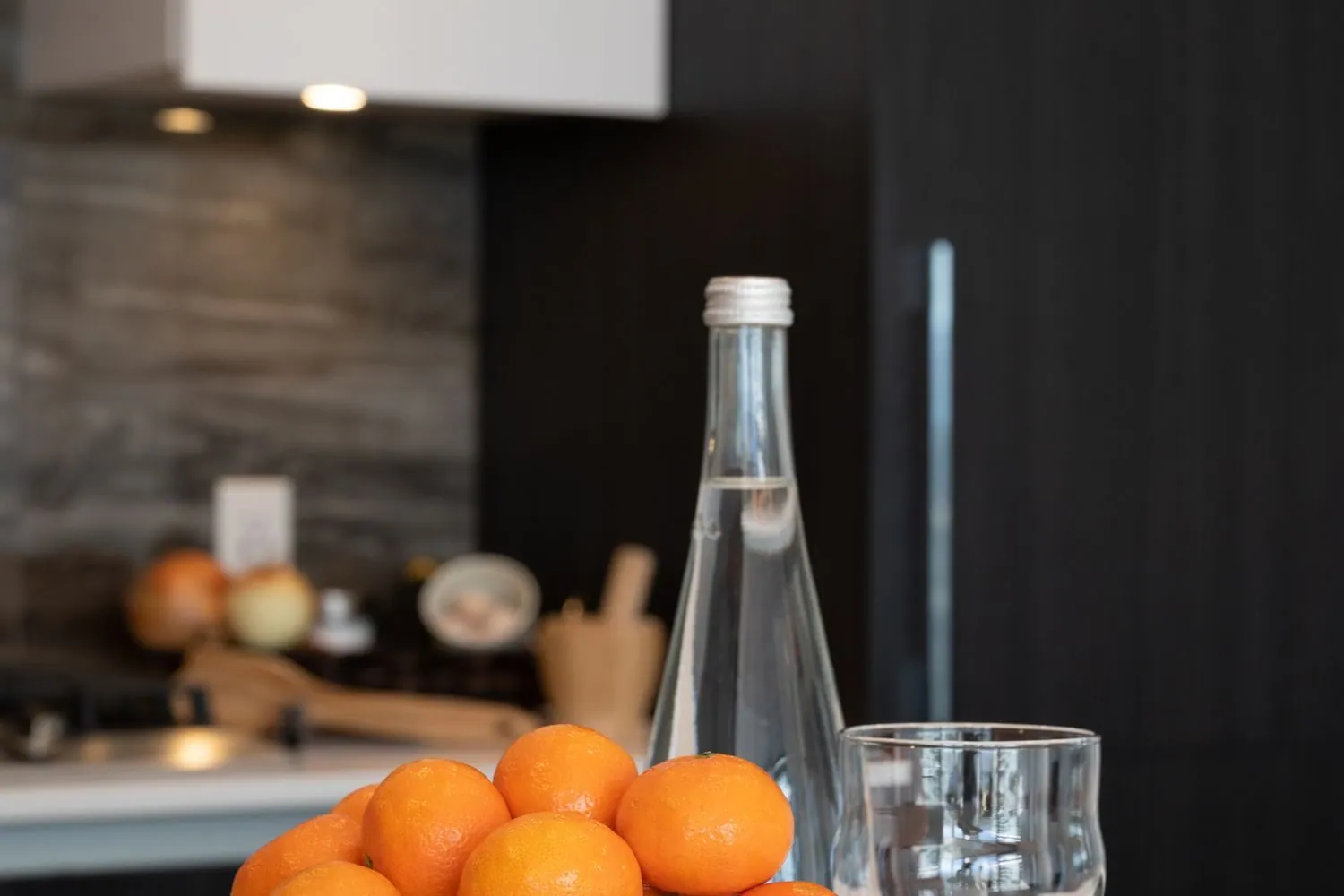
Keeping a few of these visible matters more than people expect: a bowl of fruit on the counter gets picked up far more than one hidden in the fridge drawer.
Troubleshooting: when the tips are not working
If nothing seems to help, it usually means one piece of the setup is missing. Run through these common situations.
- Cravings hit hardest at night. Look at the day before it. Was lunch small, was there a long afternoon gap, did you sleep badly? A fuller dinner with dal, vegetables and a protein food, and an earlier evening snack, often settles it.
- The swap felt like a punishment. Then it is the wrong swap. Pick something you like, or have the original in a smaller portion, sitting down.
- You crave the same food every day at the same time. That is a habit loop. Change one part of it for a week: a different seat, a different drink, a short walk first.
- You are always hungry despite regular meals. Check whether meals include enough protein and fibre. If they do and the hunger persists, speak to a professional, as described next.
When should you see a doctor or dietitian about cravings?
See a doctor or registered dietitian if cravings feel out of control, cause distress, lead to eating large amounts in a short time followed by guilt, or are paired with skipping meals. Also check in if you notice a sudden change in appetite or very unusual cravings.
Occasional cravings are normal. These are worth raising with a qualified professional:
- Cravings that feel impossible to resist, take over your day, or leave you upset or ashamed.
- Cycles of eating a lot and then restricting, or hiding food.
- Strong cravings for ice, chalk, raw rice or soil, which can sometimes be linked to low iron or other nutrient problems that a blood test can check.
- Intense hunger or thirst along with frequent urination, tiredness or unexplained weight change.
- New cravings during pregnancy or while on long-term medication. Do not change any medicine on your own; ask your doctor first.
Frequently asked questions
Why do cravings seem to hit hardest at night?
Evening cravings usually build from the day before: small or rushed meals, long gaps, tiredness and more free time with fewer distractions. A fuller lunch and dinner with protein and fibre, plus a planned evening snack, often softens the night-time pull. If it still feels overwhelming, speak to a dietitian.
Can stress alone cause food cravings even when I am not hungry?
Yes. Stress can trigger a strong urge to eat comforting food even when your body does not need fuel. This is a normal human response. Short breaks, a walk, slow breathing or talking to someone often help more than fighting the craving directly.
How long do cravings last if I do not act on them?
Most cravings rise, peak and fade within roughly 10 to 20 minutes. Waiting that long, ideally with a glass of water and a change of room, gives you time to decide calmly. Some cues bring the urge back later, which is normal.
Is it bad to eat something just because I am craving it?
No. Eating a craved food occasionally, sitting down and enjoying it, is a normal part of eating. What deserves attention is a constant, automatic pattern that feels distressing. In that case, it helps to look at sleep, stress, meal gaps and, if needed, speak to a professional.
Does drinking water really reduce food cravings?
Sometimes. Thirst can feel like a snack urge, so drinking a full glass and waiting about 10 minutes is a free way to check. If the craving remains afterwards, it is likely a true craving or hunger, and you can respond to that instead.
If you want help turning this into a routine that fits your meals, your schedule and your tastes, book an online nutritionist consultation and bring a few days of notes on when your cravings show up.


