
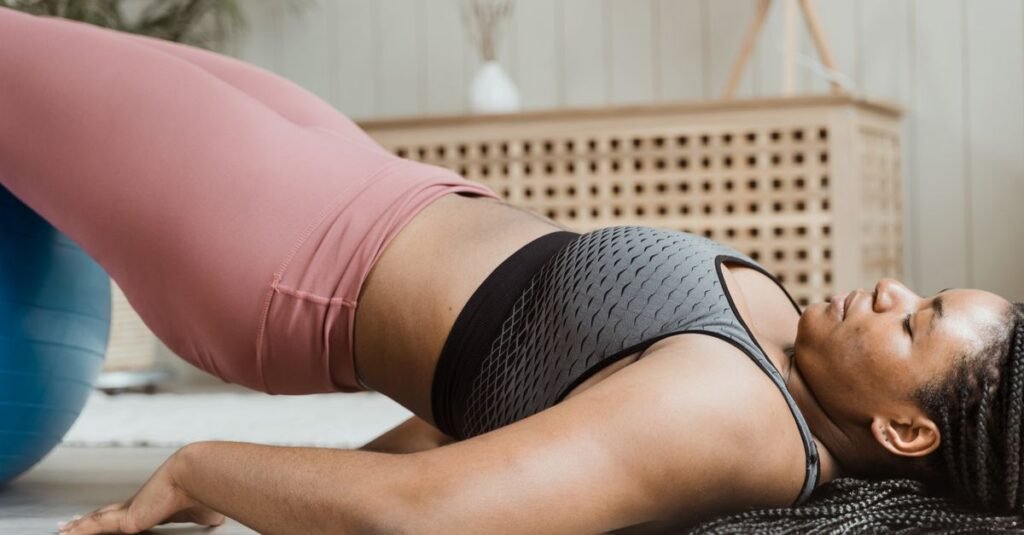
A good glute workout for women is not a list of 30 kickback variations. It is a short set of hard, loadable movements that extend and abduct the hip, done two or three times a week, with the weight going up over months. This guide shows which glute exercises the research supports, how to run them at home or in the gym, how many sets to do, and what to fix when your quads or lower back take over. It is built for Indian women training in small flats, busy gyms, or with one pair of dumbbells and a band.
Which glute muscles does a glute workout actually train?
Your glutes are three muscles: the gluteus maximus, which extends the hip as you stand up from a squat; the gluteus medius, the upper-outer muscle that stabilises the pelvis and lifts the leg sideways; and the small gluteus minimus beneath it. A complete glute workout trains both hip extension and hip abduction.
This is why “just do squats” leaves gaps. Squats train the maximus well but barely challenge the medius, the muscle behind the upper-outer hip shape and the one that stops your knees caving inward. So every glute session has two jobs:
- Hip extension (gluteus maximus): hip thrusts, glute bridges, Romanian deadlifts, step-ups, lunges, split squats, back extensions.
- Hip abduction (gluteus medius and minimus): side-lying hip abduction, banded side walks, cable or machine abduction, single-leg balance work.
Your hamstrings assist hip extension, which is why hamstring glute exercises like Romanian deadlifts and back extensions appear in the plans below.

Women’s top glute exercises, ranked by what the research measured
Electromyography (EMG) measures how strongly a muscle is being activated, usually expressed as a percentage of a maximal voluntary isometric contraction (%MVIC). It is not the same as growth, but it is a useful first filter. A 2020 systematic review of 16 studies in the Journal of Sports Science and Medicine classified exercises above 60% MVIC as “very high” gluteus maximus activation. The list included step-ups and their variations (the highest), hip thrusts, the hex bar and conventional deadlift, split squats, lunges, the belt squat and the banded hip thrust.
The table turns that research into a menu. Sets and reps are starting points for beginner-to-intermediate lifters.
| Exercise | Main target | What the evidence says | Sets x reps | Rest | Form cue |
|---|---|---|---|---|---|
| Barbell or dumbbell hip thrust | Gluteus maximus | Very high activation (>60% MVIC) in the 2020 review | 3-4 x 8-12 | 90-120 s | Chin tucked, ribs down, shins vertical at the top |
| Step-up (knee-height box) | Gluteus maximus | Highest activation group in the 2020 review | 3 x 8-10 per leg | 60-90 s | Drive through the whole front foot; don’t push off the back toe |
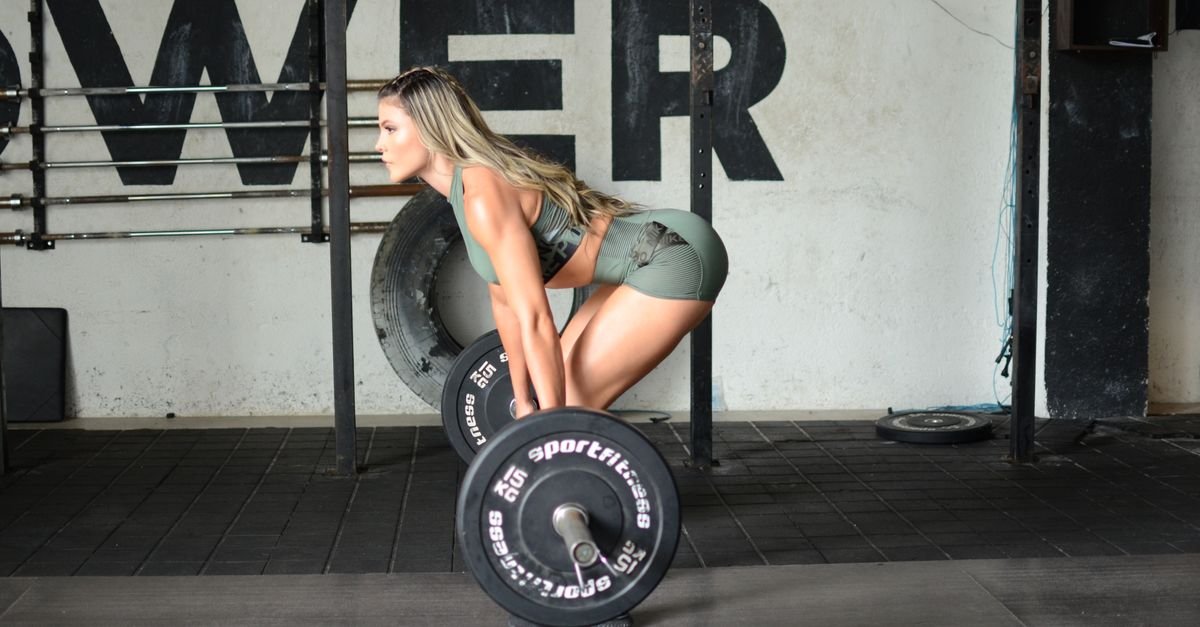
| Romanian deadlift | Glute max + hamstrings | Deadlift variations rated very high | 3 x 8-10 | 90-120 s | Push hips back, soft knees, bar or dumbbells close to the legs |
| Bulgarian split squat | Glute max + quads | Split squat rated very high | 3 x 8-12 per leg | 60-90 s | Slight forward lean of the torso to load the glute more |
| Single-leg Romanian deadlift | Glute max + medius | About 59% MVIC for both muscles (2009 study) | 3 x 8 per leg | 60 s | Keep the hips square to the floor; reach the free leg straight back |
| Side-lying hip abduction | Gluteus medius | About 81% MVIC, the highest medius score in the 2009 study | 2-3 x 12-20 per leg | 45-60 s | Leg slightly behind the body, toes pointing forward, not up |
| Banded lateral walk | Gluteus medius | Lower activation (about 27% MVIC for the maximus); a warm-up, not a main lift | 2 x 12-15 steps each way | 30-45 s | Band around the lower thighs or ankles, stay in a quarter squat |
The big compound lifts dominate. Popular Instagram moves like clamshells and band walks sit near the bottom: fine warm-ups, weak muscle builders.
Myth: hip thrusts are the only glute exercise that matters
The hip thrust became famous because of EMG data. In a 2015 study in the Journal of Applied Biomechanics, 13 trained women performed 10-rep-max sets of back squats and barbell hip thrusts. Mean upper gluteus maximus activation was 69.5% in the hip thrust versus 29.4% in the squat, and lower gluteus maximus activation was 86.8% versus 45.4%.
But activation is not growth. A 2023 randomised trial in Frontiers in Physiology put untrained adults on either squats or hip thrusts for 9 weeks with equal sets, then measured the glutes by MRI. Gluteal growth was similar in both groups, the squat group gained more thigh muscle, and the hip thrust’s higher EMG “did not consistently predict gluteal hypertrophy outcomes”.
The practical takeaway:
- Hip thrusts are excellent if squats bother your knees or you want glute growth without much thigh growth.
- Squats, split squats and lunges build the glutes just as well.
- The best plan uses both patterns. For thrust technique, our hip thrust workout guide covers setup, bench height and loading.
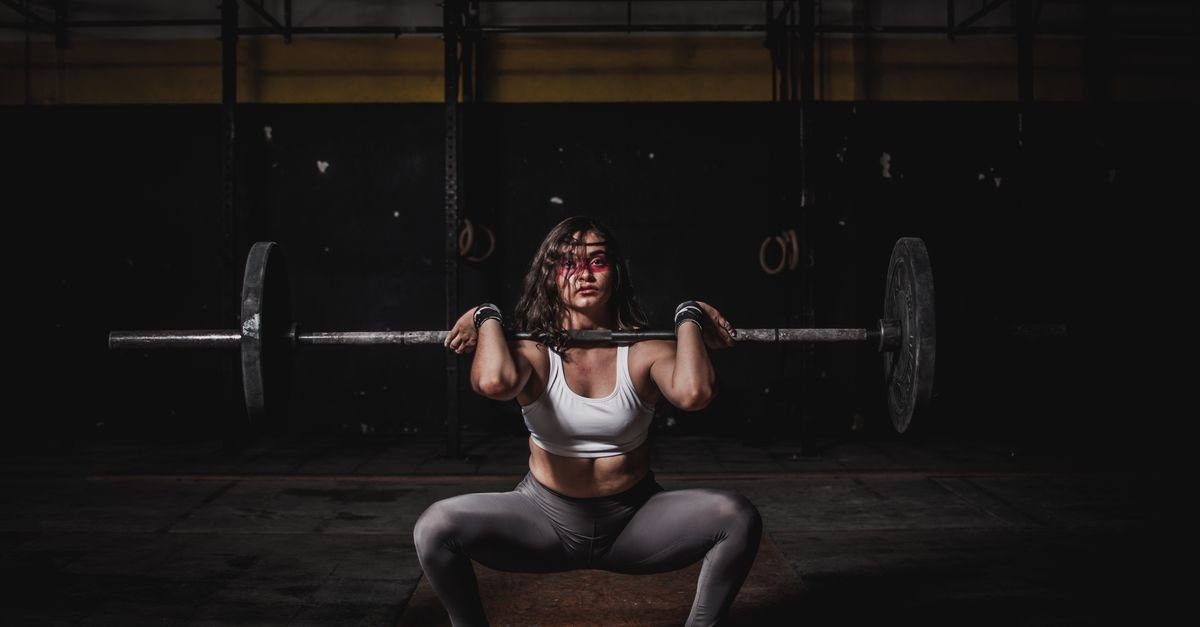
Glute workout at home: a 4-week plan with a band and dumbbells
Bodyweight alone stops being enough within a few weeks, so the minimum kit is a resistance band and one pair of adjustable dumbbells (or a backpack filled with books). A sturdy sofa works as a hip thrust bench. Train 3 non-consecutive days a week, 35-45 minutes including a 5-minute warm-up of band walks and bridges.
| Exercise | Week 1 | Week 2 | Week 3 | Week 4 | Rest | Form cue |
|---|---|---|---|---|---|---|
| Glute bridge to single-leg bridge | 3 x 15 (both legs) | 3 x 12 (dumbbell on hips) | 3 x 10 per leg (single-leg) | 4 x 10 per leg | 60 s | Pause 2 seconds at the top, squeeze, ribs down |
| Dumbbell hip thrust (back on sofa) | 3 x 12 | 3 x 12, heavier | 4 x 10 | 4 x 10, heavier | 90 s | Upper back on the edge, feet hip-width, knees push out against a band |
| Goblet squat | 3 x 10 | 3 x 12 | 4 x 10, 3-second lowering | 4 x 12, 3-second lowering | 90 s | Sit between the heels, chest proud, weight held at the sternum |
| Dumbbell reverse lunge | 2 x 8 per leg | 3 x 8 per leg | 3 x 10 per leg | 3 x 12 per leg | 60-90 s | Step back long; front shin stays near vertical |
| Dumbbell Romanian deadlift | 3 x 10 | 3 x 10, heavier | 3 x 12 | 4 x 10 | 90 s | Stop when your back starts to round, usually just below the knee |
| Side-lying hip abduction | 2 x 15 per leg | 2 x 20 per leg | 3 x 15 (band at ankles) | 3 x 20 (band at ankles) | 45 s | Lead with the heel, keep the top hip stacked over the bottom |
After Week 4, repeat the cycle with heavier dumbbells or a stronger band. With no weights, slow every rep (3 seconds down, 1-second pause) and switch to single-leg versions sooner; that works for 2-3 months, then you need load.
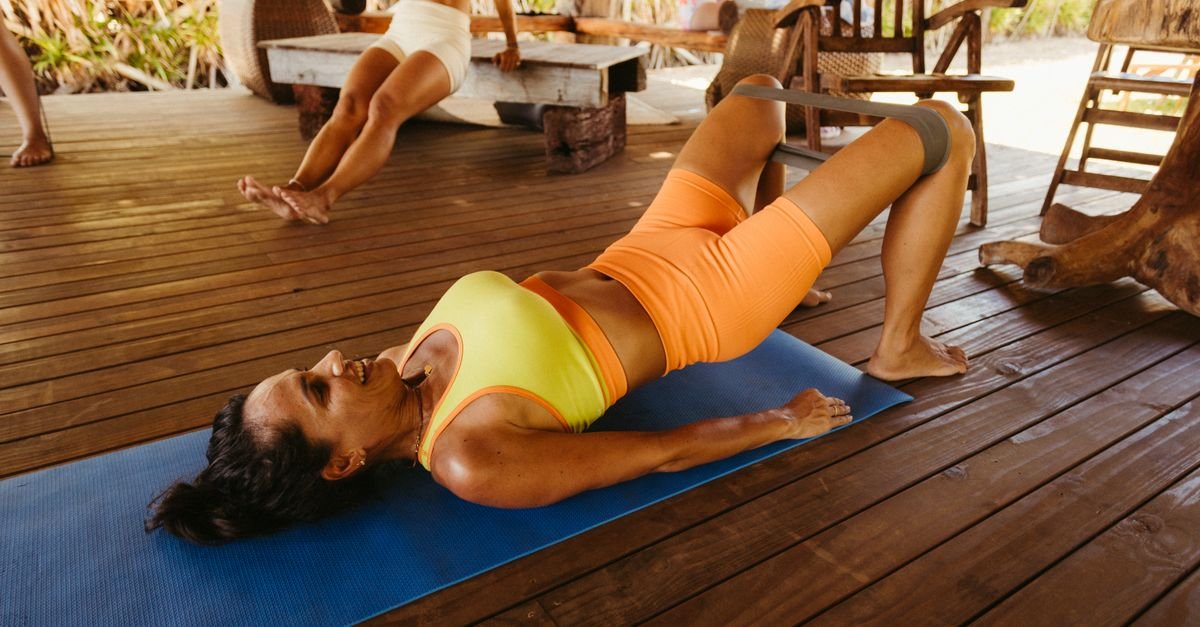
Glute exercises at the gym: a two-session weekly template
A gym lets you load the glutes far more heavily and safely. This template splits the work into one heavy day and one higher-rep day. If you want a complete weekly split that includes upper body, see our gym workout plan for women.
| Day | Exercise | Sets x reps | Rest | Effort | Form cue |
|---|---|---|---|---|---|
| Day A (heavy) | Barbell hip thrust | 4 x 6-8 | 2-3 min | 1-2 reps left in the tank | Pad on the bar, tuck the chin and look forward, not at the ceiling |
| Romanian deadlift (barbell) | 3 x 6-8 | 2-3 min | 1-2 reps left | Bar slides down the thighs; hips travel back, not down | |
| Bulgarian split squat (dumbbells) | 3 x 8 per leg | 90 s | 2 reps left | Rear foot laces-down on the bench, lean slightly forward | |
| Hip abduction machine | 3 x 12-15 | 60 s | Near failure | Lean the torso forward slightly to bias the upper glute | |
| Day B (volume) | Step-up (dumbbells, knee-height box) | 3 x 10 per leg | 90 s | 2 reps left | No push-off from the back foot |
| Leg press, feet high and wide | 3 x 12-15 | 90 s | 2 reps left | Lower until the hips just start to tuck, then press | |
| 45-degree back extension (glute bias) | 3 x 12-15 | 60 s | Near failure | Round the upper back slightly, toes turned out, squeeze the glutes | |
| Cable kickback | 2 x 15 per leg | 45 s | Near failure | Kick back and slightly out; stop before the lower back arches |
Glute exercises on machines are not “cheating”. They let you push close to failure with less technical risk at the end of a session, when free-weight form would break down. A lunge can replace the step-up if it suits your knees better.
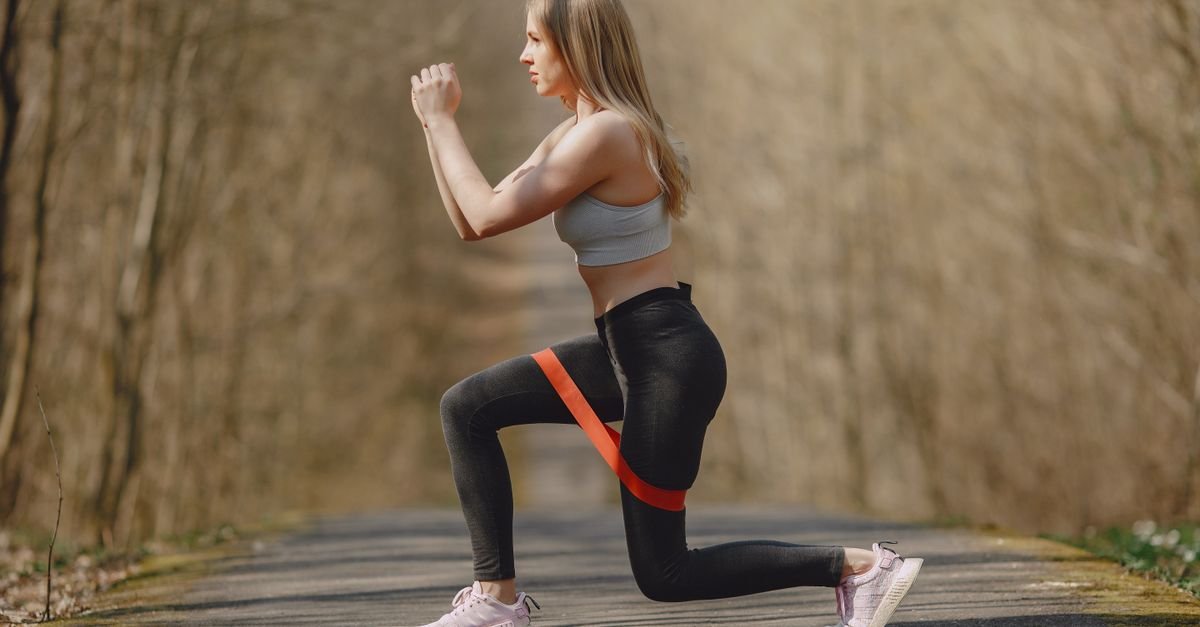
How many sets and how often should women train glutes?
Train your glutes 2-3 times a week with roughly 10-20 hard sets in total across the week. A 2016 meta-analysis found training a muscle twice weekly beat once weekly for growth, and a 2017 meta-analysis linked more weekly sets to more muscle, with 10+ sets per muscle in the highest band studied.
The frequency evidence comes from a 2016 Sports Medicine meta-analysis, which concluded that “major muscle groups should be trained at least twice a week to maximize muscle growth”. The volume evidence comes from a 2017 meta-analysis of 15 studies: each extra weekly set was linked to a 0.37% bigger gain in muscle size, and the study grouped weekly sets as under 5, 5-9 and 10 or more per muscle.
The NHS adult activity guidelines advise strengthening activities on at least 2 days a week that work the legs, hips, back, abdomen, chest, shoulders and arms, alongside 150 minutes of moderate aerobic activity.
How to apply it:
- Beginner (0-6 months): 8-12 glute-focused sets a week across 2 sessions.
- Intermediate (6-24 months): 12-18 sets across 2-3 sessions.
- Do not train glutes hard every day. Light daily bridges are fine; daily heavy hip thrusts are not.
Squats, lunges and deadlifts on leg day count toward your glute sets. If you already follow a plan like our leg workouts at the gym, you may need only 4-6 extra glute-specific sets a week, not a whole separate day.
Upper glute exercises: how to target the gluteus medius
The “upper glute” is mostly the gluteus medius. The single best-measured exercise for it is side-lying hip abduction, which reached about 81% MVIC in a 2009 study of 21 active adults, nearly double the 38-40% recorded for clamshells. Single-leg squats and single-leg deadlifts also scored around 59-64%.
Those figures come from a 2009 Journal of Orthopaedic and Sports Physical Therapy study comparing 12 common rehab exercises.
A practical upper-glute block, added to the end of any session:
- Side-lying hip abduction: 2-3 sets of 15-20 per side. Keep the leg slightly behind your body; if it drifts forward, your hip flexors take over.
- Single-leg Romanian deadlift: 3 sets of 8 per side. Hold a wall or chair at first; balance improves fast.
- Machine or cable hip abduction: 2-3 sets of 12-15 if you are in a gym.
An honest note: training builds the medius and can change hip shape over months, but genetics set the frame, including where you store fat.
Do women need a different glute workout? Hormones, cycles and the “bulky” fear
No. A 2020 meta-analysis of 10 hypertrophy studies found no significant difference in muscle growth between men and women on the same programme (effect size 0.07), and similar lower-body strength gains. Women can use the same exercises, rep ranges and progression as men; only the starting loads differ.
That finding is from a 2020 Journal of Strength and Conditioning Research review, which also found women made larger relative upper-body strength gains.
Will heavy glute training make you bulky? Visible muscle takes months of hard training and enough food; it does not happen by accident. Early “bulkiness” is usually temporary swelling in newly trained muscle that settles within a few weeks.
Should you change your glute workout around your period? The evidence says probably not by much. A 2020 Sports Medicine meta-analysis of 78 studies found exercise performance “might be trivially reduced” in the early follicular phase (the first days of your period), but the effect was so small and the studies so variable that the authors recommended a personalised approach rather than general rules.
If cramps or fatigue are bad on day 1-2, swap in the lighter day; if you feel fine, train normally. Severe pain or very heavy bleeding is a reason to see a gynaecologist, not to push through.
How to progress your glute workout without stalling (a walkthrough)
Muscles grow when you do a little more than last time. Use this double-progression method for every exercise here:
- Pick a rep range. For example, hip thrusts for 3 sets of 8-12.
- Start with a weight you can lift for 8 clean reps on all 3 sets, stopping with 1-2 reps still in reserve.
- Add reps each session. Session 1 might be 8, 8, 8; session 2 might be 10, 9, 8; session 3 might be 12, 11, 10.
- When you hit 12 on all 3 sets, increase the load. Add 2.5-5 kg on a barbell hip thrust or move up one dumbbell size (usually 1-2 kg), then go back to 8 reps.
- Log every session (date, exercise, weight, reps). Without a log, most people repeat the same weight for months.
Realistically, strength climbs within 4-6 weeks; visible shape change takes 3-6 months. Anyone promising a new butt in 30 days is selling, not coaching.
Troubleshooting: “I feel it in my quads, lower back or knees, not my glutes”
The most common complaint among women starting glute exercises, and the usual fixes:
You feel squats and lunges mostly in your thighs
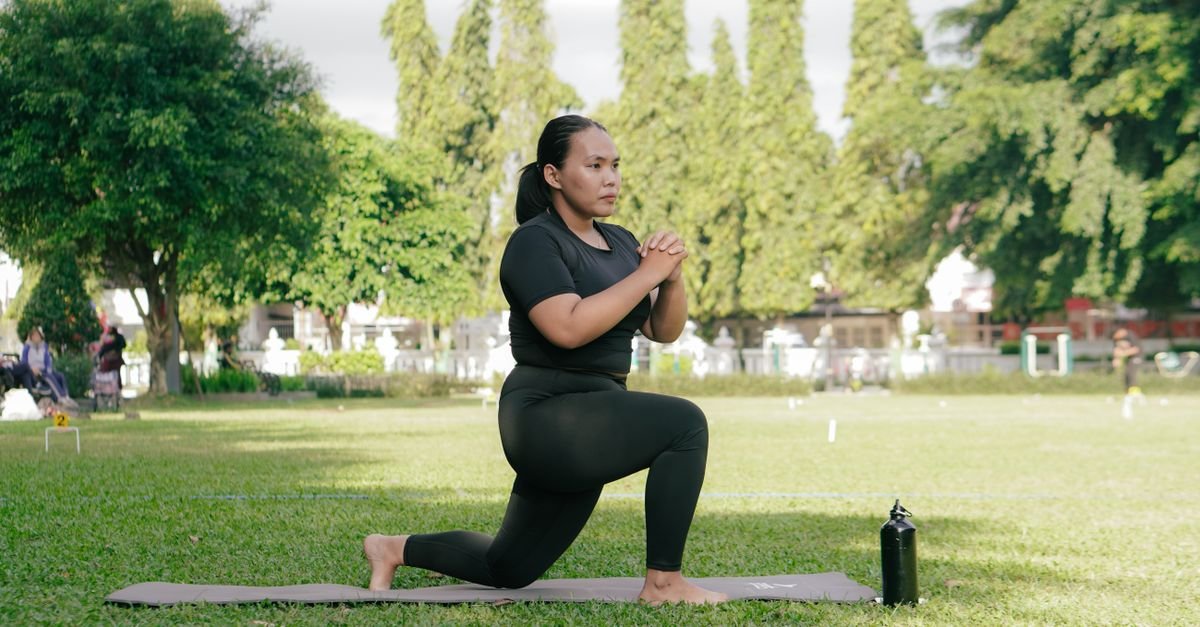
Your torso is too upright and your stance too short. Take a longer stride, lean forward about 15-20 degrees in split squats, and sit back into your hips.
You feel hip thrusts in your lower back
You are finishing the rep by arching your spine instead of extending your hips. Tuck your chin, keep your ribs down, stop when your torso is flat, and tuck your tailbone slightly at the top.
You feel hip thrusts in your hamstrings
Your feet are too far forward. Walk them in until your shins are vertical at the top of the rep.
Your knees ache during squats or lunges
Keep your knees tracking over your middle toes. Reduce depth for 2-3 weeks and lean on hip-dominant moves (hip thrusts, Romanian deadlifts) that load the knee less. Sharp pain or swelling needs a physiotherapist’s assessment.
Eating for glute growth on an Indian diet
Muscle cannot grow without enough protein. A 2018 meta-analysis of 49 trials and 1,863 people found protein intakes above about 1.6 g per kg of body weight a day gave no further gains in lean mass, so that is a sensible ceiling. For a 60 kg woman, that is roughly 96 g a day, spread over 3-4 meals.
The figure is from a 2018 British Journal of Sports Medicine meta-analysis. Indian meals built around roti, rice and a small katori of dal often fall well short. To close the gap:
- Add a protein source to every meal, not just lunch: paneer, curd or Greek yoghurt, eggs, chicken, fish, soya chunks, tofu, sprouts, or a larger serving of dal or chana.
- Make breakfast count. Besan chilla, egg bhurji, moong dal chilla or curd with poha shift the day’s total far more than a protein bar.
- Avoid big calorie deficits while building glutes; a crash diet stalls muscle gain.
If you are vegetarian or have PCOS or thyroid issues, a dietitian can plan around your foods. Fitstrot’s online nutritionist consultation does exactly this.
Glute training for beginners, new mothers and women with knee pain
Complete beginners
Run the home plan with bodyweight or light dumbbells for 2-4 weeks. Learn the hip hinge and the bridge before adding load; month one is about technique, not soreness.
After pregnancy
Get your doctor’s clearance first, usually at or after the 6-week postnatal check and later after a C-section. Start with bridges and side-lying abduction. Leaking, pelvic heaviness or a midline bulge means see a women’s health physiotherapist before heavy lifting.
Women with knee pain
Strong glutes, especially the medius, help control the knee. Prioritise hip thrusts, bridges, Romanian deadlifts and side-lying abduction, adding partial-range split squats as pain allows. Pain lasting over 2 weeks needs assessment.
Frequently asked questions
What is the best glute workout for women?
The best glute workout for women combines a hip thrust or bridge, a squat or lunge, a hinge such as the Romanian deadlift, and an abduction exercise, done 2-3 times a week with gradually heavier weights.
Can I build glutes at home without equipment?
Yes, for the first 2-3 months, using bridges, single-leg bridges, split squats and step-ups. After that you need a band, dumbbells or a loaded backpack to keep progressing.
How long does it take to see results from glute exercises?
Strength usually improves within 4-6 weeks. Visible changes in glute size and shape typically take 3-6 months of consistent training, enough protein and steadily heavier loads.
Is it okay to do glute workouts every day?
Light bridges can be done daily, but hard glute training should be limited to 2-3 sessions a week with a rest day between them.
Are squats or hip thrusts better for glutes?
Both build the glutes about equally. A 2023 MRI trial found similar glute growth after 9 weeks of either, though squats also built more thigh muscle. Hip thrusts are a good choice if squats bother your knees.
Which exercises work the upper glutes?
The upper glutes are mostly the gluteus medius. Side-lying hip abduction, single-leg Romanian deadlifts, single-leg squats and the abduction machine work it best.
Should I train glutes during my period?
You can. Research finds only a trivial dip in performance in the first days of the cycle. Train normally if you feel fine, or go lighter if cramps or fatigue are strong.
Want someone to check your hip thrust and build your glute plan around your schedule? Book a session with a Fitstrot coach through our 1-on-1 personal training and train with live form correction from home.


